
Contents
- 🌍 Introduction to the British Isles
- 🏞️ Geography and Climate of the British Isles
- 📚 History of the British Isles: A Complex Narrative
- 🏛️ Sovereign States: Republic of Ireland and United Kingdom
- 🌊 Islands of the British Isles: A Diverse Archipelago
- 📊 Demographics and Population of the British Isles
- 🤝 Cultural Heritage and Identity of the British Isles
- 🌈 Language and Linguistic Diversity in the British Isles
- 📜 Historical Events that Shaped the British Isles
- 🌐 Contemporary Issues and Challenges in the British Isles
- 👥 People and Places of the British Isles: A Rich Tapestry
- 📚 Conclusion: The British Isles as a Unique Cultural Entity
- Frequently Asked Questions
- Related Topics
Overview
The British Isles, comprising the United Kingdom, Ireland, and numerous smaller islands, boast a rich and complex history spanning thousands of years. From the ancient Celtic tribes to the modern-day political landscape, the region has been shaped by a multitude of influences, including the Roman Empire, the Viking invasions, and the Norman Conquest. The British Isles are home to a diverse array of cultures, languages, and traditions, with the UK and Ireland having distinct yet intertwined histories. The region's cultural resonance is evident in its vibrant cities, such as London and Dublin, and its stunning natural landscapes, including the Cliffs of Moher and the Scottish Highlands. With a Vibe score of 8, the British Isles continue to captivate audiences worldwide, from the iconic landmarks of Stonehenge and Buckingham Palace to the picturesque countryside of Wales and Northern Ireland. As the region navigates the complexities of Brexit and its impact on the future of the UK and Ireland, one thing is certain: the British Isles will remain a fascinating and dynamic entity, full of surprises and contradictions, with a future that is both uncertain and exciting.
🌍 Introduction to the British Isles
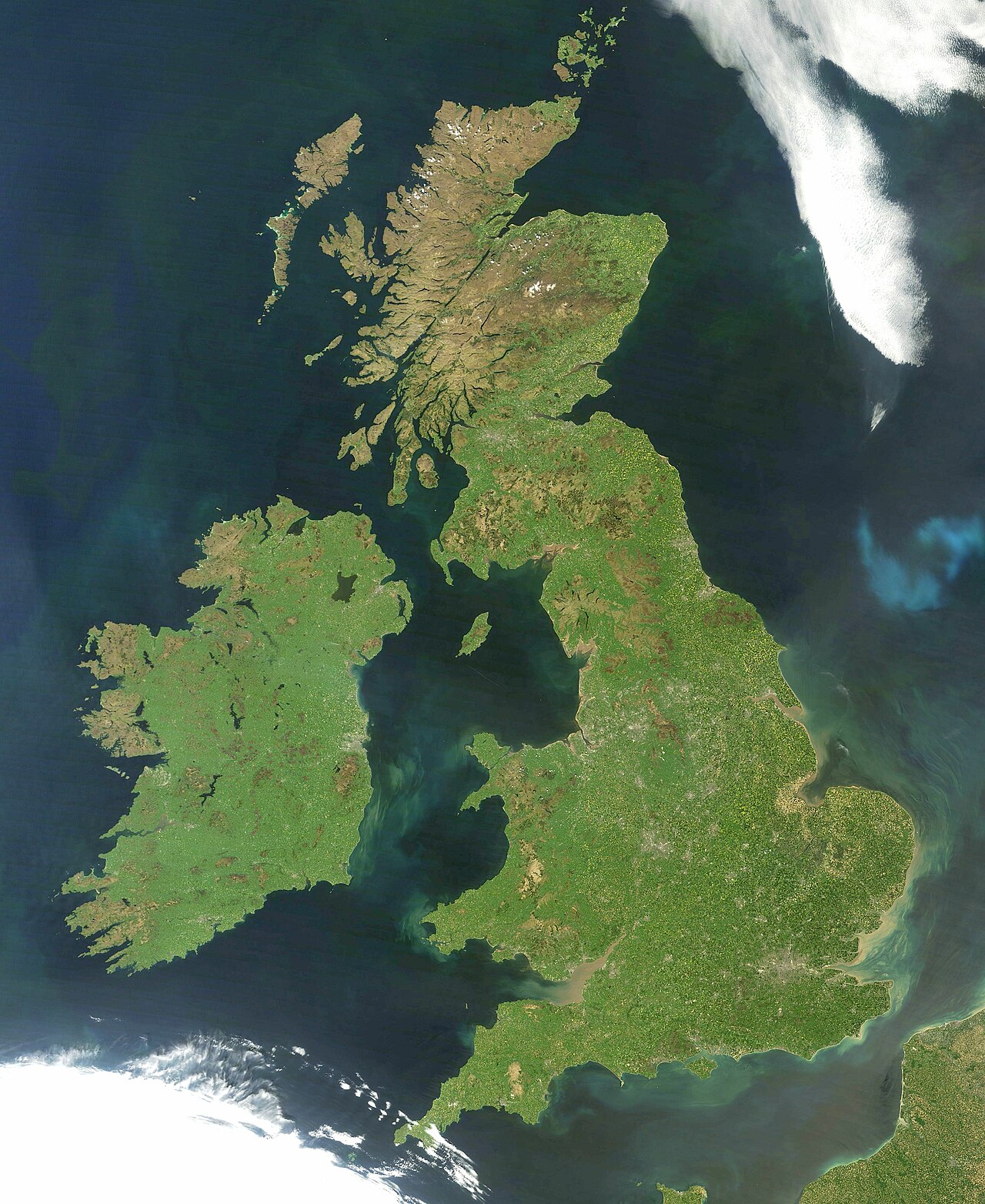
The British Isles are an archipelago in the North Atlantic Ocean, comprising the islands of Great Britain, Ireland, and over six thousand smaller islands. The total area of the British Isles is approximately 315,159 km2, with a combined population of almost 75 million people. To understand the complexity of the British Isles, it's essential to explore the Geography of the region, including its Climate and Geology. The British Isles are home to two sovereign states, the Republic of Ireland and the United Kingdom of Great Britain and Northern Ireland.
🏞️ Geography and Climate of the British Isles
The geography of the British Isles is characterized by a diverse range of landscapes, from the rugged mountains of Scotland to the rolling hills of Ireland. The climate of the British Isles is generally temperate, with mild winters and cool summers. However, the climate can vary significantly depending on the location, with the western coast of Ireland and the Hebrides experiencing a more maritime climate. The British Isles are also home to a wide range of flora and fauna, including many species that are found nowhere else in the world. For example, the Red Fox is a common sight in the countryside, while the Golden Eagle can be found in the more remote areas of Scotland.
📚 History of the British Isles: A Complex Narrative
The history of the British Isles is a complex and multifaceted narrative, spanning thousands of years. From the ancient Celts to the modern-day United Kingdom, the British Isles have been shaped by a wide range of cultures and empires. The Roman Empire played a significant role in the history of the British Isles, with the construction of Hadrian's Wall in England. The Viking invasions of the 9th and 10th centuries also had a profound impact on the British Isles, with many Viking settlements established in England, Scotland, and Ireland.
🏛️ Sovereign States: Republic of Ireland and United Kingdom
The British Isles are home to two sovereign states, the Republic of Ireland and the United Kingdom of Great Britain and Northern Ireland. The Republic of Ireland is an independent country, with its own government and constitution. The United Kingdom, on the other hand, is a unitary state, comprising four constituent countries: England, Scotland, Wales, and Northern Ireland. The Channel Islands and the Isle of Man are also part of the British Isles, although they are not part of the United Kingdom.
🌊 Islands of the British Isles: A Diverse Archipelago
The British Isles comprise a diverse archipelago of islands, each with its own unique character and charm. The largest island is Great Britain, which includes England, Scotland, and Wales. The island of Ireland is the second-largest island in the British Isles, with the Republic of Ireland occupying the majority of the island. The Hebrides, the Orkney Islands, and the Shetland Islands are just a few examples of the many smaller islands that make up the British Isles. Each of these islands has its own distinct culture and history, shaped by the Viking invasions, the Roman Empire, and other historical events.
📊 Demographics and Population of the British Isles
The demographics of the British Isles are characterized by a diverse range of cultures, languages, and ethnicities. The total population of the British Isles is approximately 75 million people, with the majority living in England. The population of the British Isles is also aging, with a significant proportion of people over the age of 65. The Economy of the British Isles is also diverse, with a range of industries, including Finance, Manufacturing, and Tourism. The British Isles are also home to many world-class Universities, including Oxford University and Cambridge University.
🤝 Cultural Heritage and Identity of the British Isles
The cultural heritage of the British Isles is a rich and complex tapestry, shaped by the many different cultures and empires that have influenced the region over the centuries. From the Celts to the Viking invasions, each culture has left its mark on the British Isles. The British Isles are also home to a wide range of Festivals and Traditions, including the Notting Hill Carnival in London and the Edinburgh Festival Fringe in Scotland. The British Isles are also famous for their Literature, with many world-renowned authors, including William Shakespeare and J.K. Rowling.
🌈 Language and Linguistic Diversity in the British Isles
The British Isles are home to a diverse range of languages, including English, Welsh, Gaelic, and Irish. English is the most widely spoken language, with over 50 million people speaking it as their first language. However, there are also many other languages spoken in the British Isles, including Scots and Ulster Scots. The British Isles are also home to many different Dialects, with each region having its own unique accent and vocabulary. For example, the Cockney Rhyming Slang is a famous dialect from London, while the Scouse dialect is from Liverpool.
📜 Historical Events that Shaped the British Isles
The history of the British Isles has been shaped by many significant events, including the Roman Conquest of Britain in the 1st century AD. The Viking invasions of the 9th and 10th centuries also had a profound impact on the British Isles, with many Viking settlements established in England, Scotland, and Ireland. The Norman Conquest of England in 1066 also played a significant role in shaping the history of the British Isles. More recently, the British Empire played a major role in shaping the modern world, with the British Isles at its center.
🌐 Contemporary Issues and Challenges in the British Isles
The British Isles face many contemporary issues and challenges, including Climate Change, Brexit, and Economic Inequality. The British Isles are also home to many world-class Universities and Research Institutions, which are working to address these challenges. The British Isles are also a popular destination for Tourism, with many visitors drawn to the region's rich history, culture, and natural beauty. However, the British Isles also face many challenges related to Sustainability and Environmental Protection.
👥 People and Places of the British Isles: A Rich Tapestry
The people and places of the British Isles are a rich and diverse tapestry, with many different cultures, languages, and traditions. From the bustling cities of London and Manchester to the rural landscapes of Scotland and Wales, the British Isles are home to many unique and fascinating places. The British Isles are also home to many world-renowned Festivals and Events, including the Glastonbury Festival and the Wimbledon Tennis Championships.
📚 Conclusion: The British Isles as a Unique Cultural Entity
In conclusion, the British Isles are a complex and multifaceted region, with a rich history, culture, and natural beauty. From the ancient Celts to the modern-day United Kingdom, the British Isles have been shaped by many different cultures and empires. The British Isles are also home to a diverse range of languages, dialects, and traditions, with each region having its own unique character and charm. As the British Isles look to the future, they face many challenges and opportunities, from Climate Change to Economic Inequality.
Key Facts
- Year
- 2023
- Origin
- Northwestern Europe
- Category
- Geography and History
- Type
- Geographic Region
Frequently Asked Questions
What is the total area of the British Isles?
What is the population of the British Isles?
The population of the British Isles is approximately 75 million people. The majority of the population lives in England, with significant populations also living in Scotland, Wales, and Ireland. The population of the British Isles is also aging, with a significant proportion of people over the age of 65.
What are the two sovereign states that make up the British Isles?
The two sovereign states that make up the British Isles are the Republic of Ireland and the United Kingdom of Great Britain and Northern Ireland. The Republic of Ireland is an independent country, with its own government and constitution. The United Kingdom is a unitary state, comprising four constituent countries: England, Scotland, Wales, and Northern Ireland.
What is the cultural heritage of the British Isles?
The cultural heritage of the British Isles is a rich and complex tapestry, shaped by the many different cultures and empires that have influenced the region over the centuries. From the ancient Celts to the modern-day United Kingdom, the British Isles have been shaped by many different cultures and empires. The British Isles are also home to a wide range of Festivals and Traditions, including the Notting Hill Carnival in London and the Edinburgh Festival Fringe in Scotland.
What are the main languages spoken in the British Isles?
The main languages spoken in the British Isles are English, Welsh, Gaelic, and Irish. English is the most widely spoken language, with over 50 million people speaking it as their first language. However, there are also many other languages spoken in the British Isles, including Scots and Ulster Scots.
What are the main challenges facing the British Isles today?
The British Isles face many contemporary issues and challenges, including Climate Change, Brexit, and Economic Inequality. The British Isles are also home to many world-class Universities and Research Institutions, which are working to address these challenges. The British Isles are also a popular destination for Tourism, with many visitors drawn to the region's rich history, culture, and natural beauty.
What is the significance of the British Isles in the modern world?
The British Isles are a significant region in the modern world, with a rich history, culture, and natural beauty. The British Isles are home to many world-renowned Universities and Research Institutions, which are working to address many of the world's most pressing challenges. The British Isles are also a popular destination for Tourism, with many visitors drawn to the region's rich history, culture, and natural beauty.