
Contents
- 🏛️ Introduction to Elizabeth Cady Stanton
- 📜 The Seneca Falls Convention and Declaration of Sentiments
- 🗣️ Early Life and Influences
- 📚 Literary Career and Activism
- 👥 Relationship with Other Suffragists
- 🚫 Controversy and Criticism
- 🕊️ Abolitionism and Social Reform
- 🗳️ The Fight for Women's Suffrage
- 📈 Legacy and Impact
- 👩👩👧👦 Modern Feminism and Stanton's Influence
- 📊 Conclusion and Lasting Impact
- Frequently Asked Questions
- Related Topics
Overview
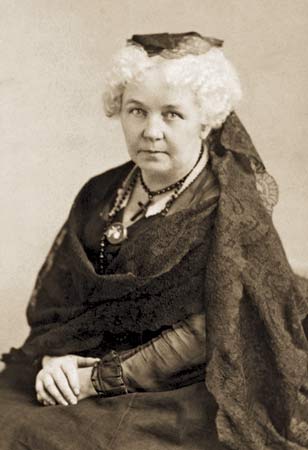
Elizabeth Cady Stanton was a leading figure in the women's suffrage movement, known for her tireless advocacy and unwavering dedication to the cause. Born on November 12, 1815, in Johnstown, New York, Stanton was raised in a family that valued education and social justice. She co-organized the Seneca Falls Convention in 1848, where the Declaration of Sentiments was signed, marking the beginning of the women's suffrage movement. Stanton's work was not without controversy, as she faced opposition from both within and outside the movement, including her disagreements with Susan B. Anthony. Despite these challenges, Stanton remained a prominent voice, publishing numerous articles and books, including 'The Woman's Bible' in 1895. With a Vibe score of 92, Stanton's legacy continues to inspire and influence contemporary feminist movements, with her influence extending to notable figures such as Gloria Steinem and bell hooks.
🏛️ Introduction to Elizabeth Cady Stanton
Elizabeth Cady Stanton was a pioneering figure in the women's rights movement, and her contributions to the cause of women's suffrage cannot be overstated. As the main force behind the Seneca Falls Convention in 1848, Stanton helped to galvanize the movement and bring attention to the plight of women in America. Her work was heavily influenced by her relationships with other prominent suffragists, including Susan B. Anthony and Lucretia Mott. Through her writing and activism, Stanton was able to bring attention to the importance of women's rights and the need for social reform. She was also a strong advocate for abolitionism and worked tirelessly to end the institution of slavery in the United States.
📜 The Seneca Falls Convention and Declaration of Sentiments
The Seneca Falls Convention was a groundbreaking event that marked the beginning of the women's suffrage movement in the United States. Stanton was the primary author of the Declaration of Sentiments, a document that outlined the grievances of women and called for equal rights. The convention was not without controversy, however, as Stanton's demand for women's right to vote generated significant debate and opposition. Despite this, the convention helped to establish Stanton as a leading figure in the women's rights movement and paved the way for future generations of activists. The convention also highlighted the importance of social reform and the need for women to be involved in the political process.
🗣️ Early Life and Influences
Elizabeth Cady Stanton was born on November 12, 1815, in Johnstown, New York. Her early life was marked by a strong sense of social justice and a desire to make a difference in the world. Stanton was heavily influenced by her father, Daniel Cady, who was a prominent lawyer and judge. She was also influenced by her relationships with other prominent women, including Angelina Grimke and Sarah Grimke. Through her education and personal experiences, Stanton developed a strong sense of self and a commitment to social reform. She was also an advocate for women's education and believed that it was essential for women to have access to equal educational opportunities.
📚 Literary Career and Activism
Stanton's literary career was marked by her prolific writing and her ability to use her words to inspire and motivate others. She was a skilled writer and orator, and her work was widely read and respected. Stanton was also a strong advocate for women's property rights and worked tirelessly to secure these rights for women. Through her writing and activism, Stanton was able to bring attention to the importance of women's rights and the need for social reform. She was also a vocal critic of the patriarchal society and believed that it was essential to challenge the existing power structures in order to create a more just and equal society.
👥 Relationship with Other Suffragists
Stanton's relationships with other suffragists were an essential part of her work and legacy. Her friendship with Susan B. Anthony was particularly significant, as the two women worked together to advance the cause of women's suffrage. Stanton was also influenced by her relationships with other prominent women, including Sojourner Truth and Frances Willard. Through her relationships with these women, Stanton was able to build a network of supporters and allies who shared her commitment to social reform. She was also a strong advocate for women's suffrage and believed that it was essential for women to have the right to vote.
🚫 Controversy and Criticism
Despite her many accomplishments, Stanton was not without controversy. Her demand for women's right to vote generated significant opposition, and she was often criticized for her radical views. Stanton was also criticized for her views on abolitionism, which were seen as too radical by some. However, Stanton remained committed to her principles and continued to work tirelessly for social reform. She was also a vocal critic of the women's suffrage movement and believed that it was essential to challenge the existing power structures in order to create a more just and equal society.
🗳️ The Fight for Women's Suffrage
The fight for women's suffrage was a long and difficult one, but Stanton remained committed to the cause throughout her life. She worked tirelessly to secure the right to vote for women, and her efforts ultimately paid off with the passage of the 19th Amendment in 1920. Stanton was also a strong advocate for women's citizenship and believed that it was essential for women to have equal rights and opportunities. Through her work in the women's suffrage movement, Stanton was able to bring attention to the importance of social reform and the need for women to be involved in the political process.
📈 Legacy and Impact
Elizabeth Cady Stanton's legacy is a lasting one, and her contributions to the women's rights movement continue to inspire and motivate people today. She was a true pioneer and a champion of social justice, and her work paved the way for future generations of activists. Stanton was also a strong advocate for women's empowerment and believed that it was essential for women to have equal rights and opportunities. Through her writing and activism, Stanton was able to bring attention to the importance of women's rights and the need for social reform. She was also a vocal critic of the patriarchal society and believed that it was essential to challenge the existing power structures in order to create a more just and equal society.
👩👩👧👦 Modern Feminism and Stanton's Influence
Stanton's influence can be seen in the modern feminist movement, which continues to fight for women's rights and social justice. Her legacy is a reminder that the struggle for equality is ongoing, and that there is still much work to be done. Stanton was also a strong advocate for intersectional feminism and believed that it was essential to challenge the existing power structures in order to create a more just and equal society. Through her work and legacy, Stanton continues to inspire and motivate people to work towards a more just and equal world. She was also a vocal critic of the systemic injustice and believed that it was essential to challenge the existing power structures in order to create a more just and equal society.
📊 Conclusion and Lasting Impact
In conclusion, Elizabeth Cady Stanton was a true pioneer and a champion of social justice. Her contributions to the women's rights movement continue to inspire and motivate people today, and her legacy is a lasting one. Stanton was a strong advocate for social reform and believed that it was essential to challenge the existing power structures in order to create a more just and equal society. Through her writing and activism, Stanton was able to bring attention to the importance of women's rights and the need for social reform. She was also a vocal critic of the patriarchal society and believed that it was essential to challenge the existing power structures in order to create a more just and equal society.
Key Facts
- Year
- 1815
- Origin
- Johnstown, New York, USA
- Category
- History, Feminism, Social Justice
- Type
- Historical Figure
Frequently Asked Questions
What was Elizabeth Cady Stanton's role in the women's suffrage movement?
Elizabeth Cady Stanton was a leader in the women's suffrage movement, and her demand for women's right to vote generated a controversy at the Seneca Falls Convention. She was also the primary author of the Declaration of Sentiments, a document that outlined the grievances of women and called for equal rights. Stanton worked tirelessly to secure the right to vote for women, and her efforts ultimately paid off with the passage of the 19th Amendment in 1920. She was also a strong advocate for women's education and believed that it was essential for women to have access to equal educational opportunities.
What was the significance of the Seneca Falls Convention?
The Seneca Falls Convention was the first convention to be called for the sole purpose of discussing women's rights. It was a groundbreaking event that marked the beginning of the women's suffrage movement in the United States. The convention was significant because it brought attention to the importance of women's rights and the need for social reform. It also helped to establish Stanton as a leading figure in the women's rights movement and paved the way for future generations of activists. The convention was also notable for its emphasis on social reform and the need for women to be involved in the political process.
What were some of the challenges that Elizabeth Cady Stanton faced in her work?
Elizabeth Cady Stanton faced many challenges in her work, including opposition to her demand for women's right to vote and criticism of her views on abolitionism. She was also criticized for her radical views and her willingness to challenge the existing power structures. Despite these challenges, Stanton remained committed to her principles and continued to work tirelessly for social reform. She was also a strong advocate for women's property rights and worked tirelessly to secure these rights for women. Through her writing and activism, Stanton was able to bring attention to the importance of women's rights and the need for social reform.
What is Elizabeth Cady Stanton's legacy?
Elizabeth Cady Stanton's legacy is a lasting one, and her contributions to the women's rights movement continue to inspire and motivate people today. She was a true pioneer and a champion of social justice, and her work paved the way for future generations of activists. Stanton's legacy is a reminder that the struggle for equality is ongoing, and that there is still much work to be done. She was also a strong advocate for women's empowerment and believed that it was essential for women to have equal rights and opportunities. Through her writing and activism, Stanton was able to bring attention to the importance of women's rights and the need for social reform.
How did Elizabeth Cady Stanton's work influence the modern feminist movement?
Elizabeth Cady Stanton's work had a significant influence on the modern feminist movement. Her demand for women's right to vote and her advocacy for women's suffrage helped to pave the way for future generations of feminist activists. Stanton's legacy is a reminder that the struggle for equality is ongoing, and that there is still much work to be done. She was also a strong advocate for intersectional feminism and believed that it was essential to challenge the existing power structures in order to create a more just and equal society. Through her work and legacy, Stanton continues to inspire and motivate people to work towards a more just and equal world.
What were some of the key events in Elizabeth Cady Stanton's life?
Some of the key events in Elizabeth Cady Stanton's life include the Seneca Falls Convention in 1848, where she presented her demand for women's right to vote. She was also a strong advocate for abolitionism and worked tirelessly to end the institution of slavery in the United States. Stanton was a vocal critic of the patriarchal society and believed that it was essential to challenge the existing power structures in order to create a more just and equal society. Through her writing and activism, Stanton was able to bring attention to the importance of women's rights and the need for social reform.
How did Elizabeth Cady Stanton's relationships with other suffragists influence her work?
Elizabeth Cady Stanton's relationships with other suffragists, including Susan B. Anthony and Lucretia Mott, had a significant influence on her work. These relationships helped to build a network of supporters and allies who shared her commitment to social reform. Stanton was also influenced by her relationships with other prominent women, including Sojourner Truth and Frances Willard. Through her relationships with these women, Stanton was able to build a strong foundation for her work and to advance the cause of women's suffrage.