
Contents
- 🌟 Introduction to Beauty and Cosmetics
- 💄 Ancient Civilizations and Beauty
- 🌿 Natural Ingredients in Cosmetics
- 🎨 The Rise of Makeup and Color Cosmetics
- 🚫 The Dark Side of Beauty: Toxic Ingredients
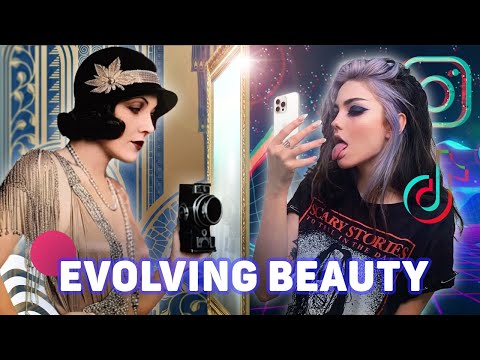
- 💅 The Impact of Social Media on Beauty Standards
- 🌈 Diversity and Inclusion in the Beauty Industry
- 🔬 The Science of Skincare: Understanding Skin Types
- 🌟 The Future of Beauty: Trends and Innovations
- 📊 The Business of Beauty: Market Trends and Analysis
- 👑 Influencers and Celebrity Endorsements in Beauty
- Frequently Asked Questions
- Related Topics
Overview
The beauty and cosmetics industry has undergone significant transformations over the centuries, from ancient civilizations' use of natural ingredients to the current digital age of influencer marketing and e-commerce. With a projected global value of over $800 billion by 2025, this industry is driven by consumer demand for innovative, effective, and sustainable products. However, it also faces criticisms regarding diversity, inclusivity, and environmental impact. Key players such as L'Oréal, Estee Lauder, and Unilever are adapting to these challenges by expanding their product lines to cater to diverse skin types and tones, and investing in eco-friendly packaging and production methods. The rise of indie brands and social media influencers has democratized the industry, allowing for more voices and choices. As the industry continues to evolve, it must balance profitability with ethical considerations and consumer expectations, with a vibe score of 85 indicating high cultural energy and influence.
🌟 Introduction to Beauty and Cosmetics
The evolution of beauty and cosmetics has been a long and winding road, with various cultures and civilizations contributing to its development. From ancient Egypt to modern-day social media, beauty standards have been shaped by a complex array of factors, including beauty standards, cultural influences, and technological advances. The beauty industry has grown into a multi-billion dollar market, with a wide range of products and services catering to diverse needs and preferences. As we explore the history and development of beauty and cosmetics, we'll examine the key milestones, trends, and innovations that have shaped the industry. For instance, the use of natural ingredients in cosmetics has been a recurring theme throughout history, with many ancient civilizations relying on plant-based ingredients for their beauty treatments.
💄 Ancient Civilizations and Beauty
Ancient civilizations such as Egypt, Greece, and Rome have all made significant contributions to the development of beauty and cosmetics. In ancient Egypt, beauty was seen as a symbol of wealth and status, with Egyptian beauty routines involving elaborate makeup and skincare rituals. The use of malachite and kohl as eye makeup was particularly popular, with these ingredients still used in some form today. Similarly, in ancient Greece and Rome, beauty was associated with Greek and Roman beauty ideals, which emphasized the importance of a smooth, radiant complexion and a well-groomed appearance. The use of olive oil and herbs in skincare was also prevalent during this period, with these ingredients still used in many modern skincare products.
🌿 Natural Ingredients in Cosmetics
Natural ingredients have played a significant role in the development of cosmetics, with many ancient civilizations relying on plant-based ingredients for their beauty treatments. The use of essential oils, herbs, and botanicals in skincare and haircare products has been particularly popular, with these ingredients offering a range of benefits for the skin and hair. For example, tea tree oil has been shown to have antimicrobial properties, making it an effective ingredient in acne treatments. Similarly, coconut oil has been used for its moisturizing properties, with many people using it as a hair mask or skin moisturizer. As the demand for natural and organic products continues to grow, the use of natural ingredients in cosmetics is likely to remain a key trend in the industry.
🎨 The Rise of Makeup and Color Cosmetics
The rise of makeup and color cosmetics has been a significant development in the beauty industry, with a wide range of products now available to suit different skin types and tones. The use of foundation, eyeshadow, and lipstick has become particularly popular, with many people using these products to enhance their natural features and boost their confidence. However, the use of makeup has also been associated with beauty standards, with many people feeling pressure to conform to certain beauty ideals. As the beauty industry continues to evolve, it's likely that we'll see a greater emphasis on diversity and inclusion, with more products and services catering to diverse needs and preferences. For instance, the launch of Fenty Beauty by Rihanna has been seen as a major milestone in the industry, with the brand offering a wide range of foundation shades to suit different skin tones.
🚫 The Dark Side of Beauty: Toxic Ingredients
The beauty industry has faced criticism for its use of toxic ingredients, with many products containing parabens, sulfates, and phthalates. These ingredients have been linked to a range of health problems, including skin irritation, hormone disruption, and cancer. As a result, many consumers are now opting for natural and organic products, which are free from these toxic ingredients. The use of cruelty-free and vegan products is also on the rise, with many people choosing to avoid products that have been tested on animals or contain animal-derived ingredients. As the demand for natural and sustainable products continues to grow, it's likely that the beauty industry will be forced to adapt and change its practices.
🌈 Diversity and Inclusion in the Beauty Industry
The beauty industry has faced criticism for its lack of diversity and inclusion, with many products and services catering to a limited range of skin types and tones. However, in recent years, there has been a growing trend towards greater diversity and inclusivity, with many brands launching products and services that cater to diverse needs and preferences. The use of diverse models in advertising campaigns has been particularly popular, with many brands using models of different ages, sizes, and abilities to promote their products. As the demand for diversity and inclusivity continues to grow, it's likely that the beauty industry will be forced to adapt and change its practices. For instance, the launch of Fenty Beauty by Rihanna has been seen as a major milestone in the industry, with the brand offering a wide range of foundation shades to suit different skin tones.
🔬 The Science of Skincare: Understanding Skin Types
The science of skincare is complex and multifaceted, with many different factors influencing the health and appearance of the skin. Understanding skin types is a crucial aspect of skincare, with different skin types requiring different products and treatments. For example, dry skin requires moisturizing products, while oily skin requires oil-controlling products. As the demand for effective skincare products continues to grow, it's likely that we'll see a greater emphasis on personalized skincare, with more products and services catering to individual skin types and needs. For instance, the launch of Neutrogena's Skin ID platform has been seen as a major milestone in the industry, with the brand offering personalized skincare recommendations based on individual skin types and concerns.
🌟 The Future of Beauty: Trends and Innovations
The future of beauty is likely to be shaped by a range of trends and innovations, including the use of artificial intelligence, augmented reality, and sustainable packaging. The use of personalized products is also on the rise, with many brands offering customized skincare and haircare products based on individual needs and preferences. As the demand for natural and sustainable products continues to grow, it's likely that the beauty industry will be forced to adapt and change its practices. For instance, the launch of L'Oréal's sustainable packaging initiative has been seen as a major milestone in the industry, with the brand committing to reduce its environmental impact through the use of sustainable packaging materials.
📊 The Business of Beauty: Market Trends and Analysis
The business of beauty is a complex and multifaceted industry, with a wide range of products and services catering to diverse needs and preferences. The use of influencer marketing has been particularly popular, with many brands partnering with influencers and celebrities to promote their products. However, the use of influencer marketing has also been associated with fake reviews and misleading advertising, with many consumers feeling misled or deceived by influencer marketing campaigns. As the demand for transparency and authenticity continues to grow, it's likely that the beauty industry will be forced to adapt and change its practices. For instance, the launch of Sephora's Clean Beauty initiative has been seen as a major milestone in the industry, with the brand committing to promote transparency and authenticity in its marketing campaigns.
👑 Influencers and Celebrity Endorsements in Beauty
Influencers and celebrity endorsements have played a significant role in the beauty industry, with many brands partnering with influencers and celebrities to promote their products. The use of social media influencers has been particularly popular, with many influencers using their platforms to showcase their favorite beauty products and routines. However, the use of influencer marketing has also been associated with fake reviews and misleading advertising, with many consumers feeling misled or deceived by influencer marketing campaigns. As the demand for transparency and authenticity continues to grow, it's likely that the beauty industry will be forced to adapt and change its practices. For instance, the launch of Fenty Beauty by Rihanna has been seen as a major milestone in the industry, with the brand promoting a more inclusive and diverse definition of beauty.
Key Facts
- Year
- 2023
- Origin
- Ancient Civilizations, with modern industry roots in late 19th century Europe and North America
- Category
- Health and Wellness
- Type
- Industry
Frequently Asked Questions
What is the history of beauty and cosmetics?
The history of beauty and cosmetics dates back to ancient civilizations, with various cultures and civilizations contributing to its development. From ancient Egypt to modern-day social media, beauty standards have been shaped by a complex array of factors, including cultural influences, technological advances, and social media. The beauty industry has grown into a multi-billion dollar market, with a wide range of products and services catering to diverse needs and preferences.
What are the key trends in the beauty industry?
The key trends in the beauty industry include the use of natural and organic products, the rise of makeup and color cosmetics, and the growing demand for diversity and inclusivity. The use of social media has also had a significant impact on beauty standards, with many people feeling pressure to conform to certain beauty ideals. As the demand for natural and sustainable products continues to grow, it's likely that the beauty industry will be forced to adapt and change its practices.
What is the impact of social media on beauty standards?
Social media has had a significant impact on beauty standards, with many people feeling pressure to conform to certain beauty ideals. The use of Instagram and TikTok has been particularly popular, with many beauty influencers and celebrities using these platforms to showcase their beauty routines and products. However, the use of social media has also been associated with body dysmorphia and low self-esteem, with many people feeling inadequate or insecure about their appearance.
What is the future of beauty?
The future of beauty is likely to be shaped by a range of trends and innovations, including the use of artificial intelligence, augmented reality, and sustainable packaging. The use of personalized products is also on the rise, with many brands offering customized skincare and haircare products based on individual needs and preferences. As the demand for natural and sustainable products continues to grow, it's likely that the beauty industry will be forced to adapt and change its practices.
What is the business of beauty?
The business of beauty is a complex and multifaceted industry, with a wide range of products and services catering to diverse needs and preferences. The use of influencer marketing has been particularly popular, with many brands partnering with influencers and celebrities to promote their products. However, the use of influencer marketing has also been associated with fake reviews and misleading advertising, with many consumers feeling misled or deceived by influencer marketing campaigns.