
Overview
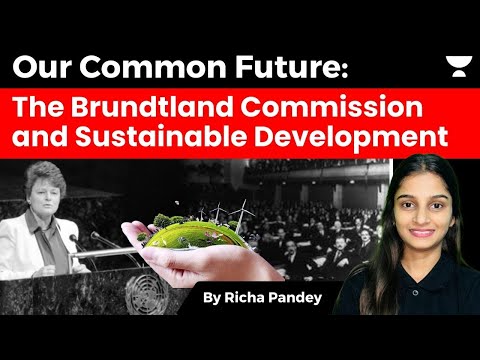
Established in 1983 by the United Nations, the Brundtland Commission, officially known as the World Commission on Environment and Development (WCED), was chaired by Gro Harlem Brundtland, the former Prime Minister of Norway. The commission's seminal report, 'Our Common Future,' published in 1987, introduced the concept of sustainable development, emphasizing the need to balance economic growth with environmental protection and social equity. This concept has since become a cornerstone of international environmental policy, influencing agreements such as the Rio Declaration and the Sustainable Development Goals (SDGs). The Brundtland Commission's work has been widely praised for its comprehensive approach to addressing global challenges, though critics argue that its recommendations have not been fully implemented. With a vibe score of 8, indicating significant cultural energy, the commission's legacy continues to shape global discussions on sustainability. As the world grapples with climate change, biodiversity loss, and social inequality, the Brundtland Commission's vision remains more relevant than ever, challenging future generations to adopt sustainable practices and ensure a livable planet.
Key Facts
- Year
- 1983
- Origin
- United Nations General Assembly
- Category
- Environmental Policy
- Type
- International Organization