
Contents
- 🌎 Introduction to Coffeehouses
- 📆 History of Coffeehouses
- 🍴 Evolution of Coffeehouse Menus
- 🎂 The Rise of Espresso Bars
- 🍵 Iced Coffee and Cold Drinks
- 🍞 Food in Coffeehouses
- 🍴 Doughnut Shops and Casual Coffee
- 🍹 Alcoholic Drinks in European Cafes
- 🚭 Shisha and Hookah in Coffeehouses
- 🌍 Globalization of Coffee Culture
- 👥 The Social Aspect of Coffeehouses
- 💡 The Future of Coffeehouses
- Frequently Asked Questions
- Related Topics
Overview
Coffeehouses have a rich history dating back to 17th-century England, where they served as intellectual hubs for philosophers, writers, and artists. The first coffeehouse, established by Pasqua Rosee in 1652, quickly gained popularity, with over 3,000 coffeehouses in London by the 18th century. Today, coffeehouses are a ubiquitous part of urban landscapes, with chains like Starbucks (founded in 1971) and independent shops like Cafe Grumpy (featured in HBO's Girls) offering a unique blend of culture, community, and high-quality coffee. With a vibe score of 82, coffeehouses continue to evolve, incorporating new technologies, sustainable practices, and innovative designs. As the coffeehouse industry continues to grow, with an estimated global market size of $81 billion by 2025, it's clear that these establishments are more than just a place to grab a cup of coffee. The influence of coffeehouses can be seen in the work of notable figures like Voltaire, who frequented Cafe Procope in Paris, and in the rise of coffeehouse chains like Blue Bottle Coffee, which has expanded to over 70 locations worldwide.
🌎 Introduction to Coffeehouses
The concept of a coffeehouse has been around for centuries, with the first recorded coffeehouse opening in Constantinople in 1552. These early coffeehouses served as gathering places for intellectuals and artists, where they could discuss politics, literature, and philosophy over a cup of coffee. Today, coffeehouses can be found in almost every city around the world, each with its own unique character and offerings. For example, Starbucks is a well-known coffee chain with a wide range of coffee drinks and food items. In contrast, independent coffee shops like Intelligentsia Coffee focus on serving high-quality, specialty coffee.
📆 History of Coffeehouses
The history of coffeehouses is a rich and fascinating one, with roots in Middle Eastern culture. The first coffeehouses in Europe were established in the 17th century, and quickly became popular gathering places for the intellectual and artistic communities. Over time, coffeehouses have evolved to reflect the changing tastes and preferences of their customers, with the introduction of new coffee drinks like latte and cappuccino. For more information on the history of coffee, visit the Coffee page.
🎂 The Rise of Espresso Bars
Espresso bars have become increasingly popular in recent years, with many coffeehouses now offering a variety of espresso-based drinks. These bars typically feature a range of espresso machines, including traditional manual machines and modern automatic ones. For example, La Marzocco is a well-known manufacturer of high-end espresso machines. In addition to espresso, many espresso bars also serve other coffee drinks, such as macchiato and cortado. The barista is a crucial part of the espresso bar experience, with many baristas competing in latte art competitions to showcase their skills.
🍵 Iced Coffee and Cold Drinks
Iced coffee and cold drinks have become a staple in many coffeehouses, particularly during the summer months. These drinks can range from simple iced coffee to more elaborate concoctions, such as cold brew coffee and coffee smoothies. Some coffeehouses, like The Coffee Bean & Tea Leaf, specialize in serving a variety of iced coffee drinks, while others, like Blue Bottle Coffee, focus on providing a high-quality, specialty coffee experience. The coffee bean is the foundation of all coffee drinks, with different roast levels and brewing methods affecting the final flavor and aroma.
🍞 Food in Coffeehouses
Food has become an integral part of the coffeehouse experience, with many establishments now offering a range of snacks and light meals. These can include everything from bread and pastries to sandwiches and salads. Some coffeehouses, like Panera Bread, specialize in serving healthy and nutritious food options, while others, like Einstein Bros. Bagels, focus on providing a quick and convenient breakfast experience. The food safety and handling practices of coffeehouses are also important considerations, with many establishments implementing strict protocols to ensure customer safety.
🍴 Doughnut Shops and Casual Coffee
Doughnut shops and casual coffee establishments have become increasingly popular in recent years, particularly in North America. These shops typically serve a variety of doughnuts and other sweet treats, along with coffee and other beverages. Some doughnut shops, like Krispy Kreme, have become well-known for their high-quality doughnuts and coffee, while others, like Tim Hortons, focus on providing a quick and convenient coffee and snack experience. The doughnut is a popular pastry that can be found in many coffeehouses and doughnut shops, with creative flavors and toppings adding to its appeal.
🍹 Alcoholic Drinks in European Cafes
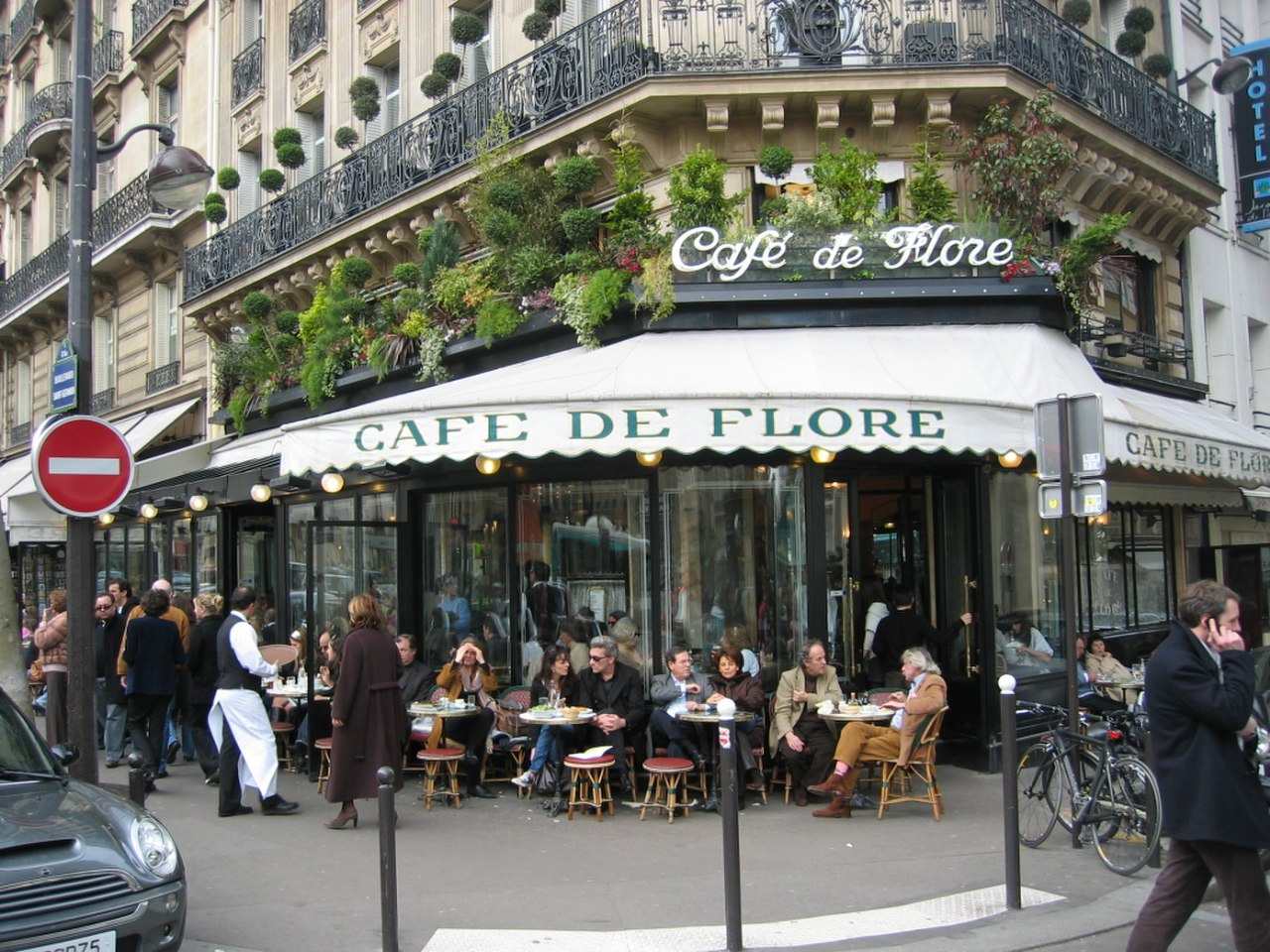
In continental Europe, some cafes have begun to serve alcoholic drinks, such as wine and beer, in addition to coffee and other beverages. This trend has been particularly popular in countries like France and Italy, where cafes have long been an integral part of the social scene. For example, Cafe de Flore in Paris is a famous cafe that serves a range of coffee drinks and alcoholic beverages. The wine and beer lists in these cafes are often carefully curated to complement the coffee and food offerings, with many establishments featuring local and regional specialties.
🚭 Shisha and Hookah in Coffeehouses
In West Asia, some coffeehouses have begun to offer flavored tobacco smoked through a hookah, also known as shisha or nargile. This trend has been particularly popular in countries like Turkey and Egypt, where hookah smoking has a long history. For example, Nargile is a popular hookah brand that offers a range of flavored tobacco products. The hookah is a traditional smoking device that has been used for centuries, with many coffeehouses now incorporating it into their offerings as a unique and exotic experience.
🌍 Globalization of Coffee Culture
The globalization of coffee culture has led to the spread of coffeehouses around the world, with many international chains and independent establishments now operating in countries like China and India. This trend has been driven in part by the growing demand for specialty coffee and the increasing popularity of coffee culture. For example, Costa Coffee is a well-known international coffee chain with a presence in many countries. The coffee culture of a region is shaped by its history, traditions, and values, with many coffeehouses reflecting the unique character of their local community.
💡 The Future of Coffeehouses
As the coffee industry continues to evolve, it will be interesting to see how coffeehouses adapt to changing consumer preferences and technological advancements. One trend that is likely to continue is the growth of specialty coffee and the increasing popularity of high-end coffee drinks. For example, Third Wave Coffee is a movement that emphasizes the importance of high-quality, specialty coffee. The coffee technology used in coffeehouses is also likely to continue evolving, with many establishments incorporating automated brewing systems and other innovative equipment into their operations.
Key Facts
- Year
- 1652
- Origin
- London, England
- Category
- Food and Culture
- Type
- Cultural Institution
Frequently Asked Questions
What is the origin of the coffeehouse?
The first recorded coffeehouse opened in Constantinople in 1552. These early coffeehouses served as gathering places for intellectuals and artists, where they could discuss politics, literature, and philosophy over a cup of coffee. Today, coffeehouses can be found in almost every city around the world, each with its own unique character and offerings. For more information on the history of coffee, visit the Coffee page.
What types of food are typically served in coffeehouses?
The menus in coffeehouses have undergone significant changes over the years. In addition to traditional coffee drinks, many coffeehouses now offer a variety of food items, such as sandwiches, muffins, and pastries. Some coffeehouses, like Peet's Coffee, specialize in serving high-quality coffee and tea, while others, like Dunkin' Donuts, focus on providing a quick and convenient coffee and snack experience.
What is the difference between an espresso bar and a coffeehouse?
Espresso bars have become increasingly popular in recent years, with many coffeehouses now offering a variety of espresso-based drinks. These bars typically feature a range of espresso machines, including traditional manual machines and modern automatic ones. In contrast, coffeehouses often serve a wider range of coffee drinks, including drip coffee, pour-overs, and cold brew. The barista is a crucial part of the espresso bar experience, with many baristas competing in latte art competitions to showcase their skills.
What is the significance of coffee culture in different regions?
The coffee culture of a region is shaped by its history, traditions, and values, with many coffeehouses reflecting the unique character of their local community. For example, in Europe, coffee culture is often associated with intellectual and artistic pursuits, while in North America, it is often linked to a quick and convenient coffee and snack experience. The coffee culture of a region is an important aspect of its identity and heritage, with many coffeehouses playing a vital role in preserving and promoting local traditions.
How has the coffee industry evolved in recent years?
The coffee industry has undergone significant changes in recent years, driven in part by the growing demand for specialty coffee and the increasing popularity of coffee culture. One trend that is likely to continue is the growth of specialty coffee and the increasing popularity of high-end coffee drinks. For example, Third Wave Coffee is a movement that emphasizes the importance of high-quality, specialty coffee. The coffee technology used in coffeehouses is also likely to continue evolving, with many establishments incorporating automated brewing systems and other innovative equipment into their operations.
What is the future of coffeehouses?
As the coffee industry continues to evolve, it will be interesting to see how coffeehouses adapt to changing consumer preferences and technological advancements. One trend that is likely to continue is the growth of specialty coffee and the increasing popularity of high-end coffee drinks. The coffee technology used in coffeehouses is also likely to continue evolving, with many establishments incorporating automated brewing systems and other innovative equipment into their operations. The sustainability of coffee production and consumption is also an important consideration, with many coffeehouses prioritizing environmentally friendly practices and sourcing high-quality, sustainable coffee beans.
How have coffeehouses impacted local communities?
Coffeehouses have had a significant impact on local communities, serving as gathering places for friends, colleagues, and community groups. Many coffeehouses have also become important hubs for local artists, musicians, and writers, providing a platform for creative expression and community engagement. The community aspect of coffeehouses is an important part of their appeal, with many establishments prioritizing local sourcing, sustainability, and social responsibility. For example, Fair Trade coffee is a certification that ensures coffee farmers receive fair prices for their beans, promoting sustainable and equitable trade practices.