
Contents
- 🌾 Introduction to Corn
- 🌿 History of Maize Domestication
- 🌻 The Three Sisters Polyculture
- 🌟 Corn in Modern Agriculture
- 🌎 Global Corn Production
- 📊 Economic Impact of Corn
- 🍴 Culinary Uses of Corn
- 🌟 Corn in Food Security
- 🌎 Environmental Concerns
- 🔬 Genetic Modification and Corn
- 🌟 Future of Corn Production
- Frequently Asked Questions
- Related Topics
Overview
Corn, or maize, has been a cornerstone of human civilization for over 9,000 years, with its origins tracing back to ancient Mesoamerica around 7,000 BCE. Today, it is the most widely grown grain crop globally, with over 1 billion metric tons produced annually, according to the Food and Agriculture Organization (FAO) of the United Nations. The crop's versatility, from food to biofuel, has made it a critical component of modern industrial agriculture, with the United States, China, and Brazil being the top producers. However, corn's dominance has also raised concerns about water usage, pesticide application, and the loss of biodiversity, with some arguing it contributes to environmental degradation and public health issues. The controversy surrounding corn's impact is reflected in its vibe score of 60, indicating a moderate level of cultural energy. As the global population continues to grow, the future of corn production will be shaped by technological innovations, sustainability efforts, and shifting consumer preferences, with companies like Monsanto and Cargill playing significant roles in the industry. By 2025, the global corn market is projected to reach $160 billion, with the Asia-Pacific region driving much of the growth. As we look to the future, one question looms: can corn be produced in a way that balances human needs with environmental stewardship, and what will be the impact of emerging technologies like precision agriculture and vertical farming on the industry?
🌾 Introduction to Corn
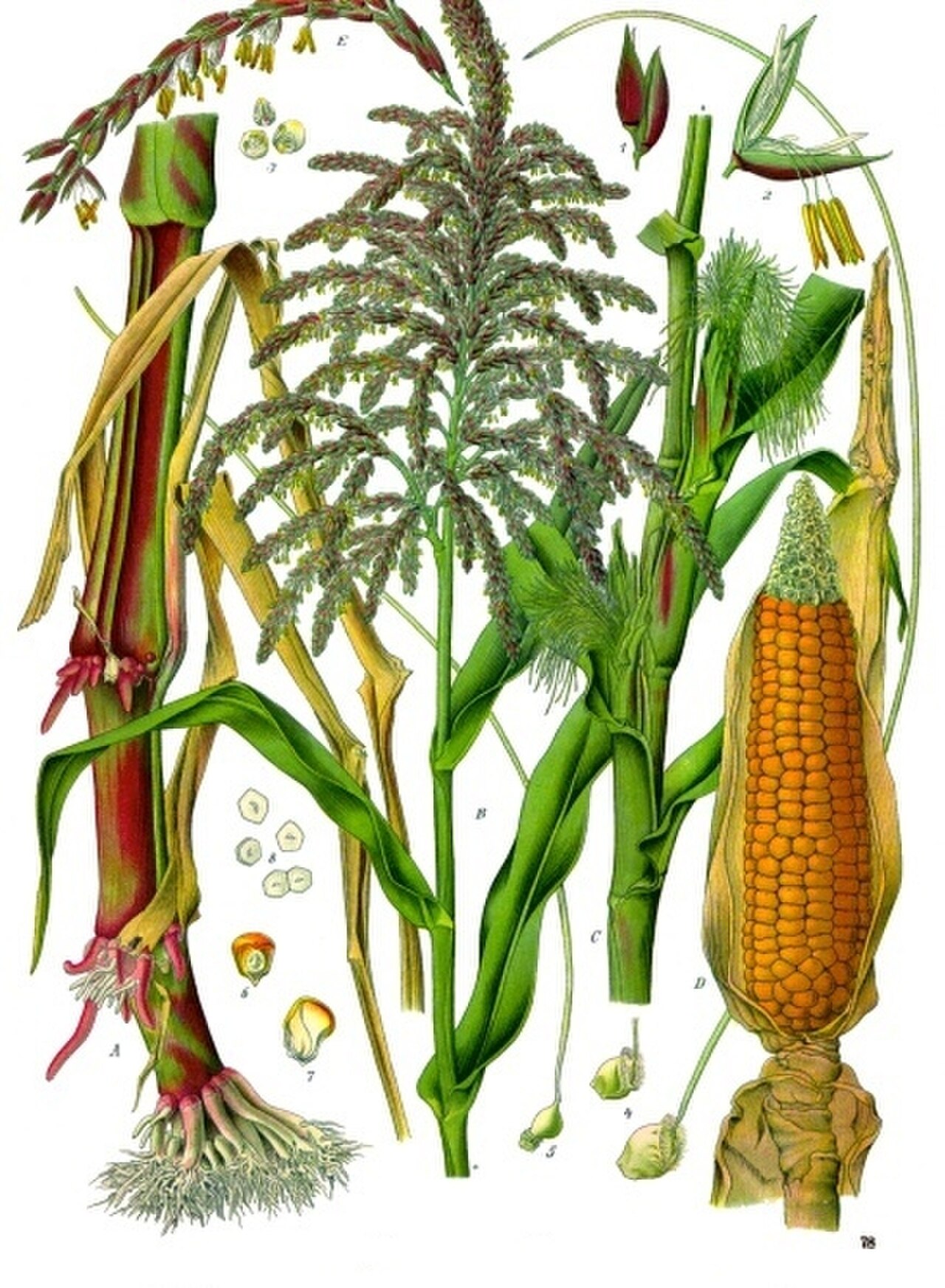
Corn, also known as maize, is a staple crop that has been a cornerstone of global agriculture for thousands of years. With its origins in southern Mexico, corn was first domesticated by indigenous peoples about 9,000 years ago from wild teosinte. Today, corn is a vital part of modern agriculture, with the United States, China, and Brazil being among the top producers. The history of agriculture is closely tied to the development of corn, and its impact can be seen in the way we produce and consume food. For example, the Green Revolution led to significant increases in corn yields, making it possible to feed a growing global population. However, this has also led to concerns about the environmental impact of agriculture.
🌿 History of Maize Domestication
The domestication of maize is a fascinating story that involves the selective breeding of wild teosinte by indigenous peoples. Over time, these early farmers were able to transform the plant into the corn we know today, with its characteristic ears and kernels. The process of domestication was likely driven by the need for a reliable source of food, and corn quickly became a staple crop in many Native American cultures. The indigenous peoples of the Americas developed a sophisticated understanding of corn and its role in their ecosystems, and their knowledge and practices continue to influence modern agriculture. For example, the Three Sisters method of planting corn, beans, and squash together is still used today, and has been shown to improve soil health and reduce the need for fertilizers and pesticides.
🌻 The Three Sisters Polyculture
The Three Sisters polyculture is a traditional farming practice that involves planting corn, beans, and squash together. This method was developed by Native American farmers, who recognized the benefits of planting these crops together. The corn provides a structure for the beans to climb, while the beans fix nitrogen in the soil, and the squash spreads out to shade the soil and prevent weeds. This symbiotic relationship between the three crops allows for a more diverse and resilient ecosystem, and has been shown to improve soil health and reduce the need for fertilizers and pesticides. The Three Sisters method is an example of a regenerative agriculture practice, which prioritizes soil health and biodiversity. By adopting this approach, farmers can reduce their environmental impact and improve the sustainability of their operations.
🌟 Corn in Modern Agriculture
In modern agriculture, corn is a highly commercialized crop that is used for a variety of purposes, including food, feed, and fuel. The development of hybrid corn varieties has led to significant increases in yields, making it possible to produce more corn with fewer resources. However, this has also led to concerns about the genetic modification of crops, and the potential impact on the environment and human health. The Monsanto Company has been at the forefront of this debate, with its development of genetically modified corn varieties that are resistant to certain pests and diseases. However, critics argue that these varieties have not been adequately tested, and may have unintended consequences for the environment and human health.
🌎 Global Corn Production
Global corn production is a significant industry, with over 1 billion metric tons of corn produced annually. The United States, China, and Brazil are among the top producers, and the crop is used for a variety of purposes, including food, feed, and fuel. The global food system relies heavily on corn, and the crop plays a critical role in the production of many foods, including meat, dairy, and processed snacks. However, the production of corn also has significant environmental impacts, including the use of water and fertilizers, and the potential for soil erosion and degradation. The water footprint of agriculture is a significant concern, and the production of corn is a major contributor to this problem.
📊 Economic Impact of Corn
The economic impact of corn is significant, with the crop generating billions of dollars in revenue each year. The corn market is highly volatile, and prices can fluctuate significantly depending on a variety of factors, including weather, pests, and diseases. The economics of agriculture are complex, and the production of corn is influenced by a wide range of factors, including government policies, trade agreements, and consumer demand. For example, the Farm Bill in the United States provides significant subsidies to corn farmers, which can influence the price of corn and the overall profitability of the industry.
🍴 Culinary Uses of Corn
Corn is a versatile crop that is used in a wide range of culinary applications, from traditional dishes like tortillas and tamales to modern snacks like corn chips and popcorn. The culinary uses of corn are diverse, and the crop is an important ingredient in many cuisines around the world. In addition to its use as a food ingredient, corn is also used as a source of biofuels, and is being explored as a potential source of biodegradable plastics. The sustainability of food systems is a critical issue, and the production and consumption of corn play a significant role in this debate.
🌟 Corn in Food Security
Corn is a critical component of food security, particularly in developing countries where it is a staple crop. The food security of a nation is closely tied to its ability to produce and distribute food, and corn is a key crop in this regard. However, the production of corn is also influenced by a wide range of factors, including climate change, pests, and diseases, which can impact yields and availability. The climate change impact on agriculture is a significant concern, and the production of corn is likely to be affected by changes in temperature and precipitation patterns.
🌎 Environmental Concerns
The environmental concerns surrounding corn production are significant, and include the use of water and fertilizers, as well as the potential for soil erosion and degradation. The environmental impact of agriculture is a critical issue, and the production of corn is a major contributor to this problem. In addition, the use of genetically modified corn varieties has raised concerns about the potential impact on non-target species and ecosystems. The biodiversity of ecosystems is critical to the health and resilience of ecosystems, and the production of corn must be managed in a way that minimizes its impact on the environment.
🔬 Genetic Modification and Corn
The genetic modification of corn is a highly debated topic, with proponents arguing that it can improve yields and reduce the use of pesticides and fertilizers. However, critics argue that the long-term impacts of genetic modification are not well understood, and that the technology may have unintended consequences for the environment and human health. The genetic modification debate is complex, and the production of genetically modified corn is influenced by a wide range of factors, including government policies, consumer demand, and the development of new technologies. For example, the CRISPR gene editing technology has the potential to revolutionize the production of genetically modified crops, but its use is still in the early stages of development.
🌟 Future of Corn Production
The future of corn production is uncertain, and will be influenced by a wide range of factors, including climate change, technological innovation, and consumer demand. The sustainability of agriculture is a critical issue, and the production of corn must be managed in a way that minimizes its impact on the environment and promotes social equity. The regenerative agriculture movement is gaining momentum, and the production of corn is likely to play a critical role in this movement. By adopting regenerative agriculture practices, farmers can improve soil health, reduce the use of fertilizers and pesticides, and promote biodiversity.
Key Facts
- Year
- 2023
- Origin
- Mesoamerica, circa 7,000 BCE
- Category
- Agriculture, Food, and Environment
- Type
- Crop
Frequently Asked Questions
What is the history of corn domestication?
Corn was domesticated by indigenous peoples in southern Mexico about 9,000 years ago from wild teosinte. The process of domestication was likely driven by the need for a reliable source of food, and corn quickly became a staple crop in many Native American cultures. The indigenous peoples of the Americas developed a sophisticated understanding of corn and its role in their ecosystems, and their knowledge and practices continue to influence modern agriculture.
What are the environmental concerns surrounding corn production?
The environmental concerns surrounding corn production are significant, and include the use of water and fertilizers, as well as the potential for soil erosion and degradation. The environmental impact of agriculture is a critical issue, and the production of corn is a major contributor to this problem. In addition, the use of genetically modified corn varieties has raised concerns about the potential impact on non-target species and ecosystems.
What is the role of corn in food security?
Corn is a critical component of food security, particularly in developing countries where it is a staple crop. The food security of a nation is closely tied to its ability to produce and distribute food, and corn is a key crop in this regard. However, the production of corn is also influenced by a wide range of factors, including climate change, pests, and diseases, which can impact yields and availability.
What is the genetic modification debate surrounding corn?
The genetic modification debate surrounding corn is complex, and involves a wide range of factors, including government policies, consumer demand, and the development of new technologies. Proponents of genetic modification argue that it can improve yields and reduce the use of pesticides and fertilizers, while critics argue that the long-term impacts of genetic modification are not well understood, and that the technology may have unintended consequences for the environment and human health.
What is the future of corn production?
The future of corn production is uncertain, and will be influenced by a wide range of factors, including climate change, technological innovation, and consumer demand. The sustainability of agriculture is a critical issue, and the production of corn must be managed in a way that minimizes its impact on the environment and promotes social equity. The regenerative agriculture movement is gaining momentum, and the production of corn is likely to play a critical role in this movement.