
Contents
- 🍴 Introduction to Curry
- 🌶 History of Curry
- 🍜 Types of Curry
- 🌎 Global Influence on Curry
- 👨🍳 Curry in Indian Cuisine
- 🍲 Curry in Southeast Asian Cuisine
- 🍜 Curry in East Asian Cuisine
- 🤝 Internationalization of Curry
- 📊 Economic Impact of Curry
- 👥 Cultural Significance of Curry
- 📚 Future of Curry
- Frequently Asked Questions
- Related Topics
Overview
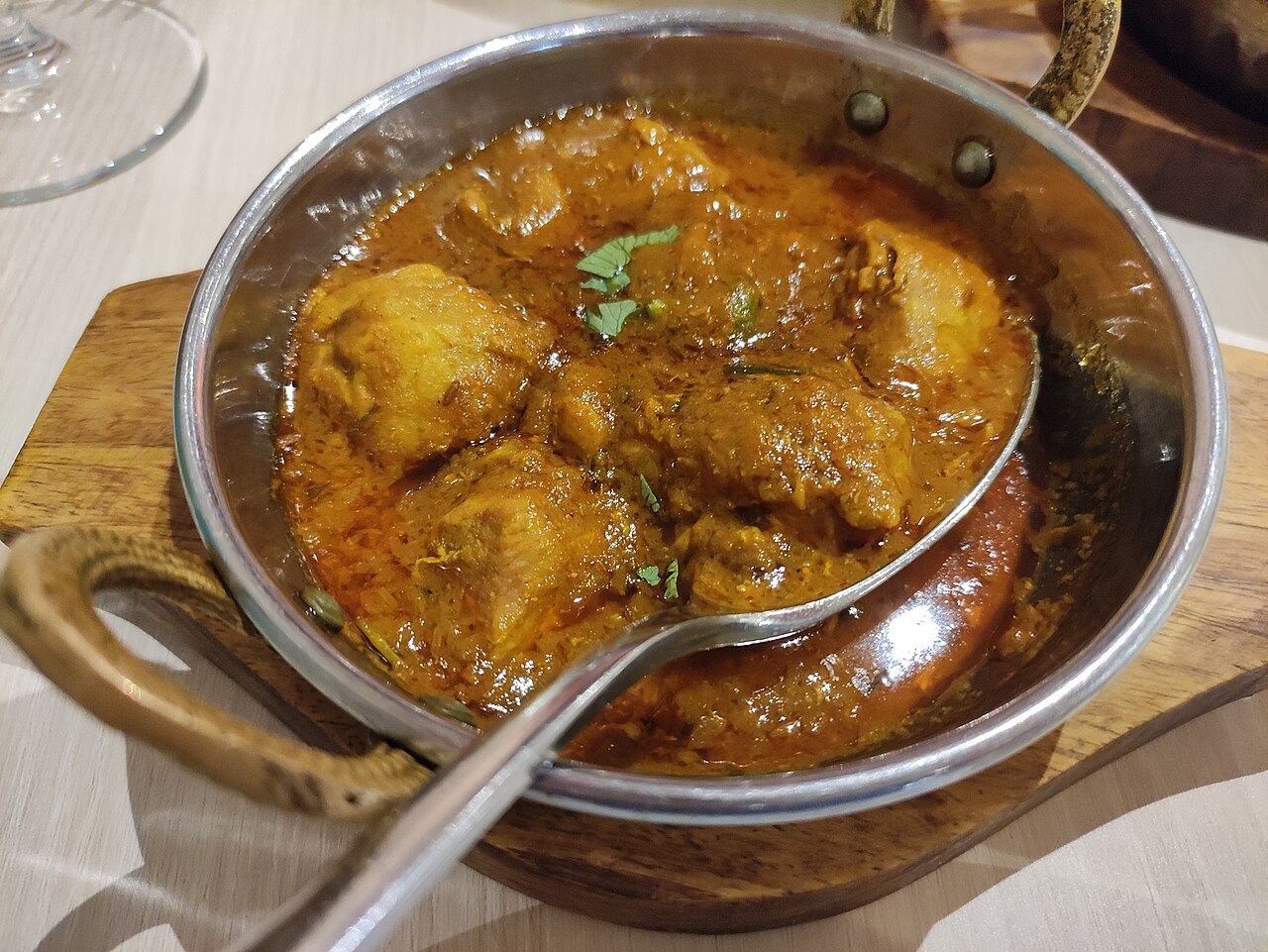
Curry is a dish with a spicy sauce, initially in Indian cuisine, then modified by interchange with the Portuguese, followed by the British, and eventually thoroughly internationalised. Many curries are found in the cuisines of countries in Southeast Asia and East Asia. The origins of curry are complex and multifaceted, with various spice trade routes and cultural exchanges contributing to its development. Today, curry is a staple in many cuisines around the world, with each region adding its unique twist and flavor profile. For example, Thai cuisine is known for its spicy and sour curries, while Japanese cuisine has its own version of curry, known as Japanese curry.
🌶 History of Curry
The history of curry dates back thousands of years, with evidence of curry-like dishes found in ancient Indian Empire and China. The word 'curry' is derived from the Tamil language word 'kari', meaning 'sauce' or 'relish'. Over time, curry spread throughout Asia and eventually to other parts of the world, with each region adapting and modifying the dish to suit its local tastes and ingredients. The Portuguese Empire, for example, played a significant role in introducing curry to Europe and other parts of the world. Today, curry is a popular dish in many European cuisines, including British cuisine and French cuisine.
🍜 Types of Curry
There are many types of curry, each with its unique flavor profile and ingredients. Some popular types of curry include chicken tikka masala, beef madras, and palak paneer. Curry can be made with a variety of ingredients, including coconut milk, yogurt, and spices such as turmeric, cumin, and coriander. The type of curry used can also vary, with some curries being mild and others being hot. For example, vindaloo is a popular Indian curry dish that is known for its spicy and sour flavor profile.
🌎 Global Influence on Curry
Curry has had a significant impact on global cuisine, with many countries adopting and modifying the dish to suit their local tastes and ingredients. In Southeast Asia, for example, curry is a staple in many cuisines, including Thai cuisine, Malaysian cuisine, and Indonesian cuisine. In East Asia, curry is also popular, with Japanese cuisine and Korean cuisine having their own versions of curry. The globalization of curry has also led to the creation of new and innovative curry dishes, such as currywurst and curry pizza.
👨🍳 Curry in Indian Cuisine
In Indian cuisine, curry is a staple dish that is made with a variety of ingredients, including spices, herbs, and vegetables. Indian curry is known for its rich and complex flavor profile, with many different types of curry being made in different regions of the country. Some popular types of Indian curry include chicken tikka masala, palak paneer, and saag paneer. Indian curry is often served with rice or naan bread, and is a popular dish in many Indian restaurants around the world.
🍲 Curry in Southeast Asian Cuisine
In Southeast Asia, curry is a popular dish that is made with a variety of ingredients, including coconut milk, fish sauce, and lime juice. Southeast Asian curry is known for its spicy and sour flavor profile, with many different types of curry being made in different countries. Some popular types of Southeast Asian curry include Thai red curry, Thai green curry, and Malaysian curry. Southeast Asian curry is often served with rice or noodles, and is a popular dish in many Southeast Asian restaurants around the world.
🍜 Curry in East Asian Cuisine
In East Asia, curry is a popular dish that is made with a variety of ingredients, including soy sauce, ginger, and garlic. East Asian curry is known for its rich and savory flavor profile, with many different types of curry being made in different countries. Some popular types of East Asian curry include Japanese curry, Korean curry, and Chinese curry. East Asian curry is often served with rice or noodles, and is a popular dish in many East Asian restaurants around the world.
🤝 Internationalization of Curry
The internationalization of curry has led to the creation of new and innovative curry dishes, such as currywurst and curry pizza. Curry has also become a popular ingredient in many Western cuisines, with many restaurants and food trucks serving curry-based dishes. The globalization of curry has also led to the increased availability of curry ingredients, such as curry powder and coconut milk, in many parts of the world.
📊 Economic Impact of Curry
The economic impact of curry is significant, with the global curry market estimated to be worth billions of dollars. The curry industry provides employment opportunities for millions of people around the world, from farmers who grow curry ingredients to chefs who cook curry dishes. The curry industry also generates significant revenue for many countries, with India and Thailand being two of the largest exporters of curry ingredients. The economic impact of curry is also felt in many local communities, with curry being a staple dish in many restaurants and food trucks.
👥 Cultural Significance of Curry
The cultural significance of curry is also significant, with curry being a staple dish in many cuisines around the world. Curry is often served at special occasions, such as weddings and holidays, and is a popular dish in many restaurants and food trucks. The cultural significance of curry is also reflected in its role in shaping the culinary identity of many countries, with curry being a key ingredient in many national dishes. For example, chicken tikka masala is a popular British cuisine dish that is made with curry, and is often referred to as the national dish of the United Kingdom.
📚 Future of Curry
The future of curry is exciting, with many new and innovative curry dishes being created around the world. The globalization of curry has led to the increased availability of curry ingredients, and the rise of social media has made it easier for people to share and discover new curry recipes. The future of curry also holds many opportunities for entrepreneurs and chefs who are looking to create new and innovative curry-based businesses. With its rich and complex flavor profile, and its cultural significance in many cuisines around the world, curry is sure to remain a popular dish for many years to come.
Key Facts
- Category
- topic
- Type
- topic
Frequently Asked Questions
What is curry?
Curry is a dish with a spicy sauce, initially in Indian cuisine, then modified by interchange with the Portuguese, followed by the British, and eventually thoroughly internationalised. Curry is made with a variety of ingredients, including spices, herbs, and vegetables.
Where did curry originate?
The origins of curry are complex and multifaceted, with various spice trade routes and cultural exchanges contributing to its development. Curry is believed to have originated in India, where it has been a staple dish for thousands of years.
What are the different types of curry?
There are many different types of curry, each with its unique flavor profile and ingredients. Some popular types of curry include chicken tikka masala, beef madras, and palak paneer. Curry can be made with a variety of ingredients, including coconut milk, yogurt, and spices such as turmeric, cumin, and coriander.
How has curry impacted global cuisine?
Curry has had a significant impact on global cuisine, with many countries adopting and modifying the dish to suit their local tastes and ingredients. Curry has become a staple dish in many cuisines around the world, and has been adapted and modified to suit local tastes and ingredients.
What is the cultural significance of curry?
The cultural significance of curry is significant, with curry being a staple dish in many cuisines around the world. Curry is often served at special occasions, such as weddings and holidays, and is a popular dish in many restaurants and food trucks. The cultural significance of curry is also reflected in its role in shaping the culinary identity of many countries.
What is the future of curry?
The future of curry is exciting, with many new and innovative curry dishes being created around the world. The globalization of curry has led to the increased availability of curry ingredients, and the rise of social media has made it easier for people to share and discover new curry recipes.