
Contents
- 👨🏫 Introduction to Daniel Dennett
- 💡 Philosophy of Mind: Dennett's Core Ideas
- 🔬 Philosophy of Science: Dennett's Approach
- 🧬 Philosophy of Biology: Evolutionary Perspectives
- 🤖 Cognitive Science: The Intersection with Philosophy
- 📚 Influences and Critiques: Dennett's Intellectual Context
- 🌐 Influence on Contemporary Thought: Dennett's Legacy
- 📝 Notable Works: A Look at Dennett's Publications
- 👥 Relationships and Debates: Dennett's Interactions with Other Thinkers
- 💬 Controversies and Criticisms: Dennett's Views on Free Will
- 🔮 Future Directions: Dennett's Impact on Emerging Fields
- 📊 Conclusion: Dennett's Enduring Contributions
- Frequently Asked Questions
- Related Topics
Overview
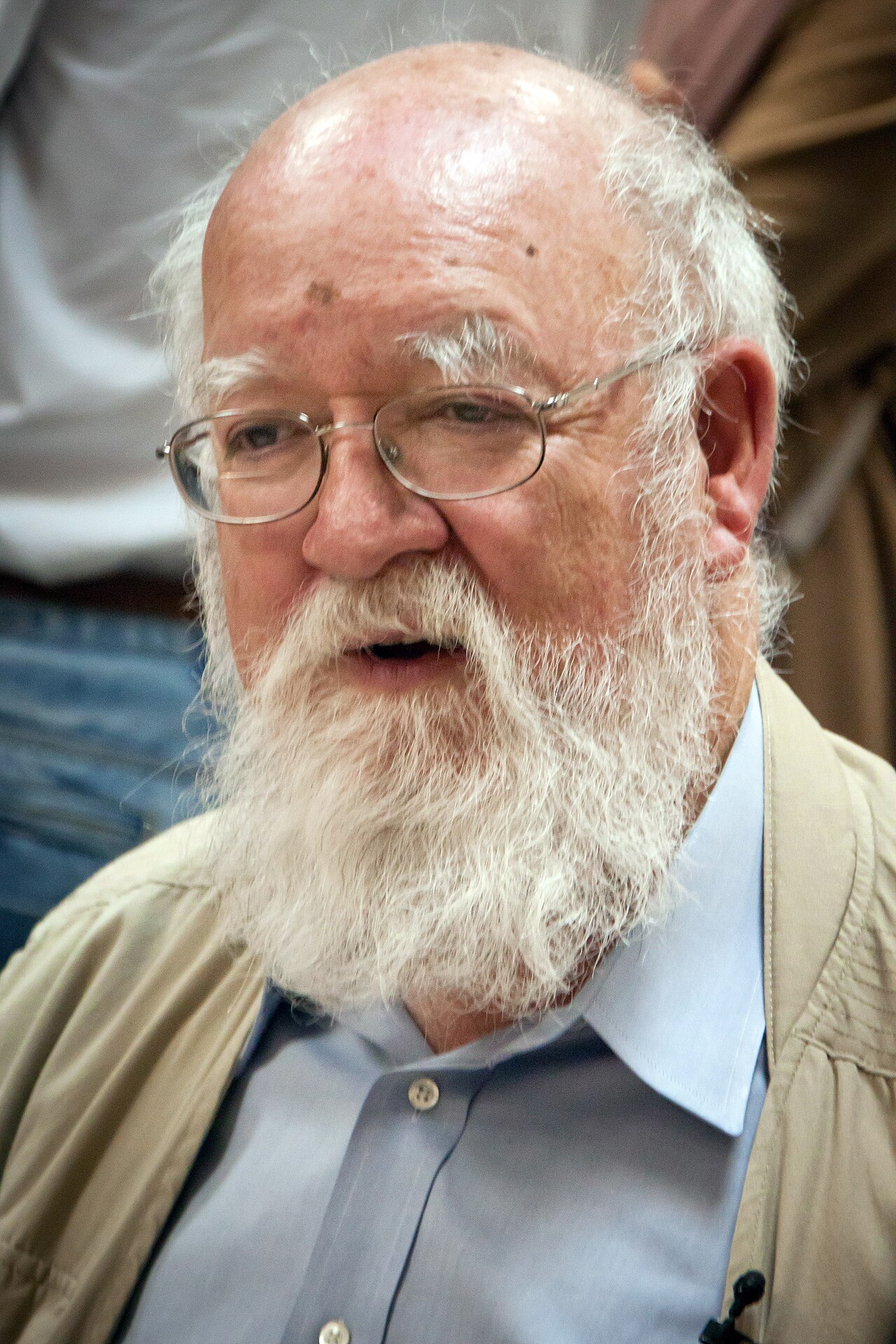
Daniel Dennett is a prominent American philosopher and cognitive scientist known for his work on the philosophy of mind, free will, and the nature of consciousness. With a career spanning over five decades, Dennett has written extensively on topics such as evolutionary biology, artificial intelligence, and the relationship between science and religion. His influential books, including 'Consciousness Explained' (1991) and 'Darwin's Dangerous Idea' (1995), have sparked intense debates and discussions in academic and popular circles. As a vocal critic of religious dogma and a proponent of scientific inquiry, Dennett has been a key figure in the New Atheist movement, alongside thinkers like Richard Dawkins and Sam Harris. With a Vibe score of 8, Dennett's work continues to resonate with a wide audience, from scholars to science enthusiasts. As we look to the future, Dennett's ideas will likely remain at the forefront of discussions on the intersection of philosophy, science, and culture, raising important questions about the role of human agency in an increasingly complex world.
👨🏫 Introduction to Daniel Dennett
Daniel Dennett is a prominent figure in the realm of Philosophy, known for his work in Philosophy of Mind, Philosophy of Science, and Philosophy of Biology. His research has been instrumental in shaping our understanding of the human mind and its relationship to the natural world. As a Cognitive Scientist, Dennett has explored the intersection of philosophy and science, providing valuable insights into the workings of the human brain. His ideas have been influenced by Charles Darwin and Alan Turing, among others. Dennett's work has also been shaped by his interactions with other prominent thinkers, including Richard Dawkins and Stephen Jay Gould.
💡 Philosophy of Mind: Dennett's Core Ideas
Dennett's philosophy of mind is centered around the concept of Eliminativism, which argues that certain mental states, such as Qualia, do not exist. He has also explored the idea of Intentional Systems, which posits that mental states can be understood in terms of their functional properties. Dennett's work in this area has been influenced by William James and Bertrand Russell. His ideas have been subject to various critiques, including those from John Searle and David Chalmers. Dennett's philosophy of mind has also been shaped by his interest in Evolutionary Biology and Cognitive Science.
🔬 Philosophy of Science: Dennett's Approach
Dennett's approach to the philosophy of science is characterized by his emphasis on Naturalism and Empiricism. He has argued that scientific theories should be evaluated based on their ability to explain and predict natural phenomena. Dennett has also explored the relationship between science and Philosophy, arguing that the two disciplines are intimately connected. His work in this area has been influenced by Karl Popper and Thomas Kuhn. Dennett's ideas have been subject to various critiques, including those from Paul Feyerabend and Imre Lakatos. Dennett's philosophy of science has also been shaped by his interest in Evolutionary Biology and Cognitive Science.
🧬 Philosophy of Biology: Evolutionary Perspectives
Dennett's work in the philosophy of biology has focused on the relationship between Evolutionary Theory and Cognitive Science. He has argued that evolutionary theory provides a framework for understanding the development of complex cognitive systems. Dennett has also explored the concept of Memetics, which posits that cultural evolution can be understood in terms of the transmission of memes. His ideas have been influenced by Richard Dawkins and Stephen Jay Gould. Dennett's work in this area has been subject to various critiques, including those from Stephen Rose and Leonard Levin. Dennett's philosophy of biology has also been shaped by his interest in Philosophy of Mind and Cognitive Science.
🤖 Cognitive Science: The Intersection with Philosophy
The intersection of philosophy and cognitive science is a key area of research for Dennett. He has explored the concept of Cognitive Architectures, which posits that mental states can be understood in terms of their computational properties. Dennett has also argued that cognitive science provides a framework for understanding the nature of Consciousness. His ideas have been influenced by Alan Turing and Marvin Minsky. Dennett's work in this area has been subject to various critiques, including those from David Chalmers and John Searle. Dennett's cognitive science has also been shaped by his interest in Philosophy of Mind and Evolutionary Biology.
📚 Influences and Critiques: Dennett's Intellectual Context
Dennett's intellectual context is characterized by his interactions with other prominent thinkers in the fields of Philosophy, Cognitive Science, and Evolutionary Biology. He has been influenced by Charles Darwin, Alan Turing, and Bertrand Russell, among others. Dennett's ideas have been subject to various critiques, including those from John Searle, David Chalmers, and Stephen Rose. Dennett's work has also been shaped by his interest in Philosophy of Mind, Philosophy of Science, and Cognitive Science.
🌐 Influence on Contemporary Thought: Dennett's Legacy
Dennett's legacy can be seen in his influence on contemporary thought in the fields of Philosophy, Cognitive Science, and Evolutionary Biology. His ideas have been taken up by thinkers such as Richard Dawkins and Stephen Jay Gould. Dennett's work has also been subject to various critiques, including those from John Searle and David Chalmers. Dennett's influence can be seen in his impact on the development of Memetics and Cognitive Architectures.
📝 Notable Works: A Look at Dennett's Publications
Dennett's publications include Consciousness Explained, Darwin's Dangerous Idea, and Freedom Evolves. These works provide a comprehensive overview of Dennett's ideas on Philosophy of Mind, Philosophy of Science, and Evolutionary Biology. Dennett's writing style is characterized by his use of Thought Experiments and Analogies to explain complex concepts. His ideas have been subject to various critiques, including those from John Searle and David Chalmers.
👥 Relationships and Debates: Dennett's Interactions with Other Thinkers
Dennett's interactions with other thinkers have been instrumental in shaping his ideas. He has been influenced by Charles Darwin, Alan Turing, and Bertrand Russell, among others. Dennett's ideas have been subject to various critiques, including those from John Searle, David Chalmers, and Stephen Rose. Dennett's work has also been shaped by his interest in Philosophy of Mind, Philosophy of Science, and Cognitive Science.
💬 Controversies and Criticisms: Dennett's Views on Free Will
Dennett's views on Free Will have been subject to controversy and criticism. He has argued that free will is an Illusion created by our brains. Dennett's ideas have been influenced by Determinism and Compatibilism. His views have been subject to critiques from John Searle and David Chalmers. Dennett's work on free will has also been shaped by his interest in Philosophy of Mind and Cognitive Science.
🔮 Future Directions: Dennett's Impact on Emerging Fields
Dennett's impact on emerging fields such as Artificial Intelligence and Neuroscience is significant. His ideas on Cognitive Architectures and Memetics have influenced the development of these fields. Dennett's work has also been subject to various critiques, including those from John Searle and David Chalmers. Dennett's influence can be seen in his impact on the development of Cognitive Science and Evolutionary Biology.
📊 Conclusion: Dennett's Enduring Contributions
In conclusion, Dennett's contributions to the fields of Philosophy, Cognitive Science, and Evolutionary Biology are significant. His ideas on Philosophy of Mind, Philosophy of Science, and Cognitive Science have been influential in shaping our understanding of the human mind and its relationship to the natural world. Dennett's work has been subject to various critiques, but his influence on contemporary thought is undeniable.
Key Facts
- Year
- 1942
- Origin
- Boston, Massachusetts, USA
- Category
- Philosophy
- Type
- Person
Frequently Asked Questions
What is Daniel Dennett's philosophy of mind?
Dennett's philosophy of mind is centered around the concept of Eliminativism, which argues that certain mental states, such as Qualia, do not exist. He has also explored the idea of Intentional Systems, which posits that mental states can be understood in terms of their functional properties. Dennett's work in this area has been influenced by William James and Bertrand Russell.
What is Dennett's approach to the philosophy of science?
Dennett's approach to the philosophy of science is characterized by his emphasis on Naturalism and Empiricism. He has argued that scientific theories should be evaluated based on their ability to explain and predict natural phenomena. Dennett has also explored the relationship between science and Philosophy, arguing that the two disciplines are intimately connected.
What is Dennett's work in the philosophy of biology?
Dennett's work in the philosophy of biology has focused on the relationship between Evolutionary Theory and Cognitive Science. He has argued that evolutionary theory provides a framework for understanding the development of complex cognitive systems. Dennett has also explored the concept of Memetics, which posits that cultural evolution can be understood in terms of the transmission of memes.
What is Dennett's influence on contemporary thought?
Dennett's influence on contemporary thought can be seen in his impact on the development of Memetics and Cognitive Architectures. His ideas have been taken up by thinkers such as Richard Dawkins and Stephen Jay Gould. Dennett's work has also been subject to various critiques, but his influence on contemporary thought is undeniable.
What are Dennett's views on free will?
Dennett's views on Free Will have been subject to controversy and criticism. He has argued that free will is an Illusion created by our brains. Dennett's ideas have been influenced by Determinism and Compatibilism. His views have been subject to critiques from John Searle and David Chalmers.
What is Dennett's impact on emerging fields?
Dennett's impact on emerging fields such as Artificial Intelligence and Neuroscience is significant. His ideas on Cognitive Architectures and Memetics have influenced the development of these fields. Dennett's work has also been subject to various critiques, but his influence on emerging fields is undeniable.
What are Dennett's notable works?
Dennett's notable works include Consciousness Explained, Darwin's Dangerous Idea, and Freedom Evolves. These works provide a comprehensive overview of Dennett's ideas on Philosophy of Mind, Philosophy of Science, and Evolutionary Biology.