
Contents
- 📚 Introduction to Deconstruction
- 👥 Key Figures in Deconstruction
- 📖 Deconstruction in Literary Theory
- 🤔 The Philosophy of Deconstruction
- 📝 Deconstructing Texts
- 🌐 Cultural Studies and Deconstruction
- 🌈 Criticisms and Controversies
- 📚 Applications of Deconstruction
- 👀 Deconstruction in Practice
- 📊 Influence and Legacy of Deconstruction
- Frequently Asked Questions
- Related Topics
Overview
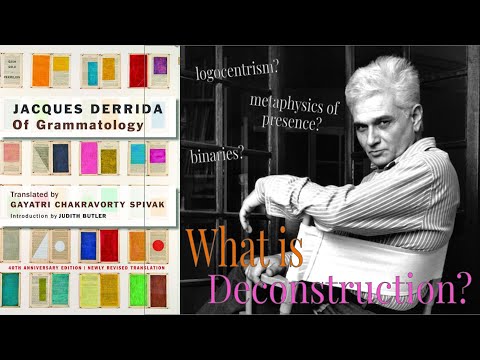
Deconstruction, a concept developed by French philosopher Jacques Derrida in the 1960s, is a critical methodology that seeks to uncover the underlying power dynamics, biases, and contradictions within texts, institutions, and social structures. By analyzing the intricate web of relationships between words, concepts, and contexts, deconstruction reveals the instability and ambiguity of meaning, highlighting the ways in which language and reality are constructed and negotiated. This approach has been influential in various fields, including literary theory, cultural studies, and philosophy, with notable thinkers such as Michel Foucault, Judith Butler, and Gayatri Chakravorty Spivak contributing to its development. Deconstruction has also been subject to controversy and criticism, with some arguing that it leads to relativism, nihilism, or a rejection of objective truth. Nevertheless, its impact on contemporary thought is undeniable, with a vibe score of 8 out of 10, reflecting its significant cultural energy and ongoing relevance. As we move forward, it is essential to consider the implications of deconstruction for our understanding of knowledge, power, and reality, and to explore its potential applications in fields such as artificial intelligence, politics, and social justice. The influence of deconstruction can be seen in the work of artists, writers, and activists who challenge dominant narratives and seek to create new forms of expression and resistance. With its emphasis on critique, subversion, and creative experimentation, deconstruction remains a vital and dynamic force in contemporary culture and society.
📚 Introduction to Deconstruction
Deconstruction is a complex and multifaceted concept that has been influential in various fields, including Philosophy, Literary Theory, and Cultural Studies. The concept of deconstruction was introduced by the philosopher Jacques Derrida, who described it as a turn away from Platonism's ideas of 'true' forms and essences which are valued above appearances. As Barbara Johnson notes, the deconstruction of a text does not proceed by random doubt or generalized skepticism, but by the careful teasing out of warring forces of signification within the text itself. This approach has been influential in shaping the way we think about Meaning and Interpretation. Deconstruction has also been applied to the study of Language and Culture, highlighting the complex relationships between these concepts. For example, the work of Michel Foucault has been influential in shaping the field of Cultural Studies.
👥 Key Figures in Deconstruction
The key figures in deconstruction include Jacques Derrida, Barbara Johnson, and Paul de Man. These thinkers have been instrumental in shaping the concept of deconstruction and its applications in various fields. Derrida's work, in particular, has been influential in shaping the way we think about Meaning and Interpretation. His concept of Différance has been particularly influential in shaping the field of Philosophy. Johnson's work has also been influential in shaping the field of Literary Theory, highlighting the complex relationships between Text and Meaning. Deconstruction has also been influenced by the work of Martin Heidegger and Friedrich Nietzsche.
📖 Deconstruction in Literary Theory
Deconstruction has been particularly influential in the field of Literary Theory. The concept of deconstruction has been used to analyze a wide range of texts, from Shakespeare to James Joyce. Deconstruction has also been used to challenge traditional notions of Authorship and Intention. For example, the work of Roland Barthes has been influential in shaping the way we think about Authorship and the Death of the Author. Deconstruction has also been used to analyze the relationships between Text and Context, highlighting the complex ways in which meaning is shaped by historical and cultural factors. The work of Gayatri Chakravorty Spivak has also been influential in shaping the field of Postcolonial Studies.
🤔 The Philosophy of Deconstruction
The philosophy of deconstruction is complex and multifaceted. At its core, deconstruction is a challenge to traditional notions of Meaning and Interpretation. Deconstruction highlights the complex relationships between Text and Meaning, and challenges the idea that meaning can be fixed or stable. Deconstruction also challenges traditional notions of Truth and Reality, highlighting the ways in which these concepts are shaped by language and culture. The work of Jean Baudrillard has been influential in shaping the way we think about Simulacra and Hyperreality. Deconstruction has also been influenced by the work of Ludwig Wittgenstein and J.L. Austin.
📝 Deconstructing Texts
Deconstructing texts involves a close reading of the text, highlighting the complex relationships between Signifier and Signified. Deconstruction also involves a consideration of the historical and cultural context in which the text was written, and the ways in which this context shapes the meaning of the text. For example, the work of Michel Foucault has been influential in shaping the way we think about Power and Knowledge. Deconstruction has also been used to analyze the relationships between Text and Image, highlighting the complex ways in which meaning is shaped by visual and linguistic factors. The work of Gilles Deleuze has also been influential in shaping the field of Philosophy.
🌐 Cultural Studies and Deconstruction
Deconstruction has been influential in the field of Cultural Studies, highlighting the complex relationships between Culture and Power. Deconstruction has been used to analyze a wide range of cultural texts, from Film to Music. Deconstruction has also been used to challenge traditional notions of Identity and Subjectivity, highlighting the complex ways in which these concepts are shaped by language and culture. For example, the work of Judith Butler has been influential in shaping the way we think about Performativity and Gender. Deconstruction has also been influenced by the work of Stuart Hall and Homi Bhabha.
🌈 Criticisms and Controversies
Deconstruction has been the subject of various criticisms and controversies. Some critics have argued that deconstruction is a form of Nihilism, which challenges the idea of objective Truth. Others have argued that deconstruction is a form of Relativism, which challenges the idea of objective Meaning. Deconstruction has also been criticized for its complexity and difficulty, with some critics arguing that it is inaccessible to non-experts. However, proponents of deconstruction argue that it is a powerful tool for analyzing complex texts and cultural phenomena. The work of Richard Ritter has been influential in shaping the way we think about Deconstruction and its criticisms.
📚 Applications of Deconstruction
Deconstruction has a wide range of applications, from Literary Theory to Cultural Studies. Deconstruction has been used to analyze a wide range of texts, from Shakespeare to James Joyce. Deconstruction has also been used to challenge traditional notions of Authorship and Intention. For example, the work of Roland Barthes has been influential in shaping the way we think about Authorship and the Death of the Author. Deconstruction has also been used to analyze the relationships between Text and Context, highlighting the complex ways in which meaning is shaped by historical and cultural factors.
👀 Deconstruction in Practice
Deconstruction in practice involves a close reading of the text, highlighting the complex relationships between Signifier and Signified. Deconstruction also involves a consideration of the historical and cultural context in which the text was written, and the ways in which this context shapes the meaning of the text. For example, the work of Michel Foucault has been influential in shaping the way we think about Power and Knowledge. Deconstruction has also been used to analyze the relationships between Text and Image, highlighting the complex ways in which meaning is shaped by visual and linguistic factors.
📊 Influence and Legacy of Deconstruction
The influence and legacy of deconstruction can be seen in a wide range of fields, from Philosophy to Cultural Studies. Deconstruction has been influential in shaping the way we think about Meaning and Interpretation, and has challenged traditional notions of Truth and Reality. Deconstruction has also been influential in shaping the field of Poststructuralism, which has had a significant impact on the way we think about Language and Culture. The work of Jean-François Lyotard has been influential in shaping the way we think about Postmodernism and its relationship to deconstruction.
Key Facts
- Year
- 1967
- Origin
- France, Europe
- Category
- Philosophy, Literary Theory, Cultural Studies
- Type
- Concept, Methodology, Philosophical Movement
Frequently Asked Questions
What is deconstruction?
Deconstruction is a complex and multifaceted concept that has been influential in various fields, including Philosophy, Literary Theory, and Cultural Studies. Deconstruction involves a close reading of the text, highlighting the complex relationships between Signifier and Signified. Deconstruction also involves a consideration of the historical and cultural context in which the text was written, and the ways in which this context shapes the meaning of the text.
Who are the key figures in deconstruction?
The key figures in deconstruction include Jacques Derrida, Barbara Johnson, and Paul de Man. These thinkers have been instrumental in shaping the concept of deconstruction and its applications in various fields. Derrida's work, in particular, has been influential in shaping the way we think about Meaning and Interpretation.
What are the applications of deconstruction?
Deconstruction has a wide range of applications, from Literary Theory to Cultural Studies. Deconstruction has been used to analyze a wide range of texts, from Shakespeare to James Joyce. Deconstruction has also been used to challenge traditional notions of Authorship and Intention.
What are the criticisms of deconstruction?
Deconstruction has been the subject of various criticisms and controversies. Some critics have argued that deconstruction is a form of Nihilism, which challenges the idea of objective Truth. Others have argued that deconstruction is a form of Relativism, which challenges the idea of objective Meaning.
What is the influence and legacy of deconstruction?
The influence and legacy of deconstruction can be seen in a wide range of fields, from Philosophy to Cultural Studies. Deconstruction has been influential in shaping the way we think about Meaning and Interpretation, and has challenged traditional notions of Truth and Reality.