
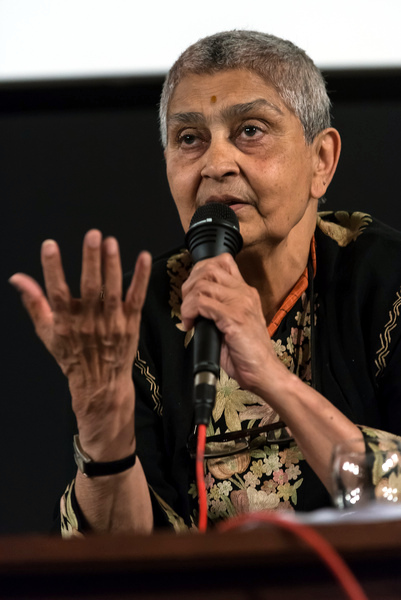
Contents
- 📚 Introduction to Gayatri Chakravorty Spivak
- 🌎 Early Life and Education
- 📖 Literary Career and Influences
- 🌍 Postcolonial Theory and Subaltern Studies
- 👥 Critique of Imperialism and Capitalism
- 💡 Key Concepts: Subalternity and Essentialism
- 📚 Major Works: 'Can the Subaltern Speak?' and 'A Critique of Postcolonial Reason'
- 🌈 Feminist and Queer Theory Contributions
- 🌎 Global Reception and Impact
- 📊 Controversies and Criticisms
- 👥 Legacy and Influence
- 📚 Conclusion: Gayatri Chakravorty Spivak's Enduring Impact
- Frequently Asked Questions
- Related Topics
Overview
Gayatri Chakravorty Spivak is a renowned Indian philosopher, cultural critic, and feminist theorist, best known for her work in postcolonial studies and subaltern theory. Born on February 24, 1942, in Calcutta, India, Spivak has been a prominent figure in academia since the 1980s. Her seminal essay 'Can the Subaltern Speak?' (1988) challenged traditional notions of representation and voice, arguing that the subaltern - marginalized groups such as women, minorities, and the poor - are often silenced or misrepresented by dominant discourses. Spivak's work has had a significant impact on various fields, including literary theory, anthropology, and feminist studies. With a Vibe score of 8, Spivak's influence extends beyond academia, resonating with social justice movements and critical thinkers worldwide. As a key figure in postcolonial theory, Spivak continues to shape the way we think about power, identity, and representation, with her ideas remaining highly relevant in contemporary debates about globalization, imperialism, and social justice.
📚 Introduction to Gayatri Chakravorty Spivak
Gayatri Chakravorty Spivak is a prominent academic and philosopher known for her work in postcolonial theory and subaltern studies. Born in 1942 in India, Spivak has had a long and distinguished career, teaching at various institutions including Columbia University. Her work has been widely influential, and she is considered one of the most important thinkers of our time, alongside Michel Foucault and Jacques Derrida. Spivak's work has been translated into many languages, including French and Spanish.
🌎 Early Life and Education
Spivak's early life and education played a significant role in shaping her intellectual trajectory. She was born into a Bengali family in Kolkata, India, and was educated at Presidency College. She later moved to the United States to pursue her graduate studies, earning a PhD in English literature from Cornell University. Spivak's academic background is rooted in literary theory and philosophy, with a focus on Marxist and feminist theory. Her work has been influenced by thinkers such as Karl Marx and Simone de Beauvoir.
📖 Literary Career and Influences
Spivak's literary career has been marked by a series of influential works, including her translation of Jacques Derrida's 'Of Grammatology'. Her own writing has been shaped by her interests in postcolonial literature and subaltern studies. Spivak has been critical of imperialism and capitalism, arguing that these systems have perpetuated inequality and oppression. Her work has been influenced by Frantz Fanon and Edward Said, among others. Spivak's writing style is characterized by its complexity and nuance, reflecting her engagement with critical theory and cultural studies.
🌍 Postcolonial Theory and Subaltern Studies
Spivak's work in postcolonial theory and subaltern studies has been groundbreaking. She has argued that the subaltern is a subject position that is marginalized and excluded from dominant forms of power and knowledge. Spivak's concept of subalternity has been influential in a range of fields, including literary theory, history, and anthropology. Her work has also been critical of essentialism, arguing that this approach can perpetuate stereotypes and reinforce dominant power structures. Spivak's ideas have been taken up by scholars such as Homi Bhabha and Dipesh Chandra.
👥 Critique of Imperialism and Capitalism
Spivak's critique of imperialism and capitalism is a central theme in her work. She has argued that these systems have perpetuated inequality and oppression, and that they must be challenged and transformed. Spivak's work has been influenced by Marxist and feminist theory, and she has been critical of the ways in which these systems have been used to justify exploitation and domination. Her ideas have been taken up by scholars and activists around the world, including Angela Davis and Arundhati Roy. Spivak's work has also been influential in the development of postcolonial feminism.
💡 Key Concepts: Subalternity and Essentialism
Two of Spivak's key concepts are subalternity and essentialism. She has argued that the subaltern is a subject position that is marginalized and excluded from dominant forms of power and knowledge. Spivak's concept of subalternity has been influential in a range of fields, including literary theory, history, and anthropology. Her work has also been critical of essentialism, arguing that this approach can perpetuate stereotypes and reinforce dominant power structures. Spivak's ideas have been taken up by scholars such as Judith Butler and Slavoj Zizek.
📚 Major Works: 'Can the Subaltern Speak?' and 'A Critique of Postcolonial Reason'
Spivak's major works include 'Can the Subaltern Speak?' and 'A Critique of Postcolonial Reason'. These works have been widely influential, and have shaped the fields of postcolonial theory and subaltern studies. Spivak's writing style is characterized by its complexity and nuance, reflecting her engagement with critical theory and cultural studies. Her work has been translated into many languages, including French and Spanish. Spivak's ideas have been taken up by scholars and activists around the world, including Chela Sandoval and Gloria Anzaldua.
🌈 Feminist and Queer Theory Contributions
Spivak's contributions to feminist theory and queer theory have been significant. She has argued that these fields must be attentive to the experiences of women and queer individuals in the Global South, and that they must challenge dominant forms of power and knowledge. Spivak's work has been influential in the development of postcolonial feminism and queer studies. Her ideas have been taken up by scholars such as bell hooks and Jose Esteban Munoz. Spivak's work has also been critical of heteronormativity and cisnormativity.
🌎 Global Reception and Impact
Spivak's work has had a significant impact around the world. Her ideas have been taken up by scholars and activists in a range of fields, including literary theory, history, and anthropology. Spivak's work has been translated into many languages, including French and Spanish. Her ideas have been influential in shaping the fields of postcolonial theory and subaltern studies. Spivak's work has also been critical of globalization and neoliberalism, arguing that these systems have perpetuated inequality and oppression. Her ideas have been taken up by scholars such as Naomi Klein and Arundhati Roy.
📊 Controversies and Criticisms
Spivak's work has not been without controversy. Some critics have argued that her ideas are too complex and nuanced, and that they can be difficult to understand. Others have criticized her for being too critical of Western culture and imperialism. Spivak has responded to these criticisms by arguing that her work is necessary to challenge dominant forms of power and knowledge. Her ideas have been taken up by scholars and activists around the world, including Angela Davis and Cornel West. Spivak's work has also been influential in shaping the fields of critical theory and cultural studies.
👥 Legacy and Influence
Spivak's legacy and influence are undeniable. Her work has shaped the fields of postcolonial theory and subaltern studies, and has been influential in a range of other fields, including literary theory, history, and anthropology. Spivak's ideas have been taken up by scholars and activists around the world, including Judith Butler and Slavoj Zizek. Her work has been translated into many languages, including French and Spanish. Spivak's legacy continues to be felt, and her ideas remain widely influential and relevant today.
📚 Conclusion: Gayatri Chakravorty Spivak's Enduring Impact
In conclusion, Gayatri Chakravorty Spivak is a prominent academic and philosopher known for her work in postcolonial theory and subaltern studies. Her ideas have been widely influential, and have shaped the fields of literary theory, history, and anthropology. Spivak's work has been critical of imperialism and capitalism, and has argued that these systems must be challenged and transformed. Her legacy and influence are undeniable, and her ideas remain widely influential and relevant today. As we move forward, it is essential to engage with Spivak's work and to continue to challenge dominant forms of power and knowledge.
Key Facts
- Year
- 1942
- Origin
- Calcutta, India
- Category
- Academia
- Type
- Person
Frequently Asked Questions
What is Gayatri Chakravorty Spivak's most famous work?
Gayatri Chakravorty Spivak's most famous work is 'Can the Subaltern Speak?'. This essay has been widely influential and has shaped the fields of postcolonial theory and subaltern studies. Spivak's work has been translated into many languages, including French and Spanish. Her ideas have been taken up by scholars and activists around the world, including Angela Davis and Arundhati Roy.
What is the concept of subalternity?
The concept of subalternity refers to a subject position that is marginalized and excluded from dominant forms of power and knowledge. This concept has been developed by Gayatri Chakravorty Spivak and has been influential in a range of fields, including literary theory, history, and anthropology. Spivak's work has been critical of essentialism, arguing that this approach can perpetuate stereotypes and reinforce dominant power structures. Her ideas have been taken up by scholars such as Judith Butler and Slavoj Zizek.
What is Spivak's critique of imperialism and capitalism?
Gayatri Chakravorty Spivak's critique of imperialism and capitalism argues that these systems have perpetuated inequality and oppression. Spivak's work has been influenced by Marxist and feminist theory, and she has been critical of the ways in which these systems have been used to justify exploitation and domination. Her ideas have been taken up by scholars and activists around the world, including Angela Davis and Arundhati Roy. Spivak's work has also been influential in the development of postcolonial feminism.
What is the significance of Spivak's work in feminist and queer theory?
Gayatri Chakravorty Spivak's work has been significant in the development of feminist theory and queer theory. She has argued that these fields must be attentive to the experiences of women and queer individuals in the Global South, and that they must challenge dominant forms of power and knowledge. Spivak's work has been influential in the development of postcolonial feminism and queer studies. Her ideas have been taken up by scholars such as bell hooks and Jose Esteban Munoz.
How has Spivak's work been received globally?
Gayatri Chakravorty Spivak's work has had a significant impact around the world. Her ideas have been taken up by scholars and activists in a range of fields, including literary theory, history, and anthropology. Spivak's work has been translated into many languages, including French and Spanish. Her ideas have been influential in shaping the fields of postcolonial theory and subaltern studies. Spivak's work has also been critical of globalization and neoliberalism, arguing that these systems have perpetuated inequality and oppression.