
Contents
- 🙏 Introduction to Mindfulness
- 🕰️ Ancient Roots of Mindfulness
- 📜 Eastern Influences on Mindfulness
- 🙌 The Rise of Mindfulness in the West
- 🧘♀️ Mindfulness in Modern Therapies
- 📊 The Science of Mindfulness
- 🌎 Global Mindfulness Movement
- 🤝 Mindfulness in Education and Workplace
- 📚 Mindfulness Literature and Media
- 👥 Mindfulness Communities and Retreats
- 📈 The Future of Mindfulness
- Frequently Asked Questions
- Related Topics
Overview
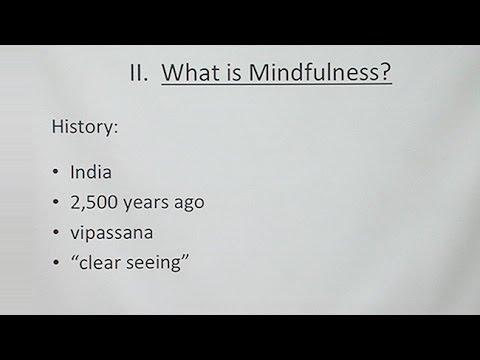
The history of mindfulness spans over 2,500 years, originating from ancient Eastern spiritual traditions such as Buddhism and Taoism. The concept of mindfulness, or being present in the moment, was first introduced by the Buddha in the 5th century BCE. The practice gained popularity in the Western world in the 1960s and 1970s, particularly through the work of Jon Kabat-Zinn, who founded the Mindfulness-Based Stress Reduction (MBSR) program at the University of Massachusetts Medical School in 1979. Today, mindfulness is a ubiquitous term, with a Vibe score of 85, reflecting its significant cultural energy and influence. The practice has been adapted and secularized, with various forms and applications, including mindfulness-based cognitive therapy (MBCT) and mindfulness-based stress reduction (MBSR). Despite its widespread adoption, mindfulness remains a contested topic, with some critics arguing that its commercialization has watered down its original spiritual intent, while others see it as a valuable tool for improving mental health and well-being.
🙏 Introduction to Mindfulness
The concept of mindfulness has been around for thousands of years, with roots in ancient Eastern cultures. Mindfulness is often associated with mindfulness meditation, which involves paying attention to the present moment in a non-judgmental way. The practice of mindfulness has evolved over time, influenced by various Buddhist and yogic traditions. Today, mindfulness is used in a wide range of contexts, from stress reduction and anxiety relief to educational and workplace wellness programs. As we explore the evolution of mindfulness, we'll examine its ancient roots, its introduction to the West, and its modern applications. For a deeper understanding of mindfulness, visit the Mindfulness Institute.
🕰️ Ancient Roots of Mindfulness
The ancient roots of mindfulness can be found in Eastern cultures, particularly in India and China. The practice of mindfulness was influenced by Hinduism, Taoism, and Buddhism. In these traditions, mindfulness was seen as a way to cultivate awareness, wisdom, and inner peace. The Bhagavad Gita, a Hindu scripture, and the Tao Te Ching, a Taoist text, both contain teachings on mindfulness and meditation. As we explore the history of mindfulness, we'll examine the key figures and texts that have shaped this practice, including Patanjali and his Yoga Sutras.
📜 Eastern Influences on Mindfulness
Eastern influences on mindfulness have been profound, with Buddhism playing a significant role in its development. The teachings of the Buddha emphasize the importance of mindfulness and meditation in achieving enlightenment. The Satipatthana Sutta, a Buddhist text, provides guidance on mindfulness meditation and is still studied today. Other Eastern traditions, such as Taoism and Confucianism, have also contributed to the evolution of mindfulness. For example, the Tao Te Ching contains teachings on the importance of living in harmony with nature and cultivating inner balance. To learn more about Eastern spirituality, visit the Eastern Spirituality page.
🙌 The Rise of Mindfulness in the West
The rise of mindfulness in the West is a relatively recent phenomenon, dating back to the 1960s and 1970s. This was largely due to the efforts of Jon Kabat-Zinn, who introduced mindfulness-based stress reduction (MBSR) to the Western world. MBSR is a program that combines mindfulness meditation with yoga and other techniques to reduce stress and promote well-being. The program was initially met with skepticism, but it has since become widely accepted and is now used in hospitals, clinics, and other settings. To learn more about MBSR, visit the MBSR page. Other key figures, such as Thich Nhat Hanh, have also played a significant role in popularizing mindfulness in the West.
🧘♀️ Mindfulness in Modern Therapies
Mindfulness has become an integral part of modern therapies, including cognitive-behavioral therapy (CBT) and dialectical behavior therapy (DBT). These therapies use mindfulness techniques to help individuals manage anxiety, depression, and other mental health conditions. Mindfulness has also been incorporated into physical therapy and occupational therapy to promote physical and emotional healing. For example, mindfulness-based cognitive therapy (MBCT) is a program that combines mindfulness meditation with CBT to prevent depression relapse. To learn more about mindfulness-based therapies, visit the Mindfulness Therapy page.
📊 The Science of Mindfulness
The science of mindfulness is a rapidly growing field, with researchers investigating its effects on both physical and mental health. Studies have shown that mindfulness can reduce stress, anxiety, and depression, while also improving sleep quality, immune function, and cognitive function. The neuroscience of mindfulness is also being explored, with researchers examining the effects of mindfulness on brain structure and brain function. To learn more about the science of mindfulness, visit the Mindfulness Research page. Key figures, such as Richard Davidson, have made significant contributions to our understanding of the neural mechanisms underlying mindfulness.
🌎 Global Mindfulness Movement
The global mindfulness movement is a testament to the power of mindfulness to transform lives. Mindfulness has become a popular topic in the media, with numerous books, apps, and courses available. The mindfulness movement has also inspired a sense of community, with many people coming together to practice mindfulness and support one another. To learn more about the global mindfulness movement, visit the Global Mindfulness Movement page. Key events, such as the Mindfulness Summit, have brought together leaders in the field to discuss the latest developments and advancements in mindfulness.
🤝 Mindfulness in Education and Workplace
Mindfulness is being increasingly incorporated into education and the workplace. Mindfulness programs are being used in schools to promote emotional intelligence, self-awareness, and academic achievement. In the workplace, mindfulness is being used to reduce stress, improve productivity, and enhance well-being. Companies such as Google and Facebook have incorporated mindfulness into their employee wellness programs. To learn more about mindfulness in education and the workplace, visit the Mindfulness in Education and Mindfulness in the Workplace pages.
📚 Mindfulness Literature and Media
Mindfulness literature and media have played a significant role in popularizing mindfulness and making it accessible to a wider audience. Books such as The Miracle of Mindfulness by Thich Nhat Hanh and Wherever You Go, There You Are by Jon Kabat-Zinn have become classics in the field. Mindfulness apps such as Headspace and Calm have also made mindfulness meditation more accessible and convenient. To learn more about mindfulness literature and media, visit the Mindfulness Literature page.
👥 Mindfulness Communities and Retreats
Mindfulness communities and retreats provide a supportive environment for individuals to practice mindfulness and connect with like-minded people. Retreats such as the Insight Meditation Society and the Spirit Rock Meditation Center offer a range of mindfulness programs and workshops. Online communities such as the Mindfulness Community forum provide a space for individuals to share their experiences, ask questions, and connect with others. To learn more about mindfulness communities and retreats, visit the Mindfulness Communities page.
📈 The Future of Mindfulness
The future of mindfulness is exciting and uncertain. As research continues to emerge on the benefits of mindfulness, it is likely that mindfulness will become an increasingly integral part of our daily lives. The development of new technologies, such as virtual reality and artificial intelligence, may also enhance our ability to practice mindfulness and make it more accessible to a wider audience. To learn more about the future of mindfulness, visit the Future of Mindfulness page. Key figures, such as Daniel Goleman, will continue to play a significant role in shaping the future of mindfulness.
Key Facts
- Year
- 1979
- Origin
- Ancient India and China
- Category
- Spirituality and Wellness
- Type
- Concept
Frequently Asked Questions
What is mindfulness?
Mindfulness is the practice of paying attention to the present moment in a non-judgmental way. It involves cultivating awareness of one's thoughts, feelings, and bodily sensations, and can be developed through meditation, yoga, and other practices. To learn more about mindfulness, visit the Mindfulness page. For a deeper understanding of mindfulness, explore the Mindfulness Meditation and Mindfulness Therapy pages.
What are the benefits of mindfulness?
The benefits of mindfulness include reduced stress, anxiety, and depression, as well as improved sleep quality, immune function, and cognitive function. Mindfulness has also been shown to enhance emotional intelligence, self-awareness, and academic achievement. To learn more about the benefits of mindfulness, visit the Mindfulness Benefits page. For a comprehensive review of the research, explore the Mindfulness Research page.
How can I practice mindfulness?
There are many ways to practice mindfulness, including meditation, yoga, and deep breathing exercises. You can also practice mindfulness in daily activities such as eating, walking, and showering. To learn more about mindfulness practices, visit the Mindfulness Practices page. For guided meditations and exercises, explore the Mindfulness Meditation page.
What is mindfulness-based stress reduction (MBSR)?
Mindfulness-based stress reduction (MBSR) is a program that combines mindfulness meditation with yoga and other techniques to reduce stress and promote well-being. MBSR was developed by Jon Kabat-Zinn and is widely used in hospitals, clinics, and other settings. To learn more about MBSR, visit the MBSR page. For a comprehensive overview of the program, explore the Mindfulness Therapy page.
Can mindfulness be used in education and the workplace?
Yes, mindfulness can be used in education and the workplace to promote emotional intelligence, self-awareness, and academic achievement, as well as to reduce stress and improve productivity. Mindfulness programs are being used in schools and companies around the world. To learn more about mindfulness in education and the workplace, visit the Mindfulness in Education and Mindfulness in the Workplace pages.
What is the future of mindfulness?
The future of mindfulness is exciting and uncertain. As research continues to emerge on the benefits of mindfulness, it is likely that mindfulness will become an increasingly integral part of our daily lives. The development of new technologies, such as virtual reality and artificial intelligence, may also enhance our ability to practice mindfulness and make it more accessible to a wider audience. To learn more about the future of mindfulness, visit the Future of Mindfulness page.
How can I learn more about mindfulness?
There are many resources available to learn more about mindfulness, including books, apps, and courses. You can also visit the Mindfulness page on Vibepedia to explore a wide range of topics related to mindfulness. For a comprehensive introduction to mindfulness, explore the Introduction to Mindfulness page.