
Contents
- 🌎 Introduction to the Israel-Palestine Conflict
- 🏛️ Historical Background: The British Mandate and Partition
- 🚫 The Refugee Crisis: Palestinian Displacement and its Consequences
- 🏗️ Israeli Settlements: Expansion and Controversy
- 💧 Water Rights and Resource Management
- 🚫 The Israeli Occupation: Military Control and Resistance
- 🗺️ Borders and Security: A Complex Issue
- 🕊️ The Status of Jerusalem: A City of Conflict
- 👥 Palestinian Freedom of Movement and the Permit Regime
- 📈 The Palestinian Right of Return: A Core Issue
- 💬 International Involvement and Peace Efforts
- 🔮 Future Prospects: A Path to Resolution?
- Frequently Asked Questions
- Related Topics
Overview
The Israel-Palestine conflict is a longstanding dispute over land and identity, with roots dating back to the early 20th century. The 1917 Balfour Declaration, which expressed British support for a Jewish homeland in Palestine, is often cited as a catalyst for the conflict. Today, the dispute centers on issues such as Israeli settlement expansion, Palestinian statehood, and the status of Jerusalem. According to the United Nations, over 2 million Palestinians live in the Gaza Strip, with a poverty rate of 53% and an unemployment rate of 45% (as of 2022). The conflict has been marked by periods of relative calm, punctuated by outbreaks of violence, including the 2021 Gaza-Israel crisis, which resulted in the deaths of over 250 Palestinians and 12 Israelis. As the conflict continues to unfold, it is clear that a lasting resolution will require a nuanced understanding of the complex historical, cultural, and political factors at play, with key players such as the Israeli government, the Palestinian Authority, and the international community, including the United States, the European Union, and the Arab League, influencing the trajectory of the conflict.
🌎 Introduction to the Israel-Palestine Conflict
The Israel-Palestine conflict is a longstanding and complex issue, with roots dating back to the early 20th century. The conflict revolves around the question of land and self-determination within the former territory of Mandatory Palestine. Key aspects of the conflict include the status of Jerusalem, Israeli settlements, and the Palestinian right of return. The conflict has been marked by periods of relative calm, punctuated by outbreaks of violence and Gaza Wars. To understand the conflict, it is essential to examine the history of Israel and the Palestinian national movement.
🏛️ Historical Background: The British Mandate and Partition
The historical background of the conflict is deeply rooted in the British Mandate for Palestine, which was established in 1920. The mandate was a League of Nations trust territory, administered by the United Kingdom. During this period, the Zionist movement gained momentum, with the goal of establishing a Jewish homeland in Palestine. The 1947 UN Partition Plan proposed the division of Palestine into separate Jewish and Arab states, with Jerusalem to be administered by the UN. However, the plan was rejected by the Arab states, leading to the 1948 Arab-Israeli War. The war resulted in the establishment of the State of Israel and the displacement of hundreds of thousands of Palestinian refugees.
🚫 The Refugee Crisis: Palestinian Displacement and its Consequences
The refugee crisis is one of the most pressing issues in the Israel-Palestine conflict. The displacement of Palestinian refugees during the 1948 Arab-Israeli War and subsequent conflicts has had a profound impact on the region. Many refugees were forced to flee their homes, leaving behind their livelihoods and possessions. The United Nations Relief and Works Agency for Palestine Refugees in the Near East (UNRWA) was established to provide assistance to these refugees. However, the Palestinian right of return remains a contentious issue, with many refugees and their descendants claiming the right to return to their ancestral homes. The Israeli refusal to allow refugees to return has been a major obstacle to a peaceful resolution of the conflict.
🏗️ Israeli Settlements: Expansion and Controversy
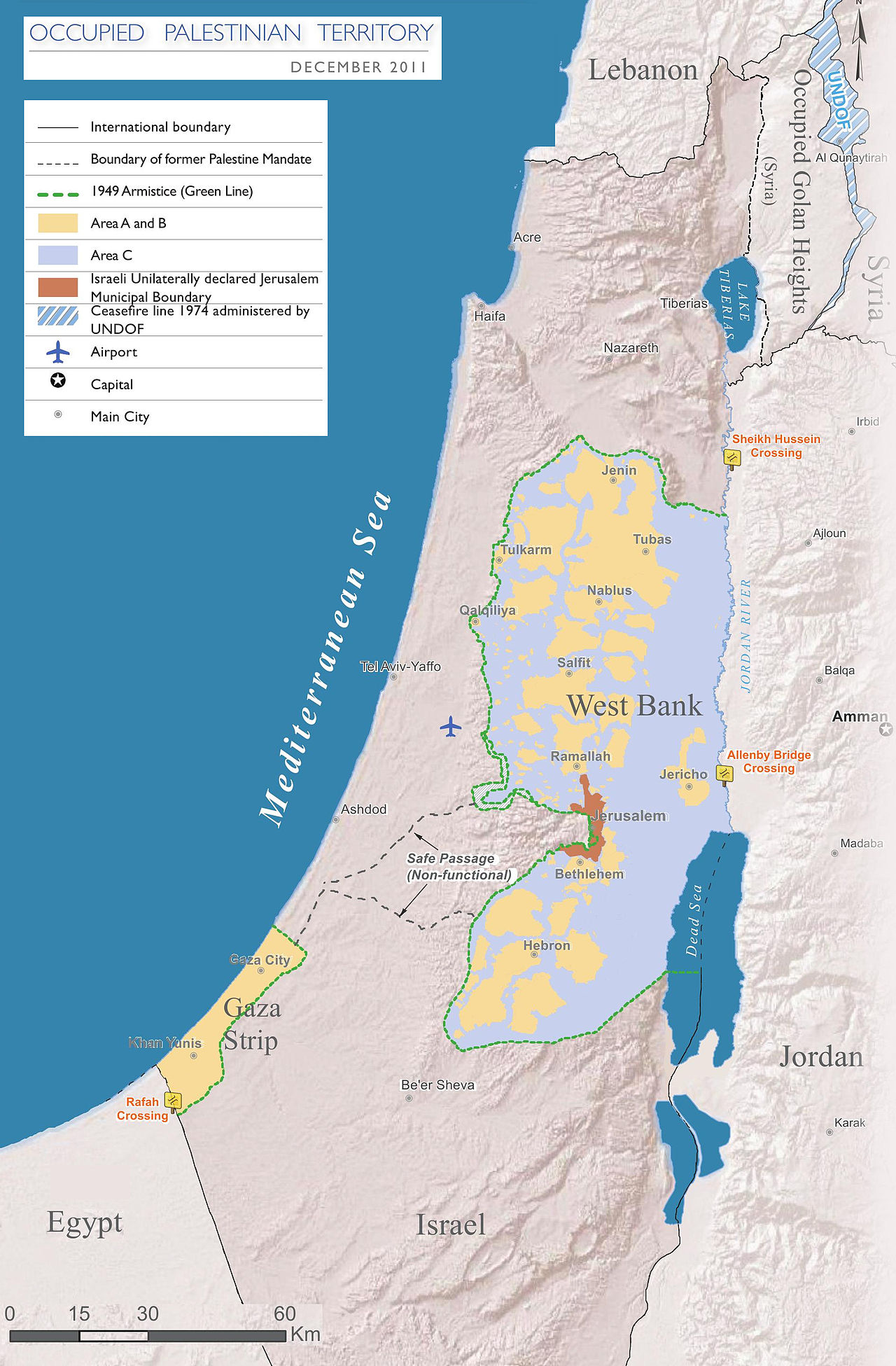
The expansion of Israeli settlements in the West Bank and Gaza Strip has been a major point of contention in the conflict. The settlements, which are considered illegal under international law, have been constructed on land that is claimed by the Palestinians for their future state. The settlements have also been a major obstacle to the creation of a contiguous Palestinian state, as they are often located in strategic areas, such as near Jerusalem or along the Jordan River. The Israeli settlements in the West Bank have been the subject of numerous United Nations resolutions, which have called for their dismantlement.
💧 Water Rights and Resource Management
The management of water rights is a critical issue in the Israel-Palestine conflict. The region is characterized by a scarcity of water resources, with the Jordan River being the primary source of water. The Israeli control of water resources has been a major point of contention, with the Palestinians claiming that they are denied access to adequate water supplies. The water crisis in Gaza has been particularly severe, with the Gaza Strip facing a severe shortage of clean water. The Israeli blockade of Gaza has exacerbated the crisis, with the restriction of imports and exports limiting the ability of the Palestinians to access essential goods and services.
🚫 The Israeli Occupation: Military Control and Resistance
The Israeli occupation of the West Bank and Gaza Strip has been a major aspect of the conflict. The occupation, which has been in place since the 1967 Six-Day War, has been characterized by the imposition of military law and the restriction of Palestinian freedom of movement. The occupation has also been marked by the construction of the Israeli West Bank barrier, which has been built to separate the West Bank from Israel. The barrier has been the subject of numerous United Nations resolutions, which have called for its dismantlement.
🗺️ Borders and Security: A Complex Issue
The issue of borders and security is a complex one in the Israel-Palestine conflict. The Israeli-West Bank barrier has been constructed to separate the West Bank from Israel, with the goal of preventing the infiltration of Palestinian militants. However, the barrier has also been criticized for its impact on Palestinian freedom of movement and its role in the Israeli occupation. The security arrangements in the West Bank have been the subject of numerous United Nations resolutions, which have called for the establishment of a Palestinian state with secure borders.
🕊️ The Status of Jerusalem: A City of Conflict
The status of Jerusalem is a highly contested issue in the Israel-Palestine conflict. The city, which is considered holy by Jews, Christians, and Muslims, has been the subject of numerous United Nations resolutions. The Israeli annexation of East Jerusalem has been widely condemned, with the international community recognizing the city as the capital of both Israel and a future Palestinian state. The Temple Mount, which is located in the Old City of Jerusalem, has been a major point of contention, with Palestinian militants and Israeli security forces clashing over access to the site.
👥 Palestinian Freedom of Movement and the Permit Regime
The Palestinian freedom of movement has been severely restricted in the West Bank and Gaza Strip. The Israeli occupation has been characterized by the imposition of military law and the restriction of Palestinian freedom of movement. The permit regime in the West Bank has been particularly restrictive, with Palestinians requiring permits to travel within the West Bank or to enter Israel. The Gaza Strip has been subject to a severe blockade, with the Israeli blockade of Gaza restricting the import and export of goods and services.
📈 The Palestinian Right of Return: A Core Issue
The Palestinian right of return is a core issue in the Israel-Palestine conflict. The right, which is enshrined in United Nations General Assembly Resolution 194, recognizes the right of Palestinian refugees to return to their ancestral homes. However, the Israeli refusal to allow refugees to return has been a major obstacle to a peaceful resolution of the conflict. The Palestinian right of return has been the subject of numerous United Nations resolutions, which have called for the implementation of the right.
💬 International Involvement and Peace Efforts
The international community has been involved in numerous peace efforts to resolve the Israel-Palestine conflict. The Oslo Accords, which were signed in 1993, established a framework for peace negotiations between Israel and the Palestine Liberation Organization (PLO). The Roadmap for Peace, which was introduced in 2003, outlined a series of steps to be taken by both parties to achieve a peaceful resolution of the conflict. However, the peace process has been marked by numerous setbacks, including the Gaza Wars and the Israeli settlements expansion.
🔮 Future Prospects: A Path to Resolution?
The future prospects for a resolution of the Israel-Palestine conflict are uncertain. The two-state solution, which has been the basis of numerous peace efforts, has been increasingly called into question. The one-state solution, which would involve the creation of a single state encompassing both Israel and the West Bank, has been proposed as an alternative. However, the one-state solution has been criticized for its potential to undermine the right to self-determination of both Israel and the Palestinian people.
Key Facts
- Year
- 2022
- Origin
- Middle East
- Category
- Geopolitics
- Type
- Geopolitical Conflict
Frequently Asked Questions
What is the Israel-Palestine conflict about?
The Israel-Palestine conflict is a longstanding and complex issue, with roots dating back to the early 20th century. The conflict revolves around the question of land and self-determination within the former territory of Mandatory Palestine. Key aspects of the conflict include the status of Jerusalem, Israeli settlements, and the Palestinian right of return.
What is the history of the conflict?
The historical background of the conflict is deeply rooted in the British Mandate for Palestine, which was established in 1920. The mandate was a League of Nations trust territory, administered by the United Kingdom. During this period, the Zionist movement gained momentum, with the goal of establishing a Jewish homeland in Palestine.
What is the current situation in the conflict?
The current situation in the conflict is complex and multifaceted. The Israeli occupation of the West Bank and Gaza Strip has been a major aspect of the conflict. The occupation has been characterized by the imposition of military law and the restriction of Palestinian freedom of movement.
What are the main issues in the conflict?
The main issues in the conflict include the status of Jerusalem, Israeli settlements, and the Palestinian right of return. The conflict has also been marked by periods of relative calm, punctuated by outbreaks of violence and Gaza Wars.
What is the role of the international community in the conflict?
The international community has been involved in numerous peace efforts to resolve the Israel-Palestine conflict. The Oslo Accords, which were signed in 1993, established a framework for peace negotiations between Israel and the Palestine Liberation Organization (PLO).
What is the future prospects for a resolution of the conflict?
The future prospects for a resolution of the Israel-Palestine conflict are uncertain. The two-state solution, which has been the basis of numerous peace efforts, has been increasingly called into question. The one-state solution, which would involve the creation of a single state encompassing both Israel and the West Bank, has been proposed as an alternative.
What is the impact of the conflict on the region?
The conflict has had a significant impact on the region, with the Gaza Strip facing a severe humanitarian crisis. The conflict has also had a major impact on the economy of the region, with the Israeli blockade of Gaza restricting the import and export of goods and services.