
Contents
- 🔍 Introduction to James Watt
- 💡 The Early Life of James Watt
- 📚 Education and Early Career
- 🔧 The Improvement of the Steam Engine
- 🌟 The Watt Steam Engine
- 🏭 Impact on the Industrial Revolution
- 📈 Economic and Social Impacts
- 🌎 Global Influence
- 👥 Legacy and Later Life
- 🤝 Influence on Other Inventors
- 📊 Conclusion and Lasting Impact
- Frequently Asked Questions
- Related Topics
Overview
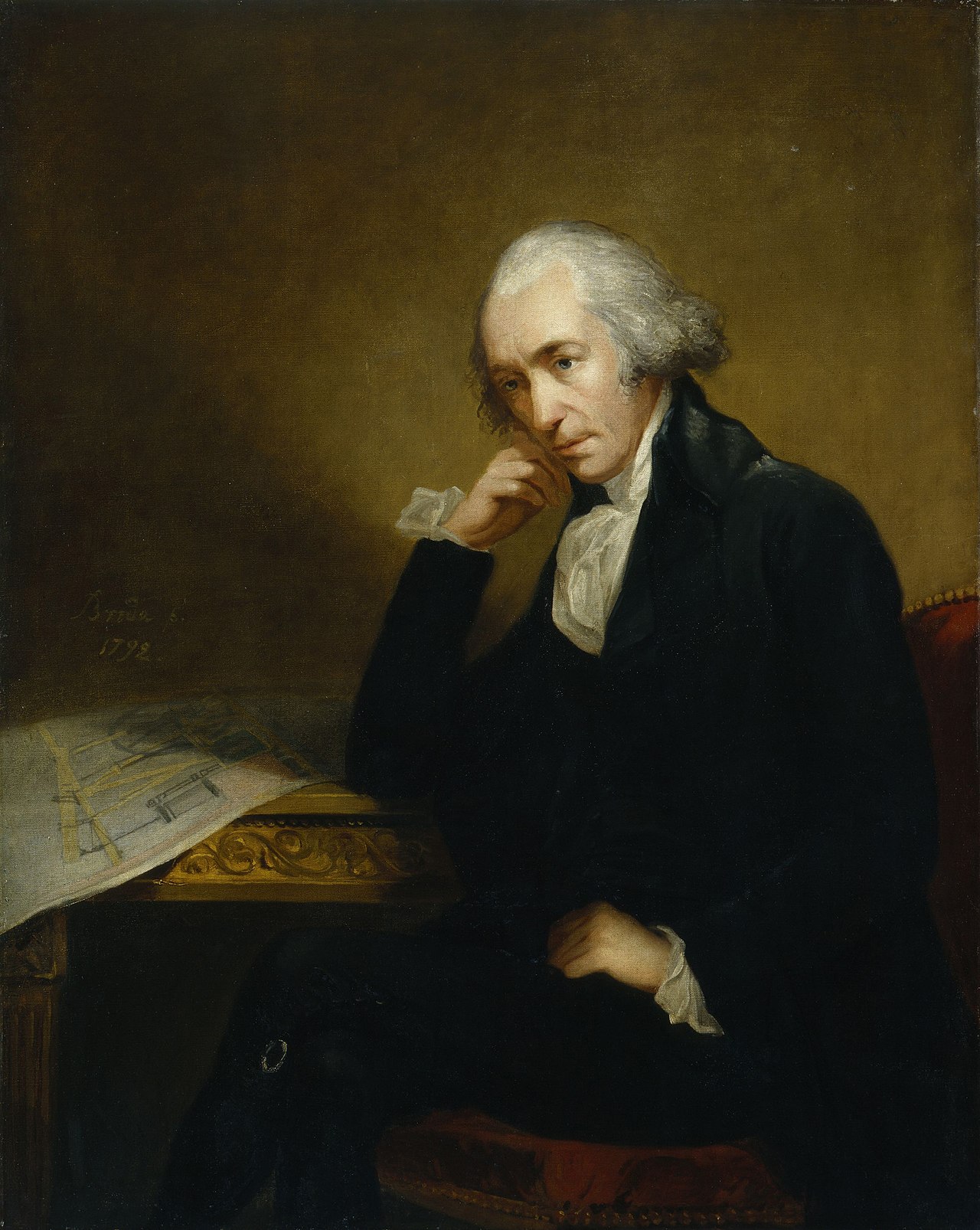
James Watt, a Scottish engineer and inventor, is widely credited with revolutionizing industry and transportation with his improvements to the steam engine. Born on January 19, 1736, in Greenock, Scotland, Watt's innovations increased efficiency and reduced fuel consumption, making steam power a viable alternative to human and animal labor. With a Vibe score of 82, Watt's influence extends beyond his technical achievements, as his work had a profound impact on the social and economic landscape of the 18th and 19th centuries. Watt's partnership with Matthew Boulton, an English manufacturer, helped to commercialize his inventions, and their company, Boulton and Watt, became a leading manufacturer of steam engines. Despite controversy surrounding the extent of Watt's contributions, his legacy as a pioneer in the field of mechanical engineering remains uncontested. As the world continues to grapple with the challenges of industrialization, Watt's story serves as a reminder of the power of innovation to shape the course of human history, with some arguing that his work laid the groundwork for the development of modern technologies, including the internal combustion engine and the computer.
🔍 Introduction to James Watt
James Watt, a Scottish inventor, engineer, and chemist, is widely regarded as the father of the Industrial Revolution. Born in 1736, Watt's improvements to the Newcomen steam engine in 1776 revolutionized industry and transportation. His work built upon the foundations laid by Thomas Newcomen and paved the way for the development of modern steam power. Watt's contributions to the field of engineering and chemistry are still studied today, and his legacy continues to inspire innovation. The Industrial Revolution was a transformative period in human history, and Watt's steam engine was a key factor in its success. As a result, Watt is often credited with helping to establish Great Britain as a major industrial power. The history of science is filled with stories of innovators like Watt, who used their knowledge and skills to drive progress and improve the human condition.
💡 The Early Life of James Watt
Watt's early life was marked by a curiosity and passion for learning. Growing up in Greenock, Scotland, Watt was fascinated by the workings of machines and the natural world. His father, a shipwright and merchant, encouraged Watt's interest in science and technology, providing him with access to books and other resources. Watt's education began at the local parish school, where he developed a strong foundation in mathematics and science. He later attended the University of Glasgow, where he studied natural philosophy and chemistry. Watt's time at the university had a profound impact on his development as a scientist and engineer, and he was particularly influenced by the work of Joseph Black. The University of Glasgow played a significant role in Watt's education, and he remained connected to the institution throughout his life.
📚 Education and Early Career
After completing his education, Watt began his career as a maker of scientific instruments. He worked at the University of Glasgow, creating and repairing equipment for the faculty and students. During this time, Watt became interested in the potential of steam power and began to experiment with different designs. He was particularly drawn to the work of Thomas Newcomen, who had developed the first practical steam engine in 1712. Watt saw an opportunity to improve upon Newcomen's design and make it more efficient. The steam engine was a crucial innovation of the Industrial Revolution, and Watt's improvements to the technology helped to drive its adoption. As Watt delved deeper into the world of steam power, he became acquainted with other prominent figures of the time, including Benjamin Franklin and Joseph Priestley.
🔧 The Improvement of the Steam Engine
Watt's work on the steam engine was driven by a desire to improve its efficiency and power. He recognized that the Newcomen engine was limited by its design, which wasted a significant amount of energy. Watt's solution was to create a separate condenser, which allowed the steam to condense back into water without cooling the cylinder. This innovation, known as the Watt steam engine, was patented in 1781 and quickly gained popularity. The patent system played a crucial role in protecting Watt's intellectual property and allowing him to profit from his invention. As the Watt steam engine became more widely adopted, it had a profound impact on industry and transportation, enabling the development of textile machinery and other technologies. The Industrial Revolution in Great Britain was a complex and multifaceted phenomenon, and Watt's steam engine was a key factor in its success.
🌟 The Watt Steam Engine
The Watt steam engine was a groundbreaking innovation that transformed the way goods were produced and transported. Its impact was felt across a range of industries, from textiles to mining. The engine's efficiency and power enabled the development of new technologies, such as the power loom, which revolutionized the production of cloth. The textile industry was one of the first to adopt the Watt steam engine, and it played a significant role in the growth of the industry. As the Industrial Revolution gained momentum, Watt's steam engine became an iconic symbol of progress and innovation. The symbolism of the steam engine was complex and multifaceted, reflecting both the promise and the challenges of the Industrial Revolution. Watt's legacy extends far beyond his invention, and he is remembered as a pioneer who helped to shape the modern world.
🏭 Impact on the Industrial Revolution
The Industrial Revolution was a transformative period in human history, and the Watt steam engine was a key factor in its success. The engine's impact was felt across a range of industries, from textiles to mining. As the Industrial Revolution gained momentum, it had a profound impact on the economy and society. The economic impact of the Industrial Revolution was significant, with the growth of new industries and the creation of new jobs. However, the Industrial Revolution also had a social impact, with the growth of cities and the development of new social classes. The Industrial Revolution and the environment is a complex and multifaceted topic, and the Watt steam engine played a significant role in the development of modern environmental concerns. As the Industrial Revolution continued to grow and evolve, it had a profound impact on the world, shaping the course of modern history.
🌎 Global Influence
The Watt steam engine had a profound impact on the world, shaping the course of modern history. The engine's efficiency and power enabled the development of new industries, such as the shipping industry. The globalization that resulted from the Industrial Revolution was significant, with the growth of new trade networks and the creation of new global connections. The global economy that emerged from the Industrial Revolution was complex and multifaceted, with the growth of new industries and the creation of new jobs. As the Industrial Revolution continued to grow and evolve, it had a profound impact on the world, shaping the course of modern history. The legacy of the Industrial Revolution is still felt today, with the Watt steam engine remaining an iconic symbol of innovation and progress.
👥 Legacy and Later Life
Watt's legacy extends far beyond his invention of the steam engine. He is remembered as a pioneer who helped to shape the modern world. Watt's work on the steam engine was driven by a desire to improve its efficiency and power, and his innovations had a profound impact on industry and transportation. The influence of James Watt can be seen in the work of other inventors and engineers, such as Richard Trevithick and George Stephenson. Watt's legacy is still celebrated today, with the James Watt Society working to preserve his memory and promote his work. The museum of science and industry in Manchester, England, is home to a significant collection of Watt's papers and artifacts, including his original steam engine designs.
🤝 Influence on Other Inventors
Watt's influence on other inventors and engineers was significant. His work on the steam engine inspired a generation of innovators, including Richard Trevithick and George Stephenson. The development of the locomotive was a direct result of Watt's innovations, and his steam engine played a key role in the growth of the railway industry. The influence of the steam engine can be seen in a wide range of technologies, from the textile machinery of the Industrial Revolution to the modern power plant. As the Industrial Revolution continued to grow and evolve, it had a profound impact on the world, shaping the course of modern history. The legacy of James Watt is still felt today, with his steam engine remaining an iconic symbol of innovation and progress.
📊 Conclusion and Lasting Impact
In conclusion, James Watt was a pioneering inventor and engineer who played a key role in the development of the Industrial Revolution. His improvements to the steam engine were fundamental to the growth of industry and transportation, and his legacy continues to inspire innovation today. The impact of the Industrial Revolution was significant, with the creation of new industries and the growth of new jobs. However, the Industrial Revolution also had a social impact, with the growth of new social classes and the development of new forms of poverty. As we look to the future, it is clear that the legacy of James Watt will continue to shape the course of human history. The future of innovation is complex and multifaceted, and it will be shaped by the work of pioneers like Watt, who used their knowledge and skills to drive progress and improve the human condition.
Section 12
The lasting impact of James Watt's work can be seen in the modern world. The modern industrial society is a direct result of the Industrial Revolution, and the Watt steam engine played a key role in its development. The economic growth that resulted from the Industrial Revolution was significant, with the creation of new jobs and the growth of new industries. However, the Industrial Revolution also had a social inequality impact, with the growth of new social classes and the development of new forms of poverty. As we look to the future, it is clear that the legacy of James Watt will continue to shape the course of human history. The sustainability of the Industrial Revolution is a complex and multifaceted topic, and it will require the work of pioneers like Watt, who used their knowledge and skills to drive progress and improve the human condition.
Key Facts
- Year
- 1736
- Origin
- Greenock, Scotland
- Category
- Biography, History, Technology
- Type
- Person
Frequently Asked Questions
Who was James Watt and what was his contribution to the Industrial Revolution?
James Watt was a Scottish inventor and engineer who improved the steam engine, which was fundamental to the changes brought by the Industrial Revolution. His improvements to the steam engine enabled the development of new industries and the growth of existing ones, and his legacy continues to inspire innovation today. Watt's work on the steam engine was driven by a desire to improve its efficiency and power, and his innovations had a profound impact on industry and transportation. The Industrial Revolution was a complex and multifaceted phenomenon, and Watt's steam engine was a key factor in its success.
What was the significance of the Watt steam engine?
The Watt steam engine was a groundbreaking innovation that transformed the way goods were produced and transported. Its impact was felt across a range of industries, from textiles to mining. The engine's efficiency and power enabled the development of new technologies, such as the power loom, which revolutionized the production of cloth. The textile industry was one of the first to adopt the Watt steam engine, and it played a significant role in the growth of the industry. As the Industrial Revolution gained momentum, Watt's steam engine became an iconic symbol of progress and innovation.
How did the Industrial Revolution impact society and the economy?
The Industrial Revolution had a profound impact on society and the economy. The growth of new industries and the creation of new jobs led to significant economic growth, but it also led to the development of new social classes and the growth of poverty. The social impact of the Industrial Revolution was complex and multifaceted, and it continues to shape the course of modern history. The economic impact of the Industrial Revolution was significant, with the creation of new industries and the growth of existing ones. As the Industrial Revolution continued to grow and evolve, it had a profound impact on the world, shaping the course of modern history.
What is James Watt's legacy?
James Watt's legacy is still felt today, with his steam engine remaining an iconic symbol of innovation and progress. His work on the steam engine inspired a generation of innovators, and his legacy continues to inspire innovation today. The influence of James Watt can be seen in a wide range of technologies, from the textile machinery of the Industrial Revolution to the modern power plant. As we look to the future, it is clear that the legacy of James Watt will continue to shape the course of human history. The future of innovation is complex and multifaceted, and it will be shaped by the work of pioneers like Watt, who used their knowledge and skills to drive progress and improve the human condition.
How did the Watt steam engine influence the development of other technologies?
The Watt steam engine had a significant influence on the development of other technologies, including the locomotive and the power loom. The engine's efficiency and power enabled the development of new industries, such as the railway industry, and it played a key role in the growth of existing industries, such as the textile industry. The influence of the steam engine can be seen in a wide range of technologies, from the textile machinery of the Industrial Revolution to the modern power plant. As the Industrial Revolution continued to grow and evolve, it had a profound impact on the world, shaping the course of modern history.
What were some of the challenges faced by James Watt during his career?
James Watt faced a number of challenges during his career, including the difficulty of improving the steam engine and the opposition of other inventors and engineers. Watt's work on the steam engine was driven by a desire to improve its efficiency and power, and his innovations had a profound impact on industry and transportation. However, the development of the steam engine was not without its challenges, and Watt faced significant opposition from other inventors and engineers who were skeptical of his ideas. The challenges faced by James Watt are a testament to his perseverance and determination, and his legacy continues to inspire innovation today.
How did James Watt's work impact the environment?
James Watt's work on the steam engine had a significant impact on the environment, as it enabled the development of new industries and the growth of existing ones. The Industrial Revolution and the environment is a complex and multifaceted topic, and the Watt steam engine played a significant role in the development of modern environmental concerns. The environmental impact of the Industrial Revolution was significant, with the growth of new industries and the development of new technologies leading to increased pollution and environmental degradation. As we look to the future, it is clear that the legacy of James Watt will continue to shape the course of human history, and it is essential that we consider the environmental impact of our actions.