
Contents
- 🏛️ Introduction to John Calvin
- 📚 Theological Background and Influences
- 💡 Development of Calvinism
- 🌎 Spread of Calvinist Doctrines
- 👥 Key Figures in Calvin's Life and Work
- 📖 Major Works and Writings
- 🤝 Relationship with Other Reformers
- 🌐 Global Impact of Calvinism
- 📝 Criticisms and Controversies
- 🔍 Legacy and Modern Relevance
- 👀 Conclusion and Future Directions
- Frequently Asked Questions
- Related Topics
Overview
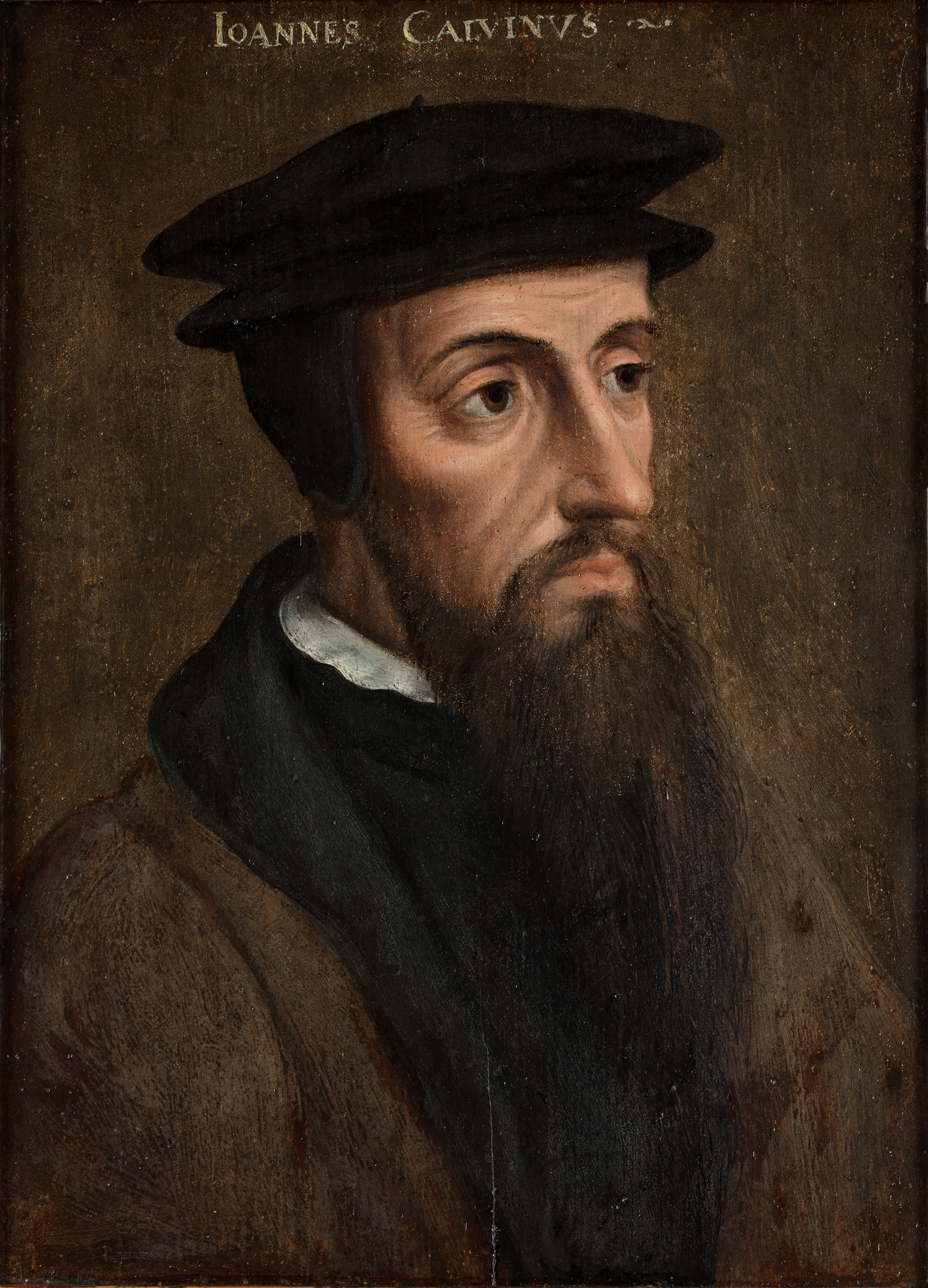
John Calvin, a 16th-century French theologian and pastor, played a pivotal role in the Protestant Reformation, leaving an indelible mark on Christian theology and practice. Born on July 10, 1509, in Noyon, France, Calvin's writings, particularly his seminal work 'Institutes of the Christian Religion', continue to influence Protestant denominations worldwide. His teachings on predestination, the sovereignty of God, and the authority of Scripture remain central to Reformed theology. Calvin's impact extends beyond theology, with his ideas shaping politics, education, and social structures in Europe and beyond. With a Vibe score of 8, reflecting his significant cultural and historical influence, Calvin's legacy is a testament to the enduring power of ideas. As a key figure in the Reformation, Calvin's work continues to spark debate and discussion among scholars and theologians, with some hailing him as a champion of religious freedom and others criticizing his views on predestination and church governance.
🏛️ Introduction to John Calvin
John Calvin was a French theologian, pastor, and reformer in Geneva during the Protestant Reformation, playing a crucial role in shaping the system of Christian theology known as Calvinism. His doctrines of predestination and God's absolute sovereignty in salvation were influenced by Augustinian and other Christian traditions. Calvin's work had a significant impact on the development of various Reformed Church movements, including Continental Reformed, Congregationalism, and Presbyterianism. As a key figure in the Protestant Reformation, Calvin's ideas were also influenced by Martin Luther and Huldrych Zwingli. The city of Geneva, where Calvin spent most of his life, became a hub for Reformed theology and practice, attracting scholars and theologians from across Europe.
📚 Theological Background and Influences
Calvin's theological background was shaped by his studies in Paris and his exposure to Humanist thought. He was particularly influenced by the works of John Chrysostom and St. Augustine, whose ideas on predestination and the sovereignty of God resonated with Calvin. The Protestant Reformation was a complex and multifaceted movement, involving key figures like Philip Melanchthon and John Knox. Calvin's own theology was characterized by a strong emphasis on the authority of Scripture and the importance of faith in salvation. He was also influenced by the Catholic Church traditions, although he ultimately rejected many of its teachings.
💡 Development of Calvinism
The development of Calvinism was a gradual process, shaped by Calvin's interactions with other theologians and his responses to criticisms of his ideas. Calvin's most famous work, Institutes of the Christian Religion, provides a comprehensive overview of his theological system. The Westminster Confession, which was influenced by Calvin's ideas, became a key document in the Reformed tradition. Calvin's theology was also shaped by his experiences as a pastor in Geneva, where he sought to implement his ideas in practice. The Geneva Bible, which was translated by Calvin and his colleagues, became a widely used version of the Bible in the Reformed tradition.
🌎 Spread of Calvinist Doctrines
Calvinist doctrines have spread throughout the world, influencing the development of various Reformed Church movements. The Reformed Church movement, which emerged in the 16th century, was characterized by a strong emphasis on Calvin's theology. The Presbyterian Church, which was founded by John Knox, was another key denomination influenced by Calvin's ideas. Calvinist theology has also had an impact on Baptist and Anglican traditions, although these denominations have not always accepted Calvin's teachings in their entirety. The Waldensians, a medieval sect that emphasized the importance of faith and Scripture, were also influenced by Calvin's ideas.
👥 Key Figures in Calvin's Life and Work
Calvin's life and work were shaped by his interactions with other key figures in the Protestant Reformation. Martin Luther, who is often credited with sparking the Reformation, was a major influence on Calvin's thought. Philip Melanchthon, who was a close friend and colleague of Luther, also played a significant role in shaping Calvin's theology. William Farel, a French theologian and reformer, was instrumental in convincing Calvin to stay in Geneva and become a pastor. Calvin's relationships with these figures, as well as his interactions with other theologians and scholars, helped shape his ideas and influence the development of Calvinism.
📖 Major Works and Writings
Calvin was a prolific writer, and his works include commentaries on Scripture, theological treatises, and letters to other scholars and theologians. The Institutes of the Christian Religion is Calvin's most famous work, providing a comprehensive overview of his theological system. Calvin also wrote commentaries on Psalms and Isaiah, which demonstrate his expertise in biblical interpretation. His letters to other scholars and theologians, such as Heinrich Bullinger, provide valuable insights into his thoughts on theology and practice.
🤝 Relationship with Other Reformers
Calvin's relationships with other reformers were complex and multifaceted. He was a close friend and colleague of William Farel, who shared his passion for reform and his commitment to Scripture. Calvin also interacted with Martin Luther and Philip Melanchthon, although their relationships were not always smooth. The Strasbourg Reformers, who included Martin Bucer and Wolfgang Capito, were also influential in shaping Calvin's thought. Calvin's interactions with these figures helped shape his ideas and influence the development of Calvinism.
🌐 Global Impact of Calvinism
The global impact of Calvinism has been significant, with Calvinist doctrines influencing the development of various Reformed Church movements around the world. The Reformed Church in America, which was founded by Dutch immigrants, is one example of a Calvinist denomination in the United States. The Presbyterian Church in Australia is another example of a Calvinist denomination that has had a significant impact on the country's religious landscape. Calvinist theology has also influenced the development of Evangelicalism and Fundamentalism, although these movements have not always accepted Calvin's teachings in their entirety.
📝 Criticisms and Controversies
Calvin's theology has been subject to various criticisms and controversies over the years. Some have criticized his doctrine of predestination, arguing that it leads to a deterministic view of salvation. Others have challenged his views on the sovereignty of God, arguing that they undermine human freedom and responsibility. The Arminian tradition, which emerged in the 17th century, is one example of a theological movement that has challenged Calvin's ideas. Calvin's views on church government and the role of the state have also been subject to criticism and controversy.
🔍 Legacy and Modern Relevance
Calvin's legacy continues to be felt today, with his ideas influencing a wide range of theological and philosophical debates. The Reformed theology movement, which emerged in the 20th century, is one example of a theological movement that has sought to recover and reinterpret Calvin's ideas for the modern era. Calvin's emphasis on the authority of Scripture and the importance of faith in salvation continues to shape the theology and practice of many Reformed churches around the world. As scholars and theologians continue to engage with Calvin's ideas, it is likely that his legacy will remain a subject of ongoing debate and discussion.
👀 Conclusion and Future Directions
In conclusion, John Calvin was a complex and influential figure in the Protestant Reformation, whose ideas continue to shape the theology and practice of many Reformed churches around the world. As we look to the future, it is likely that Calvin's legacy will remain a subject of ongoing debate and discussion, with scholars and theologians continuing to engage with his ideas and challenge his teachings. The Vibe Score of Calvin's legacy is high, reflecting the significant impact of his ideas on the development of Western theology and philosophy. As we move forward, it will be important to consider the implications of Calvin's ideas for modern society and culture, and to engage with the ongoing debates and discussions surrounding his legacy.
Key Facts
- Year
- 1509
- Origin
- Noyon, France
- Category
- History, Theology, Philosophy
- Type
- Historical Figure
Frequently Asked Questions
What was John Calvin's role in the Protestant Reformation?
John Calvin was a key figure in the Protestant Reformation, playing a crucial role in shaping the system of Christian theology known as Calvinism. His doctrines of predestination and God's absolute sovereignty in salvation were influential in the development of various Reformed Church movements. Calvin's ideas were shaped by his interactions with other theologians and scholars, including Martin Luther and Philip Melanchthon.
What is the significance of Calvin's Institutes of the Christian Religion?
The Institutes of the Christian Religion is Calvin's most famous work, providing a comprehensive overview of his theological system. The book is divided into four sections, covering topics such as the knowledge of God, the knowledge of man, the mode of obtaining the knowledge of Jesus Christ, and the external means or aids by which God invites us to the knowledge of Christ and keeps us in it. The Institutes have had a significant impact on the development of Reformed theology and continue to be studied by scholars and theologians today.
How did Calvin's theology influence the development of Reformed Church movements?
Calvin's theology had a significant impact on the development of various Reformed Church movements, including Continental Reformed, Congregationalism, and Presbyterianism. His emphasis on the authority of Scripture, the importance of faith in salvation, and the sovereignty of God helped shape the theology and practice of these denominations. Calvin's ideas also influenced the development of Baptist and Anglican traditions, although these denominations have not always accepted Calvin's teachings in their entirety.
What are some of the criticisms of Calvin's theology?
Calvin's theology has been subject to various criticisms and controversies over the years. Some have criticized his doctrine of predestination, arguing that it leads to a deterministic view of salvation. Others have challenged his views on the sovereignty of God, arguing that they undermine human freedom and responsibility. The Arminian tradition, which emerged in the 17th century, is one example of a theological movement that has challenged Calvin's ideas.
What is Calvin's legacy in modern society and culture?
Calvin's legacy continues to be felt today, with his ideas influencing a wide range of theological and philosophical debates. The Reformed theology movement, which emerged in the 20th century, is one example of a theological movement that has sought to recover and reinterpret Calvin's ideas for the modern era. Calvin's emphasis on the authority of Scripture and the importance of faith in salvation continues to shape the theology and practice of many Reformed churches around the world.
How does Calvin's theology relate to modern philosophical debates?
Calvin's theology has had a significant impact on modern philosophical debates, particularly in the areas of epistemology and metaphysics. His emphasis on the authority of Scripture and the importance of faith in salvation has influenced the development of Reformed epistemology, which emphasizes the role of faith and reason in the pursuit of knowledge. Calvin's views on the sovereignty of God have also been influential in shaping modern debates about free will and determinism.
What is the significance of Calvin's commentaries on Scripture?
Calvin's commentaries on Scripture, such as his commentaries on Psalms and Isaiah, demonstrate his expertise in biblical interpretation and provide valuable insights into his theological system. Calvin's commentaries have been widely studied and influential in the development of Reformed theology, and continue to be used by scholars and theologians today.