
Contents
- 🏔️ Introduction to John Colter
- 📆 Early Life and Expeditions
- 🗺️ Mapping the American West
- 🏃♂️ The Legendary Run: Colter's Escape
- 🤝 Native American Encounters
- 📚 The Journals of John Colter
- 👥 Colter's Contemporaries: Lewis and Clark
- 🔍 The Search for Colter's Pass
- 🌄 Later Life and Legacy
- 🏞️ Colter's Impact on American History
- 📊 Controversies and Criticisms
- 👀 Conclusion: The Enduring Legacy of John Colter
- Frequently Asked Questions
- Related Topics
Overview
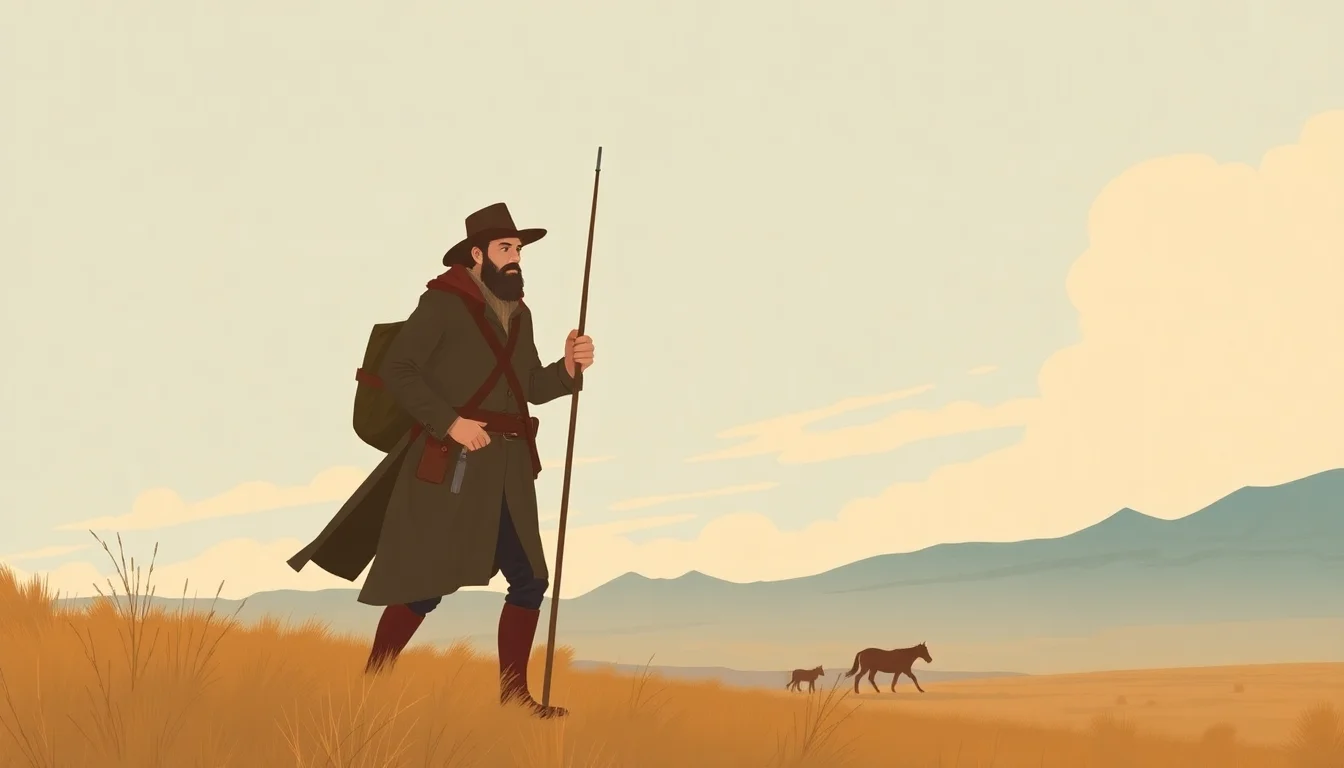
John Colter was a member of the Lewis and Clark expedition, which took place from 1804 to 1806. Born in 1774 in Virginia, Colter was a skilled hunter and outdoorsman who joined the expedition at the age of 30. After the expedition, Colter remained in the western wilderness, exploring the region and interacting with Native American tribes, including the Crow and Blackfoot. His discoveries, including the geothermal wonders of Yellowstone National Park, were largely overlooked during his lifetime, but have since become an important part of American history. Colter's experiences also included a notorious escape from the Blackfoot tribe, in which he was forced to run for his life, earning him a reputation as a rugged and resourceful frontiersman. Despite his significant contributions to the exploration of the American West, Colter's life remains somewhat of a mystery, with many details about his later years and death still debated among historians.
🏔️ Introduction to John Colter
John Colter was a pivotal figure in the exploration of the American West, yet his name is often overshadowed by more famous explorers like Lewis and Clark. Born in 1774, Colter was a skilled hunter and trapper who joined the Corps of Discovery in 1803. He played a crucial role in the expedition, providing valuable insights into the region's geography and Native American tribes. Colter's experiences during this period would later influence his own expeditions, including his discovery of Yellowstone National Park. As a member of the fur trade, Colter's interactions with Native American tribes were complex and multifaceted, reflecting the broader tensions between European-Americans and indigenous peoples.
📆 Early Life and Expeditions
Colter's early life and expeditions were marked by adventure and hardship. He grew up in Virginia and began his career as a trapper and hunter at a young age. In 1803, he joined the Lewis and Clark Expedition, which aimed to explore the western territories of the United States. During this expedition, Colter developed skills that would serve him well in his future endeavors, including navigation, cartography, and diplomacy with Native American tribes. His experiences during this period also deepened his understanding of the region's geography, which would later inform his own explorations, including his discovery of the Grand Teton National Park. Colter's interactions with Native American tribes, such as the Shoshone and Crow, were particularly significant, as they would later influence his own expeditions and encounters with indigenous peoples.
🗺️ Mapping the American West
Colter's mapping of the American West was a significant achievement, as it provided valuable insights into the region's geography and potential resources. In 1807, he embarked on a solo expedition to explore the western territories, during which he discovered several important landmarks, including the South Pass and the Tetons. Colter's maps and journals from this period are still studied by historians and geographers today, offering a unique perspective on the region's early history. His discoveries also had significant implications for the development of the Oregon Trail and the Mormon Trail, which would later become crucial routes for westward expansion. As a skilled cartographer, Colter's work built upon that of earlier explorers, such as Meriwether Lewis and William Clark.
🏃♂️ The Legendary Run: Colter's Escape
One of the most famous stories about John Colter is his legendary run, in which he escaped from the Blackfeet tribe. In 1809, Colter was captured by the Blackfeet while on a trapping expedition. He was forced to run for his life, naked and unarmed, for several miles before reaching the safety of a nearby river. This remarkable feat of endurance has become a legendary tale in American history, symbolizing Colter's bravery and determination. The incident also highlights the complex and often fraught relationships between European-Americans and Native American tribes during this period, as seen in the interactions between Colter and the Flathead tribe. Colter's experiences during this period would later inform his own views on the Native American relations and the challenges of westward expansion.
🤝 Native American Encounters
Colter's encounters with Native American tribes were a significant aspect of his expeditions. He developed relationships with several tribes, including the Shoshone and Crow, and learned about their cultures and traditions. However, his interactions with other tribes, such as the Blackfeet, were often marked by conflict and violence. Colter's experiences reflect the broader complexities of Native American relations during this period, which were shaped by factors such as trade, diplomacy, and territorial expansion. As a member of the fur trade, Colter's interactions with Native American tribes were also influenced by the broader economic and political context of the time, including the role of the Hudson's Bay Company and the American Fur Company.
📚 The Journals of John Colter
Colter's journals and maps from his expeditions provide valuable insights into his experiences and discoveries. His writings offer a unique perspective on the region's geography, geology, and Native American cultures. Colter's journals also reflect his own personality and character, revealing a man who was both adventurous and introspective. As a historical source, Colter's journals are significant, as they provide a firsthand account of the region's early history and the challenges faced by explorers during this period. His writings also demonstrate the importance of cartography and geography in understanding the American West, and the role of explorers like John Jacob Astor in shaping the region's development.
👥 Colter's Contemporaries: Lewis and Clark
Colter's contemporaries, including Meriwether Lewis and William Clark, played important roles in the exploration of the American West. The Lewis and Clark Expedition was a pivotal event in American history, as it marked the first European-American expedition to cross the western territories. Colter's own expeditions built upon the discoveries of Lewis and Clark, and his maps and journals provide valuable insights into the region's geography and potential resources. The relationships between Colter and his contemporaries, including John Jacob Astor and Wilson Price Hunt, reflect the broader social and economic context of the time, including the role of the American Fur Company and the Pacific Fur Company.
🔍 The Search for Colter's Pass
The search for Colter's Pass, a mountain pass discovered by Colter in 1807, has been a topic of interest for historians and geographers. The pass, which is located in the Tetons, was an important landmark for early explorers and traders, as it provided a route through the mountains. Colter's discovery of the pass reflects his skill as a cartographer and explorer, and his maps and journals from this period are still studied by historians today. The search for Colter's Pass also highlights the ongoing importance of geography and cartography in understanding the American West, and the role of explorers like John Colter in shaping our knowledge of the region.
🌄 Later Life and Legacy
Colter's later life and legacy are less well-documented than his early expeditions. After his return from the western territories, Colter settled in Missouri and became a farmer. He died in 1812, at the age of 38, due to complications from jaundice. Despite his relatively short life, Colter's legacy as an explorer and cartographer has endured, and his discoveries continue to shape our understanding of the American West. As a historical figure, Colter's life and experiences reflect the broader themes of westward expansion and the challenges faced by explorers during this period, including the role of the mexican-american war and the California Gold Rush.
🏞️ Colter's Impact on American History
Colter's impact on American history is significant, as his discoveries and maps helped to shape the country's westward expansion. His expeditions provided valuable insights into the region's geography and potential resources, and his interactions with Native American tribes reflect the complexities of Native American relations during this period. As a historical figure, Colter's life and experiences offer a unique perspective on the American West, and his legacy continues to inspire interest and debate among historians and scholars today. The broader implications of Colter's discoveries, including the development of the Transcontinental Railroad and the Interstate Highway System, reflect the ongoing importance of geography and cartography in shaping our understanding of the American West.
📊 Controversies and Criticisms
Colter's life and expeditions have been the subject of controversy and criticism, particularly with regard to his interactions with Native American tribes. Some historians have argued that Colter's actions, including his role in the fur trade, contributed to the displacement and marginalization of Native American communities. Others have criticized Colter's treatment of Native American tribes, including his involvement in violent conflicts with the Blackfeet and other tribes. As a historical figure, Colter's legacy is complex and multifaceted, reflecting both the achievements and challenges of his expeditions. The broader debates surrounding Colter's legacy, including the role of colonialism and imperialism in shaping the American West, highlight the ongoing importance of critical perspectives and nuanced understandings of historical events.
👀 Conclusion: The Enduring Legacy of John Colter
In conclusion, John Colter's life and expeditions offer a fascinating glimpse into the history of the American West. His discoveries and maps provide valuable insights into the region's geography and potential resources, and his interactions with Native American tribes reflect the complexities of Native American relations during this period. As a historical figure, Colter's legacy is complex and multifaceted, reflecting both the achievements and challenges of his expeditions. The ongoing significance of Colter's discoveries, including the development of the National Park Service and the Bureau of Land Management, highlights the importance of continued exploration and conservation of the American West. The future of Colter's legacy, including the potential for renewed interest in his expeditions and discoveries, will depend on our ability to balance the needs of preservation and development in the region.
Key Facts
- Year
- 1806
- Origin
- Virginia, USA
- Category
- History
- Type
- Person
Frequently Asked Questions
Who was John Colter?
John Colter was an American explorer and cartographer who played a significant role in the exploration of the American West. He was a member of the Lewis and Clark Expedition and later led his own expeditions to the western territories. Colter's discoveries and maps provided valuable insights into the region's geography and potential resources, and his interactions with Native American tribes reflect the complexities of Native American relations during this period.
What was Colter's most significant discovery?
Colter's most significant discovery was the South Pass, a mountain pass that provided a route through the Rocky Mountains. This discovery was crucial for the development of the Oregon Trail and the Mormon Trail, which would later become important routes for westward expansion. Colter's discovery of the Tetons and the Yellowstone National Park were also significant, as they reflected the region's unique geology and geography.
What was Colter's relationship with Native American tribes?
Colter's interactions with Native American tribes were complex and multifaceted. He developed relationships with several tribes, including the Shoshone and Crow, and learned about their cultures and traditions. However, his interactions with other tribes, such as the Blackfeet, were often marked by conflict and violence. Colter's experiences reflect the broader complexities of Native American relations during this period, which were shaped by factors such as trade, diplomacy, and territorial expansion.
What was Colter's legacy?
Colter's legacy is complex and multifaceted, reflecting both the achievements and challenges of his expeditions. His discoveries and maps provided valuable insights into the region's geography and potential resources, and his interactions with Native American tribes reflect the complexities of Native American relations during this period. However, Colter's actions, including his role in the fur trade, have also been criticized for their impact on Native American communities. As a historical figure, Colter's legacy continues to inspire interest and debate among historians and scholars today.
Why is Colter's story important?
Colter's story is important because it provides a unique perspective on the history of the American West. His expeditions and discoveries reflect the challenges and opportunities faced by explorers during this period, and his interactions with Native American tribes highlight the complexities of Native American relations. Colter's legacy also continues to shape our understanding of the American West, and his discoveries remain an important part of the region's history and identity. The ongoing significance of Colter's story, including the potential for renewed interest in his expeditions and discoveries, will depend on our ability to balance the needs of preservation and development in the region.
What can we learn from Colter's experiences?
Colter's experiences offer valuable lessons about the importance of exploration, cartography, and cultural sensitivity. His interactions with Native American tribes reflect the complexities of Native American relations during this period, and his discoveries highlight the significance of geography and geology in shaping our understanding of the American West. As a historical figure, Colter's legacy continues to inspire interest and debate among historians and scholars today, and his story remains an important part of the region's history and identity. The broader implications of Colter's experiences, including the role of colonialism and imperialism in shaping the American West, highlight the ongoing importance of critical perspectives and nuanced understandings of historical events.
How does Colter's story fit into the broader narrative of American history?
Colter's story fits into the broader narrative of American history as a significant chapter in the exploration and development of the American West. His expeditions and discoveries reflect the challenges and opportunities faced by explorers during this period, and his interactions with Native American tribes highlight the complexities of Native American relations. Colter's legacy also continues to shape our understanding of the American West, and his discoveries remain an important part of the region's history and identity. The ongoing significance of Colter's story, including the potential for renewed interest in his expeditions and discoveries, will depend on our ability to balance the needs of preservation and development in the region. The broader debates surrounding Colter's legacy, including the role of colonialism and imperialism in shaping the American West, highlight the ongoing importance of critical perspectives and nuanced understandings of historical events.