
Contents
- 🌎 Introduction to Kofi Annan
- 📚 Early Life and Education
- 👥 Career at the United Nations
- 💼 Secretary-General of the United Nations
- 🌈 Post-UN Career and Legacy
- 🏆 Awards and Honors
- 📊 Criticisms and Controversies
- 💔 Death and Tributes
- 🌐 Impact on International Relations
- 📚 Books and Publications
- 👥 Kofi Annan Foundation
- 🕊️ Legacy and Remembrance
- Frequently Asked Questions
- Related Topics
Overview
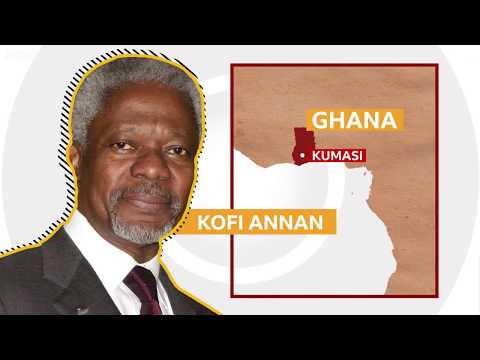
Kofi Annan was a Ghanaian diplomat who served as the seventh Secretary-General of the United Nations from 1997 to 2006. Born on April 8, 1938, in Kumasi, Ghana, Annan's career spanned over four decades, with notable roles in the UN's peacekeeping and humanitarian operations. As Secretary-General, he prioritized conflict prevention, human rights, and sustainable development, earning him the Nobel Peace Prize in 2001. Annan's leadership was marked by controversy, including criticism of the UN's handling of the Rwandan genocide and the Iraq War. Despite these challenges, he remained a respected voice on the global stage, continuing to advocate for peace, justice, and human dignity until his passing on August 18, 2018. Annan's legacy serves as a reminder of the importance of diplomacy, cooperation, and collective action in addressing the world's most pressing problems.
🌎 Introduction to Kofi Annan
Kofi Annan was a Ghanaian diplomat who served as the seventh Secretary-General of the United Nations from 1997 to 2006. He is widely regarded as one of the most effective and influential Secretaries-General in the history of the UN. Annan's career was marked by his commitment to international relations and his efforts to promote peacekeeping and human rights around the world. He was awarded the Nobel Peace Prize in 2001 for his work. Annan's legacy continues to be felt today, with many regarding him as a champion of global governance and sustainable development. His work has inspired a new generation of diplomats and leaders, including Ban Ki-moon and António Guterres.
📚 Early Life and Education
Kofi Annan was born on April 8, 1938, in Kumasi, Ghana. He studied at the Kwame Nkrumah University of Science and Technology and later at the Graduate Institute of International Studies in Geneva. Annan's early life and education laid the foundation for his future career in international diplomacy. He was influenced by his parents, who were both traditional rulers in Ghana, and by his experiences as a student in Europe. Annan's education also exposed him to the ideas of Kwame Nkrumah, who would later become a key figure in Ghana's independence movement. Annan's interest in international relations was further developed during his time at the United Nations Institute for Training and Research.
👥 Career at the United Nations
Kofi Annan began his career at the United Nations in 1962, working in the World Health Organization. He later moved to the United Nations High Commissioner for Refugees and then to the United Nations Development Programme. Annan's work at the UN was marked by his commitment to humanitarian aid and his efforts to promote sustainable development. He worked closely with other UN agencies, including the Food and Agriculture Organization and the United Nations Children's Fund. Annan's experience at the UN also gave him a deep understanding of the complexities of international relations and the challenges of working in a multilateral environment. He was influenced by his colleagues, including Boutros Boutros-Ghali and Javier Pérez de Cuéllar.
💼 Secretary-General of the United Nations
In 1997, Kofi Annan was appointed as the seventh Secretary-General of the United Nations. During his tenure, he focused on reform of the UN and the promotion of peacekeeping and human rights. Annan's leadership was marked by his commitment to multilateralism and his efforts to strengthen the UN's role in international relations. He worked closely with world leaders, including Bill Clinton and Tony Blair, to address global challenges such as climate change and poverty. Annan's tenure was also marked by controversy, including the Iraq War and the genocide in Rwanda. Despite these challenges, Annan remained committed to the principles of the UN and worked tirelessly to promote peace and security around the world. He was supported by his colleagues, including Louise Fréchette and Shashi Tharoor.
🌈 Post-UN Career and Legacy
After leaving the UN, Kofi Annan continued to be involved in international affairs. He founded the Kofi Annan Foundation, which focused on promoting peace, security, and human rights around the world. Annan also worked as a mediator in several conflicts, including the Kenyan election crisis and the Syrian civil war. He was a strong advocate for democracy and good governance, and he worked closely with leaders such as Barack Obama and Angela Merkel to promote these values. Annan's legacy continues to be felt today, with many regarding him as a champion of global governance and sustainable development. He was also a strong supporter of the African Union and the European Union.
🏆 Awards and Honors
Kofi Annan was awarded numerous honors and awards during his career. He was awarded the Nobel Peace Prize in 2001 for his work as Secretary-General of the UN. Annan also received the Presidential Medal of Freedom from President George W. Bush in 2001. He was also awarded the Grand Cross of the Legion of Honour by the French government. Annan's awards and honors are a testament to his commitment to peace and human rights around the world. He was also recognized for his work on climate change and sustainable development. Annan's legacy continues to inspire new generations of leaders, including Greta Thunberg and Malala Yousafzai.
📊 Criticisms and Controversies
Despite his many achievements, Kofi Annan was not without controversy. He was criticized for his handling of the genocide in Rwanda and the Srebrenica massacre. Annan was also criticized for his role in the Iraq War and the war in Afghanistan. Some critics argued that Annan was too willing to compromise with world leaders, including Saddam Hussein and George W. Bush. Annan's response to these criticisms was that he was working to promote peace and security in a complex and challenging world. He believed that diplomacy and dialogue were essential tools in addressing global challenges. Annan's legacy continues to be debated today, with some regarding him as a hero of international relations and others criticizing his record on human rights.
💔 Death and Tributes
Kofi Annan passed away on August 18, 2018, at the age of 80. His death was met with tributes from around the world, including from world leaders such as António Guterres and Angela Merkel. Annan's legacy continues to be felt today, with many regarding him as a champion of global governance and sustainable development. His work at the UN and beyond has inspired a new generation of diplomats and leaders, including Christine Lagarde and Emmanuel Macron. Annan's commitment to peace and human rights remains an inspiration to people around the world. He will be remembered as a true statesman and a champion of international relations.
🌐 Impact on International Relations
Kofi Annan's impact on international relations cannot be overstated. He played a key role in shaping the UN's response to global challenges such as climate change and poverty. Annan's commitment to multilateralism and diplomacy helped to promote peace and security around the world. His work at the UN and beyond has inspired a new generation of diplomats and leaders, including Justin Trudeau and Jacinda Ardern. Annan's legacy continues to be felt today, with many regarding him as a champion of global governance and sustainable development. His work has also had a lasting impact on the African Union and the European Union.
📚 Books and Publications
Kofi Annan was a prolific writer and published several books during his career. His most notable work is Interventions: A Life in War and Peace, which was published in 2012. Annan also wrote We the Peoples: A UN for the Twenty-First Century, which was published in 2000. His books provide valuable insights into his experiences as a diplomat and his views on international relations. Annan's writing has been widely praised for its clarity and insight, and his books remain essential reading for anyone interested in diplomacy and global governance.
👥 Kofi Annan Foundation
The Kofi Annan Foundation was established in 2007 to promote peace, security, and human rights around the world. The foundation works to support democracy and good governance, and to promote sustainable development. The foundation has worked on a range of initiatives, including mediation and conflict resolution. Annan's foundation has also worked to promote youth empowerment and women's rights. The foundation's work continues to inspire new generations of leaders and diplomats, including Alexandria Ocasio-Cortez and Ilhan Omar.
🕊️ Legacy and Remembrance
Kofi Annan's legacy continues to be remembered and celebrated today. He will be remembered as a true statesman and a champion of international relations. Annan's commitment to peace and human rights remains an inspiration to people around the world. His work at the UN and beyond has had a lasting impact on the world, and his legacy continues to shape the course of global governance and sustainable development. Annan's memory will continue to inspire new generations of diplomats and leaders, including Pete Buttigieg and Kamala Harris.
Key Facts
- Year
- 1938
- Origin
- Kumasi, Ghana
- Category
- Biography, International Relations
- Type
- Person
Frequently Asked Questions
What was Kofi Annan's most notable achievement as Secretary-General of the United Nations?
Kofi Annan's most notable achievement as Secretary-General of the United Nations was his efforts to promote peacekeeping and human rights around the world. He was awarded the Nobel Peace Prize in 2001 for his work. Annan's leadership was marked by his commitment to multilateralism and his efforts to strengthen the UN's role in international relations. He worked closely with world leaders, including Bill Clinton and Tony Blair, to address global challenges such as climate change and poverty.
What was Kofi Annan's role in the [[Genocide in Rwanda|genocide in Rwanda]]?
Kofi Annan was criticized for his handling of the genocide in Rwanda as Secretary-General of the United Nations. Annan was head of the UN's peacekeeping department at the time, and he has been accused of not doing enough to prevent the genocide. Annan has acknowledged that the UN failed to respond adequately to the crisis, and he has expressed regret for the UN's inaction. Despite this, Annan's legacy continues to be debated today, with some regarding him as a hero of international relations and others criticizing his record on human rights.
What was Kofi Annan's relationship with world leaders?
Kofi Annan worked closely with world leaders, including Bill Clinton, Tony Blair, and George W. Bush. He was known for his ability to build relationships with leaders and to promote diplomacy and dialogue. Annan's relationships with world leaders were marked by his commitment to multilateralism and his efforts to strengthen the UN's role in international relations. He was a strong advocate for democracy and good governance, and he worked closely with leaders to promote these values.
What is the Kofi Annan Foundation?
The Kofi Annan Foundation was established in 2007 to promote peace, security, and human rights around the world. The foundation works to support democracy and good governance, and to promote sustainable development. The foundation has worked on a range of initiatives, including mediation and conflict resolution. Annan's foundation has also worked to promote youth empowerment and women's rights.
What is Kofi Annan's legacy?
Kofi Annan's legacy is complex and multifaceted. He is widely regarded as one of the most effective and influential Secretaries-General in the history of the UN. Annan's commitment to peace and human rights remains an inspiration to people around the world. His work at the UN and beyond has had a lasting impact on the world, and his legacy continues to shape the course of global governance and sustainable development. Annan's memory will continue to inspire new generations of diplomats and leaders.
How did Kofi Annan contribute to the development of the United Nations?
Kofi Annan contributed to the development of the United Nations through his work as Secretary-General and his efforts to promote reform of the UN. Annan's leadership was marked by his commitment to multilateralism and his efforts to strengthen the UN's role in international relations. He worked closely with world leaders to address global challenges such as climate change and poverty. Annan's legacy continues to be felt today, with many regarding him as a champion of global governance and sustainable development.
What were some of the challenges Kofi Annan faced during his tenure as Secretary-General?
Kofi Annan faced several challenges during his tenure as Secretary-General, including the genocide in Rwanda, the Srebrenica massacre, and the Iraq War. Annan was criticized for his handling of these crises, and he has acknowledged that the UN failed to respond adequately to them. Despite these challenges, Annan's legacy continues to be debated today, with some regarding him as a hero of international relations and others criticizing his record on human rights.