
Contents
- 🔧 Introduction to Mechanization
- 💡 The History of Mechanization
- 🤖 The Role of Machines in Mechanization
- 📈 The Impact of Mechanization on Industry
- 🌎 Globalization and Mechanization
- 🤝 The Interplay between Mechanization and Automation
- 📊 The Economics of Mechanization
- 🚨 The Dark Side of Mechanization
- 💻 The Future of Mechanization
- 👥 The Human Factor in Mechanization
- 📚 Conclusion: Mechanization in the Modern Era
- Frequently Asked Questions
- Related Topics
Overview
Mechanization, which began with the Industrial Revolution in 18th-century Britain, has been a driving force behind human progress, increasing efficiency and productivity in various sectors. However, it has also been a source of controversy, with critics arguing that it leads to job displacement and exacerbates social inequalities. As we enter a new era of automation, with advancements in artificial intelligence and robotics, the debate around mechanization has become more pressing. According to a report by the McKinsey Global Institute, up to 800 million jobs could be lost worldwide due to automation by 2030. Meanwhile, proponents of mechanization argue that it can free humans from mundane tasks, allowing them to focus on more creative and high-value work. The influence of mechanization can be seen in the work of pioneers like Eli Whitney, who patented the cotton gin in 1794, and Henry Ford, who introduced the assembly line in 1913. As we move forward, it's essential to consider the potential consequences of mechanization and ensure that its benefits are shared by all, rather than just a privileged few. With a vibe score of 8, mechanization is a topic that sparks intense debate and discussion, with a controversy spectrum that ranges from optimistic to pessimistic. The entity type is a technological concept, and its origin dates back to the Industrial Revolution in Britain. The year of significant development is 1811, when the Luddite movement emerged in response to the introduction of automated textile machines. The origin of mechanization is closely tied to the work of inventors and entrepreneurs like Richard Arkwright, who developed the water frame in 1769, and Samuel Slater, who built the first successful cotton mill in the United States in 1790.
🔧 Introduction to Mechanization
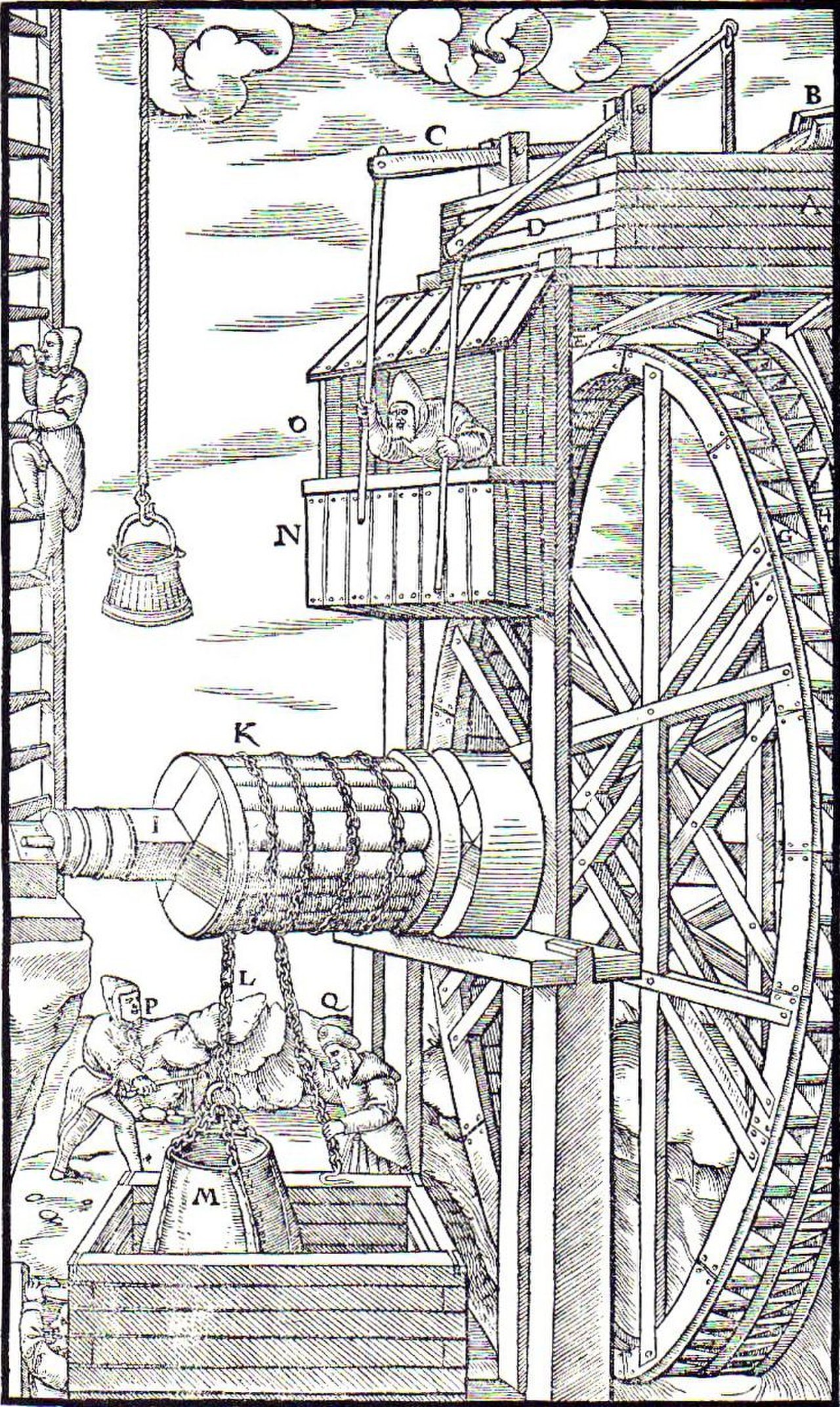
Mechanization is the process of changing from working largely or exclusively by hand or with animals to doing that work with machinery. As explained in the early engineering text, Mechanical Engineering, a machine is defined as a device constructed for the purpose of performing certain mechanical operations. This definition highlights the importance of Machinery in mechanization. The use of machines has revolutionized the way we work and has had a significant impact on Industry as a whole. With the help of machines, we can now perform tasks more efficiently and effectively, leading to increased productivity and Economic Growth. However, mechanization also has its downsides, such as the loss of Jobs and the potential for Environmental Degradation.
💡 The History of Mechanization
The history of mechanization dates back to the Industrial Revolution, where the introduction of machines and factories replaced traditional craftsmanship and Agriculture. This period saw the development of new machines and technologies, such as the Steam Engine and the Spinning Jenny, which enabled mass production and increased efficiency. The impact of mechanization on Society was significant, with many people moving from rural areas to cities in search of work in the new factories. As discussed in Social History, this period also saw the rise of new social classes and the growth of Urbanization.
🤖 The Role of Machines in Mechanization
Machines play a crucial role in mechanization, as they are designed to perform specific tasks and increase productivity. According to the definition of a machine in Mechanical Engineering, every machine is constructed for the purpose of performing certain mechanical operations, which supposes the existence of two other things besides the machine in question, namely, a moving power, and an object subject to the operation, which may be termed the work to be done. Machines, in fact, are interposed between the power and the work, for the purpose of adapting the one to the other. This is evident in the use of Robotics and Artificial Intelligence in modern manufacturing. As explained in Computer Science, these technologies have enabled the development of more complex and efficient machines.
📈 The Impact of Mechanization on Industry
The impact of mechanization on industry has been significant, with many industries experiencing increased productivity and efficiency. As discussed in Business Management, mechanization has enabled companies to reduce costs and increase output, leading to increased competitiveness and Market Share. However, mechanization has also led to the loss of jobs in certain industries, such as Manufacturing and Agriculture. According to Economics, this is due to the substitution of machines for human labor, which can lead to Unemployment and social unrest. As explained in Sociology, this can have significant social and economic implications.
🌎 Globalization and Mechanization
Globalization has also played a significant role in the spread of mechanization, with many countries adopting new technologies and machines to increase productivity and competitiveness. As discussed in International Trade, globalization has enabled the transfer of technology and ideas across borders, leading to the development of new industries and Economic Systems. However, globalization has also led to the exploitation of workers in certain countries, where mechanization has been used to reduce labor costs and increase profits. According to Human Rights, this is a significant concern, as it can lead to the erosion of workers' rights and Social Justice.
🤝 The Interplay between Mechanization and Automation
The interplay between mechanization and Automation is complex, with both technologies working together to increase efficiency and productivity. As explained in Computer Science, automation involves the use of machines and computers to perform tasks without human intervention, while mechanization involves the use of machines to perform specific tasks. According to Engineering, the combination of these technologies has enabled the development of more complex and efficient systems, such as Manufacturing Systems and Logistics.
📊 The Economics of Mechanization
The economics of mechanization are significant, with many companies investing heavily in new machines and technologies to increase productivity and efficiency. As discussed in Finance, the cost of mechanization can be high, but the benefits can be significant, including increased productivity, reduced labor costs, and increased competitiveness. According to Accounting, the return on investment (ROI) of mechanization can be significant, making it an attractive option for many companies. However, the economics of mechanization also raise concerns about the impact on workers and the environment, as discussed in Environmental Economics.
🚨 The Dark Side of Mechanization
The dark side of mechanization is significant, with many workers losing their jobs due to the substitution of machines for human labor. As explained in Sociology, this can lead to significant social and economic implications, including Poverty and Inequality. According to Human Rights, the use of machines and automation can also lead to the erosion of workers' rights and Social Justice. Furthermore, the environmental impact of mechanization can be significant, with the use of machines and energy leading to Pollution and Climate Change.
💻 The Future of Mechanization
The future of mechanization is uncertain, with many experts predicting that new technologies, such as Artificial Intelligence and Robotics, will continue to shape the way we work and live. As discussed in Futurology, the potential benefits of these technologies are significant, including increased productivity, efficiency, and Innovation. However, the potential risks and challenges are also significant, including the loss of jobs, Cybersecurity threats, and Environmental Degradation. According to Science Policy, it is essential to develop policies and regulations that address these challenges and ensure that the benefits of mechanization are shared by all.
👥 The Human Factor in Mechanization
The human factor in mechanization is significant, with many workers experiencing significant changes in their working lives due to the introduction of new machines and technologies. As explained in Psychology, the impact of mechanization on workers can be significant, including Stress, Anxiety, and Depression. According to Human Resources, it is essential to develop strategies that support workers during this transition, including Training and Education. Furthermore, the design of machines and systems must take into account the needs and limitations of human workers, as discussed in Human-Computer Interaction.
📚 Conclusion: Mechanization in the Modern Era
In conclusion, mechanization is a complex and multifaceted phenomenon that has shaped the way we work and live. As discussed in History, the impact of mechanization on society has been significant, with both positive and negative consequences. According to Philosophy, it is essential to consider the ethical implications of mechanization and to develop policies and regulations that address the challenges and risks associated with these technologies. As we look to the future, it is essential to develop a nuanced understanding of mechanization and its impact on human society, as explained in Futures Studies.
Key Facts
- Year
- 1811
- Origin
- Industrial Revolution, Britain
- Category
- Technology and Industry
- Type
- Technological Concept
Frequently Asked Questions
What is mechanization?
Mechanization is the process of changing from working largely or exclusively by hand or with animals to doing that work with machinery. It involves the use of machines and technologies to increase productivity and efficiency. As discussed in Mechanical Engineering, mechanization has revolutionized the way we work and has had a significant impact on Industry as a whole.
What are the benefits of mechanization?
The benefits of mechanization include increased productivity, efficiency, and competitiveness. As explained in Business Management, mechanization can enable companies to reduce costs and increase output, leading to increased Market Share and Economic Growth. However, mechanization also has its downsides, such as the loss of Jobs and the potential for Environmental Degradation.
What are the risks and challenges associated with mechanization?
The risks and challenges associated with mechanization include the loss of jobs, Cybersecurity threats, and Environmental Degradation. As discussed in Science Policy, it is essential to develop policies and regulations that address these challenges and ensure that the benefits of mechanization are shared by all. According to Human Rights, the use of machines and automation can also lead to the erosion of workers' rights and Social Justice.
How has mechanization impacted society?
Mechanization has had a significant impact on society, with both positive and negative consequences. As explained in History, the introduction of machines and factories during the Industrial Revolution led to the growth of new industries and Economic Systems. However, mechanization has also led to the loss of jobs and the potential for Environmental Degradation. According to Sociology, the impact of mechanization on workers and communities can be significant, including Poverty and Inequality.
What is the future of mechanization?
The future of mechanization is uncertain, with many experts predicting that new technologies, such as Artificial Intelligence and Robotics, will continue to shape the way we work and live. As discussed in Futurology, the potential benefits of these technologies are significant, including increased productivity, efficiency, and Innovation. However, the potential risks and challenges are also significant, including the loss of jobs, Cybersecurity threats, and Environmental Degradation.
How can we ensure that the benefits of mechanization are shared by all?
To ensure that the benefits of mechanization are shared by all, it is essential to develop policies and regulations that address the challenges and risks associated with these technologies. As explained in Science Policy, this includes investing in Education and Training programs that support workers during the transition to new technologies. According to Human Resources, it is also essential to develop strategies that support workers during this transition, including Social Protection and Labor Rights.
What is the role of machines in mechanization?
Machines play a crucial role in mechanization, as they are designed to perform specific tasks and increase productivity. As discussed in Mechanical Engineering, every machine is constructed for the purpose of performing certain mechanical operations, which supposes the existence of two other things besides the machine in question, namely, a moving power, and an object subject to the operation, which may be termed the work to be done. Machines, in fact, are interposed between the power and the work, for the purpose of adapting the one to the other.