
Contents
- 🌿 Introduction to Moisturizing
- 💡 The Science of Emollients
- 🧖♀️ The Role of Sebum in Skin Health
- 🌸 The Evolution of Moisturizers
- 🏥 The Impact of Skin Conditions on Moisturizing
- 🧬 The Genetics of Skin Type and Moisturizing
- 🌎 Cultural Perceptions of Moisturizing
- 💄 The Moisturizing Paradox: Balancing Hydration and Protection
- 📊 The Economics of the Moisturizer Industry
- 👥 Expert Insights on Moisturizing
- 🌐 The Future of Moisturizing: Trends and Innovations
- Frequently Asked Questions
- Related Topics
Overview
Moisturizing is a ubiquitous practice with a rich history, dating back to ancient civilizations such as Egypt and Greece, where people used natural ingredients like olive oil and honey to hydrate and protect their skin. Today, the global moisturizer market is projected to reach $14.5 billion by 2025, with a vast array of products catering to different skin types, concerns, and preferences. However, the efficacy and safety of various moisturizing ingredients, such as parabens and sulfates, have sparked intense debates and controversies. According to a study published in the Journal of Clinical and Aesthetic Dermatology, 71% of dermatologists recommend moisturizing as a crucial step in skincare routines, but 45% of consumers are unsure about the best moisturizer for their skin type. As the skincare industry continues to evolve, with the rise of personalized and sustainable products, the conversation around moisturizing is becoming increasingly complex, with experts like Dr. Joshua Zeichner, a dermatologist at Mount Sinai Hospital, advocating for a more nuanced approach to hydration. With the average person using 2-3 moisturizing products daily, the environmental impact of the moisturizing industry is also coming under scrutiny, with companies like L'Oréal and Unilever pledging to reduce their carbon footprint by 50% by 2030. As we move forward, it's essential to consider the intersection of science, culture, and sustainability in the world of moisturizing, and to ask: what does the future of hydration hold, and who will be the key players in shaping this landscape?
🌿 Introduction to Moisturizing
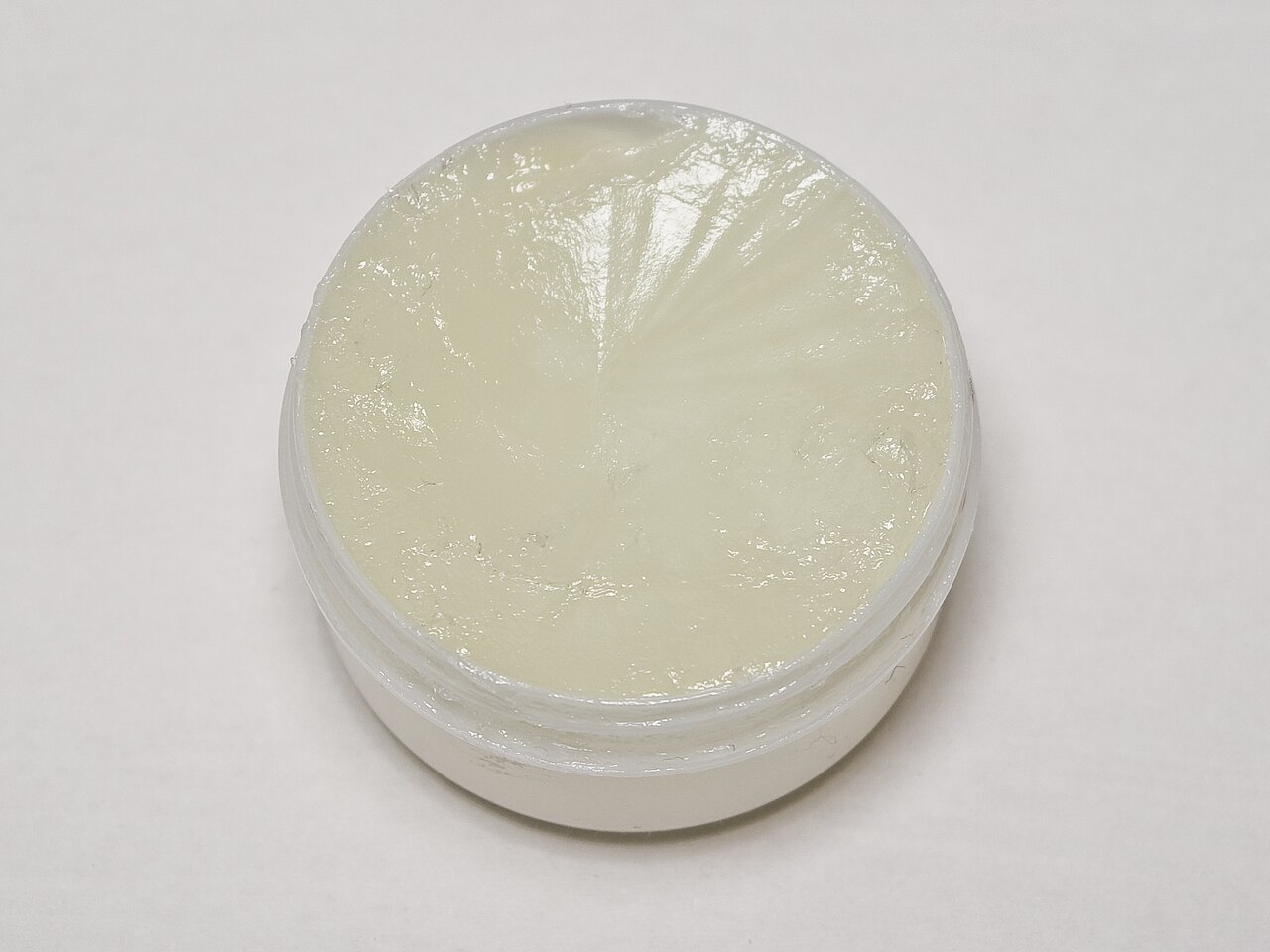
The concept of moisturizing has been around for centuries, with ancient civilizations using various substances to protect and soften their skin. Today, moisturizers are a staple in many people's beauty routines, with a vast array of products available to cater to different skin types and needs. But what exactly is a moisturizer, and how does it work? According to Moisturizer experts, a moisturizer, or emollient, is a cosmetic preparation used for protecting, moisturizing, and lubricating the skin. These functions are normally performed by Sebum produced by healthy skin. The word 'emollient' is derived from the Latin verb Mollire, to soften. As we delve into the world of moisturizing, it's essential to understand the Science of Skin and how it relates to Beauty and Wellness.
💡 The Science of Emollients
The science behind emollients is fascinating, with researchers continually uncovering new insights into how these substances interact with the skin. Emollients work by filling in the gaps between skin cells, creating a barrier that prevents moisture loss and protects the skin from environmental stressors. This is especially important for people with Dry Skin or Sensitive Skin, who may be more prone to irritation and dryness. By understanding the Chemistry of Emollients, we can better appreciate the importance of moisturizing in maintaining healthy, radiant skin. Moreover, the History of Moisturizers reveals a rich and varied landscape of ingredients and techniques used across cultures and centuries.
🧖♀️ The Role of Sebum in Skin Health
Sebum, produced by the skin's sebaceous glands, plays a crucial role in maintaining skin health. It helps to regulate the skin's natural moisture barrier, preventing water loss and protecting the skin from external factors. However, for people with certain Skin Conditions, such as Acne or Eczema, sebum production can be disrupted, leading to imbalances in skin moisture. This is where moisturizers come in – to help supplement the skin's natural moisture barrier and provide additional protection. By exploring the Relationship between Sebum and Moisturizers, we can gain a deeper understanding of the complex interplay between skin health and moisturizing.
🌸 The Evolution of Moisturizers
The evolution of moisturizers has been shaped by advances in technology, changes in consumer preferences, and the discovery of new ingredients. From ancient Egyptian Moisturizers to modern-day Natural Moisturizers, the range of products available has expanded significantly. Today, we have moisturizers tailored to specific skin types, such as Oily Skin or Combination Skin, as well as products that address specific concerns, like Anti-Aging or Hyper-Pigmentation. As we explore the History of Moisturizers, we can appreciate the significant progress that has been made in the development of effective and safe moisturizing products.
🏥 The Impact of Skin Conditions on Moisturizing
Certain skin conditions, such as Psoriasis or Rosacea, can significantly impact a person's moisturizing routine. These conditions often require specialized moisturizers that are gentle, non-irritating, and formulated to address specific skin concerns. By understanding the Impact of Skin Conditions on Moisturizing, we can better support individuals with these conditions and help them find the right moisturizers for their needs. Additionally, Skin Care Routines can play a crucial role in managing skin conditions and maintaining overall skin health.
🧬 The Genetics of Skin Type and Moisturizing
Genetics can also play a role in determining skin type and, subsequently, moisturizing needs. People with certain genetic predispositions may be more prone to dryness, oiliness, or sensitivity, which can affect their moisturizing routine. By exploring the Genetics of Skin Type, we can gain a deeper understanding of how our individual characteristics influence our skin health and moisturizing requirements. Furthermore, Personalized Skin Care is becoming increasingly popular, with many companies offering tailored products and advice based on individual skin types and concerns.
🌎 Cultural Perceptions of Moisturizing
Cultural perceptions of moisturizing vary widely, reflecting different values, traditions, and priorities. In some cultures, moisturizing is seen as an essential part of daily hygiene, while in others, it may be viewed as a luxury or a sign of vanity. By examining the Cultural Significance of Moisturizing, we can appreciate the diverse ways in which people approach skin care and moisturizing. Moreover, the Sociology of Beauty reveals the complex interplay between cultural norms, beauty standards, and individual identity.
💄 The Moisturizing Paradox: Balancing Hydration and Protection
The moisturizing paradox refers to the delicate balance between hydrating the skin and protecting it from external stressors. While moisturizers can provide essential hydration, they can also create a barrier that prevents the skin from 'breathing' and regulating its natural moisture levels. By understanding the Moisturizing Paradox, we can navigate the complex world of moisturizing and find products that meet our individual skin needs. Additionally, Skin Care Trends are constantly evolving, with new ingredients, technologies, and techniques emerging all the time.
📊 The Economics of the Moisturizer Industry
The economics of the moisturizer industry are significant, with billions of dollars spent on moisturizing products each year. The market is driven by consumer demand for effective, safe, and convenient products that cater to diverse skin types and concerns. By analyzing the Economics of Moisturizers, we can appreciate the commercial forces that shape the development and marketing of moisturizing products. Furthermore, Sustainable Beauty is becoming increasingly important, with many consumers seeking eco-friendly and socially responsible products.
👥 Expert Insights on Moisturizing
Experts in the field of dermatology and skin care offer valuable insights into the world of moisturizing. From Dermatologists to Estheticians, these professionals provide guidance on how to choose the right moisturizer, how to use it effectively, and how to maintain healthy, radiant skin. By exploring the Expert Insights on Moisturizing, we can gain a deeper understanding of the complex issues surrounding skin health and moisturizing. Moreover, Skin Care Education is essential for promoting healthy skin habits and informed decision-making.
🌐 The Future of Moisturizing: Trends and Innovations
As we look to the future of moisturizing, we can expect to see new trends, innovations, and technologies emerge. From Nanotechnology to Artificial Intelligence, the possibilities for moisturizer development are vast and exciting. By examining the Future of Moisturizing, we can anticipate the challenges and opportunities that lie ahead and prepare for a future where moisturizing is more effective, sustainable, and personalized than ever before.
Key Facts
- Year
- 2022
- Origin
- Ancient Egypt, circa 1500 BCE
- Category
- Beauty and Wellness
- Type
- Concept
Frequently Asked Questions
What is the primary function of a moisturizer?
The primary function of a moisturizer is to protect, moisturize, and lubricate the skin. It helps to regulate the skin's natural moisture barrier, preventing water loss and protecting the skin from external stressors. Moisturizers can also provide additional benefits, such as soothing dryness, reducing inflammation, and improving skin elasticity. By understanding the Science of Moisturizers, we can appreciate the complex role that moisturizers play in maintaining healthy, radiant skin. For more information, see Moisturizer.
How do I choose the right moisturizer for my skin type?
Choosing the right moisturizer for your skin type can be challenging, but there are several factors to consider. First, identify your skin type – normal, dry, oily, or combination. Then, look for moisturizers that are formulated for your skin type and address your specific concerns, such as Acne or Hyper-Pigmentation. It's also essential to read the ingredient label and look for products that are gentle, non-irritating, and free from harsh chemicals. For more guidance, see Skin Care Routines and Personalized Skin Care.
Can moisturizers really make a difference in skin health?
Yes, moisturizers can make a significant difference in skin health. By providing essential hydration and protection, moisturizers can help to regulate the skin's natural moisture barrier, reduce inflammation, and improve skin elasticity. Additionally, moisturizers can address specific skin concerns, such as dryness, oiliness, or sensitivity, and provide a range of benefits, from soothing and calming to brightening and firming. For more information, see Skin Conditions and Beauty and Wellness.
What are some common ingredients in moisturizers?
Moisturizers can contain a wide range of ingredients, from natural oils and extracts to synthetic chemicals and preservatives. Some common ingredients include Hyaluronic Acid, Glycerin, Ceramides, and Niacinamide. These ingredients can provide hydration, protection, and other benefits, such as soothing, brightening, or firming. However, it's essential to read the ingredient label and look for products that are gentle, non-irritating, and free from harsh chemicals. For more information, see Chemistry of Emollients.
How often should I moisturize my skin?
The frequency of moisturizing depends on your skin type and concerns. Generally, it's recommended to moisturize your skin at least once or twice a day, depending on your skin type and the climate you live in. For example, people with Dry Skin may need to moisturize more frequently, while those with Oily Skin may need to moisturize less often. It's also essential to moisturize after bathing or showering, as well as after exposure to harsh environmental conditions, such as wind or cold weather. For more guidance, see Skin Care Routines.
Can I make my own moisturizer at home?
Yes, you can make your own moisturizer at home using natural ingredients, such as oils, butters, and extracts. However, it's essential to follow proper guidelines and safety precautions to ensure that your homemade moisturizer is effective, safe, and free from contamination. You can find many recipes and tutorials online, but be sure to research the ingredients and methods carefully before attempting to make your own moisturizer. For more information, see Natural Moisturizers and DIY Skin Care.
What is the difference between a moisturizer and a serum?
A moisturizer and a serum are two different types of skin care products that serve distinct purposes. A moisturizer is designed to provide hydration, protection, and other benefits to the skin, while a serum is a concentrated formula that targets specific skin concerns, such as Fine Lines and Wrinkles or Hyper-Pigmentation. Serums are typically applied before moisturizers and can provide an extra layer of benefits and protection. For more information, see Skin Care Routines and Serums.