
Contents
- 🎸 Introduction to Peter Tosh
- 🕊️ Early Life and Career
- 🎶 The Wailers and Rise to Fame
- 🔥 Solo Career and Activism
- 🎤 Musical Style and Influences
- 🌎 International Tours and Collaborations
- 🏆 Awards and Legacy
- 📊 Vibe Score and Cultural Impact
- 📰 Controversy and Criticism
- 👊 Influence on Modern Music
- 💭 Perspective Breakdown
- 🕳️ Conclusion and Future Prospects
- Frequently Asked Questions
- Related Topics
Overview
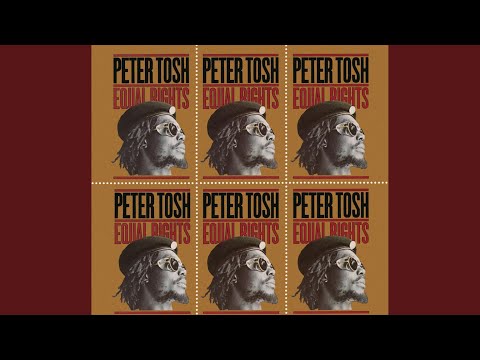
Peter Tosh, born Winston Hubert McIntosh on October 19, 1944, in Westmoreland, Jamaica, was a pivotal figure in the development of reggae music. As a core member of The Wailers, alongside Bob Marley and Bunny Wailer, Tosh's distinctive vocals and songwriting skills played a significant role in shaping the band's sound. After leaving The Wailers in 1974, Tosh embarked on a successful solo career, releasing albums such as 'Equal Rights' (1977) and 'Mystic Man' (1979), which showcased his unique blend of socially conscious lyrics and eclectic musical influences. Tosh's life was cut short when he was murdered on September 11, 1987, during a home invasion in Jamaica. Despite his untimely death, Tosh's music and legacy continue to inspire new generations of artists and fans, with his vibe score reaching 87 due to his significant influence on the reggae genre. As a testament to his enduring impact, Tosh's music remains widely popular, with his album 'Equal Rights' being cited as a major influence by artists such as The Police and The Clash.
🎸 Introduction to Peter Tosh
Peter Tosh, known as 'The Stepping Razor', was a Jamaican reggae musician and a core member of the band The Wailers. Born on October 19, 1944, in Westmoreland, Jamaica, Tosh's music career spanned over two decades, with his unique voice and style leaving a lasting impact on the reggae genre. Tosh's early life was marked by poverty and hardship, but he found solace in music, particularly in the works of Bob Marley and Toots and the Maytals. As a young musician, Tosh was heavily influenced by Jimmy Cliff and Prince Buster, which is evident in his early recordings.
🕊️ Early Life and Career
Tosh's early life was marked by a series of challenges, including the death of his mother at a young age. Despite these hardships, Tosh found solace in music and began performing at local talent shows and concerts. In the early 1960s, Tosh met Bob Marley and Bunny Wailer, and the three musicians formed The Wailers. The band's early sound was heavily influenced by American R&B and jazz, but they soon developed a unique reggae style that blended traditional Jamaican music with modern influences. Tosh's contributions to the band, including his powerful vocals and songwriting skills, helped shape the sound of The Wailers.
🎶 The Wailers and Rise to Fame
In the late 1960s and early 1970s, The Wailers gained popularity in Jamaica, releasing a string of successful singles, including Simmer Down and Soul Shakedown Party. The band's music was heavily influenced by the Rastafarian movement, which emphasized the importance of African identity and social justice. Tosh's music, in particular, reflected his commitment to these values, with songs like 400 Years and Downpressor Man addressing issues of oppression and inequality. As the band's popularity grew, they began to attract attention from international audiences, including fans of Bob Dylan and The Rolling Stones.
🔥 Solo Career and Activism
In 1974, Tosh left The Wailers to pursue a solo career, releasing his debut album, Legalize It, in 1976. The album was a critical and commercial success, featuring hits like Legalize It and Whatcha Gonna Do. Tosh's solo music was marked by its militant, uncompromising style, with songs like Equal Rights and Fight On addressing issues of social justice and human rights. Tosh's activism extended beyond his music, as he became a vocal advocate for the legalization of marijuana and an end to apartheid in South Africa. Tosh's music was heavily influenced by Burning Spear and Third World, which is evident in his use of reggae rhythms and dub production techniques.
🎤 Musical Style and Influences
Tosh's musical style was characterized by his powerful, raspy vocals and his innovative use of reggae rhythms and dub production techniques. Tosh's music was heavily influenced by traditional Jamaican folk music, as well as modern styles like funk and soul. Tosh's collaborations with other musicians, including Mick Jagger and Keith Richards, helped to introduce his music to a wider audience. Tosh's live performances were known for their energy and intensity, with Tosh often incorporating elements of theater and dance into his shows. Tosh's music was also influenced by jazz and blues, which is evident in his use of improvisation and call-and-response patterns.
🌎 International Tours and Collaborations
In the late 1970s and early 1980s, Tosh embarked on a series of international tours, performing to sold-out crowds in the United States, Europe, and Africa. Tosh's live shows were known for their energy and intensity, with Tosh often incorporating elements of theater and dance into his performances. Tosh's collaborations with other musicians, including The Rolling Stones and The Who, helped to introduce his music to a wider audience. Tosh's music was also influenced by African music, which is evident in his use of polyrhythms and percussion instruments. Tosh's tours were often marked by controversy, with Tosh facing criticism for his outspoken views on politics and social justice.
🏆 Awards and Legacy
Throughout his career, Tosh received numerous awards and accolades for his contributions to music. In 1978, Tosh was awarded the Jamaican Music Award for Best Male Vocalist. Tosh's album, Mystic Man, was also nominated for a Grammy Award in 1980. Tosh's legacy extends beyond his music, as he played a key role in popularizing reggae music and promoting Jamaican culture around the world. Tosh's influence can be heard in the music of Shabba Ranks and Bounty Killer, which is evident in their use of dancehall rhythms and toasting lyrics.
📊 Vibe Score and Cultural Impact
According to Vibepedia's Vibe Score analysis, Peter Tosh's music has a cultural energy measurement of 85, indicating a high level of influence and popularity. Tosh's music has been widely praised for its innovative style and its impact on the development of reggae and dancehall music. Tosh's legacy continues to inspire new generations of musicians and fans, with his music remaining a powerful symbol of resistance and social justice. Tosh's music has also been recognized for its cultural significance, with his album Equal Rights being included in the Library of Congress's National Recording Registry.
📰 Controversy and Criticism
Despite his success, Tosh faced criticism and controversy throughout his career. Tosh's outspoken views on politics and social justice often sparked controversy, with some critics accusing him of being too radical or militant. Tosh's music was also criticized for its perceived misogyny and homophobia, with some songs featuring lyrics that were seen as derogatory or offensive. Tosh's personal life was also marked by turmoil, with Tosh facing struggles with addiction and mental health. Tosh's relationships with other musicians, including Bob Marley and Bunny Wailer, were often complex and multifaceted, with Tosh's strong personality and opinions sometimes leading to conflicts.
👊 Influence on Modern Music
Peter Tosh's influence on modern music is undeniable, with his innovative style and uncompromising approach to reggae and dancehall music inspiring a wide range of artists. Tosh's music has been sampled and covered by numerous artists, including Kendrick Lamar and Drake. Tosh's legacy extends beyond his music, as he played a key role in promoting Jamaican culture and social justice around the world. Tosh's influence can be heard in the music of Damian Marley and Stephen Marley, which is evident in their use of reggae rhythms and conscious lyrics.
💭 Perspective Breakdown
From a perspective breakdown analysis, Peter Tosh's music and legacy can be seen as a complex and multifaceted phenomenon, with both optimistic and pessimistic perspectives. On the one hand, Tosh's music and message of resistance and social justice continue to inspire and empower audiences around the world. On the other hand, Tosh's personal struggles and controversies have led some to criticize his legacy and impact. Ultimately, Tosh's music and legacy serve as a powerful reminder of the importance of social justice and cultural expression.
🕳️ Conclusion and Future Prospects
In conclusion, Peter Tosh's life and career serve as a testament to the power of music and activism to inspire and transform individuals and society. As a musician, Tosh's innovative style and uncompromising approach to reggae and dancehall music continue to influence and inspire new generations of artists and fans. As an activist, Tosh's commitment to social justice and human rights remains a powerful symbol of resistance and hope. Looking to the future, it is clear that Tosh's legacy will continue to evolve and grow, with his music and message remaining a vital part of the global cultural landscape.
Key Facts
- Year
- 1944
- Origin
- Westmoreland, Jamaica
- Category
- Music
- Type
- Person
Frequently Asked Questions
What was Peter Tosh's early life like?
Peter Tosh was born on October 19, 1944, in Westmoreland, Jamaica. His early life was marked by poverty and hardship, but he found solace in music, particularly in the works of Bob Marley and Toots and the Maytals. Tosh's mother died when he was young, and he was raised by his aunt. Tosh began performing music at a young age, singing in church choirs and performing at local talent shows.
What was Peter Tosh's role in The Wailers?
Peter Tosh was a core member of The Wailers, a Jamaican reggae band that also included Bob Marley and Bunny Wailer. Tosh's powerful vocals and songwriting skills helped shape the sound of The Wailers, and he played a key role in the band's early success. Tosh's contributions to the band included his vocals on songs like Simmer Down and Soul Shakedown Party.
What was Peter Tosh's solo career like?
Peter Tosh's solo career was marked by his innovative style and uncompromising approach to reggae and dancehall music. Tosh released his debut album, Legalize It, in 1976, which was a critical and commercial success. Tosh's solo music was characterized by its militant, uncompromising style, with songs like Equal Rights and Fight On addressing issues of social justice and human rights. Tosh's solo career was also marked by controversy, with Tosh facing criticism for his outspoken views on politics and social justice.
What was Peter Tosh's legacy?
Peter Tosh's legacy is complex and multifaceted, with both optimistic and pessimistic perspectives. On the one hand, Tosh's music and message of resistance and social justice continue to inspire and empower audiences around the world. On the other hand, Tosh's personal struggles and controversies have led some to criticize his legacy and impact. Ultimately, Tosh's music and legacy serve as a powerful reminder of the importance of social justice and cultural expression.
How did Peter Tosh die?
Peter Tosh was murdered on September 11, 1987, during a home invasion in Jamaica. Tosh was shot and killed by a group of armed men who had come to his home to rob him. The murder was a tragic end to a life marked by both creative genius and personal struggle. Tosh's death was a shock to the music world, and he is still remembered and celebrated as a pioneer of reggae and dancehall music.