
Contents
- 🌎 Introduction to Plastic Pollution
- 🚮 The Rise of Plastic Waste
- 🌟 The Chemistry of Plastic Degradation
- 🐳 The Impact on Marine Life
- 🏞️ Plastic Pollution in Terrestrial Ecosystems
- 📊 The Economics of Plastic Production
- 🚮 Mismanaged Waste and the Environment
- 🌈 Solutions to the Plastic Epidemic
- 🤝 International Cooperation and Policy
- 📢 Raising Awareness and Education
- 📊 The Future of Plastic Waste Management
- 🌟 Conclusion: A Call to Action
- Frequently Asked Questions
- Related Topics
Overview
Plastic waste, with its origins tracing back to the early 20th century, has evolved into a global crisis, contaminating oceans, soil, and air. The statistics are stark: over 8 million tons of plastic waste enter the world's oceans annually, and if trends continue, there will be more plastic than fish in the ocean by 2050, according to the Ellen MacArthur Foundation. The impact on marine life is devastating, with plastic debris causing the deaths of over 100,000 marine animals each year. Despite growing awareness and efforts to curb plastic use, the production of plastic continues to rise, with the global plastic production reaching 368 million metric tons in 2020, as reported by Plastics Europe. The economic costs are also significant, with plastic pollution estimated to cost $2.2 billion to the U.S. alone annually. As the world grapples with this issue, innovators, policymakers, and individuals are racing against time to find sustainable solutions, from biodegradable plastics to circular economy models, to mitigate the effects of plastic waste before it's too late.
🌎 Introduction to Plastic Pollution
The accumulation of plastic objects and particles in the Earth's environment has become a pressing concern, with far-reaching consequences for humans, wildlife, and their habitats. As discussed in Plastic Pollution, plastics that act as pollutants are categorized by size into micro-, meso-, or macro debris. The adaptability and durability of plastics have made them a popular choice for manufacturers, but their resistance to natural degradation processes has led to a significant buildup of plastic waste in the environment. For more information on the effects of plastic pollution, visit Environmental Science. The impact of plastic pollution is also closely linked to Climate Change, as the production and disposal of plastics contribute to greenhouse gas emissions.
🚮 The Rise of Plastic Waste
The rise of plastic waste can be attributed to the increasing demand for plastic products, driven by their low cost and versatility. As noted in Plastic Production, the chemical structure of most plastics renders them resistant to many natural processes of degradation, allowing large volumes of plastic to enter the environment as mismanaged waste. This has led to a significant accumulation of plastic debris in oceans and landfills, with devastating consequences for marine life and ecosystems. To learn more about the impact of plastic waste on marine life, visit Marine Biology. The United Nations has also recognized the need to address plastic pollution, and has launched initiatives to reduce plastic waste and promote sustainable practices.
🌟 The Chemistry of Plastic Degradation
The chemistry of plastic degradation is a complex process, involving the breakdown of plastic molecules into smaller components. However, as discussed in Plastic Degradation, most plastics are resistant to natural degradation processes, and can take hundreds of years to decompose. This has led to a significant buildup of plastic waste in the environment, with microplastics and other small plastic particles being ingested by animals and entering the food chain. For more information on the effects of microplastics on human health, visit Human Health. The World Health Organization has also recognized the need to address the impact of microplastics on human health, and has launched initiatives to reduce exposure to microplastics.
🐳 The Impact on Marine Life
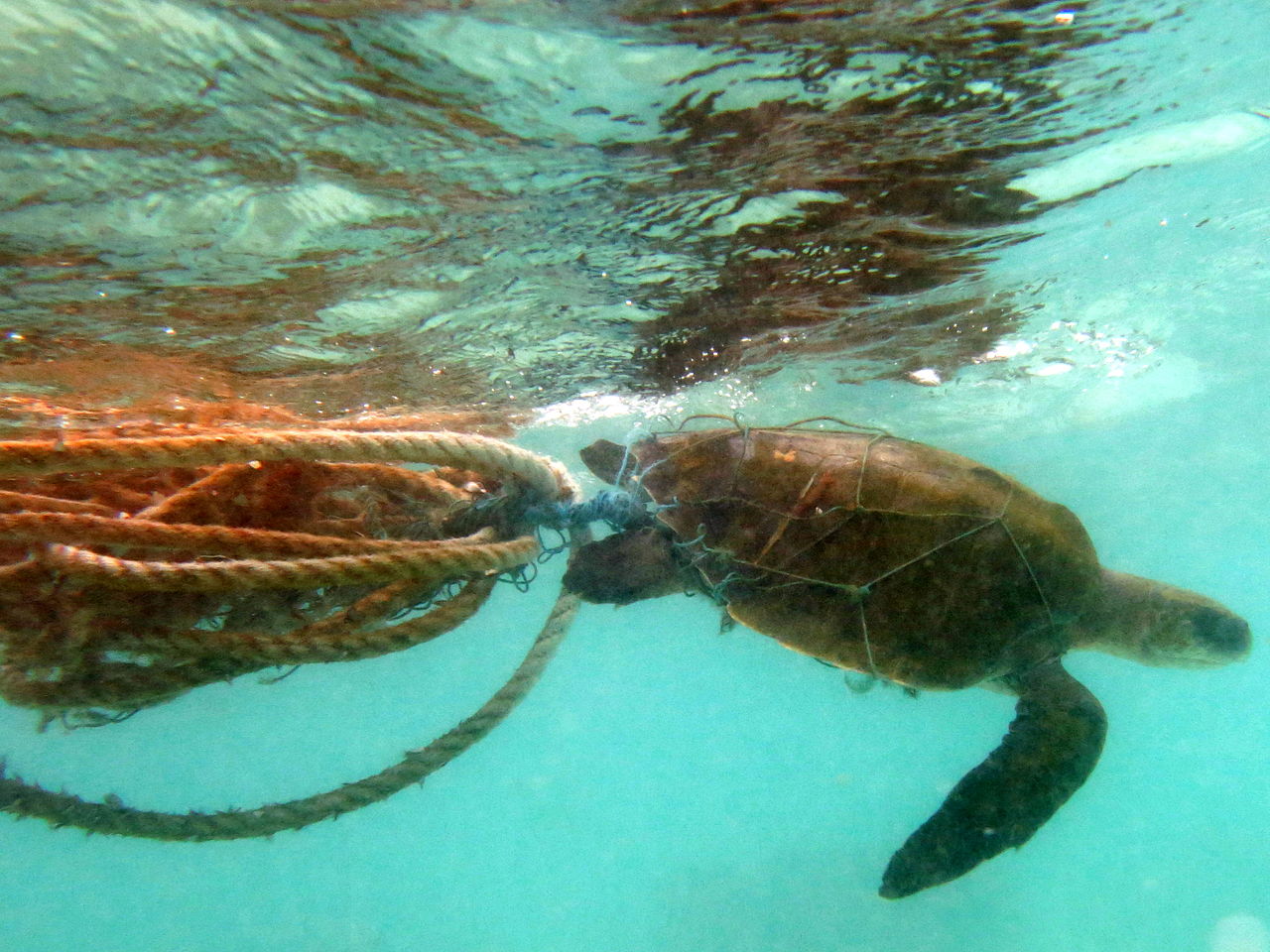
The impact of plastic pollution on marine life is a major concern, with millions of animals being killed or injured by plastic debris each year. As noted in Marine Conservation, plastic pollution can cause entanglement, suffocation, and ingestion of plastic debris, leading to a range of health problems and even death. The Ocean Conservancy has also recognized the need to address plastic pollution in oceans, and has launched initiatives to reduce plastic waste and promote sustainable fishing practices. For more information on the impact of plastic pollution on marine ecosystems, visit Ecosystem Services.
🏞️ Plastic Pollution in Terrestrial Ecosystems
Plastic pollution is not limited to marine ecosystems, and can also have significant impacts on terrestrial ecosystems. As discussed in Terrestrial Ecology, plastic debris can accumulate in soil and waterways, causing harm to plants and animals. The Environmental Protection Agency has also recognized the need to address plastic pollution in terrestrial ecosystems, and has launched initiatives to reduce plastic waste and promote sustainable land use practices. For more information on the effects of plastic pollution on terrestrial ecosystems, visit Ecosystem Management.
📊 The Economics of Plastic Production
The economics of plastic production are a significant factor in the plastic pollution epidemic, with the low cost of plastic production making it an attractive option for manufacturers. However, as noted in Plastic Economics, the true cost of plastic production is much higher, taking into account the environmental and health impacts of plastic pollution. The World Bank has also recognized the need to address the economic impacts of plastic pollution, and has launched initiatives to promote sustainable plastic production and waste management practices. For more information on the economics of plastic production, visit Sustainable Development.
🚮 Mismanaged Waste and the Environment
Mismanaged waste is a significant contributor to the plastic pollution epidemic, with large volumes of plastic waste entering the environment due to inadequate waste management practices. As discussed in Waste Management, the lack of effective waste management infrastructure in many countries has led to a significant buildup of plastic waste in the environment. The United Nations Environment Programme has also recognized the need to address mismanaged waste, and has launched initiatives to promote sustainable waste management practices. For more information on the impact of mismanaged waste on the environment, visit Environmental Governance.
🌈 Solutions to the Plastic Epidemic
Solutions to the plastic epidemic are multifaceted, and require a range of approaches to address the root causes of plastic pollution. As noted in Plastic Reduction, reducing plastic production and consumption is a critical step in addressing plastic pollution, and can be achieved through a range of measures such as extended producer responsibility and plastic bag bans. The Ellen MacArthur Foundation has also recognized the need to address plastic pollution, and has launched initiatives to promote circular economy practices and reduce plastic waste. For more information on the solutions to the plastic epidemic, visit Sustainable Living.
🤝 International Cooperation and Policy
International cooperation and policy are critical in addressing the plastic pollution epidemic, with governments and organizations around the world working together to develop and implement effective solutions. As discussed in International Cooperation, the development of global agreements and policies, such as the Basel Convention, has helped to promote cooperation and coordination on plastic pollution issues. The United Nations Conference on Trade and Development has also recognized the need to address plastic pollution, and has launched initiatives to promote sustainable trade and development practices. For more information on international cooperation on plastic pollution, visit Global Governance.
📢 Raising Awareness and Education
Raising awareness and education are critical components of addressing the plastic pollution epidemic, with individuals and communities around the world needing to be informed about the impacts of plastic pollution and the actions they can take to reduce their plastic footprint. As noted in Environmental Education, education and awareness-raising efforts can help to promote behavior change and encourage individuals to adopt more sustainable practices. The World Wildlife Fund has also recognized the need to address plastic pollution, and has launched initiatives to promote education and awareness-raising on plastic pollution issues. For more information on the importance of education and awareness-raising, visit Sustainability Education.
📊 The Future of Plastic Waste Management
The future of plastic waste management is uncertain, but it is clear that significant changes are needed to address the plastic pollution epidemic. As discussed in Plastic Waste Management, the development of new technologies and approaches, such as biodegradable plastics and advanced recycling technologies, may help to reduce plastic waste and promote more sustainable practices. The National Science Foundation has also recognized the need to address plastic pollution, and has launched initiatives to promote research and development on plastic waste management and reduction. For more information on the future of plastic waste management, visit Waste Reduction.
🌟 Conclusion: A Call to Action
In conclusion, the plastic pollution epidemic is a complex and multifaceted issue, requiring a range of approaches and solutions to address its root causes. As noted in Plastic Pollution Solutions, individuals, communities, and governments around the world must work together to reduce plastic production and consumption, promote sustainable waste management practices, and protect the environment from the impacts of plastic pollution. The United Nations Sustainable Development Goals have also recognized the need to address plastic pollution, and have included targets to reduce marine pollution and promote sustainable consumption and production practices. For more information on the conclusion and call to action, visit Sustainable Future.
Key Facts
- Year
- 2020
- Origin
- Global, with significant contributions from industrialized nations
- Category
- Environmental Science
- Type
- Environmental Issue
Frequently Asked Questions
What is plastic pollution?
Plastic pollution is the accumulation of plastic objects and particles in the Earth's environment that adversely affects humans, wildlife, and their habitats. It is a complex issue that requires a range of approaches and solutions to address its root causes. For more information on plastic pollution, visit Plastic Pollution. The Environmental Protection Agency has also recognized the need to address plastic pollution, and has launched initiatives to reduce plastic waste and promote sustainable practices.
What are the impacts of plastic pollution on human health?
The impacts of plastic pollution on human health are significant, with exposure to microplastics and other plastic pollutants linked to a range of health problems, including cancer, reproductive issues, and respiratory problems. For more information on the impacts of plastic pollution on human health, visit Human Health. The World Health Organization has also recognized the need to address the impact of microplastics on human health, and has launched initiatives to reduce exposure to microplastics.
What can individuals do to reduce their plastic footprint?
Individuals can take a range of actions to reduce their plastic footprint, including reducing their use of single-use plastics, recycling, and supporting organizations that work to address plastic pollution. For more information on reducing plastic waste, visit Plastic Reduction. The Ellen MacArthur Foundation has also recognized the need to address plastic pollution, and has launched initiatives to promote circular economy practices and reduce plastic waste.
What is the role of governments in addressing plastic pollution?
Governments play a critical role in addressing plastic pollution, with responsibilities including developing and implementing effective waste management policies, regulating plastic production and use, and promoting education and awareness-raising on plastic pollution issues. For more information on the role of governments in addressing plastic pollution, visit Environmental Governance. The United Nations Environment Programme has also recognized the need to address plastic pollution, and has launched initiatives to promote sustainable waste management practices.
What is the future of plastic waste management?
The future of plastic waste management is uncertain, but it is clear that significant changes are needed to address the plastic pollution epidemic. The development of new technologies and approaches, such as biodegradable plastics and advanced recycling technologies, may help to reduce plastic waste and promote more sustainable practices. For more information on the future of plastic waste management, visit Plastic Waste Management. The National Science Foundation has also recognized the need to address plastic pollution, and has launched initiatives to promote research and development on plastic waste management and reduction.
How can individuals get involved in addressing plastic pollution?
Individuals can get involved in addressing plastic pollution by supporting organizations that work to address plastic pollution, participating in beach cleanups and other community events, and advocating for policy changes to reduce plastic production and promote sustainable waste management practices. For more information on getting involved in addressing plastic pollution, visit Sustainability Education. The World Wildlife Fund has also recognized the need to address plastic pollution, and has launched initiatives to promote education and awareness-raising on plastic pollution issues.
What are the economic impacts of plastic pollution?
The economic impacts of plastic pollution are significant, with the true cost of plastic production and waste management estimated to be in the trillions of dollars. For more information on the economic impacts of plastic pollution, visit Plastic Economics. The World Bank has also recognized the need to address the economic impacts of plastic pollution, and has launched initiatives to promote sustainable plastic production and waste management practices.