
Contents
- 🔌 Introduction to Power Generation
- 💡 History of Electricity Generation
- 🌎 Renewable Energy Sources
- 🔋 Energy Storage and Grid Management
- 📈 Economics of Power Generation
- 🚀 Innovations in Power Generation
- 🌟 Nuclear Power and Its Controversies
- 🌍 Global Energy Trends and Outlook
- 👥 Key Players in the Power Generation Industry
- 📊 Environmental Impact of Power Generation
- 💻 Smart Grids and the Future of Power Distribution
- Frequently Asked Questions
- Related Topics
Overview
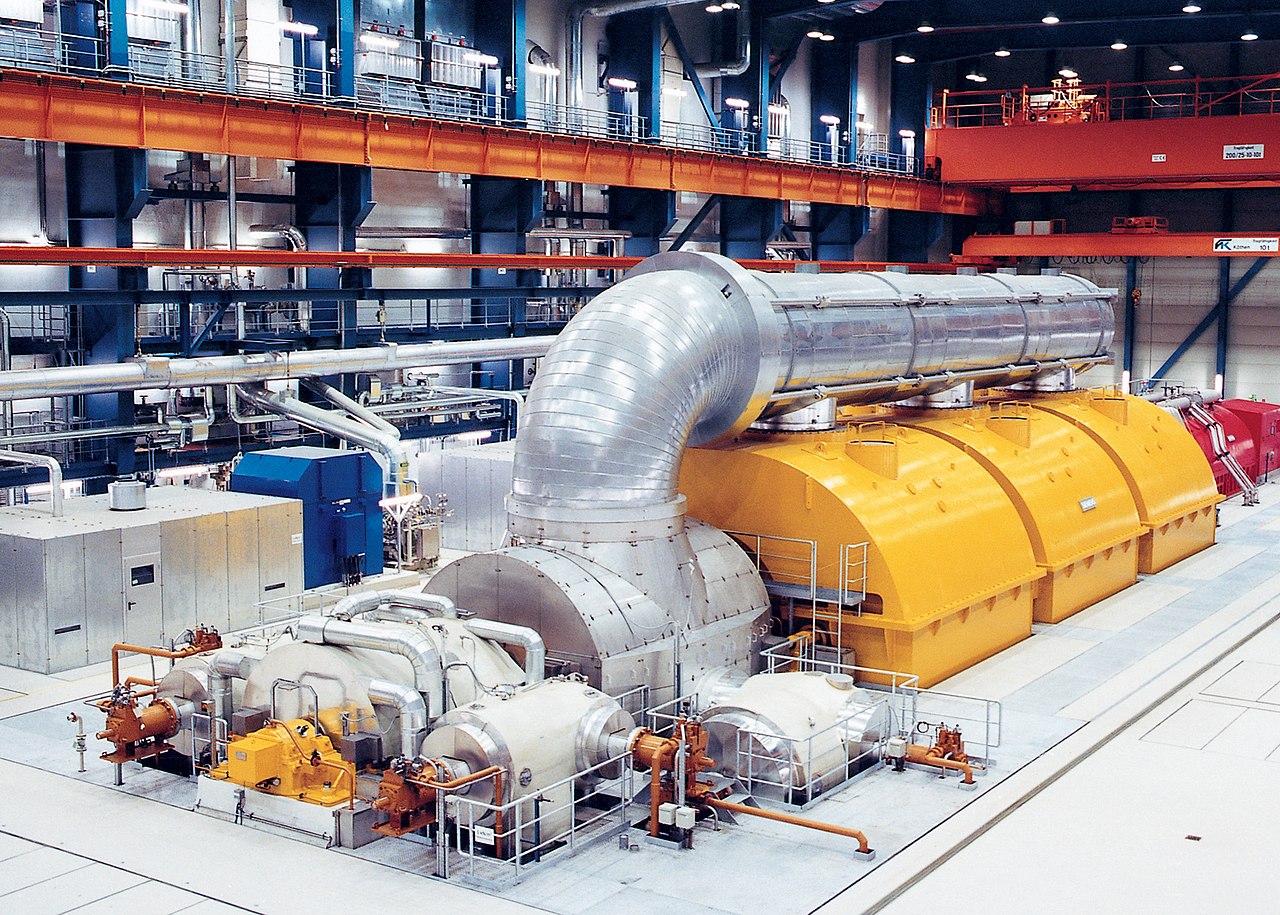
Power generation is the process of converting various forms of energy into electrical energy, with a history dating back to the 19th century when the first power plants were built. Today, power generation is a complex and multifaceted industry, with a wide range of technologies and fuels used to produce electricity, including fossil fuels, nuclear, hydro, wind, and solar. The shift towards renewable energy sources has gained significant momentum in recent years, driven by concerns over climate change, energy security, and sustainability. According to the International Energy Agency (IEA), renewable energy accounted for 26% of global electricity generation in 2020, up from 21% in 2015. The growth of renewable energy is expected to continue, with the IEA predicting that renewables will account for 60% of global electricity generation by 2050. As the world continues to urbanize and energy demand increases, the development of new power generation technologies and infrastructure will play a critical role in shaping the future of energy production and consumption.
🔌 Introduction to Power Generation
Power generation is the backbone of modern society, providing the energy needed to power homes, businesses, and industries. The process of generating electric power from primary energy sources is a complex one, involving various technologies and infrastructure. Energy storage systems, such as pumped-storage hydroelectricity, play a crucial role in stabilizing the grid and ensuring a reliable supply of electricity. As the world transitions towards a more sustainable energy mix, renewable energy sources like solar and wind power are becoming increasingly important. The electric power industry is undergoing a significant transformation, driven by advances in technology and changing consumer demands.
💡 History of Electricity Generation
The history of electricity generation dates back to the late 19th century, when the first power plants were built to supply electricity to homes and businesses. Over the years, the industry has evolved significantly, with the development of new technologies and the discovery of new energy sources. Fossil fuels like coal, oil, and natural gas have been the primary sources of energy for many decades, but their use is now being phased out in favor of cleaner, more sustainable options. The nuclear power industry has also played a significant role in the history of electricity generation, providing a significant portion of the world's electricity. However, the use of nuclear power is highly controversial, with many countries opting for alternative energy sources.
🌎 Renewable Energy Sources
Renewable energy sources like solar, wind, and hydroelectric power are becoming increasingly important in the global energy mix. These sources offer a cleaner, more sustainable alternative to traditional fossil fuels, and are playing a key role in reducing greenhouse gas emissions and mitigating climate change. Solar energy is one of the fastest-growing sources of renewable energy, with solar panels becoming increasingly efficient and affordable. Wind energy is another significant source of renewable energy, with wind turbines generating electricity in many parts of the world. The integration of these sources into the grid is a complex task, requiring advanced energy management systems and infrastructure.
🔋 Energy Storage and Grid Management
Energy storage and grid management are critical components of the power generation system. As the world transitions towards a more decentralized energy system, the need for advanced energy storage systems is becoming increasingly important. Battery technology has improved significantly in recent years, with the development of more efficient and cost-effective batteries. Grid management systems are also playing a key role in stabilizing the grid and ensuring a reliable supply of electricity. The use of smart grids and other advanced technologies is helping to optimize energy distribution and reduce energy waste.
📈 Economics of Power Generation
The economics of power generation are complex and multifaceted, involving a range of factors and stakeholders. The cost of generating electricity from different sources varies significantly, with renewable energy sources like solar and wind power becoming increasingly competitive with traditional fossil fuels. The levelized cost of energy (LCOE) is a key metric used to compare the cost of different energy sources. The LCOE takes into account the cost of building and maintaining a power plant, as well as the cost of fuel and other operating expenses. The economics of energy storage are also becoming increasingly important, as the cost of energy storage systems continues to decline.
🚀 Innovations in Power Generation
Innovations in power generation are driving the transition towards a more sustainable energy system. Advances in solar panel technology and wind turbine design are improving the efficiency and affordability of renewable energy sources. The development of new energy storage technologies like hydrogen fuel cells and flow batteries is also helping to stabilize the grid and ensure a reliable supply of electricity. The use of artificial intelligence and other advanced technologies is optimizing energy distribution and reducing energy waste.
🌟 Nuclear Power and Its Controversies
Nuclear power is a highly controversial source of energy, with many countries opting for alternative energy sources. The nuclear power industry has been plagued by safety concerns and accidents, including the Fukushima Daiichi nuclear disaster in 2011. However, nuclear power remains a significant source of electricity in many parts of the world, with some countries relying on it for a large portion of their energy needs. The waste management challenges associated with nuclear power are significant, with the storage and disposal of radioactive waste posing a major environmental and health risk.
🌍 Global Energy Trends and Outlook
Global energy trends and outlook are shaped by a range of factors, including government policies, technological advances, and changing consumer demands. The Paris Agreement has set a global target of limiting warming to well below 2°C and pursuing efforts to limit it to 1.5°C. The renewable energy targets set by countries around the world are driving the transition towards a more sustainable energy system. The energy transition is a complex and multifaceted process, involving the transformation of the entire energy system, from power generation and transmission to distribution and consumption.
👥 Key Players in the Power Generation Industry
Key players in the power generation industry include utilities, independent power producers, and renewable energy companies. Siemens Gamesa and Vestas are two of the leading manufacturers of wind turbines, while SunPower and Trina Solar are major players in the solar panel market. The electric vehicle industry is also driving demand for renewable energy, with companies like Tesla and Volkswagen leading the charge.
📊 Environmental Impact of Power Generation
The environmental impact of power generation is significant, with the production of greenhouse gas emissions and other pollutants posing a major risk to the environment and human health. The greenhouse gas emissions from fossil fuels are a major contributor to climate change, while the air pollution from power plants is causing significant health problems. The water pollution from power plants is also a major concern, with the disposal of wastewater and other pollutants posing a significant risk to aquatic ecosystems.
💻 Smart Grids and the Future of Power Distribution
Smart grids and the future of power distribution are critical components of the power generation system. The use of advanced metering infrastructure and other smart grid technologies is helping to optimize energy distribution and reduce energy waste. The Internet of Things (IoT) is also playing a key role in the development of smart grids, with the use of sensors and other devices enabling real-time monitoring and control of the grid. The blockchain technology is also being explored for its potential to enable peer-to-peer energy trading and other innovative applications.
Key Facts
- Year
- 2020
- Origin
- Industrial Revolution
- Category
- Energy
- Type
- Industry
Frequently Asked Questions
What is the primary source of energy for power generation?
The primary source of energy for power generation varies by region, but the most common sources are fossil fuels, nuclear power, and renewable energy sources like solar and wind power. Fossil fuels have been the primary source of energy for many decades, but their use is now being phased out in favor of cleaner, more sustainable options. The renewable energy industry is growing rapidly, with solar and wind power becoming increasingly important sources of energy.
How does energy storage work?
Energy storage systems like batteries and pumped-storage hydroelectricity work by storing excess energy generated by power plants and releasing it when it is needed. Battery technology has improved significantly in recent years, with the development of more efficient and cost-effective batteries. The grid management systems are also playing a key role in stabilizing the grid and ensuring a reliable supply of electricity.
What is the environmental impact of power generation?
The environmental impact of power generation is significant, with the production of greenhouse gas emissions and other pollutants posing a major risk to the environment and human health. The greenhouse gas emissions from fossil fuels are a major contributor to climate change, while the air pollution from power plants is causing significant health problems. The water pollution from power plants is also a major concern, with the disposal of wastewater and other pollutants posing a significant risk to aquatic ecosystems.
How is the power generation industry changing?
The power generation industry is undergoing a significant transformation, driven by advances in technology and changing consumer demands. The renewable energy industry is growing rapidly, with solar and wind power becoming increasingly important sources of energy. The energy storage industry is also growing, with the development of new energy storage technologies like hydrogen fuel cells and flow batteries.
What is the role of smart grids in the power generation system?
Smart grids play a critical role in the power generation system, enabling the efficient and reliable distribution of electricity. The use of advanced metering infrastructure and other smart grid technologies is helping to optimize energy distribution and reduce energy waste. The Internet of Things (IoT) is also playing a key role in the development of smart grids, with the use of sensors and other devices enabling real-time monitoring and control of the grid.
How is the power generation industry addressing climate change?
The power generation industry is addressing climate change by transitioning towards a more sustainable energy mix, with a focus on renewable energy sources like solar and wind power. The renewable energy targets set by countries around the world are driving the transition towards a more sustainable energy system. The energy transition is a complex and multifaceted process, involving the transformation of the entire energy system, from power generation and transmission to distribution and consumption.
What are the key challenges facing the power generation industry?
The key challenges facing the power generation industry include the need to reduce greenhouse gas emissions, improve energy efficiency, and ensure a reliable supply of electricity. The energy storage challenge is a significant one, with the need to develop new energy storage technologies and improve the efficiency of existing ones. The grid management challenge is also significant, with the need to develop new grid management systems and improve the efficiency of existing ones.