
Contents
- 🧬 Introduction to DNA Structure
- 🔍 The Discovery of the Double Helix
- 📚 Historical Context: The Work of Rosalind Franklin
- 🎯 The Role of X-Ray Crystallography
- 👥 Collaboration and Competition: Watson, Crick, and Wilkins
- 🔬 The Chemical Structure of DNA
- 🌟 The Significance of Base Pairing
- 💡 The Replication Mechanism
- 🔑 The Genetic Code and Its Implications
- 🌐 The Impact of DNA Structure on Modern Biology
- 🚀 Future Directions: DNA Research and Applications
- Frequently Asked Questions
- Related Topics
Overview
The structure of DNA, first described by James Watson and Francis Crick in 1953, is a double helix model where two complementary strands of nucleotides are twisted together. This discovery, built on the work of Rosalind Franklin and Maurice Wilkins, revealed the fundamental basis of genetic inheritance. However, the journey to this understanding was marked by controversy, with debates over the role of X-ray crystallography and the contributions of various scientists. The double helix model has had a profound impact on our understanding of genetics, with a Vibe score of 85, reflecting its significant cultural energy. As we continue to explore the intricacies of DNA, we are reminded that the structure of DNA is not just a static model, but a dynamic and evolving concept that continues to shape our understanding of life. With a controversy spectrum of 6, the topic remains a subject of ongoing research and discussion, and its influence flows can be seen in fields ranging from genetic engineering to forensic science. The topic intelligence surrounding DNA structure is high, with key people, events, and ideas continuing to emerge, and entity relationships between DNA, genetics, and biotechnology are complex and multifaceted.
🧬 Introduction to DNA Structure
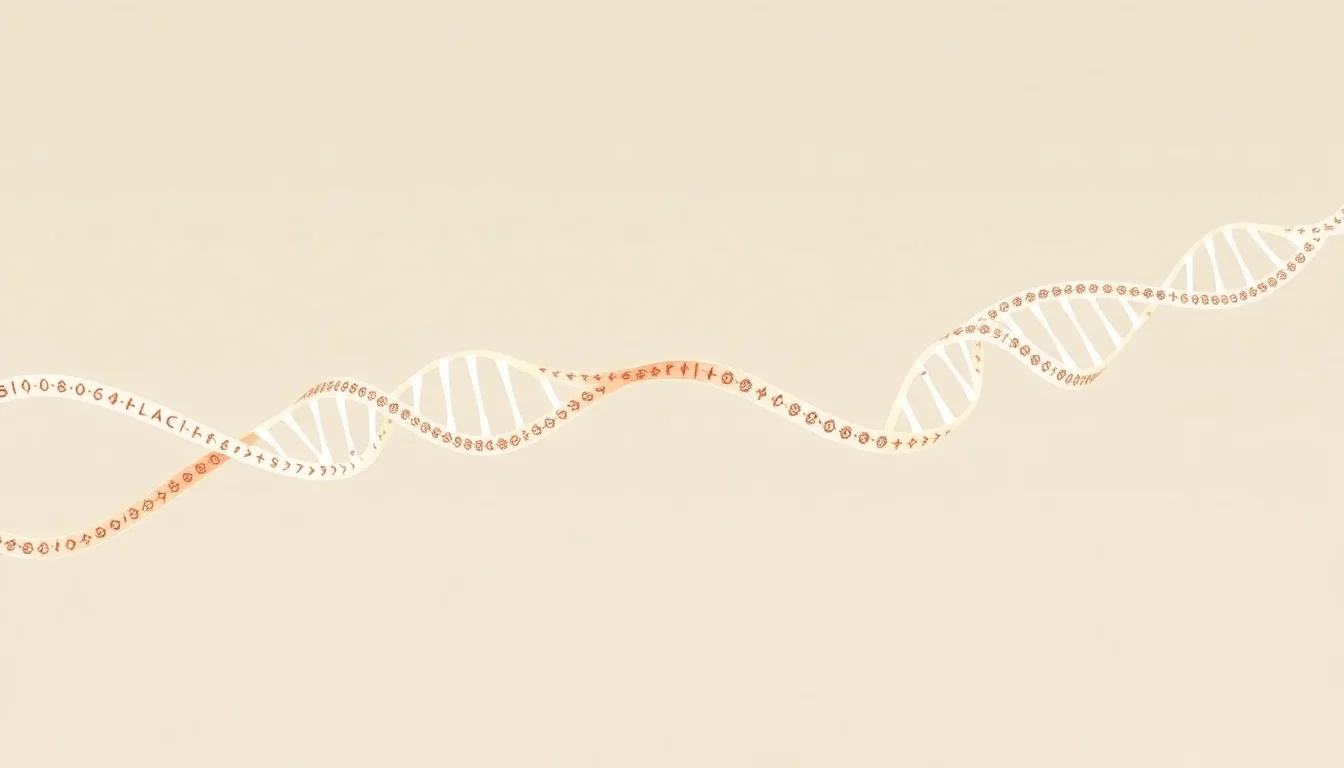
The structure of DNA, a molecule essential for life, has been a subject of fascination for scientists. The double helix model, proposed by James Watson and Francis Crick in 1953, revolutionized our understanding of genetics and molecular biology. This discovery was built upon the work of earlier scientists, including Rosalind Franklin and Maurice Wilkins, who contributed significantly to the understanding of DNA's structure. The study of DNA structure is closely related to Molecular Biology and has led to major advances in Genetic Engineering. The double helix model has become an iconic symbol of molecular biology, representing the twisted ladder-like structure of DNA.
🔍 The Discovery of the Double Helix
The discovery of the double helix is a story of collaboration and competition. Watson and Crick, using data from Franklin and Wilkins, developed their model through a combination of theoretical insights and experimental evidence. Their famous paper, published in Nature in 1953, described the double helix structure and its implications for genetics. This breakthrough was facilitated by the work of Linus Pauling, who had proposed an incorrect triple helix model, and Ernst Chargaff, who discovered the base pairing rules. The discovery of the double helix has had a profound impact on our understanding of Genetics and Evolution.
📚 Historical Context: The Work of Rosalind Franklin
Rosalind Franklin's contributions to the discovery of the double helix are often overlooked. Her X-ray crystallography data, known as 'Photograph 51,' provided crucial evidence for the double helix model. Franklin's work, often in the shadow of her male colleagues, demonstrates the challenges faced by women in science. Her legacy extends beyond the discovery of DNA's structure, as she paved the way for future generations of female scientists in Molecular Biology and Biochemistry. Franklin's story is closely tied to the history of X-Ray Crystallography and its applications in Structural Biology.
🎯 The Role of X-Ray Crystallography
X-ray crystallography played a crucial role in the determination of DNA's structure. This technique, which involves scattering X-rays off crystals to determine their molecular structure, was used by Franklin and Wilkins to obtain high-quality images of DNA fibers. The data from these experiments provided the basis for Watson and Crick's double helix model. X-ray crystallography remains a powerful tool in Structural Biology, allowing researchers to determine the three-dimensional structures of molecules. This technique has been instrumental in understanding the structure of Proteins and Enzymes.
👥 Collaboration and Competition: Watson, Crick, and Wilkins
The story of the double helix discovery is also one of collaboration and competition between Watson, Crick, and Wilkins. The three scientists, often working together and sometimes in competition, shared the Nobel Prize in Physiology or Medicine in 1962. Their interactions, both personal and professional, demonstrate the complex dynamics of scientific discovery. The collaboration between Watson, Crick, and Wilkins is a prime example of the importance of Scientific Collaboration in advancing our understanding of Molecular Biology.
🔬 The Chemical Structure of DNA
The chemical structure of DNA consists of two complementary strands of nucleotides, each composed of a sugar molecule, a phosphate group, and one of four nitrogenous bases: adenine (A), guanine (G), cytosine (C), and thymine (T). The double helix model proposes that these strands are twisted together, with the sugar and phosphate molecules forming the backbone and the nitrogenous bases projecting inward from the backbone and pairing with each other in a complementary manner. This structure is essential for DNA Replication and Gene Expression. The chemical structure of DNA is closely related to the study of Biochemistry and Molecular Biology.
🌟 The Significance of Base Pairing
The significance of base pairing in DNA's structure cannot be overstated. The pairing of adenine with thymine and guanine with cytosine is crucial for the stability and function of DNA. This base pairing allows for the precise replication of genetic information during cell division and provides the basis for the genetic code. The discovery of base pairing rules by Ernst Chargaff was a crucial step in the development of the double helix model. Base pairing is essential for DNA Replication and Gene Expression, and its study has led to major advances in Genetic Engineering.
💡 The Replication Mechanism
The replication mechanism of DNA is a complex process that involves the unwinding of the double helix and the synthesis of new complementary strands. This process, which is essential for the transmission of genetic information from one generation to the next, is mediated by a variety of enzymes, including helicases, polymerases, and ligases. The replication mechanism is closely tied to the study of Molecular Biology and Genetics, and its understanding has led to major advances in Genetic Engineering. The replication mechanism is also essential for Cell Division and Developmental Biology.
🔑 The Genetic Code and Its Implications
The genetic code, which is based on the sequence of nitrogenous bases in DNA, provides the instructions for the synthesis of proteins. The code is degenerate, meaning that more than one codon (sequence of three bases) can specify the same amino acid. The genetic code is nearly universal, with the same code being used by most organisms. The understanding of the genetic code has revolutionized the field of Genetics and has led to major advances in Genetic Engineering and Biotechnology. The genetic code is closely related to the study of Molecular Biology and Biochemistry.
🌐 The Impact of DNA Structure on Modern Biology
The impact of DNA structure on modern biology has been profound. The double helix model has provided a framework for understanding the mechanisms of genetic inheritance and has led to major advances in fields such as Genetic Engineering, Biotechnology, and Personalized Medicine. The study of DNA structure has also led to a greater understanding of the mechanisms of Evolution and the diversity of life on Earth. The impact of DNA structure on modern biology is closely tied to the study of Molecular Biology and Genetics.
🚀 Future Directions: DNA Research and Applications
Future research on DNA structure and function is likely to focus on the development of new technologies for DNA sequencing and editing, such as CRISPR. These technologies have the potential to revolutionize the field of genetics and to provide new tools for the treatment of genetic diseases. The study of DNA structure and function will also continue to provide insights into the mechanisms of Evolution and the diversity of life on Earth. The future of DNA research is closely tied to the study of Molecular Biology and Genetics.
Key Facts
- Year
- 1953
- Origin
- Cambridge University
- Category
- Molecular Biology
- Type
- Scientific Concept
Frequently Asked Questions
What is the structure of DNA?
The structure of DNA is a double helix, with two complementary strands of nucleotides twisted together. Each nucleotide is composed of a sugar molecule, a phosphate group, and one of four nitrogenous bases: adenine, guanine, cytosine, and thymine. The double helix model was first proposed by James Watson and Francis Crick in 1953, based on X-ray crystallography data provided by Rosalind Franklin and Maurice Wilkins. This structure is essential for DNA Replication and Gene Expression.
Who discovered the structure of DNA?
The discovery of the double helix structure of DNA is attributed to James Watson and Francis Crick, who published their model in 1953. However, the work of Rosalind Franklin and Maurice Wilkins, who provided crucial X-ray crystallography data, was also essential to the discovery. The story of the discovery of the double helix is a complex one, involving both collaboration and competition between these scientists. The discovery of the double helix has had a profound impact on our understanding of Genetics and Evolution.
What is the significance of base pairing in DNA?
The pairing of adenine with thymine and guanine with cytosine is crucial for the stability and function of DNA. This base pairing allows for the precise replication of genetic information during cell division and provides the basis for the genetic code. The discovery of base pairing rules by Ernst Chargaff was a crucial step in the development of the double helix model. Base pairing is essential for DNA Replication and Gene Expression, and its study has led to major advances in Genetic Engineering.
How does DNA replication occur?
DNA replication is a complex process that involves the unwinding of the double helix and the synthesis of new complementary strands. This process is mediated by a variety of enzymes, including helicases, polymerases, and ligases. The replication mechanism is essential for the transmission of genetic information from one generation to the next and is closely tied to the study of Molecular Biology and Genetics. The replication mechanism is also essential for Cell Division and Developmental Biology.
What is the genetic code?
The genetic code is the set of rules that dictates how the sequence of nitrogenous bases in DNA is translated into the sequence of amino acids in proteins. The code is degenerate, meaning that more than one codon can specify the same amino acid. The genetic code is nearly universal, with the same code being used by most organisms. The understanding of the genetic code has revolutionized the field of Genetics and has led to major advances in Genetic Engineering and Biotechnology.
What are the implications of the double helix model for modern biology?
The double helix model has provided a framework for understanding the mechanisms of genetic inheritance and has led to major advances in fields such as Genetic Engineering, Biotechnology, and Personalized Medicine. The study of DNA structure has also led to a greater understanding of the mechanisms of Evolution and the diversity of life on Earth. The impact of DNA structure on modern biology is closely tied to the study of Molecular Biology and Genetics.
What is the future of DNA research?
Future research on DNA structure and function is likely to focus on the development of new technologies for DNA sequencing and editing, such as CRISPR. These technologies have the potential to revolutionize the field of genetics and to provide new tools for the treatment of genetic diseases. The study of DNA structure and function will also continue to provide insights into the mechanisms of Evolution and the diversity of life on Earth. The future of DNA research is closely tied to the study of Molecular Biology and Genetics.