
Contents
- 🏠 Introduction to Thanksgiving
- 🌾 History of Harvest Festivals
- 🦃 The First Thanksgiving: Myth and Reality
- 👥 Cultural Significance and Traditions
- 🍽️ The Evolution of Thanksgiving Cuisine
- 🌎 Global Celebrations and Variations
- 🤝 The Complex Legacy of Thanksgiving
- 📚 Historical Roots and Cultural Traditions
- 🌟 Contemporary Debates and Controversies
- 🌈 Reclaiming and Reimagining Thanksgiving
- 👀 Conclusion and Future Directions
- Frequently Asked Questions
- Related Topics
Overview
Thanksgiving, celebrated on the fourth Thursday of November in the United States, is a federal holiday that has been observed since 1863, with its origins dating back to the early 17th century when European colonizers first arrived in the New World. The traditional narrative of the first Thanksgiving in 1621, where Pilgrims and Native Americans came together in a spirit of friendship and mutual respect, has been widely disputed by historians and Native American communities, who argue that this portrayal glosses over the violent displacement and marginalization of indigenous peoples. Today, Thanksgiving is a cultural phenomenon with a Vibe score of 82, reflecting its widespread observance and cultural resonance, yet it is also marked by controversy, with many arguing that it perpetuates harmful stereotypes and erases the histories of Native American communities. The holiday has evolved over time, influenced by various social, economic, and political factors, including the rise of consumerism and the growth of the food industry, with Americans spending an estimated $3.1 billion on Thanksgiving food alone in 2020. As the holiday continues to evolve, it is essential to acknowledge both its cultural significance and its problematic legacy, recognizing the complex interplay of historical, cultural, and social forces that shape our understanding of Thanksgiving. With influence flows tracing back to early European harvest festivals and forward to contemporary debates about cultural appropriation and historical accuracy, Thanksgiving remains a deeply contested and multifaceted topic, with entity relationships linking it to figures like Sarah Josepha Hale, who campaigned for its national recognition, and events like the Wampanoag Tribe's National Day of Mourning, which critiques the holiday's narrative.
🏠 Introduction to Thanksgiving
The modern American Thanksgiving holiday is often associated with Thanksgiving as a national holiday celebrated on the fourth Thursday of November. However, its origins and cultural significance are more complex and multifaceted. The tradition of giving thanks for the harvest and the blessings of the preceding year has its roots in harvest festivals and autumnal equinox celebrations. As a secular holiday, Thanksgiving has become an integral part of American culture, with its own set of traditions and customs, such as football games and parades.
🌾 History of Harvest Festivals
The history of harvest festivals dates back to ancient times, with evidence of celebrations in Ancient Greece and Ancient Rome. Similarly, many indigenous cultures in the Americas had their own harvest festivals, such as the Iroquois and the Wampanoag. These festivals were often tied to the changing of the seasons and the cycles of nature, and were meant to express gratitude for the bounty of the land. The modern American Thanksgiving holiday has its roots in these earlier celebrations, but has also been shaped by Pilgrims and other European settlers.
🦃 The First Thanksgiving: Myth and Reality
The First Thanksgiving, as it is commonly known, is often depicted as a harmonious gathering between the Pilgrims and the Wampanoag tribe. However, this narrative has been subject to much debate and criticism, with many arguing that it oversimplifies and distorts the complex history of the relationship between European colonizers and Native American tribes. A more nuanced understanding of this event recognizes the significant cultural and historical context of the time, including the impact of colonization and the Massachusetts Bay Colony.
👥 Cultural Significance and Traditions
Thanksgiving has become an important part of American cultural identity, with many families and communities coming together to share a meal and express gratitude for their blessings. The holiday has also become closely tied to American football, with many families gathering to watch games on television. However, the cultural significance of Thanksgiving extends beyond these traditions, and is also closely tied to issues of food insecurity and poverty. Many organizations and individuals use the holiday as an opportunity to give back to their communities and support those in need, through initiatives such as food drives and volunteer work.
🍽️ The Evolution of Thanksgiving Cuisine
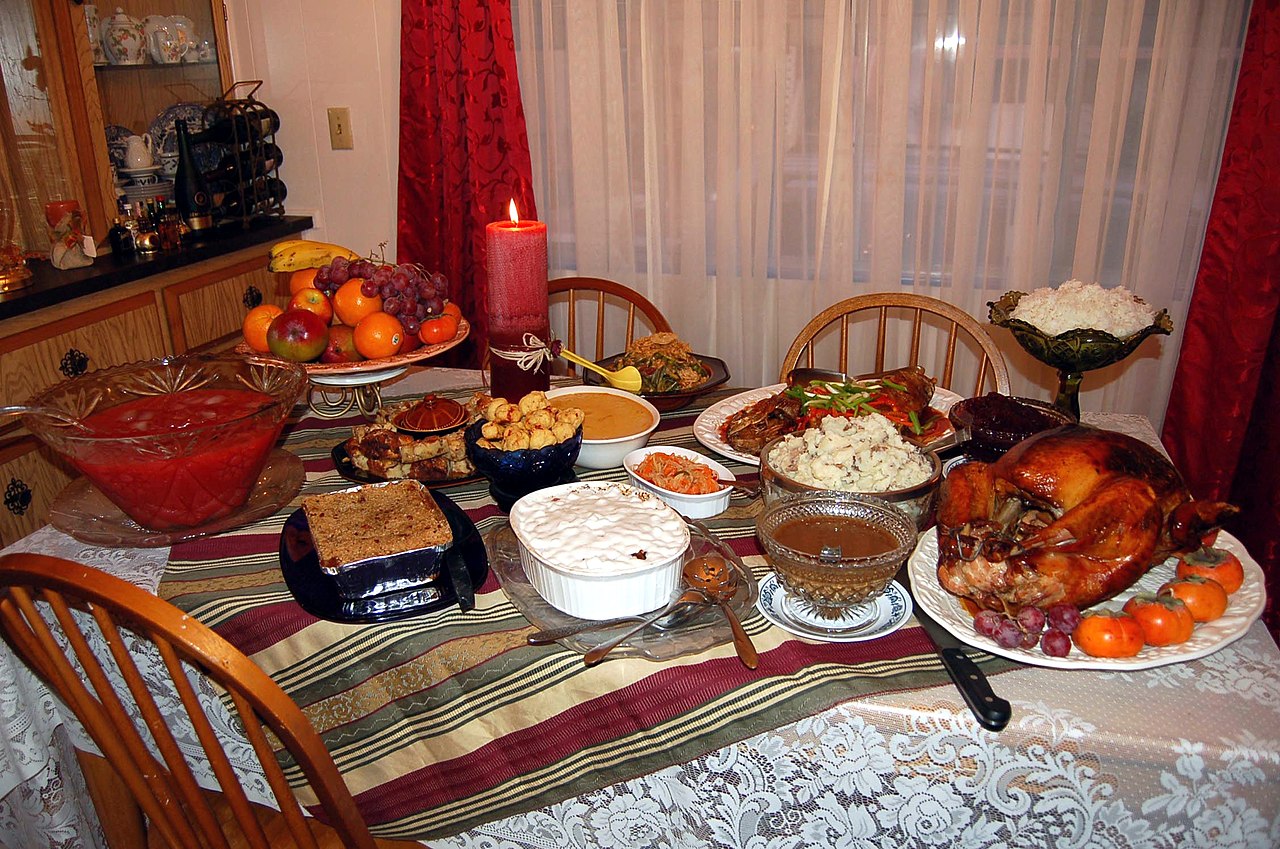
The traditional Thanksgiving meal, which typically includes turkey, mashed potatoes, and pumpkin pie, has its roots in early American cuisine. However, the holiday has also become an opportunity for families and communities to share their own unique cultural and culinary traditions. Many people incorporate dishes and ingredients from their own heritage and cultural background into their Thanksgiving celebrations, making the holiday a vibrant and diverse reflection of American culture. This blending of traditions is also reflected in the many fusion cuisine dishes that have become popular in recent years.
🌎 Global Celebrations and Variations
While Thanksgiving is most closely associated with the United States, it is also celebrated in other countries, including Canada, Saint Lucia, and Liberia. Each of these countries has its own unique cultural and historical context, and the holiday is often celebrated in different ways. For example, in Canada, Thanksgiving is celebrated on the second Monday in October, and is often associated with harvest festivals and other autumnal celebrations. In Saint Lucia, the holiday is celebrated on the first Monday in October, and is closely tied to the country's Caribbean culture and history.
🤝 The Complex Legacy of Thanksgiving
The legacy of Thanksgiving is complex and multifaceted, reflecting both the positive and negative aspects of American history and culture. On the one hand, the holiday has become an important part of American cultural identity, and is often seen as a time for families and communities to come together and express gratitude for their blessings. On the other hand, the holiday has also been criticized for its historical ties to colonization and the erasure of Native American cultures. Many people and organizations are working to reclaim and reimagine the holiday, and to use it as an opportunity to promote greater understanding and reconciliation between different cultural and historical groups.
📚 Historical Roots and Cultural Traditions
The historical roots of Thanksgiving are closely tied to religious traditions and cultural practices of early American colonizers. The holiday has its roots in the Harvest Home celebrations of England, and was also influenced by the Puritan traditions of the early American colonies. However, the holiday has also been shaped by the cultural and historical context of the time, including the impact of slavery and the transatlantic slave trade. A nuanced understanding of these historical roots is essential for understanding the complex legacy of Thanksgiving.
🌟 Contemporary Debates and Controversies
In recent years, Thanksgiving has become the subject of much debate and controversy, with many people and organizations criticizing the holiday for its historical ties to colonization and the erasure of Native American cultures. Some have argued that the holiday should be abolished or reimagined, while others have defended it as an important part of American cultural identity. The controversy surrounding Thanksgiving reflects the complex and often fraught nature of American history and culture, and highlights the need for greater understanding and reconciliation between different cultural and historical groups.
🌈 Reclaiming and Reimagining Thanksgiving
As the legacy of Thanksgiving continues to evolve, many people and organizations are working to reclaim and reimagine the holiday. This can involve incorporating more diverse and inclusive cultural traditions, as well as promoting greater understanding and reconciliation between different cultural and historical groups. It can also involve using the holiday as an opportunity to give back to communities and support those in need, through initiatives such as food drives and volunteer work. By reimagining Thanksgiving in this way, it is possible to create a more nuanced and inclusive understanding of the holiday, and to promote greater healing and reconciliation in American society.
👀 Conclusion and Future Directions
In conclusion, the complex legacy of Thanksgiving reflects the multifaceted and often fraught nature of American history and culture. As the holiday continues to evolve, it is essential to approach it with a nuanced and critical perspective, recognizing both the positive and negative aspects of its cultural and historical significance. By doing so, it is possible to create a more inclusive and compassionate understanding of the holiday, and to promote greater healing and reconciliation in American society. The future of Thanksgiving will depend on our ability to navigate these complexities, and to create a more just and equitable society for all.
Key Facts
- Year
- 1621
- Origin
- Plymouth, Massachusetts, USA
- Category
- History, Culture, Holidays
- Type
- Holiday
Frequently Asked Questions
What is the origin of Thanksgiving?
The origin of Thanksgiving is complex and multifaceted, with roots in harvest festivals and autumnal equinox celebrations. The modern American Thanksgiving holiday has its roots in the early American colonies, and was influenced by the Pilgrims and other European settlers. The holiday has also been shaped by the cultural and historical context of the time, including the impact of colonization and the transatlantic slave trade.
How is Thanksgiving celebrated in different countries?
Thanksgiving is celebrated in different countries, including Canada, Saint Lucia, and Liberia. Each of these countries has its own unique cultural and historical context, and the holiday is often celebrated in different ways. For example, in Canada, Thanksgiving is celebrated on the second Monday in October, and is often associated with harvest festivals and other autumnal celebrations.
What are some of the controversies surrounding Thanksgiving?
The controversies surrounding Thanksgiving reflect the complex and often fraught nature of American history and culture. Many people and organizations have criticized the holiday for its historical ties to colonization and the erasure of Native American cultures. Some have argued that the holiday should be abolished or reimagined, while others have defended it as an important part of American cultural identity.
How can Thanksgiving be reimagined and reclaimed?
Thanksgiving can be reimagined and reclaimed by incorporating more diverse and inclusive cultural traditions, and by promoting greater understanding and reconciliation between different cultural and historical groups. This can involve using the holiday as an opportunity to give back to communities and support those in need, through initiatives such as food drives and volunteer work. By reimagining Thanksgiving in this way, it is possible to create a more nuanced and inclusive understanding of the holiday, and to promote greater healing and reconciliation in American society.
What is the cultural significance of Thanksgiving?
The cultural significance of Thanksgiving is complex and multifaceted, reflecting both the positive and negative aspects of American history and culture. The holiday has become an important part of American cultural identity, and is often seen as a time for families and communities to come together and express gratitude for their blessings. However, the holiday has also been criticized for its historical ties to colonization and the erasure of Native American cultures.