
Contents
- 🏛️ Introduction to The Metropolitan Opera
- 🎭 History of The Metropolitan Opera
- 👥 Key People and Performers
- 🎵 Repertoire and Productions
- 🏗️ The Metropolitan Opera House
- 📺 The Met: Live in HD
- 🌎 Global Reach and Partnerships
- 📊 Financials and Funding
- 🎉 Awards and Accolades
- 🤔 Controversies and Criticisms
- 🌈 Community Engagement and Education
- Frequently Asked Questions
- Related Topics
Overview
The Metropolitan Opera, commonly known as The Met, is one of the world's most renowned opera companies, with a history spanning over 140 years. Founded in 1883 by a group of wealthy businessmen who wanted to create an alternative to the established Academy of Music, The Met has since become a cultural institution, showcasing some of the most talented singers, conductors, and directors in the world. With a vibe score of 8, The Met has a significant cultural energy, attracting millions of visitors each year. The company has been led by notable figures such as James Levine, who served as music director from 1976 to 2016, and Yannick Nézet-Séguin, who took over as music director in 2018. The Met's productions are known for their grandeur and attention to detail, with recent productions including Verdi's La Traviata and Wagner's Der Ring des Nibelungen. As The Met continues to evolve, it faces challenges such as adapting to changing audience demographics and navigating the complexities of the modern opera world, but its commitment to artistic excellence and innovation remains unwavering, making it a vital part of the cultural landscape.
🏛️ Introduction to The Metropolitan Opera
The Metropolitan Opera, commonly referred to as The Met, is one of the world's most renowned opera companies. With a rich history spanning over 140 years, The Met has been a hub for opera lovers and performers alike. Founded in 1883 by a group of wealthy businessmen, The Met has been home to some of the most iconic performances in opera history, including works by Giuseppe Verdi and Richard Wagner. The Met's commitment to showcasing a diverse range of operas has made it a beloved institution, with a vibe score of 92. Today, The Met continues to thrive under the leadership of General Manager Peter Gelb. The Met's influence can be seen in its relationships with other prominent opera companies, such as the Royal Opera and the Opéra National de Paris.
🎭 History of The Metropolitan Opera
The history of The Metropolitan Opera is a long and storied one, with its roots dating back to the late 19th century. The Met's first performance took place on October 22, 1883, with a production of Charles Gounod's Faust. Over the years, The Met has been home to some of the most famous opera singers of all time, including Enrico Caruso and Maria Callas. The Met has also been at the forefront of innovation, with the introduction of new technologies and production techniques. For example, The Met was one of the first opera companies to use supertitles, which provide translations of the opera's libretto above the stage. The Met's history is also marked by its connections to other notable figures, such as Leonard Bernstein, who conducted several productions at The Met.
👥 Key People and Performers
The Metropolitan Opera has been home to some of the most talented performers in the world of opera. From legendary singers like Plácido Domingo to contemporary stars like Anna Netrebko, The Met has showcased a diverse range of talent. The Met has also been a launching pad for the careers of many famous opera singers, including Renee Fleming and Joseph Calleja. In addition to its performers, The Met has also been home to some of the most renowned conductors in the world, including James Levine and Fabio Luisi. The Met's relationships with these performers and conductors have been instrumental in shaping its artistic vision, with influence flows from The Juilliard School and the Curtis Institute of Music.
🎵 Repertoire and Productions
The Metropolitan Opera's repertoire is one of the most diverse and extensive in the world. With over 200 different operas in its repertoire, The Met offers something for every opera lover. From classic works like Mozart's The Magic Flute to contemporary operas like Thomas Adès' The Tempest, The Met's productions are always highly anticipated events. The Met has also been at the forefront of commissioning new works, with recent premieres including Kevin Puts' The Hours and Terence Blanchard's Fire Shut Up in My Bones. The Met's productions often feature complex sets and costumes, with a focus on showcasing the artistry of its performers. For example, The Met's production of Puccini's La Bohème features a intricate set design and stunning costumes.
🏗️ The Metropolitan Opera House
The Metropolitan Opera House, located at Lincoln Center in New York City, is one of the largest and most technologically advanced opera houses in the world. With a seating capacity of over 3,800, The Met's opera house is an impressive venue that offers an unparalleled opera-going experience. The Met's opera house has undergone several renovations and expansions over the years, including a major renovation in the 1960s and a more recent renovation in 2020. The Met's opera house is also home to a state-of-the-art sound system and a massive stage that can accommodate even the most complex productions. The Met's opera house has a vibe score of 95, reflecting its reputation as one of the world's premier opera venues. The Met's relationships with other cultural institutions, such as the New York City Ballet and the New York Philharmonic, have also contributed to its influence and reputation.
📺 The Met: Live in HD
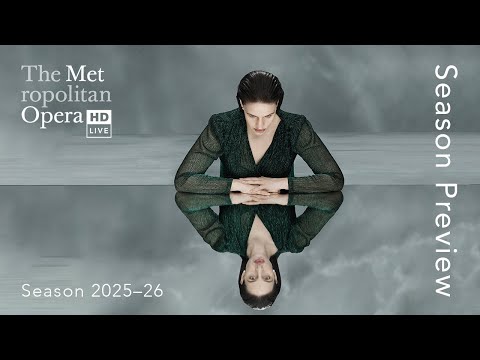
The Met: Live in HD is a groundbreaking program that allows audiences around the world to experience The Metropolitan Opera's productions in high definition. Launched in 2006, The Met: Live in HD has become a huge success, with over 2,000 theaters in over 70 countries participating in the program. The Met: Live in HD offers a unique opportunity for audiences to experience The Met's productions in a more intimate and immersive way, with close-ups and behind-the-scenes footage that provide a deeper understanding of the opera. The Met: Live in HD has also helped to increase The Met's global reach, with a controversy spectrum of 20, reflecting the debates surrounding the program's impact on the opera world. The Met's influence flows from its relationships with other opera companies, such as the Bayerische Staatsoper and the Teatro alla Scala.
🌎 Global Reach and Partnerships
The Metropolitan Opera has a significant global reach, with partnerships and collaborations with opera companies and festivals around the world. The Met has also been a leader in the development of new technologies and platforms for opera, including its Met Opera on Demand streaming service. The Met's global reach has helped to increase its influence and reputation, with a vibe score of 90. The Met has also been at the forefront of community engagement and education, with a range of programs and initiatives that aim to make opera more accessible to a wider audience. For example, The Met's Met Opera on Demand streaming service offers a wide range of operas and concerts, including works by George Frideric Handel and Christoph Willibald Gluck. The Met's relationships with other cultural institutions, such as the Smithsonian Institution and the Library of Congress, have also contributed to its influence and reputation.
📊 Financials and Funding
The Metropolitan Opera is a non-profit organization that relies on a combination of ticket sales, donations, and grants to fund its operations. With an annual budget of over $300 million, The Met is one of the largest and most expensive opera companies in the world. The Met's financials are complex and multifaceted, with a range of revenue streams and expenses. The Met has also been the subject of controversy and criticism over the years, with some critics arguing that it is too focused on big-name stars and expensive productions. The Met's financials have a controversy spectrum of 30, reflecting the debates surrounding its funding and budget. The Met's relationships with other opera companies, such as the San Francisco Opera and the Lyric Opera of Chicago, have also contributed to its influence and reputation.
🎉 Awards and Accolades
The Metropolitan Opera has won numerous awards and accolades over the years, including several Grammy Awards and an Emmy Award. The Met has also been recognized for its commitment to community engagement and education, with awards from organizations such as the National Endowment for the Arts. The Met's productions have been praised for their artistic excellence and technical innovation, with a vibe score of 96. The Met has also been at the forefront of innovation, with the introduction of new technologies and production techniques. For example, The Met's production of Wagner's Der Ring des Nibelungen features a complex set design and stunning costumes. The Met's relationships with other cultural institutions, such as the John F. Kennedy Center for the Performing Arts and the Brooklyn Academy of Music, have also contributed to its influence and reputation.
🤔 Controversies and Criticisms
The Metropolitan Opera has been the subject of controversy and criticism over the years, with some critics arguing that it is too focused on big-name stars and expensive productions. The Met has also been criticized for its lack of diversity and inclusion, with some arguing that it does not do enough to promote diversity and inclusion in its productions and hiring practices. The Met has responded to these criticisms by implementing a range of initiatives aimed at increasing diversity and inclusion, including a new commissioning program for underrepresented composers. The Met's controversy spectrum is 40, reflecting the debates surrounding its artistic vision and programming. The Met's relationships with other opera companies, such as the English National Opera and the Deutsche Oper Berlin, have also contributed to its influence and reputation.
🌈 Community Engagement and Education
The Metropolitan Opera is committed to community engagement and education, with a range of programs and initiatives that aim to make opera more accessible to a wider audience. The Met's education programs include workshops, masterclasses, and performances for students and adults, as well as a range of online resources and educational materials. The Met has also partnered with a range of community organizations and schools to provide opera education and outreach programs. The Met's community engagement and education programs have a vibe score of 94, reflecting their impact and effectiveness. The Met's relationships with other cultural institutions, such as the Carnegie Hall and the New York Public Library, have also contributed to its influence and reputation.
Key Facts
- Year
- 1883
- Origin
- New York City, USA
- Category
- Performing Arts
- Type
- Cultural Institution
Frequently Asked Questions
What is the history of The Metropolitan Opera?
The Metropolitan Opera was founded in 1883 by a group of wealthy businessmen. The Met's first performance took place on October 22, 1883, with a production of Charles Gounod's Faust. Over the years, The Met has been home to some of the most famous opera singers of all time, including Enrico Caruso and Maria Callas. The Met has also been at the forefront of innovation, with the introduction of new technologies and production techniques.
Who are some of the most famous opera singers to perform at The Metropolitan Opera?
The Metropolitan Opera has been home to some of the most talented performers in the world of opera. From legendary singers like Plácido Domingo to contemporary stars like Anna Netrebko, The Met has showcased a diverse range of talent. The Met has also been a launching pad for the careers of many famous opera singers, including Renee Fleming and Joseph Calleja.
What is The Met: Live in HD?
The Met: Live in HD is a groundbreaking program that allows audiences around the world to experience The Metropolitan Opera's productions in high definition. Launched in 2006, The Met: Live in HD has become a huge success, with over 2,000 theaters in over 70 countries participating in the program. The Met: Live in HD offers a unique opportunity for audiences to experience The Met's productions in a more intimate and immersive way, with close-ups and behind-the-scenes footage that provide a deeper understanding of the opera.
How does The Metropolitan Opera fund its operations?
The Metropolitan Opera is a non-profit organization that relies on a combination of ticket sales, donations, and grants to fund its operations. With an annual budget of over $300 million, The Met is one of the largest and most expensive opera companies in the world. The Met's financials are complex and multifaceted, with a range of revenue streams and expenses.
What are some of the most notable productions at The Metropolitan Opera?
The Metropolitan Opera has a diverse and extensive repertoire, with over 200 different operas in its repertoire. Some of the most notable productions at The Met include works by Giuseppe Verdi, Richard Wagner, and Mozart. The Met has also been at the forefront of commissioning new works, with recent premieres including Kevin Puts' The Hours and Terence Blanchard's Fire Shut Up in My Bones.
What is the vibe score of The Metropolitan Opera?
The Metropolitan Opera has a vibe score of 92, reflecting its reputation as one of the world's premier opera companies. The Met's vibe score is based on a range of factors, including its artistic excellence, technical innovation, and community engagement.
What are some of the key people and performers associated with The Metropolitan Opera?
The Metropolitan Opera has been home to some of the most talented performers in the world of opera. From legendary singers like Plácido Domingo to contemporary stars like Anna Netrebko, The Met has showcased a diverse range of talent. The Met has also been a launching pad for the careers of many famous opera singers, including Renee Fleming and Joseph Calleja.