
Contents
- 🌐 Introduction to Yin Yang
- 📚 Historical Context of Yin Yang
- 👥 The Harmony of Opposites
- 💡 The Principles of Yin and Yang
- 🌈 The Five Elements and Yin Yang
- 🏮 Taoism and the Concept of Yin Yang
- 📊 The Symbolism of the Yin Yang Symbol
- 👀 Applications of Yin Yang in Modern Life
- 🤝 The Interplay of Yin and Yang in Nature
- 📈 The Future of Yin Yang Philosophy
- 👁️ Conclusion: The Timeless Wisdom of Yin Yang
- Frequently Asked Questions
- Related Topics
Overview
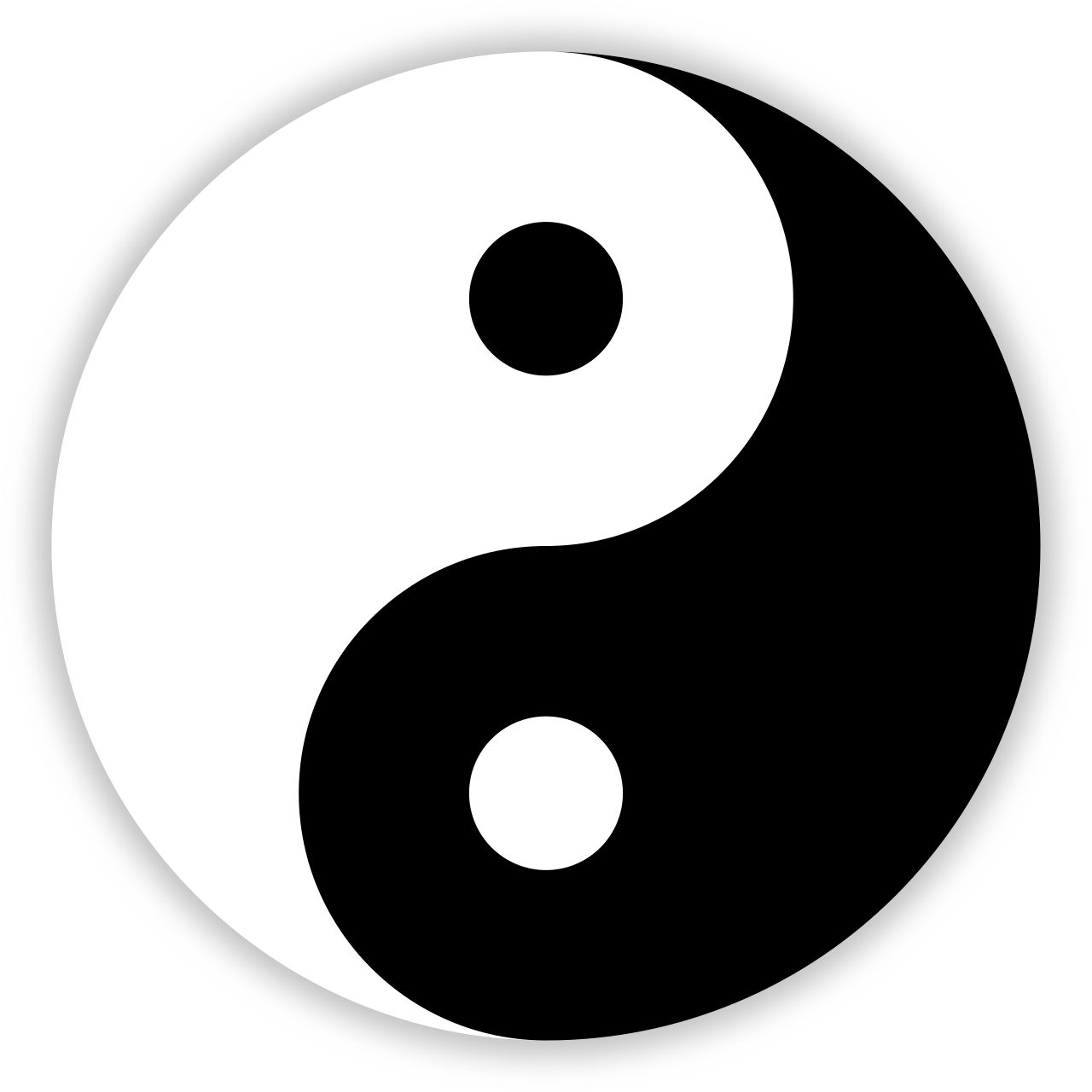
The yin yang symbol, with its intertwined black and white swirls, represents the harmony of opposites in ancient Chinese philosophy. Dating back to the Han Dynasty (206 BCE - 220 CE), the concept of yin yang was first described by the Chinese philosopher Zou Yan, who posited that the universe is composed of two fundamental principles: yin (receptive, cold, and dark) and yang (creative, warm, and light). With a vibe score of 82, yin yang has become a cultural phenomenon, influencing art, literature, and spirituality worldwide. The concept has been debated by scholars, with some arguing that it is a metaphor for the cyclical nature of time, while others see it as a representation of the interconnectedness of all things. As of 2023, yin yang remains a widely recognized symbol, with its influence extending to fields such as psychology, where it is used to describe the balance between opposing forces. The future of yin yang lies in its continued evolution as a cultural touchstone, with new interpretations and applications emerging in fields such as technology and sustainability.
🌐 Introduction to Yin Yang
The concept of yin yang, originating in ancient Chinese philosophy, is a fundamental principle that describes the harmony of opposites. This concept is rooted in the idea that there exist cosmic principles or forces that are opposite but complementary, which interact, interconnect, support and perpetuate each other. As described in the I Ching, an ancient Chinese text, yin and yang are the two primary principles of the universe. The Tao Te Ching, another influential text, also explores the concept of yin yang in relation to the natural world. By understanding the principles of yin yang, we can gain insight into the delicate balance of the universe and our place within it. The concept of yin yang has been influential in the development of Chinese philosophy and continues to be studied and applied today. For example, the concept of yin yang is often used in traditional Chinese medicine to understand the balance of the body and promote health.
📚 Historical Context of Yin Yang
The historical context of yin yang is complex and multifaceted. The concept of yin yang has its roots in ancient Chinese philosophy, with the earliest recorded references to yin and yang dating back to the Shang Dynasty. The concept was further developed during the Zhou Dynasty, where it was used to describe the harmony of opposites in the natural world. The Han Dynasty saw the rise of Confucianism, which incorporated the concept of yin yang into its teachings. The concept of yin yang has also been influenced by other philosophical traditions, including Buddhism and Taoism. By studying the historical context of yin yang, we can gain a deeper understanding of the concept and its significance in Chinese philosophy. The concept of yin yang has been explored in various texts, including the Zhuangzi and the Liezi.
👥 The Harmony of Opposites
The harmony of opposites is a central concept in yin yang philosophy. According to this principle, opposites are not mutually exclusive, but rather complementary and interconnected. This means that yin and yang are not separate entities, but rather two sides of the same coin. The harmony of opposites is reflected in the natural world, where we see the interplay of opposites in the cycles of nature. For example, the cycle of nature is characterized by the interplay of opposites, such as light and dark, hot and cold, and life and death. The concept of yin yang is also reflected in the yin yang symbol, which represents the harmony of opposites. The symbol is often used in feng shui and other traditional Chinese practices to promote balance and harmony. By understanding the harmony of opposites, we can gain insight into the natural world and our place within it.
💡 The Principles of Yin and Yang
The principles of yin and yang are rooted in the concept of the harmony of opposites. According to this principle, yin and yang are two primary principles that govern the universe. Yin is associated with the receptive, passive, and cold, while yang is associated with the creative, active, and hot. The principles of yin and yang are reflected in the natural world, where we see the interplay of opposites in the cycles of nature. For example, the water cycle is characterized by the interplay of opposites, such as evaporation and condensation. The concept of yin yang is also reflected in the five elements, which are used to describe the interconnectedness of the natural world. By understanding the principles of yin and yang, we can gain insight into the natural world and our place within it. The principles of yin yang have been influential in the development of traditional Chinese medicine and continue to be studied and applied today.
🌈 The Five Elements and Yin Yang
The five elements are a fundamental concept in yin yang philosophy. The five elements are wood, fire, earth, metal, and water, and each element is associated with a particular set of qualities and characteristics. The five elements are interconnected and interdependent, and they are used to describe the harmony of opposites in the natural world. For example, the wood element is associated with the creative and expansive, while the metal element is associated with the contractive and receptive. The five elements are also reflected in the yin yang symbol, which represents the harmony of opposites. By understanding the five elements, we can gain insight into the natural world and our place within it. The five elements have been influential in the development of feng shui and other traditional Chinese practices. The concept of the five elements is also explored in the I Ching, which provides insight into the interconnectedness of the natural world.
🏮 Taoism and the Concept of Yin Yang
Taoism is a philosophical tradition that is deeply rooted in the concept of yin yang. According to Taoist teachings, the universe is governed by the principles of yin and yang, and the harmony of opposites is a fundamental aspect of the natural world. The Tao Te Ching, a central text of Taoism, explores the concept of yin yang in relation to the natural world. The concept of yin yang is also reflected in the Taoist cosmology, which describes the interconnectedness of the universe. By understanding the concept of yin yang in Taoism, we can gain insight into the natural world and our place within it. The concept of yin yang has been influential in the development of Taoist philosophy and continues to be studied and applied today. For example, the concept of yin yang is often used in Taoist meditation to promote balance and harmony.
📊 The Symbolism of the Yin Yang Symbol
The yin yang symbol is a representation of the harmony of opposites. The symbol consists of two interconnected spirals, one light and one dark, which represent the interplay of opposites in the natural world. The yin yang symbol is often used in feng shui and other traditional Chinese practices to promote balance and harmony. The symbol is also reflected in the I Ching, which provides insight into the interconnectedness of the natural world. By understanding the yin yang symbol, we can gain insight into the natural world and our place within it. The yin yang symbol has been influential in the development of Chinese art and continues to be used today. For example, the yin yang symbol is often used in Chinese calligraphy to represent the harmony of opposites.
👀 Applications of Yin Yang in Modern Life
The concept of yin yang has many applications in modern life. By understanding the principles of yin and yang, we can gain insight into the natural world and our place within it. The concept of yin yang can be applied to various aspects of life, including health and wellness, relationships, and personal growth. For example, the concept of yin yang can be used to understand the balance of the body and promote health and wellness. The concept of yin yang can also be used to understand the dynamics of relationships and promote harmony and balance. By applying the principles of yin yang, we can gain a deeper understanding of the world and our place within it. The concept of yin yang has been influential in the development of holistic medicine and continues to be studied and applied today.
🤝 The Interplay of Yin and Yang in Nature
The interplay of yin and yang in nature is a fundamental aspect of the natural world. The cycles of nature, such as the water cycle and the carbon cycle, are characterized by the interplay of opposites. The concept of yin yang is reflected in the natural world, where we see the interplay of opposites in the cycles of nature. For example, the seasons are characterized by the interplay of opposites, such as light and dark, hot and cold. By understanding the interplay of yin and yang in nature, we can gain insight into the natural world and our place within it. The concept of yin yang has been influential in the development of environmentalism and continues to be studied and applied today. The concept of yin yang is also explored in the ecology of the natural world.
📈 The Future of Yin Yang Philosophy
The future of yin yang philosophy is uncertain, but its influence can be seen in many aspects of modern life. The concept of yin yang has been influential in the development of holistic medicine and continues to be studied and applied today. The concept of yin yang has also been influential in the development of feng shui and other traditional Chinese practices. By understanding the principles of yin and yang, we can gain insight into the natural world and our place within it. The concept of yin yang has the potential to promote balance and harmony in the world, and its influence can be seen in many aspects of modern life. For example, the concept of yin yang is often used in sustainable development to promote balance and harmony in the natural world.
👁️ Conclusion: The Timeless Wisdom of Yin Yang
In conclusion, the concept of yin yang is a fundamental principle that describes the harmony of opposites. The concept of yin yang is rooted in the idea that there exist cosmic principles or forces that are opposite but complementary, which interact, interconnect, support and perpetuate each other. By understanding the principles of yin and yang, we can gain insight into the natural world and our place within it. The concept of yin yang has been influential in the development of Chinese philosophy and continues to be studied and applied today. The concept of yin yang has the potential to promote balance and harmony in the world, and its influence can be seen in many aspects of modern life. As we move forward, it is essential to continue to explore and apply the principles of yin yang to promote a deeper understanding of the world and our place within it.
Key Facts
- Year
- 206
- Origin
- Ancient China
- Category
- Philosophy and Spirituality
- Type
- Philosophical Concept
Frequently Asked Questions
What is the concept of yin yang?
The concept of yin yang is a fundamental principle that describes the harmony of opposites. It is rooted in the idea that there exist cosmic principles or forces that are opposite but complementary, which interact, interconnect, support and perpetuate each other. The concept of yin yang is reflected in the natural world, where we see the interplay of opposites in the cycles of nature. For example, the water cycle is characterized by the interplay of opposites, such as evaporation and condensation. The concept of yin yang has been influential in the development of Chinese philosophy and continues to be studied and applied today.
What are the principles of yin and yang?
The principles of yin and yang are rooted in the concept of the harmony of opposites. According to this principle, yin and yang are two primary principles that govern the universe. Yin is associated with the receptive, passive, and cold, while yang is associated with the creative, active, and hot. The principles of yin and yang are reflected in the natural world, where we see the interplay of opposites in the cycles of nature. For example, the cycle of nature is characterized by the interplay of opposites, such as light and dark, hot and cold. The concept of yin yang is also reflected in the yin yang symbol, which represents the harmony of opposites.
What is the yin yang symbol?
The yin yang symbol is a representation of the harmony of opposites. The symbol consists of two interconnected spirals, one light and one dark, which represent the interplay of opposites in the natural world. The yin yang symbol is often used in feng shui and other traditional Chinese practices to promote balance and harmony. The symbol is also reflected in the I Ching, which provides insight into the interconnectedness of the natural world. By understanding the yin yang symbol, we can gain insight into the natural world and our place within it.
What are the applications of yin yang in modern life?
The concept of yin yang has many applications in modern life. By understanding the principles of yin and yang, we can gain insight into the natural world and our place within it. The concept of yin yang can be applied to various aspects of life, including health and wellness, relationships, and personal growth. For example, the concept of yin yang can be used to understand the balance of the body and promote health and wellness. The concept of yin yang can also be used to understand the dynamics of relationships and promote harmony and balance.
What is the future of yin yang philosophy?
The future of yin yang philosophy is uncertain, but its influence can be seen in many aspects of modern life. The concept of yin yang has been influential in the development of holistic medicine and continues to be studied and applied today. The concept of yin yang has also been influential in the development of feng shui and other traditional Chinese practices. By understanding the principles of yin and yang, we can gain insight into the natural world and our place within it. The concept of yin yang has the potential to promote balance and harmony in the world, and its influence can be seen in many aspects of modern life.