
Contents
- 🎵 Introduction to Hardware Synthesizers
- 📚 History of Hardware Synthesizers
- 🎛️ Types of Hardware Synthesizers
- 🔍 Analog vs Digital Synthesizers
- 🎧 Sound Generation and Processing
- 👥 Notable Manufacturers and Models
- 💻 Integration with Other Music Gear
- 📊 Market Trends and Future Developments
- 🤖 Software Emulations and Hybrid Synthesizers
- 🎯 Tips for Choosing the Right Hardware Synthesizer
- 📚 Conclusion and Further Reading
- Frequently Asked Questions
- Related Topics
Overview
Hardware synthesizers have been the cornerstone of electronic music since the 1960s, with pioneers like Robert Moog and Don Buchla crafting instruments that would shape the sound of generations to come. The Moog Minimoog, released in 1970, is widely regarded as one of the most influential synthesizers in history, with a vibe score of 92. However, the high cost and complexity of these early systems led to a decline in popularity in the 1980s, with the rise of digital synthesizers and software plugins. Despite this, the 1990s and 2000s saw a resurgence of interest in analog hardware, with companies like Korg and Roland re-releasing classic models. Today, hardware synthesizers continue to evolve, with modern manufacturers like Arturia and Elektron pushing the boundaries of sound design and functionality. As the music technology landscape continues to shift, one thing is certain: hardware synthesizers will remain a vital part of the electronic music ecosystem, with a controversy spectrum of 6 and an influence flow that can be seen in the work of artists like Aphex Twin and Daft Punk.
🎵 Introduction to Hardware Synthesizers
Hardware synthesizers are electronic musical instruments that generate sound through various techniques, including analog and digital signal processing. They have been a cornerstone of electronic music production for decades, with iconic models like the Moog Minimoog and Roland Jupiter-8 still widely used today. The development of hardware synthesizers has been shaped by the contributions of pioneers like Robert Moog and Don Buchla. For a deeper understanding of the history and evolution of synthesizers, visit the Vibepedia Synthesizer History page.
📚 History of Hardware Synthesizers
The history of hardware synthesizers dates back to the early 20th century, with the invention of the Theremin in 1920. The first commercial synthesizers, such as the Moog Modular, were released in the 1960s and quickly gained popularity among musicians and composers. The Buchla Electronic Music System, developed in the 1960s, is another notable example of early synthesizer technology. To learn more about the key figures and events in the history of synthesizers, check out the Vibepedia Synthesizer Pioneers page.
🎛️ Types of Hardware Synthesizers
There are several types of hardware synthesizers, including analog, digital, and hybrid models. Analog synthesizers, such as the Korg MS-20, use analog circuits to generate sound, while digital synthesizers, like the Yamaha DX7, rely on digital signal processing. Hybrid synthesizers, such as the Nord Lead, combine elements of both analog and digital technologies. For a comprehensive overview of the different types of synthesizers, visit the Vibepedia Synthesizer Types page.
🔍 Analog vs Digital Synthesizers
The debate between analog and digital synthesizers has been ongoing for decades, with each side having its own strengths and weaknesses. Analog synthesizers are often praised for their warm, rich sound, while digital synthesizers are valued for their flexibility and precision. However, digital synthesizers can also sound cold and lack the character of their analog counterparts. To explore the differences between analog and digital synthesizers in more depth, check out the Vibepedia Analog vs Digital page.
🎧 Sound Generation and Processing
Hardware synthesizers generate sound through a variety of techniques, including subtractive synthesis, additive synthesis, and frequency modulation. Subtractive synthesis, used in synthesizers like the Moog Minimoog, involves filtering a harmonically rich sound source to create the desired tone. Additive synthesis, employed in synthesizers like the Yamaha DX7, involves combining multiple sine waves to create the desired sound. For a detailed explanation of sound generation and processing techniques, visit the Vibepedia Sound Generation page.
👥 Notable Manufacturers and Models
Notable manufacturers of hardware synthesizers include Moog, Roland, and Korg. Some iconic models include the Moog Minimoog, Roland Jupiter-8, and Korg MS-20. These synthesizers have been used by countless musicians and producers, including Kraftwerk, Tangerine Dream, and Jean-Michel Jarre. To learn more about the history and influence of these manufacturers and models, check out the Vibepedia Synthesizer Manufacturers page.
💻 Integration with Other Music Gear
Hardware synthesizers can be integrated with other music gear, such as MIDI controllers, drum machines, and audio interfaces. This allows for a wide range of creative possibilities, from simple sequencing to complex live performances. For example, the Ableton Live software can be used to control and sequence hardware synthesizers, while the Novation Launchpad can be used to trigger sounds and effects. To explore the possibilities of integrating hardware synthesizers with other music gear, visit the Vibepedia Music Production page.
📊 Market Trends and Future Developments
The market for hardware synthesizers is constantly evolving, with new models and technologies being released regularly. Some recent trends include the resurgence of analog synthesizers, the development of compact and portable synthesizers, and the integration of software emulations and hybrid synthesizers. For example, the Arturia Minimoog is a software emulation of the classic Moog Minimoog, while the Novation Ultranova is a hybrid synthesizer that combines analog and digital technologies. To stay up-to-date with the latest developments in the world of hardware synthesizers, check out the Vibepedia Synthesizer News page.
🤖 Software Emulations and Hybrid Synthesizers
Software emulations and hybrid synthesizers are becoming increasingly popular, offering a range of benefits including portability, flexibility, and affordability. However, some argue that these alternatives lack the character and charm of traditional hardware synthesizers. To explore the pros and cons of software emulations and hybrid synthesizers, visit the Vibepedia Software Emulations page.
🎯 Tips for Choosing the Right Hardware Synthesizer
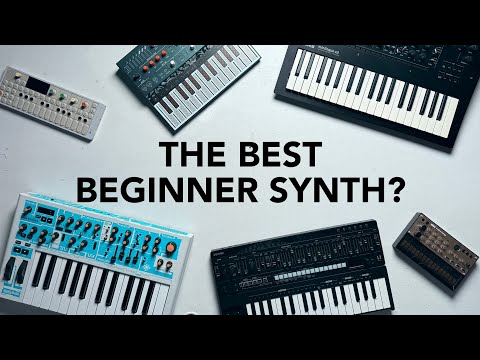
When choosing a hardware synthesizer, there are several factors to consider, including sound quality, features, and price. It's also important to think about the type of music you want to make and the level of complexity you're comfortable with. For example, the Korg Minilogue is a compact and user-friendly synthesizer that's perfect for beginners, while the Moog Sub 37 is a more advanced synthesizer that's suitable for experienced musicians. To get a better understanding of the different factors to consider when choosing a hardware synthesizer, check out the Vibepedia Synthesizer Buying Guide page.
📚 Conclusion and Further Reading
In conclusion, hardware synthesizers are powerful tools for creating music, with a rich history and a wide range of creative possibilities. Whether you're a seasoned musician or just starting out, there's a hardware synthesizer out there to suit your needs and inspire your creativity. For further reading and exploration, visit the Vibepedia Synthesizer Resources page.
Key Facts
- Year
- 1964
- Origin
- United States
- Category
- Music Technology
- Type
- Music Instrument
Frequently Asked Questions
What is a hardware synthesizer?
A hardware synthesizer is an electronic musical instrument that generates sound through various techniques, including analog and digital signal processing. It's a physical device that can be used to create a wide range of sounds and textures, from simple tones to complex soundscapes.
What are the different types of hardware synthesizers?
There are several types of hardware synthesizers, including analog, digital, and hybrid models. Analog synthesizers use analog circuits to generate sound, while digital synthesizers rely on digital signal processing. Hybrid synthesizers combine elements of both analog and digital technologies.
What is the difference between analog and digital synthesizers?
Analog synthesizers are often praised for their warm, rich sound, while digital synthesizers are valued for their flexibility and precision. However, digital synthesizers can also sound cold and lack the character of their analog counterparts.
How do I choose the right hardware synthesizer for my needs?
When choosing a hardware synthesizer, consider factors such as sound quality, features, and price. Think about the type of music you want to make and the level of complexity you're comfortable with. It's also a good idea to read reviews and try out different models before making a decision.
Can I use a hardware synthesizer with my computer or other music gear?
Yes, hardware synthesizers can be integrated with other music gear, such as MIDI controllers, drum machines, and audio interfaces. This allows for a wide range of creative possibilities, from simple sequencing to complex live performances.
What are some notable manufacturers of hardware synthesizers?
Notable manufacturers of hardware synthesizers include Moog, Roland, and Korg. These companies have produced some of the most iconic and influential synthesizers in history, and continue to innovate and push the boundaries of what's possible with electronic music.
What is the future of hardware synthesizers?
The market for hardware synthesizers is constantly evolving, with new models and technologies being released regularly. Some recent trends include the resurgence of analog synthesizers, the development of compact and portable synthesizers, and the integration of software emulations and hybrid synthesizers.