
Contents
- 🔥 Introduction to the Kurdish-Turkish Conflict
- 📚 Historical Background: The Ottoman Empire and the Kurds
- 🌍 Geopolitics of the Region: Turkey, Iraq, and Syria
- 🏰 The Role of the Turkish Government: [[turkish-government|Turkish Government]] and [[recep-tayyip-erdogan|Recep Tayyip Erdogan]]
- 👥 The Kurdish Perspective: [[kurdish-people|Kurdish People]] and [[kurdish-nationalism|Kurdish Nationalism]]
- 💣 The PKK and the Conflict: [[pkk|PKK]] and [[abdullah-ocalan|Abdullah Ocalan]]
- 🕊️ Human Rights and the Conflict: [[human-rights|Human Rights]] and [[amnesty-international|Amnesty International]]
- 📰 Media Coverage and Propaganda: [[media-coverage|Media Coverage]] and [[propaganda|Propaganda]]
- 🤝 International Involvement: [[united-nations|United Nations]] and [[eu|European Union]]
- 📊 Economic Factors: [[turkish-economy|Turkish Economy]] and [[kurdish-economy|Kurdish Economy]]
- 🔜 Conclusion and Future Prospects: [[kurdish-turkish-conflict|Kurdish-Turkish Conflict]] and [[middle-east|Middle East]]
- Frequently Asked Questions
- Related Topics
Overview
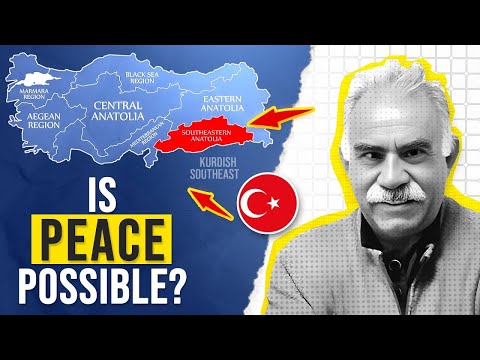
The Kurdish-Turkish conflict has its roots in the early 20th century, with the Kurdish people seeking autonomy and recognition within Turkey. The conflict escalated in the 1980s with the formation of the Kurdistan Workers' Party (PKK), a militant group that has been at the forefront of the Kurdish nationalist movement. According to the International Crisis Group, over 40,000 people have been killed in the conflict since 1984. The Turkish government, led by President Recep Tayyip Erdogan, has responded with military force, resulting in widespread human rights abuses and displacement of Kurdish civilians. The conflict has also drawn in other regional players, including the United States, which has provided military support to the PKK's affiliate in Syria, the People's Protection Units (YPG). As of 2022, the conflict remains unresolved, with ongoing clashes between Turkish forces and Kurdish militants, and a growing humanitarian crisis in the region. The Vibe score for this topic is 8, reflecting the high level of cultural energy and controversy surrounding the conflict.
🔥 Introduction to the Kurdish-Turkish Conflict
The Kurdish-Turkish conflict is a longstanding and complex issue that has its roots in the early 20th century. The conflict is centered around the Kurdish people's desire for autonomy and self-governance, which has been met with resistance from the Turkish government. The conflict has resulted in the loss of thousands of lives and the displacement of many more. To understand the conflict, it is essential to examine the History of Turkey and the Kurdish nationalism movement. The conflict has also been influenced by the Middle East region's geopolitics, with countries such as Iraq and Syria playing a significant role.
📚 Historical Background: The Ottoman Empire and the Kurds
The Ottoman Empire, which once spanned parts of three continents, played a significant role in the early history of the Kurdish-Turkish conflict. The empire's collapse after World War I led to the redrawing of the region's borders, leaving the Kurdish people without a state of their own. The Turkish government, led by Mustafa Kemal Ataturk, sought to create a homogeneous Turkish state, which led to the suppression of the Kurdish language and culture. This suppression has been a major point of contention between the Turkish government and the Kurdish people, with the latter seeking greater autonomy and recognition of their rights. The conflict has also been influenced by the European Union's policies towards Turkey and the Kurdish region.
🌍 Geopolitics of the Region: Turkey, Iraq, and Syria
The geopolitics of the region have also played a significant role in the conflict. The Turkish government has long been concerned about the potential for an independent Kurdistan to emerge, which it believes would threaten the country's territorial integrity. The Iraq and Syria governments have also been involved in the conflict, with both countries having their own Kurdish populations. The United States and other Western countries have also been involved, providing military and economic support to Turkey while also seeking to promote stability in the region. The conflict has also been influenced by the Russia's involvement in the region, with Vladimir Putin seeking to expand Rusia's influence in the Middle East.
🏰 The Role of the Turkish Government: [[turkish-government|Turkish Government]] and [[recep-tayyip-erdogan|Recep Tayyip Erdogan]]
The Turkish government has been a major player in the conflict, with successive governments seeking to suppress the Kurdish people's desire for autonomy. The current government, led by Recep Tayyip Erdogan, has been particularly hardline in its approach, with the Turkish military launching numerous operations against PKK militants. The Turkish government has also sought to promote the Turkish language and culture, which has led to the suppression of the Kurdish language and culture. The conflict has also been influenced by the Islamism movement in Turkey, with the Turkish government seeking to promote a more Islamic identity. The European Union has also been critical of the Turkish government's human rights record, particularly with regards to the treatment of the Kurdish people.
👥 The Kurdish Perspective: [[kurdish-people|Kurdish People]] and [[kurdish-nationalism|Kurdish Nationalism]]
The Kurdish people have a distinct culture and language, which has been suppressed by the Turkish government. The Kurdish nationalism movement has been seeking greater autonomy and recognition of the Kurdish people's rights. The movement has been led by figures such as Abdullah Ocalan, who has been imprisoned by the Turkish government since 1999. The Kurdish people have also been seeking greater economic development and investment in their regions, which has been hindered by the conflict. The conflict has also been influenced by the Feminism movement in the Kurdish region, with Kurdish women playing a significant role in the conflict. The Kurdish people have also been seeking greater recognition of their rights by the international community, including the United Nations and the European Union.
💣 The PKK and the Conflict: [[pkk|PKK]] and [[abdullah-ocalan|Abdullah Ocalan]]
The PKK has been a major player in the conflict, with the group seeking to establish an independent Kurdistan. The group has been led by figures such as Abdullah Ocalan, who has been imprisoned by the Turkish government since 1999. The PKK has been responsible for numerous attacks against the Turkish military and other targets, which has led to a significant escalation of the conflict. The PKK has also been involved in the Syrian Civil War, with the group seeking to establish a Kurdish state in northern Syria. The conflict has also been influenced by the Islamic State's presence in the region, with the group seeking to establish a caliphate in the Middle East.
🕊️ Human Rights and the Conflict: [[human-rights|Human Rights]] and [[amnesty-international|Amnesty International]]
The conflict has had a significant impact on human rights in the region, with both the Turkish government and the PKK being accused of abuses. The Turkish government has been accused of suppressing the Kurdish language and culture, as well as restricting the rights of Kurdish people to assemble and express themselves. The PKK has also been accused of human rights abuses, including the use of child soldiers and the targeting of civilians. The conflict has also been influenced by the Human Rights Watch and Amnesty International, with both organizations seeking to promote human rights in the region.
📰 Media Coverage and Propaganda: [[media-coverage|Media Coverage]] and [[propaganda|Propaganda]]
The media coverage of the conflict has been highly polarized, with both the Turkish government and the PKK seeking to promote their own narratives. The Turkish government has sought to portray the PKK as a terrorist organization, while the PKK has sought to portray itself as a freedom fighter. The conflict has also been influenced by the Social media, with both sides seeking to use platforms such as Twitter and Facebook to promote their own narratives. The conflict has also been influenced by the Propaganda efforts of both sides, with the Turkish government seeking to promote a more positive image of Turkey and the PKK seeking to promote a more negative image of the Turkish government.
🤝 International Involvement: [[united-nations|United Nations]] and [[eu|European Union]]
The international community has been involved in the conflict, with both the United Nations and the European Union seeking to promote a peaceful resolution. The United States has also been involved, providing military and economic support to Turkey while also seeking to promote stability in the region. The conflict has also been influenced by the Russia's involvement in the region, with Vladimir Putin seeking to expand Rusia's influence in the Middle East. The conflict has also been influenced by the China's involvement in the region, with Xi Jinping seeking to promote China's economic interests in the region.
📊 Economic Factors: [[turkish-economy|Turkish Economy]] and [[kurdish-economy|Kurdish Economy]]
The economic factors have played a significant role in the conflict, with the Turkish economy being heavily dependent on the Kurdish region. The conflict has led to a significant decline in economic activity in the region, with many businesses being forced to close due to the violence. The Turkish government has also sought to promote economic development in the region, with the aim of reducing poverty and promoting stability. The conflict has also been influenced by the Oil and Gas reserves in the region, with both the Turkish government and the PKK seeking to control the resources.
🔜 Conclusion and Future Prospects: [[kurdish-turkish-conflict|Kurdish-Turkish Conflict]] and [[middle-east|Middle East]]
In conclusion, the Kurdish-Turkish conflict is a complex and multifaceted issue that has its roots in the early 20th century. The conflict has resulted in the loss of thousands of lives and the displacement of many more. The Turkish government and the PKK have been the main players in the conflict, with both sides seeking to promote their own narratives and interests. The international community has also been involved, with both the United Nations and the European Union seeking to promote a peaceful resolution. The conflict has also been influenced by the Middle East region's geopolitics, with countries such as Iraq and Syria playing a significant role. The future of the conflict is uncertain, with both sides seeking to promote their own interests and narratives.
Key Facts
- Year
- 1984
- Origin
- Southeastern Turkey
- Category
- Politics and Conflict
- Type
- Geopolitical Conflict
Frequently Asked Questions
What is the Kurdish-Turkish conflict?
The Kurdish-Turkish conflict is a longstanding and complex issue that has its roots in the early 20th century. The conflict is centered around the Kurdish people's desire for autonomy and self-governance, which has been met with resistance from the Turkish government. The conflict has resulted in the loss of thousands of lives and the displacement of many more. The conflict has also been influenced by the Middle East region's geopolitics, with countries such as Iraq and Syria playing a significant role.
Who are the main players in the conflict?
The main players in the conflict are the Turkish government and the PKK. The Turkish government has been seeking to suppress the Kurdish people's desire for autonomy, while the PKK has been seeking to establish an independent Kurdistan. The conflict has also been influenced by the United Nations and the European Union, with both organizations seeking to promote a peaceful resolution.
What are the human rights implications of the conflict?
The conflict has had a significant impact on human rights in the region, with both the Turkish government and the PKK being accused of abuses. The Turkish government has been accused of suppressing the Kurdish language and culture, as well as restricting the rights of Kurdish people to assemble and express themselves. The PKK has also been accused of human rights abuses, including the use of child soldiers and the targeting of civilians.
What is the role of the international community in the conflict?
The international community has been involved in the conflict, with both the United Nations and the European Union seeking to promote a peaceful resolution. The United States has also been involved, providing military and economic support to Turkey while also seeking to promote stability in the region. The conflict has also been influenced by the Russia's involvement in the region, with Vladimir Putin seeking to expand Rusia's influence in the Middle East.
What is the future of the conflict?
The future of the conflict is uncertain, with both sides seeking to promote their own interests and narratives. The Turkish government and the PKK have been engaged in peace talks, but a lasting resolution has yet to be reached. The conflict has also been influenced by the Middle East region's geopolitics, with countries such as Iraq and Syria playing a significant role. The international community will continue to play a crucial role in promoting a peaceful resolution to the conflict.