
Contents
- 🎵 Introduction to Music Production
- 📈 The Role of a Record Producer
- 🎧 The Evolution of Recording Technology
- 👥 The Production Team
- 📊 The Business Side of Music Production
- 🎤 The Artist-Producer Relationship
- 🔊 The Impact of Digital Audio Workstations
- 📈 The Future of Music Production
- 🤝 Collaboration in Music Production
- 📊 The Economics of Music Production
- 📈 The Globalization of Music Production
- Frequently Asked Questions
- Related Topics
Overview
Music production has undergone a significant transformation over the years, from the early days of analog recording to the current digital era. The introduction of digital audio workstations (DAWs) such as Ableton Live and Logic Pro has democratized music production, allowing artists to create high-quality music without the need for expensive studios. According to a report by Music Trades, the global music production software market is expected to reach $1.4 billion by 2025, with a growth rate of 10.3% per annum. The rise of electronic dance music (EDM) and hip-hop has also led to an increased demand for music producers, with top producers like Max Martin and Rick Rubin earning millions of dollars per year. However, the ease of music production has also led to a saturation of the market, making it challenging for new artists to stand out. As music production continues to evolve, it will be interesting to see how artists and producers adapt to new technologies and trends, such as the use of artificial intelligence and virtual reality in music creation.
🎵 Introduction to Music Production
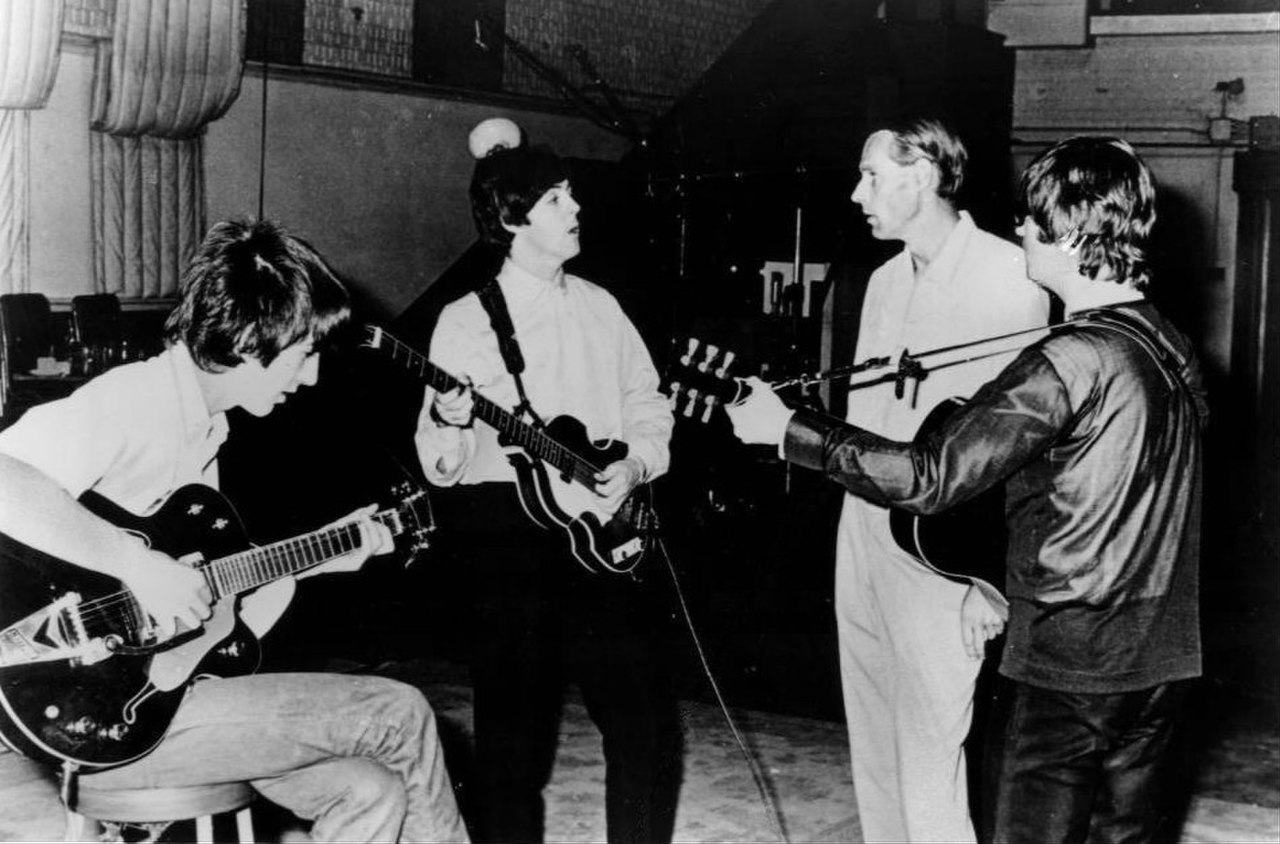
The evolution of music production has been a long and winding road, filled with innovations and advancements in technology. From the early days of recording to the present, the role of the record producer has been a crucial one, overseeing the entire production process and ensuring that the final product is of the highest quality. The producer's job involves a range of creative and technical leadership roles, including hands-on oversight of recording sessions and supervising the technical audio engineering of the recording. As the music industry continues to evolve, the role of the producer is becoming increasingly important, with many producers taking on a more artistic role in the creation of music. For example, producers like Quincy Jones and George Martin have become legendary for their work with top artists.
📈 The Role of a Record Producer
The role of a record producer is a complex and multifaceted one, involving a range of creative and technical leadership roles. Typically, the job involves hands-on oversight of recording sessions, ensuring that artists deliver acceptable and quality performances, supervising the technical audio engineering of the recording, and coordinating the production team and process. The producer's involvement in a musical project can vary in depth and scope, with some producers creating the recording's entire sound and structure. However, in classical music recording, for example, the producer serves as more of a liaison between the conductor and the engineering team. The role is often likened to that of a film director, though there are important differences. For instance, producers like Dr. Dre and Timbaland have been instrumental in shaping the sound of popular music.
🎧 The Evolution of Recording Technology
The evolution of recording technology has had a profound impact on the music production process. From the early days of analog recording to the present, advancements in technology have enabled producers to create high-quality recordings with greater ease and efficiency. The development of digital audio workstations (DAWs) has revolutionized the music production process, allowing producers to record, edit, and mix music with greater precision and control. For example, DAWs like Ableton Live and Logic Pro have become industry standards, used by producers like Calvin Harris and Skrillex to create hit tracks.
👥 The Production Team
The production team is a crucial component of the music production process, consisting of a range of professionals who work together to create a high-quality recording. The team typically includes the record producer, audio engineer, mixing engineer, and mastering engineer, among others. Each member of the team plays a vital role in the production process, from overseeing the recording sessions to ensuring that the final product is of the highest quality. For instance, engineers like Chris Lord-Alge and Andy Wallace have worked with top artists to create iconic recordings.
📊 The Business Side of Music Production
The business side of music production is a complex and often misunderstood aspect of the industry. The role of the executive producer is to oversee the administrative aspects of the recording project, including budgeting, scheduling, and marketing. The executive producer works closely with the record producer and other members of the production team to ensure that the project is completed on time and within budget. For example, executives like Jimmy Iovine and Doug Morris have played a crucial role in shaping the music industry.
🎤 The Artist-Producer Relationship
The relationship between the artist and the producer is a critical one, with the producer playing a key role in shaping the artist's sound and vision. The producer's job is to help the artist create a high-quality recording that showcases their talent and artistry. The producer works closely with the artist to develop the concept and direction of the recording, and to ensure that the final product meets the artist's creative vision. For instance, producers like Rick Rubin and Daniel Lanois have worked with artists like Johnny Cash and Bob Dylan to create iconic recordings.
🔊 The Impact of Digital Audio Workstations
The impact of digital audio workstations (DAWs) on music production has been profound. DAWs have enabled producers to create high-quality recordings with greater ease and efficiency, and have democratized the music production process. With DAWs, producers can record, edit, and mix music with greater precision and control, and can create complex and sophisticated soundscapes with ease. For example, DAWs like FL Studio and Cubase have become popular among electronic music producers like Deadmau5 and Tiësto.
📈 The Future of Music Production
The future of music production is likely to be shaped by advancements in technology and changes in the music industry. The rise of artificial intelligence and machine learning is likely to have a significant impact on the music production process, enabling producers to create music with greater ease and efficiency. The growth of streaming services is also likely to change the way music is consumed and produced, with producers creating music specifically for streaming platforms. For instance, platforms like Spotify and Apple Music have already changed the way music is discovered and consumed.
🤝 Collaboration in Music Production
Collaboration is a key aspect of music production, with producers working closely with artists, engineers, and other members of the production team to create a high-quality recording. The producer's job is to facilitate collaboration and to ensure that all members of the team are working together to create a cohesive and effective recording. For example, collaborations like Kendrick Lamar and Dr. Dre have resulted in iconic recordings.
📊 The Economics of Music Production
The economics of music production are complex and often challenging, with producers facing a range of financial and logistical challenges. The cost of recording and producing music can be high, and producers must often work within tight budgets to create a high-quality recording. The rise of independent music and DIY music has democratized the music production process, enabling producers to create music with greater ease and efficiency. However, this has also created new challenges, such as the need to market and distribute music in a crowded and competitive industry.
📈 The Globalization of Music Production
The globalization of music production has created new opportunities and challenges for producers. The rise of global music and world music has enabled producers to create music that is inspired by a wide range of cultural and musical traditions. However, this has also created new challenges, such as the need to navigate complex cultural and linguistic differences. For instance, producers like Diplo and Major Lazer have worked with artists from around the world to create innovative and genre-bending music.
Key Facts
- Year
- 2022
- Origin
- United States
- Category
- Music Technology
- Type
- Concept
Frequently Asked Questions
What is the role of a record producer in music production?
The role of a record producer is to oversee the entire production process, from recording to mixing and mastering. The producer's job involves a range of creative and technical leadership roles, including hands-on oversight of recording sessions and supervising the technical engineering of the recording. The producer works closely with the artist and other members of the production team to ensure that the final product is of the highest quality.
What is the difference between a record producer and an executive producer?
The record producer is responsible for the creative and technical aspects of the recording project, while the executive producer is responsible for the administrative aspects, including budgeting, scheduling, and marketing. The executive producer works closely with the record producer and other members of the production team to ensure that the project is completed on time and within budget.
What is the impact of digital audio workstations on music production?
Digital audio workstations (DAWs) have enabled producers to create high-quality recordings with greater ease and efficiency. DAWs have democratized the music production process, allowing producers to record, edit, and mix music with greater precision and control. The use of DAWs has also changed the way music is created and consumed, with many producers creating music specifically for streaming platforms.
What is the future of music production?
The future of music production is likely to be shaped by advancements in technology and changes in the music industry. The rise of artificial intelligence and machine learning is likely to have a significant impact on the music production process, enabling producers to create music with greater ease and efficiency. The growth of streaming services is also likely to change the way music is consumed and produced, with producers creating music specifically for streaming platforms.
What is the role of collaboration in music production?
Collaboration is a key aspect of music production, with producers working closely with artists, engineers, and other members of the production team to create a high-quality recording. The producer's job is to facilitate collaboration and to ensure that all members of the team are working together to create a cohesive and effective recording.
What are the economics of music production?
The economics of music production are complex and often challenging, with producers facing a range of financial and logistical challenges. The cost of recording and producing music can be high, and producers must often work within tight budgets to create a high-quality recording. The rise of independent music and DIY music has democratized the music production process, enabling producers to create music with greater ease and efficiency.
What is the impact of globalization on music production?
The globalization of music production has created new opportunities and challenges for producers. The rise of global music and world music has enabled producers to create music that is inspired by a wide range of cultural and musical traditions. However, this has also created new challenges, such as the need to navigate complex cultural and linguistic differences.