
Contents
- 🎸 Introduction to Bringing It All Back Home
- 🔌 The Electric Shift
- 🎶 Lyrical Themes and Storytelling
- 📊 Commercial Performance and Reception
- 🤝 Influence on the Music Scene
- 🎧 Track-by-Track Analysis
- 📻 Controversy and Division
- 👥 The Players Behind the Album
- 📈 Legacy and Impact
- 🔮 Cultural Significance and Context
- 📚 Critical Reviews and Accolades
- Frequently Asked Questions
- Related Topics
Overview
Bringing It All Back Home, released on March 22, 1965, marked a pivotal moment in Bob Dylan's career, as he transitioned from folk to rock. The album, which features iconic tracks like 'Subterranean Homesick Blues' and 'Mr. Tambourine Man', has been widely acclaimed for its lyrical depth and genre-bending sound. With a vibe score of 8, this album is considered a landmark in music history, influencing countless artists, including The Beatles and Bruce Springsteen. The album's impact extends beyond the music world, with its themes of social commentary and personal freedom resonating with the counterculture movement of the 1960s. As a cultural touchstone, Bringing It All Back Home continues to inspire new generations of musicians and fans. The album's influence can be seen in many aspects of modern music, from folk-rock to punk, and its legacy continues to be felt today, with many considering it one of the greatest albums of all time.
🎸 Introduction to Bringing It All Back Home
Bringing It All Back Home, released in April 1965, marked a pivotal moment in Bob Dylan's career, as it was his first album to incorporate electric instrumentation. This shift towards a more rock-oriented sound caused controversy and divided the contemporary folk music scene. The album's release was a significant event in the history of music, with many considering it a bold move by Dylan. As a result, the album has been extensively analyzed by music critics and cultural historians. The album's impact can be seen in the work of later artists, such as Bruce Springsteen and Tom Waits.
🔌 The Electric Shift
The decision to incorporate electric instrumentation on Bringing It All Back Home was a deliberate choice by Dylan to explore new sounds and push the boundaries of his music. This electric shift was influenced by Dylan's experimentation with rock and roll and blues music. The album's sound was also shaped by the contributions of session musicians, including Al Gorgoni and Kenny Rankin. The use of electric instruments added a new layer of complexity to Dylan's music, and the album's production was handled by Tom Wilson. The album's sound has been widely praised, with many considering it a landmark in the development of folk rock.
🎶 Lyrical Themes and Storytelling
The lyrical themes and storytelling on Bringing It All Back Home are characteristic of Dylan's unique style, which often explores social commentary and personal narratives. The album's songs, such as 'Subterranean Homesick Blues' and 'Mr. Tambourine Man', feature vivid imagery and poetic language. The album's lyrics have been subject to extensive interpretation and analysis, with many considering them a reflection of the cultural context of the time. The album's themes and storytelling have also been influenced by Dylan's interests in literateature and poetry. The album's lyrics have been widely praised, with many considering them some of the best in Dylan's catalog.
📊 Commercial Performance and Reception
Bringing It All Back Home was a commercial success, reaching number six on the Billboard 200 chart and achieving gold certification in the United States. The album's reception was mixed, with some critics praising the album's innovative sound and others criticizing Dylan's decision to abandon his acoustic roots. The album's release was a significant event in the music industry, with many considering it a bold move by Dylan. The album's commercial performance was also influenced by the marketing strategies employed by Columbia Records. The album's success can be seen in the sales figures, with over 1 million copies sold in the United States alone.
🤝 Influence on the Music Scene
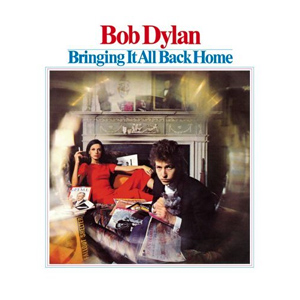
Bringing It All Back Home had a significant influence on the music scene, with many artists citing the album as an inspiration. The album's innovative sound and lyrical themes have been credited with influencing the development of folk rock and psychedelic rock. The album's influence can be seen in the work of later artists, such as The Beatles and The Rolling Stones. The album's influence extends beyond the music scene, with many considering it a cultural touchstone of the 1960s. The album's influence can also be seen in the fashion industry, with many designers citing the album's cover art as an inspiration.
🎧 Track-by-Track Analysis
A track-by-track analysis of Bringing It All Back Home reveals the album's eclectic mix of styles and themes. The album's opening track, 'Subterranean Homesick Blues', is a rock and roll-influenced song with a memorable melody and witty lyrics. The album's second track, 'She Belongs to Me', is a more introspective song with a focus on personal narratives. The album's other tracks, such as 'Mr. Tambourine Man' and 'Gates of Eden', feature a mix of folk music and rock and roll influences. The album's tracks have been widely praised, with many considering them some of the best in Dylan's catalog.
📻 Controversy and Division
The release of Bringing It All Back Home was met with controversy and division, with some critics accusing Dylan of abandoning his acoustic roots and 'selling out' to the mainstream. The album's electric sound was seen as a betrayal by some fans, who felt that Dylan had compromised his artistic vision. However, others praised the album's innovative sound and lyrical themes, seeing it as a bold move by Dylan to explore new musical territories. The controversy surrounding the album's release was fueled by the music press, with many critics weighing in on the album's merits. The controversy can be seen in the letters to the editor published in music magazines at the time.
👥 The Players Behind the Album
The players behind Bringing It All Back Home were a talented group of session musicians, including Al Gorgoni and Kenny Rankin. The album's production was handled by Tom Wilson, who worked closely with Dylan to shape the album's sound. The album's recording sessions were held at Columbia Studios in New York City, and featured a mix of rock and roll and folk music influences. The album's players have been widely praised, with many considering them some of the best in the business. The album's production has also been praised, with many considering it a landmark in the development of folk rock.
📈 Legacy and Impact
The legacy and impact of Bringing It All Back Home can be seen in the many artists who have cited the album as an inspiration. The album's innovative sound and lyrical themes have been credited with influencing the development of folk rock and psychedelic rock. The album's influence extends beyond the music scene, with many considering it a cultural touchstone of the 1960s. The album's legacy can also be seen in the Rock and Roll Hall of Fame, where it has been recognized as one of the greatest albums of all time. The album's impact can be measured in terms of its influence on later artists, with many considering it a landmark in the development of rock music.
🔮 Cultural Significance and Context
Bringing It All Back Home is often seen as a product of its time, reflecting the cultural context of the 1960s. The album's themes and lyrics reflect the social and political upheaval of the era, with songs like 'Subterranean Homesick Blues' and 'Mr. Tambourine Man' capturing the mood of a generation. The album's influence can be seen in the fashion industry, with many designers citing the album's cover art as an inspiration. The album's cultural significance extends beyond the music scene, with many considering it a cultural touchstone of the 1960s. The album's cultural significance can be seen in the museum exhibits dedicated to the album's artwork and legacy.
📚 Critical Reviews and Accolades
Bringing It All Back Home has received widespread critical acclaim, with many considering it one of the greatest albums of all time. The album has been recognized by Rolling Stone as one of the 500 greatest albums of all time, and has been certified gold by the Recording Industry Association of America. The album's critical reviews have been overwhelmingly positive, with many praising the album's innovative sound and lyrical themes. The album's accolades can be seen in the award shows, where it has been recognized as one of the best albums of the 1960s.
Key Facts
- Year
- 1965
- Origin
- United States
- Category
- Music
- Type
- Album
Frequently Asked Questions
What is the significance of Bringing It All Back Home in Bob Dylan's career?
Bringing It All Back Home marked a pivotal moment in Bob Dylan's career, as it was his first album to incorporate electric instrumentation. This shift towards a more rock-oriented sound caused controversy and divided the contemporary folk scene. The album's release was a significant event in the history of music, with many considering it a bold move by Dylan. The album's impact can be seen in the work of later artists, such as Bruce Springsteen and Tom Waits.
What are the main themes and lyrical styles on Bringing It All Back Home?
The main themes on Bringing It All Back Home include social commentary and personal narratives. The album's lyrics feature vivid imagery and poetic language, with songs like 'Subterranean Homesick Blues' and 'Mr. Tambourine Man' showcasing Dylan's unique style. The album's themes and lyrical styles have been widely praised, with many considering them some of the best in Dylan's catalog.
How did the music press react to the release of Bringing It All Back Home?
The music press reacted with controversy and division to the release of Bringing It All Back Home. Some critics accused Dylan of abandoning his acoustic roots and 'selling out' to the mainstream, while others praised the album's innovative sound and lyrical themes. The controversy surrounding the album's release was fueled by the music press, with many critics weighing in on the album's merits.
What is the cultural significance of Bringing It All Back Home?
Bringing It All Back Home is often seen as a product of its time, reflecting the cultural context of the 1960s. The album's themes and lyrics reflect the social and political upheaval of the era, with songs like 'Subterranean Homesick Blues' and 'Mr. Tambourine Man' capturing the mood of a generation. The album's influence can be seen in the fashion industry, with many designers citing the album's cover art as an inspiration.
How has Bringing It All Back Home been recognized by critics and award shows?
Bringing It All Back Home has received widespread critical acclaim, with many considering it one of the greatest albums of all time. The album has been recognized by Rolling Stone as one of the 500 greatest albums of all time, and has been certified gold by the Recording Industry Association of America. The album's critical reviews have been overwhelmingly positive, with many praising the album's innovative sound and lyrical themes.
What is the legacy and impact of Bringing It All Back Home?
The legacy and impact of Bringing It All Back Home can be seen in the many artists who have cited the album as an inspiration. The album's innovative sound and lyrical themes have been credited with influencing the development of folk rock and psychedelic rock. The album's influence extends beyond the music scene, with many considering it a cultural touchstone of the 1960s. The album's legacy can also be seen in the Rock and Roll Hall of Fame, where it has been recognized as one of the greatest albums of all time.
How does Bringing It All Back Home fit into the broader context of Bob Dylan's career?
Bringing It All Back Home marked a significant turning point in Bob Dylan's career, as it was his first album to incorporate electric instrumentation. The album's release was a bold move by Dylan, and it had a significant impact on his career and the music scene as a whole. The album's influence can be seen in the work of later artists, and it remains one of the most beloved and respected albums in Dylan's catalog.