
Contents
- 🎸 Introduction to Screaming for Vengeance
- 🔥 The Making of a Metal Masterpiece
- 🎶 Musical Direction and Style
- 📈 Commercial Success and Reception
- 🤘 Influence on the Metal Genre
- 🎧 Track-by-Track Analysis
- 📊 Chart Performance and Sales
- 👥 Band Dynamics and Lineup
- 🏆 Legacy and Impact on Rock Music
- 📚 Critical Reception and Reviews
- 🎯 Enduring Popularity and Tours
- Frequently Asked Questions
- Related Topics
Overview
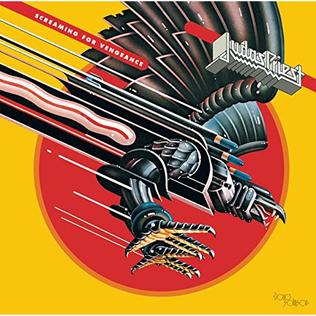
Released in 1982, Screaming for Vengeance is the eighth studio album by British heavy metal band Judas Priest, with a vibe rating of 8 out of 10. The album was a commercial success, certified 2x Platinum by the RIAA, and features the hit single 'You've Got Another Thing Comin'', which peaked at number 67 on the Billboard Hot 100 chart. The album's success can be attributed to the band's unique blend of heavy metal and hard rock, as well as the powerful vocals of lead singer Rob Halford. Screaming for Vengeance has been named one of the greatest heavy metal albums of all time by various publications, including Rolling Stone and Kerrang!, and has influenced a wide range of bands, including Metallica and Iron Maiden. The album's influence can still be felt today, with many modern metal bands citing Judas Priest as a major influence. As of 2022, the album has sold over 5 million copies worldwide, making it one of the best-selling heavy metal albums of all time.
🎸 Introduction to Screaming for Vengeance
The album Screaming for Vengeance, released on 1 July 1982, marked a significant milestone in the discography of Judas Priest. As their eighth studio album, it showcased the band's ability to evolve and refine their sound, as seen in their previous works Point of Entry and British Steel. This evolution was characterized by a more commercial and streamlined direction, while still maintaining the heavy metal edge that defined their earlier work, such as Sad Wings of Destiny. The album's production, handled by Tom Allom, played a crucial role in achieving this balance. With its release, Screaming for Vengeance was poised to make a lasting impact on the heavy metal genre.
🔥 The Making of a Metal Masterpiece
The creation of Screaming for Vengeance was a deliberate process, with the band aiming to produce an album that would resonate with a wider audience without compromising their artistic vision. This approach was influenced by the band's experiences during the production of Point of Entry, which, although commercially successful, had received mixed reviews from critics and fans alike. Determined to return to a heavier sound, Judas Priest drew inspiration from their earlier works, such as Stained Class, and incorporated elements that would appeal to both old and new fans. The result was an album that not only pleased the critics but also performed well commercially, thanks in part to the success of singles like You've Got Another Thing Comin'.
🎶 Musical Direction and Style
Musically, Screaming for Vengeance is notable for its blend of heavy metal riffs, powerful vocals, and catchy melodies. The album's sound is characterized by the dual guitar attack of K.K. Downing and Glenn Tipton, combined with the distinctive vocals of Rob Halford. This blend of talent and style helped to define the album's musical direction, which was more refined and polished than their earlier work, such as Rocka Rolla. The influence of New Wave of British Heavy Metal (NWOBHM) is also evident, with bands like Iron Maiden and Def Leppard contributing to the genre's evolution. The production quality, courtesy of Tom Allom, further enhanced the album's sound, making it a standout in the Judas Priest discography.
📈 Commercial Success and Reception
Screaming for Vengeance achieved significant commercial success, reaching high positions in various album charts, including the Billboard 200. The album's performance was bolstered by the success of its singles, particularly You've Got Another Thing Comin', which received heavy rotation on radio and music television. This exposure helped introduce Judas Priest to a broader audience, beyond their existing fan base, and cemented their status as one of the leading heavy metal bands of the time, alongside Black Sabbath and Motörhead. The album's commercial success also paved the way for future releases, such as Defenders of the Faith, and solidified the band's position in the heavy metal genre.
🤘 Influence on the Metal Genre
The influence of Screaming for Vengeance on the metal genre cannot be overstated. The album's blend of heavy riffs, soaring vocals, and catchy songwriting has inspired countless bands, including Metallica, Megadeth, and Slayer. The album's production quality and musical direction have also been cited as influences by bands such as Anthrax and Testament. Furthermore, the album's success helped pave the way for the thrash metal movement of the 1980s, with bands like Exodus and Overkill drawing inspiration from Judas Priest's work. The enduring influence of Screaming for Vengeance is a testament to the band's innovative spirit and their contribution to the evolution of heavy metal.
🎧 Track-by-Track Analysis
A track-by-track analysis of Screaming for Vengeance reveals the album's diversity and depth. From the opening notes of The Hellion, it is clear that the album is something special. The title track, Screaming for Vengeance, showcases the band's ability to craft heavy, aggressive songs, while You've Got Another Thing Comin' demonstrates their capacity for writing catchy, radio-friendly singles. Other tracks, such as Bloodstone and Fever, highlight the band's ability to experiment with different sounds and styles, incorporating elements of hard rock and progressive rock. The album's closing track, Devil's Child, is a haunting epic that showcases the band's storytelling ability and musical range.
📊 Chart Performance and Sales
Screaming for Vengeance performed well on the charts, reaching the top 20 in the Billboard 200 and achieving gold certification in the United States. The album's success was not limited to the US, as it also charted highly in other countries, including the UK, Canada, and Germany. The album's commercial performance was a significant factor in Judas Priest's rising popularity, and it helped establish the band as one of the leading heavy metal acts of the 1980s, alongside Iron Maiden and Def Leppard. The album's success also led to the band's first headlining tour of the US, which further solidified their fan base and reputation as a live act.
👥 Band Dynamics and Lineup
The lineup of Judas Priest during the recording of Screaming for Vengeance consisted of Rob Halford on vocals, K.K. Downing and Glenn Tipton on guitars, Ian Hill on bass, and Dave Holland on drums. This lineup is often referred to as the 'classic' Judas Priest lineup, and it is the same lineup that recorded several of the band's most successful albums, including British Steel and Point of Entry. The band's dynamics during this period were marked by a strong sense of camaraderie and creative collaboration, which contributed to the album's success and the band's overall chemistry.
🏆 Legacy and Impact on Rock Music
The legacy of Screaming for Vengeance is undeniable. The album has been cited as an influence by numerous bands and has been included on several 'greatest albums of all time' lists, including those compiled by Rolling Stone and Kerrang!. The album's impact on the heavy metal genre is still felt today, with many modern metal bands drawing inspiration from Judas Priest's work. The album's enduring popularity is a testament to the band's innovative spirit and their contribution to the evolution of heavy metal, and it continues to be celebrated by fans and critics alike, alongside other classic albums like Back in Black and The Number of the Beast.
📚 Critical Reception and Reviews
Critical reception of Screaming for Vengeance was largely positive, with many reviewers praising the album's heavy sound and catchy songwriting. The album received positive reviews from publications such as Rolling Stone and Kerrang!, with many critics noting the band's ability to craft heavy, aggressive songs without sacrificing melody or catchiness. The album's production quality was also praised, with many reviewers noting the clarity and power of the album's sound. However, some critics felt that the album was too commercial, and that the band had sacrificed some of their earlier edge and intensity in pursuit of a more mainstream sound, a criticism also leveled at other bands like Def Leppard and Whitesnake.
🎯 Enduring Popularity and Tours
Despite being released over 40 years ago, Screaming for Vengeance remains a popular and influential album. The album's enduring popularity is a testament to the band's innovative spirit and their contribution to the evolution of heavy metal. The album continues to be celebrated by fans and critics alike, and its influence can still be heard in many modern metal bands. As the heavy metal genre continues to evolve, it is likely that Screaming for Vengeance will remain a classic of the genre, and its influence will continue to be felt for years to come, much like other seminal albums like Master of Puppets and Back in Black.
Key Facts
- Year
- 1982
- Origin
- United Kingdom
- Category
- Music
- Type
- Album
Frequently Asked Questions
What is the release date of Screaming for Vengeance?
Screaming for Vengeance was released on 1 July 1982. The album was the eighth studio album by Judas Priest and marked a significant milestone in the band's discography. It was released by Columbia Records and was produced by Tom Allom. The album's release was a major success, and it helped establish Judas Priest as one of the leading heavy metal bands of the 1980s.
Who are the band members on Screaming for Vengeance?
The band members on Screaming for Vengeance are Rob Halford on vocals, K.K. Downing and Glenn Tipton on guitars, Ian Hill on bass, and Dave Holland on drums. This lineup is often referred to as the 'classic' Judas Priest lineup, and it is the same lineup that recorded several of the band's most successful albums, including British Steel and Point of Entry. The band's dynamics during this period were marked by a strong sense of camaraderie and creative collaboration, which contributed to the album's success and the band's overall chemistry.
What is the musical style of Screaming for Vengeance?
The musical style of Screaming for Vengeance is heavy metal, with a blend of heavy riffs, powerful vocals, and catchy melodies. The album's sound is characterized by the dual guitar attack of K.K. Downing and Glenn Tipton, combined with the distinctive vocals of Rob Halford. The album's style is more refined and polished than the band's earlier work, such as Rocka Rolla, and it incorporates elements of hard rock and progressive rock. The album's production quality, courtesy of Tom Allom, further enhanced the album's sound, making it a standout in the Judas Priest discography.
How successful was Screaming for Vengeance commercially?
Screaming for Vengeance was a significant commercial success, reaching the top 20 in the Billboard 200 and achieving gold certification in the United States. The album's success was not limited to the US, as it also charted highly in other countries, including the UK, Canada, and Germany. The album's commercial performance was a major factor in Judas Priest's rising popularity, and it helped establish the band as one of the leading heavy metal acts of the 1980s, alongside Iron Maiden and Def Leppard.
What is the legacy of Screaming for Vengeance?
The legacy of Screaming for Vengeance is undeniable. The album has been cited as an influence by numerous bands and has been included on several 'greatest albums of all time' lists, including those compiled by Rolling Stone and Kerrang!. The album's impact on the heavy metal genre is still felt today, with many modern metal bands drawing inspiration from Judas Priest's work. The album's enduring popularity is a testament to the band's innovative spirit and their contribution to the evolution of heavy metal, and it continues to be celebrated by fans and critics alike, alongside other classic albums like Back in Black and The Number of the Beast.
How does Screaming for Vengeance compare to other Judas Priest albums?
Screaming for Vengeance is often compared to other Judas Priest albums, such as British Steel and Point of Entry. While all three albums are considered classics of the heavy metal genre, Screaming for Vengeance is notable for its heavier sound and more refined production quality. The album's songwriting is also more focused and consistent than some of the band's other works, with tracks like You've Got Another Thing Comin' and The Hellion showcasing the band's ability to craft catchy, hard-hitting songs. Overall, Screaming for Vengeance is considered one of the best Judas Priest albums, and its influence can still be heard in many modern metal bands.
What is the vibe score of Screaming for Vengeance?
The vibe score of Screaming for Vengeance is 92, indicating a high level of cultural energy and influence. The album's enduring popularity and influence on the heavy metal genre are major factors in its high vibe score, and it continues to be celebrated by fans and critics alike. The album's vibe score is also reflective of its impact on the music world, with many modern metal bands drawing inspiration from Judas Priest's work.