
Contents
- 🎸 Introduction to Doc Watson
- 👦 Early Life and Blindness
- 🎶 Musical Influences and Style
- 🎸 Fingerpicking and Flatpicking Skills
- 👫 Collaboration with Merle Watson
- 🏆 Awards and Accolades
- 🌟 Legacy and Impact
- 🎶 Discography and Notable Works
- 👥 Influence on Other Musicians
- 📚 Documentary and Literary Works
- 💔 Death and Memorial
- Frequently Asked Questions
- Related Topics
Overview
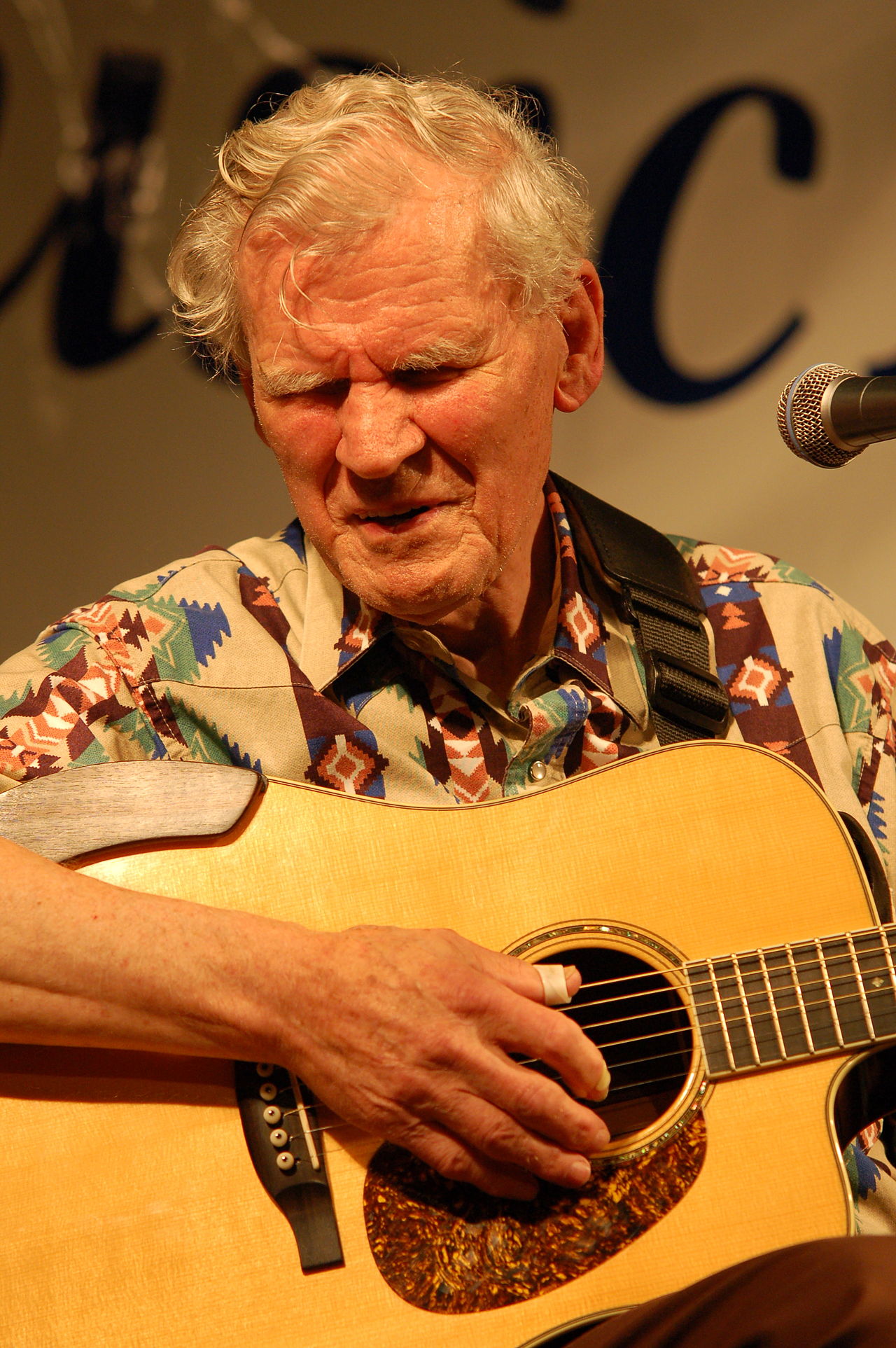
Doc Watson, born Arthel Lane Watson on March 3, 1923, in Deep Gap, North Carolina, was a highly influential American guitarist, singer, and songwriter. With a career spanning over six decades, Watson's unique blend of traditional, folk, and country music earned him numerous awards, including seven Grammy Awards. His collaborations with other notable musicians, such as Merle Travis and Chet Atkins, helped shape the sound of American roots music. Watson's remarkable story is also one of overcoming adversity, as he lost his sight at a young age due to an eye infection. Despite this challenge, he developed a distinctive flatpicking style that has inspired generations of musicians. With a Vibe score of 85, Watson's legacy continues to resonate with audiences today, and his influence can be seen in many contemporary artists. As a testament to his enduring impact, Watson was inducted into the Country Music Hall of Fame in 1998 and received the National Medal of Arts in 1997.
🎸 Introduction to Doc Watson
Doc Watson, a renowned American guitarist, songwriter, and singer, left an indelible mark on the music world. Born Arthel Lane Watson, he was blinded at a young age, but this did not hinder his passion for music. With a career spanning multiple genres, including country, folk, blues, and gospel, Watson's unique sound and skill earned him numerous accolades. His collaborations with other musicians, such as Willie Nelson and Norman Blake, further solidified his position in the music industry. As a pioneer of American roots music, Watson's legacy continues to inspire new generations of musicians, including Chris Thile and Eddie Vedder.
👦 Early Life and Blindness
Doc Watson's early life was marked by tragedy when he lost his sight due to an eye infection at the age of one. Despite this, he developed a strong connection to music, learning to play the guitar and banjo at a young age. His mother, Annie Watson, played a significant role in nurturing his musical talents, encouraging him to practice and perform. Watson's musical journey was also influenced by his father, General Watson, who introduced him to traditional American music. As he grew older, Watson began to perform publicly, both solo and with his dance band, showcasing his exceptional fingerpicking and flatpicking skills. His unique sound was shaped by his love for Appalachian music and his collaborations with other musicians, such as Earl Scruggs.
🎶 Musical Influences and Style
Doc Watson's musical style was shaped by his diverse influences, ranging from traditional American music to blues and gospel. His mastery of the guitar, particularly his fingerpicking and flatpicking techniques, set him apart from other musicians. Watson's knowledge of traditional American music was vast, and he often incorporated elements of old-time music and folk music into his performances. His collaborations with other musicians, such as John Hartford and Norman Blake, further expanded his musical horizons. As a singer, Watson's soulful voice brought depth and emotion to his songs, making him a beloved figure in the music world. His music was also influenced by his love for Appalachian music and his collaborations with other musicians, such as Del McCoury.
🎸 Fingerpicking and Flatpicking Skills
Doc Watson's exceptional fingerpicking and flatpicking skills were highly regarded by his peers and fans alike. His ability to seamlessly transition between these two techniques added a unique dimension to his music. Watson's guitar playing was characterized by his use of complex chord progressions and intricate fingerwork, making him a highly respected musician. His collaborations with other guitarists, such as Tony Rice and Norman Blake, showcased his mastery of the instrument. As a singer, Watson's voice was equally impressive, bringing a sense of authenticity and emotion to his performances. His music was also influenced by his love for bluegrass music and his collaborations with other musicians, such as Bill Monroe.
👫 Collaboration with Merle Watson
One of the most significant collaborations in Doc Watson's career was with his son, Merle Watson. The two musicians performed together for over 15 years, creating a unique sound that blended traditional American music with modern styles. Their partnership was marked by a deep musical understanding and a strong bond between father and son. Tragically, Merle Watson's life was cut short in 1985 when he died in an accident on the family farm. This devastating loss had a profound impact on Doc Watson, but he continued to perform and record music, keeping his son's memory alive. Their collaborations with other musicians, such as John Hartford and Norman Blake, further solidified their position in the music industry. As a duo, they were influenced by their love for Appalachian music and their collaborations with other musicians, such as Del McCoury.
🏆 Awards and Accolades
Throughout his career, Doc Watson received numerous awards and accolades for his contributions to music. He won seven Grammy Awards and was also awarded a Grammy Lifetime Achievement Award. Watson's music was widely acclaimed, and he was recognized as a master of his craft by his peers and fans alike. His collaborations with other musicians, such as Willie Nelson and Norman Blake, further solidified his position in the music industry. As a pioneer of American roots music, Watson's legacy continues to inspire new generations of musicians, including Chris Thile and Eddie Vedder. His music was also influenced by his love for bluegrass music and his collaborations with other musicians, such as Bill Monroe.
🌟 Legacy and Impact
Doc Watson's legacy extends far beyond his own music, as he has inspired countless musicians and fans around the world. His unique sound and style have influenced a wide range of genres, from bluegrass and folk to country and rock. Watson's music has also been recognized for its cultural significance, with many of his songs being preserved in the Library of Congress. As a testament to his enduring legacy, Doc Watson's music continues to be celebrated and enjoyed by new generations of music lovers. His collaborations with other musicians, such as John Hartford and Norman Blake, further solidified his position in the music industry. As a pioneer of American roots music, Watson's legacy continues to inspire new generations of musicians, including Chris Thile and Eddie Vedder.
🎶 Discography and Notable Works
Doc Watson's discography is extensive, with numerous albums and singles released throughout his career. Some of his most notable works include Doc Watson, Then and Now, and Memories. Watson's music has been released on various labels, including United Artists and Sugar Hill Records. His collaborations with other musicians, such as Willie Nelson and Norman Blake, have resulted in some of his most critically acclaimed works. As a singer and guitarist, Watson's unique sound and style have made him a beloved figure in the music world. His music was also influenced by his love for Appalachian music and his collaborations with other musicians, such as Del McCoury.
👥 Influence on Other Musicians
Doc Watson's influence on other musicians is immeasurable, with many artists citing him as a major inspiration. Chris Thile, Eddie Vedder, and Jason Isbell are just a few examples of musicians who have been influenced by Watson's unique sound and style. Watson's collaborations with other musicians, such as John Hartford and Norman Blake, have also had a significant impact on the music world. As a pioneer of American roots music, Watson's legacy continues to inspire new generations of musicians. His music was also influenced by his love for bluegrass music and his collaborations with other musicians, such as Bill Monroe.
📚 Documentary and Literary Works
Doc Watson's life and career have been the subject of several documentary and literary works. The Ballad of Doc Watson is a documentary film that explores Watson's life and music, featuring interviews with the musician himself and other notable figures in the music industry. Watson's autobiography, Blind but Now I See, provides a detailed account of his life, from his childhood to his rise to fame as a musician. These works offer a unique insight into the life and career of this American music legend. His collaborations with other musicians, such as Willie Nelson and Norman Blake, further solidified his position in the music industry. As a pioneer of American roots music, Watson's legacy continues to inspire new generations of musicians, including Chris Thile and Eddie Vedder.
💔 Death and Memorial
Doc Watson passed away on May 29, 2012, at the age of 89, leaving behind a legacy that continues to inspire and influence musicians and fans around the world. His death was met with an outpouring of tributes and condolences from the music community, with many notable musicians and industry figures paying their respects to this American music legend. Watson's memory lives on through his music, which continues to be celebrated and enjoyed by new generations of music lovers. His collaborations with other musicians, such as John Hartford and Norman Blake, further solidified his position in the music industry. As a pioneer of American roots music, Watson's legacy continues to inspire new generations of musicians, including Chris Thile and Eddie Vedder.
Key Facts
- Year
- 1923
- Origin
- Deep Gap, North Carolina, USA
- Category
- Music
- Type
- Person
Frequently Asked Questions
What type of music did Doc Watson play?
Doc Watson played a variety of music, including bluegrass, folk, country, blues, and gospel. His unique sound and style were shaped by his diverse influences and his mastery of the guitar. Watson's music was also influenced by his love for Appalachian music and his collaborations with other musicians, such as Del McCoury.
Who did Doc Watson collaborate with?
Doc Watson collaborated with many notable musicians, including Willie Nelson, Norman Blake, and John Hartford. His most significant collaboration was with his son, Merle Watson, with whom he performed and recorded music for over 15 years. Watson's collaborations with other musicians, such as Tony Rice and Chris Thile, further solidified his position in the music industry.
What awards did Doc Watson win?
Doc Watson won seven Grammy Awards and was also awarded a Grammy Lifetime Achievement Award. His music was widely acclaimed, and he was recognized as a master of his craft by his peers and fans alike. Watson's collaborations with other musicians, such as Willie Nelson and Norman Blake, further solidified his position in the music industry.
What is Doc Watson's legacy?
Doc Watson's legacy is immeasurable, with his unique sound and style continuing to inspire new generations of musicians. His music has been recognized for its cultural significance, with many of his songs being preserved in the Library of Congress. Watson's collaborations with other musicians, such as John Hartford and Norman Blake, have also had a significant impact on the music world. As a pioneer of American roots music, Watson's legacy continues to inspire new generations of musicians, including Chris Thile and Eddie Vedder.
How did Doc Watson's blindness affect his music?
Doc Watson's blindness did not hinder his passion for music, and he developed a unique sound and style that was shaped by his other senses. His exceptional fingerpicking and flatpicking skills were highly regarded by his peers and fans alike. Watson's music was also influenced by his love for Appalachian music and his collaborations with other musicians, such as Del McCoury.
What is Doc Watson's most famous song?
Doc Watson's most famous song is likely Your Long Journey, which is a beautiful and haunting ballad that showcases his unique vocal style and guitar playing. However, he has many other notable songs, including Shady Grove and Tennessee Stud. Watson's music was also influenced by his love for bluegrass music and his collaborations with other musicians, such as Bill Monroe.
How did Doc Watson's son, Merle, contribute to his music?
Merle Watson was a talented guitarist and musician in his own right, and he played a significant role in his father's music. The two musicians performed and recorded together for over 15 years, creating a unique sound that blended traditional American music with modern styles. Merle's death in 1985 was a devastating loss for Doc Watson, but he continued to perform and record music, keeping his son's memory alive. Their collaborations with other musicians, such as John Hartford and Norman Blake, further solidified their position in the music industry.