
Contents
- 🎸 Introduction to Drums
- 🔍 History of Drums
- 🎶 Types of Drums
- 👂 Drumming Techniques
- 🔄 Drumheads and Materials
- 🎧 Resonance and Acoustics
- 🌎 Cultural Significance of Drums
- 🤝 Influence of Drums on Music
- 📊 Drumming in Modern Music
- 👩🎓 Learning to Play the Drums
- 🎯 Career Opportunities for Drummers
- 👏 Conclusion
- Frequently Asked Questions
- Related Topics
Overview
Drums have been the heartbeat of music across cultures and centuries, with a history dating back to 6000 BC in Mesopotamia. From the tribal rhythms of Africa to the classical orchestras of Europe, drums have played a pivotal role in shaping musical genres and styles. The mechanics of drumming involve a complex interplay of physical technique, musical theory, and creative expression, with legendary drummers like John Bonham and Neil Peart redefining the boundaries of the instrument. With a vibe score of 8, drums continue to evolve and influence contemporary music, from rock and pop to hip-hop and electronic dance music. As a cultural phenomenon, drums have also been at the center of social and political movements, such as the Civil Rights Movement in the United States. The future of drumming is likely to be shaped by technological innovations, such as electronic drum kits and virtual reality drumming experiences, which will continue to push the boundaries of this ancient yet timeless instrument.
🎸 Introduction to Drums
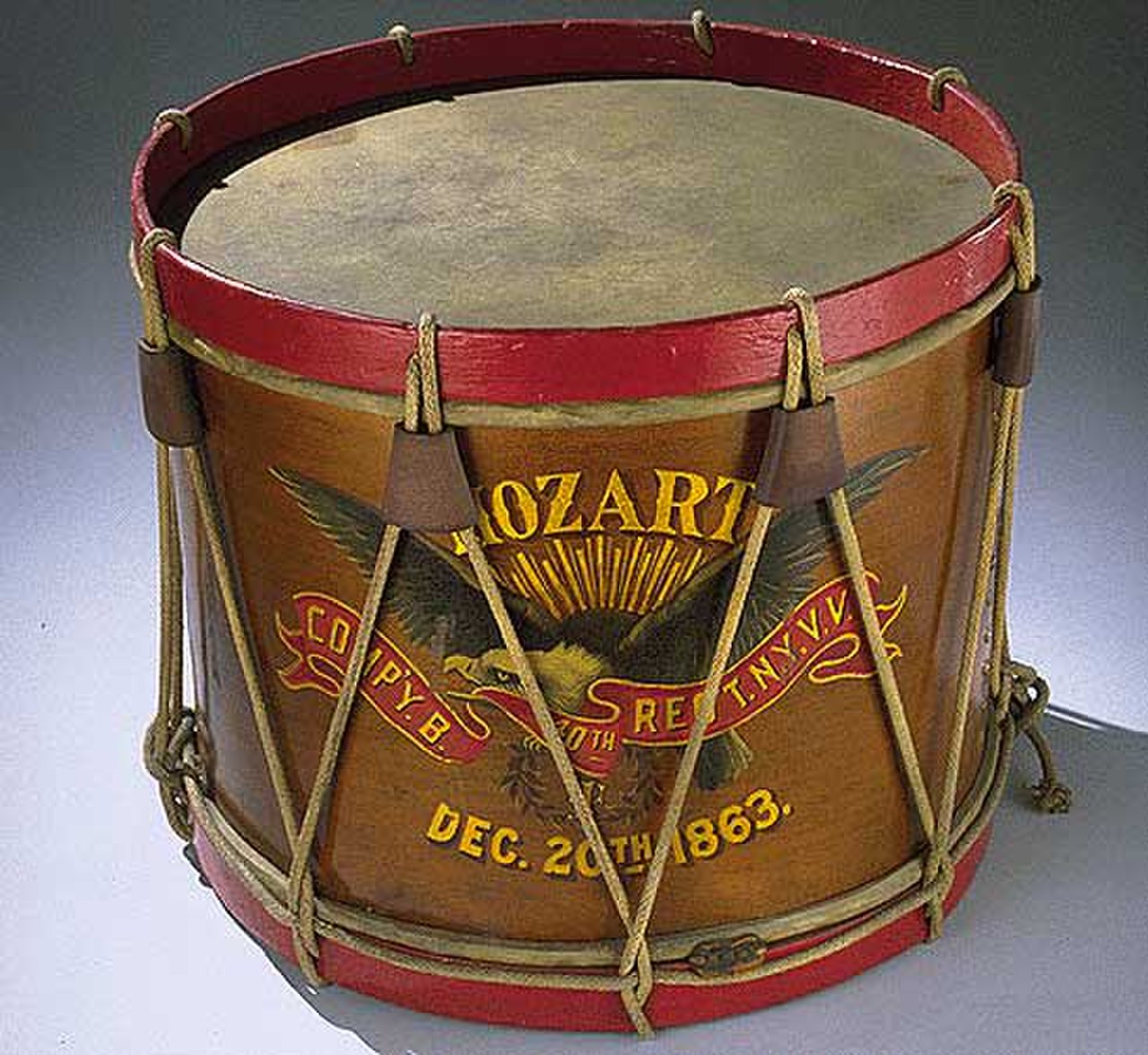
The drum is a member of the Percussion group of musical instruments, and is classified as a Membranophone in the Hornbostel–Sachs classification system. Drums consist of at least one membrane, called a Drumhead or drum skin, that is stretched over a shell and struck, either directly with the player's hands, or with a Percussion Mallet, to produce sound. There is usually a resonant head on the underside of the drum. Drums are the world's oldest and most ubiquitous musical instruments, and the basic design has remained virtually unchanged for thousands of years. The history of drums dates back to ancient civilizations, with evidence of drumming found in Ancient Civilizations such as Egypt, Greece, and Rome. Drums have been used in various forms of music, including Classical Music, Jazz, and Rock Music.
🔍 History of Drums
The history of drums is a long and complex one, with various cultures contributing to the development of different types of drums. The earliest known drums were made from hollow logs, with animal hides stretched over the top. These early drums were used in Traditional Music and Folk Music settings, and were often used for ceremonial and ritual purposes. As civilizations developed, so did the design and construction of drums, with the introduction of new materials and techniques. The modern drum set, as we know it today, is a relatively recent development, with the first drum sets emerging in the early 20th century. The development of Electronic Drums has also expanded the possibilities of drumming, with the introduction of new sounds and techniques. Drummers such as John Bonham and Ringo Starr have also played a significant role in shaping the sound of modern music.
🎶 Types of Drums
There are many different types of drums, each with its own unique characteristics and uses. The most common types of drums include the Snare Drum, Bass Drum, and Tom Tom. Other types of drums include the Conga, Bongo, and Timbale. Each type of drum has its own distinct sound and playing style, and drummers often specialize in specific types of drums. The choice of drum depends on the type of music being played, as well as the personal preference of the drummer. Drummers such as Neil Peart and Buddy Rich are known for their technical proficiency and versatility on the drums. The use of Drum Machines has also become increasingly popular in modern music production.
👂 Drumming Techniques
Drumming techniques vary depending on the type of drum and the style of music being played. The most common techniques include the Stroke, Roll, and Rudiment. Other techniques include the Thumb Roll and Heel-Toe technique. Drummers often develop their own unique techniques and styles, and may use a combination of different techniques to achieve the desired sound. The use of Drum Pedals has also expanded the possibilities of drumming, with the introduction of new sounds and techniques. Drummers such as Steve Gadd and Vinnie Colaiuta are known for their technical proficiency and musicality on the drums. The study of Music Theory is also essential for drummers, as it provides a deeper understanding of the music and the role of the drummer.
🔄 Drumheads and Materials
Drumheads and materials play a crucial role in the sound and playability of the drum. The most common materials used for drumheads include Animal Hide, Mylar, and Kevlar. Each material has its own unique characteristics and advantages, and drummers often choose the material that best suits their playing style and the type of music being played. The tension of the drumhead also affects the sound of the drum, with tighter heads producing a brighter, more focused sound, and looser heads producing a warmer, more resonant sound. The use of Drum Tuners has also become increasingly popular, as it allows drummers to achieve a consistent and accurate pitch. Drummers such as Tony Williams and Elvin Jones were known for their attention to detail and ability to tune their drums to perfection.
🎧 Resonance and Acoustics
Resonance and acoustics are critical components of the drum's sound. The resonant head on the underside of the drum helps to amplify and project the sound, while the shell and drumhead work together to produce a rich, full-bodied tone. The size and shape of the drum also affect its resonance and acoustics, with larger drums producing a deeper, more resonant sound, and smaller drums producing a brighter, more focused sound. The use of Drum Shells made from different materials, such as Wood and Metal, also affects the sound of the drum. Drummers such as Ginger Baker and Carl Palmer were known for their ability to produce a wide range of tones and dynamics on the drums. The study of Acoustics is also essential for drummers, as it provides a deeper understanding of the sound and how it is produced.
🌎 Cultural Significance of Drums
Drums have played a significant role in the cultural and social development of human societies. In many cultures, drums are used in Traditional Ceremonies and Rituals, and are often associated with spiritual and mystical practices. The use of drums in Music Therapy has also become increasingly popular, as it provides a unique and effective way to communicate and express emotions. Drummers such as Babatunde Olatunji and Milton Cardona have also played a significant role in promoting the cultural significance of drums and percussion. The use of Drum Circles has also become a popular way to promote community and social bonding.
🤝 Influence of Drums on Music
Drums have had a profound influence on the development of music, with many genres and styles relying heavily on the drum's rhythmic and dynamic capabilities. The use of drums in Rock Music and Pop Music has been particularly significant, with drummers such as John Bonham and Ringo Starr helping to shape the sound of modern music. The use of Electronic Drums has also expanded the possibilities of drumming, with the introduction of new sounds and techniques. Drummers such as Neil Peart and Buddy Rich are known for their technical proficiency and versatility on the drums. The study of Music History is also essential for drummers, as it provides a deeper understanding of the development of music and the role of the drummer.
📊 Drumming in Modern Music
In modern music, drums continue to play a vital role, with many genres and styles relying on the drum's rhythmic and dynamic capabilities. The use of Drum Machines and Electronic Drums has also become increasingly popular, as it provides a unique and flexible way to produce and perform music. Drummers such as Steve Gadd and Vinnie Colaiuta are known for their technical proficiency and musicality on the drums. The use of Drum Loops and Samples has also become a popular way to create and produce music. The study of Music Production is also essential for drummers, as it provides a deeper understanding of the music production process and the role of the drummer.
👩🎓 Learning to Play the Drums
Learning to play the drums can be a rewarding and challenging experience, requiring dedication, practice, and patience. Drummers often start by learning the basic techniques and rudiments, and then progress to more complex and advanced techniques. The use of Drum Lessons and Online Tutorials has also become increasingly popular, as it provides a flexible and convenient way to learn and improve. Drummers such as Tony Williams and Elvin Jones were known for their ability to teach and inspire others, and their legacy continues to influence drummers today. The study of Music Theory is also essential for drummers, as it provides a deeper understanding of the music and the role of the drummer.
🎯 Career Opportunities for Drummers
Career opportunities for drummers are diverse and varied, ranging from Session Musician and Touring Musician to Music Teacher and Music Producer. Drummers such as Neil Peart and Buddy Rich have had successful careers as drummers, and have inspired countless others to follow in their footsteps. The use of Social Media and Online Platforms has also become a popular way for drummers to promote themselves and their music. The study of Music Business is also essential for drummers, as it provides a deeper understanding of the music industry and the role of the drummer.
👏 Conclusion
In conclusion, drums are a vital and essential part of music, with a rich history and cultural significance. From the earliest civilizations to modern times, drums have played a significant role in shaping the sound and style of music. Whether you're a seasoned drummer or just starting out, the world of drums has something to offer everyone. With its unique combination of rhythm, dynamics, and expression, the drum is an instrument that continues to inspire and captivate audiences around the world. Drummers such as John Bonham and Ringo Starr have left a lasting legacy, and their influence can still be heard in music today. The future of drumming is bright, with new technologies and techniques emerging all the time.
Key Facts
- Year
- 6000
- Origin
- Mesopotamia
- Category
- Music
- Type
- Instrument
Frequently Asked Questions
What is the history of drums?
The history of drums dates back to ancient civilizations, with evidence of drumming found in Ancient Civilizations such as Egypt, Greece, and Rome. The earliest known drums were made from hollow logs, with animal hides stretched over the top. As civilizations developed, so did the design and construction of drums, with the introduction of new materials and techniques.
What are the different types of drums?
What are the basic techniques of drumming?
The basic techniques of drumming include the Stroke, Roll, and Rudiment. Other techniques include the Thumb Roll and Heel-Toe technique. Drummers often develop their own unique techniques and styles, and may use a combination of different techniques to achieve the desired sound.
What is the cultural significance of drums?
Drums have played a significant role in the cultural and social development of human societies. In many cultures, drums are used in Traditional Ceremonies and Rituals, and are often associated with spiritual and mystical practices. The use of drums in Music Therapy has also become increasingly popular, as it provides a unique and effective way to communicate and express emotions.
What are the career opportunities for drummers?
Career opportunities for drummers are diverse and varied, ranging from Session Musician and Touring Musician to Music Teacher and Music Producer. Drummers such as Neil Peart and Buddy Rich have had successful careers as drummers, and have inspired countless others to follow in their footsteps.