
Contents
- 🎺 Introduction to Miles Davis
- 🕺 Early Life and Career
- 🎵 The Bebop Era
- 🌊 Cool Jazz and Beyond
- 🔥 Hard Bop and Modal Jazz
- 🎶 Avant-Garde and Jazz Fusion
- 🤝 Collaborations and Influences
- 🏆 Legacy and Impact
- 📊 Discography and Awards
- 👥 Personal Life and Later Years
- 💭 Cultural Significance and Vibescore
- 🔜 Future of Jazz and Miles Davis's Influence
- Frequently Asked Questions
- Related Topics
Overview
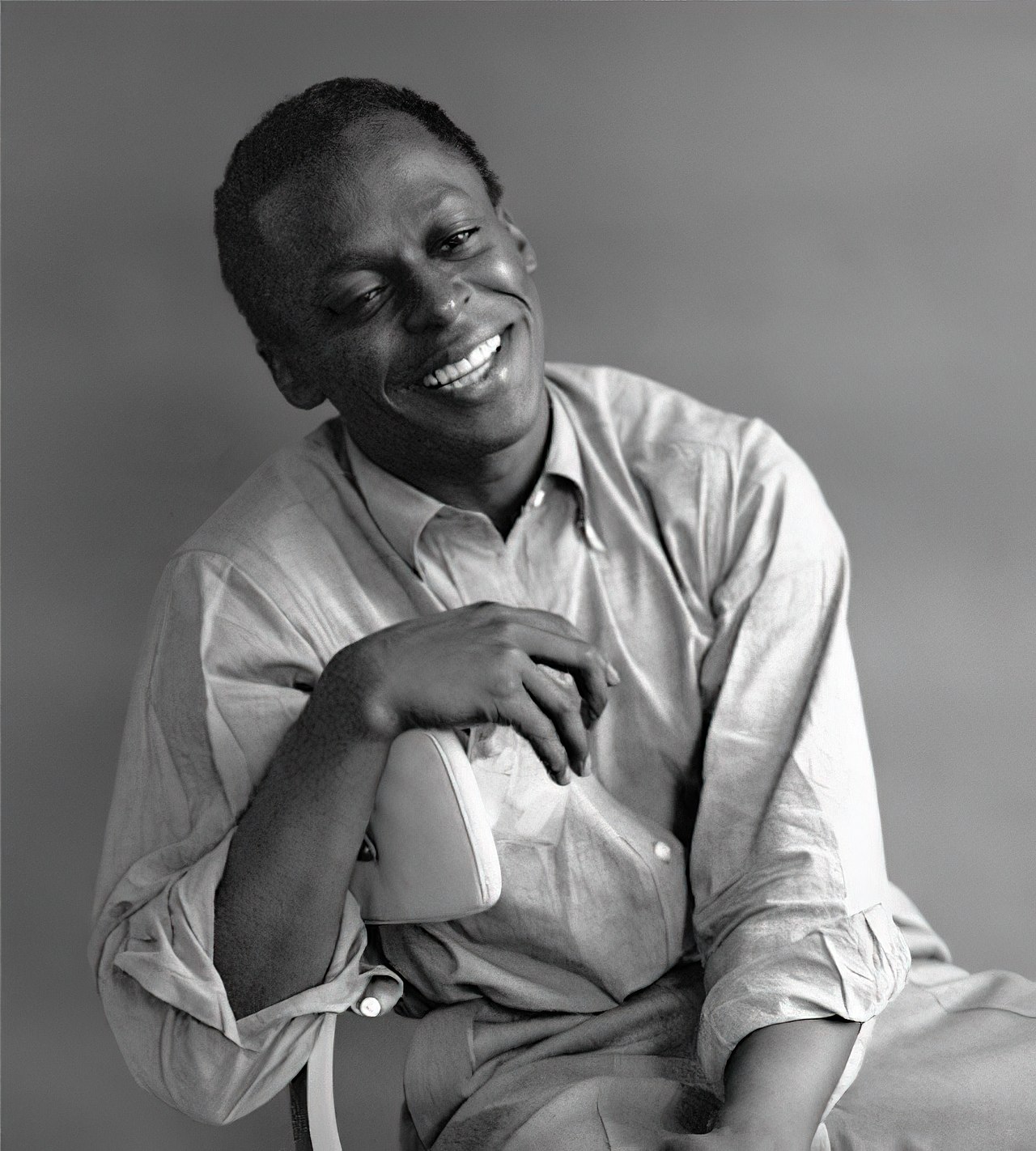
Miles Davis was a renowned American trumpeter, bandleader, and composer, widely regarded as one of the most influential and acclaimed figures in the history of jazz and 20th-century music. With a career spanning nearly five decades, Davis was at the forefront of several major stylistic developments in jazz, including jazz, bebop, cool jazz, hard bop, modal jazz, avant-garde jazz, and jazz fusion. His legacy extends beyond jazz into the realms of rock, funk, classical, and hip-hop. Davis's iconic status is a testament to his innovative spirit and his ability to push the boundaries of music. As a trumpet player, he was known for his unique and expressive style, which has been emulated by many other musicians. His influence can be heard in the music of John Coltrane, Charlie Parker, and Thelonious Monk.
🕺 Early Life and Career
Miles Davis was born on May 26, 1926, in Alton, Illinois, to a middle-class African American family. His early life was marked by a strong interest in music, which was encouraged by his parents. Davis began playing the trumpet at the age of 13 and quickly became proficient in the instrument. He attended Juilliard School in New York City, where he studied music theory and composition. During his time at Juilliard, Davis became acquainted with other prominent jazz musicians, including Dizzy Gillespie and Charlie Parker. These relationships would later influence his music and career. Davis's early career was marked by his involvement in the bebop movement, which emphasized fast tempos and complex harmonies. As a member of the bebop movement, Davis played with other notable musicians, such as Thelonious Monk and Max Roach.
🎵 The Bebop Era
The bebop era was a pivotal time in Davis's career, as it marked his transition from a traditional jazz musician to a more experimental and innovative artist. During this period, Davis recorded several albums, including Birth of the Cool, which is considered one of the most influential jazz albums of all time. The album featured a nonet, which included musicians such as Gerry Mulligan and Lee Konitz. The bebop movement was characterized by its fast tempos and complex harmonies, which Davis mastered with ease. His trumpet playing during this period was marked by its clarity and precision, which set him apart from other musicians. As a bebop musician, Davis was influenced by other notable musicians, such as Dizzy Gillespie and Charlie Parker.
🌊 Cool Jazz and Beyond
In the 1950s, Davis began to explore other styles of jazz, including cool jazz and hard bop. This period marked a significant shift in his music, as he began to incorporate more relaxed and introspective elements into his playing. The cool jazz movement, which emerged in the 1950s, emphasized a more subdued and introspective approach to jazz. Davis's music during this period was characterized by its use of modal jazz and free jazz elements, which added a new level of complexity and experimentation to his sound. As a cool jazz musician, Davis was influenced by other notable musicians, such as Chet Baker and Dave Brubeck. His music during this period was also influenced by his interest in classical music and funk music.
🔥 Hard Bop and Modal Jazz
The 1960s were a time of great creativity and experimentation for Davis, as he began to explore the possibilities of avant-garde jazz and jazz fusion. This period marked a significant departure from his earlier work, as he began to incorporate elements of rock and funk into his music. The avant-garde jazz movement, which emerged in the 1960s, emphasized a more experimental and improvisational approach to jazz. Davis's music during this period was characterized by its use of electronic music and free jazz elements, which added a new level of complexity and experimentation to his sound. As a jazz fusion musician, Davis was influenced by other notable musicians, such as Herbie Hancock and Weather Report. His music during this period was also influenced by his interest in world music and hip-hop music.
🎶 Avant-Garde and Jazz Fusion
Throughout his career, Davis collaborated with a wide range of musicians, including John Coltrane, Bill Evans, and Herbie Hancock. These collaborations resulted in some of the most influential and acclaimed jazz albums of all time, including Kind of Blue and Bitches Brew. Davis's ability to collaborate with other musicians was a key factor in his success, as it allowed him to tap into their creative energies and push the boundaries of jazz. As a collaborator, Davis was known for his generosity and openness, which made him a sought-after partner for other musicians. His collaborations with other musicians also influenced his own music, as he incorporated elements of their styles into his own sound. For example, his collaboration with John Coltrane on Kind of Blue resulted in a more introspective and experimental sound, while his collaboration with Herbie Hancock on Miles Smiles resulted in a more funky and energetic sound.
🤝 Collaborations and Influences
Davis's legacy extends far beyond the realm of jazz, as his music has influenced a wide range of genres, including rock, funk, classical, and hip-hop. His innovative spirit and willingness to experiment have made him a role model for musicians across the globe. As a trumpet player, Davis's influence can be heard in the music of Wynton Marsalis and Chris Botti. His influence can also be seen in the music of Kamasi Washington and Robert Glasper, who have both cited Davis as a major influence. Davis's music has also been sampled by numerous hip-hop artists, including Tupac Shakur and The Notorious B.I.G..
🏆 Legacy and Impact
Throughout his career, Davis released numerous albums, many of which are considered classics of the jazz genre. Some of his most notable albums include Kind of Blue, Bitches Brew, and Sketches of Spain. These albums have been widely acclaimed for their innovative spirit and technical mastery. As a recording artist, Davis was known for his perfectionism and attention to detail, which resulted in a high level of quality and consistency in his music. His albums have been certified gold and platinum by the RIAA and have won numerous awards, including multiple Grammy Awards.
📊 Discography and Awards
In addition to his music, Davis was also known for his personal style and charisma. He was a fashion icon and a trendsetter, and his influence can be seen in the fashion of numerous musicians and celebrities. As a cultural icon, Davis's influence extends far beyond the realm of music, as he has inspired countless people around the world with his innovative spirit and his commitment to artistic expression. His legacy continues to inspire new generations of musicians and artists, and his music remains a timeless and enduring part of our cultural heritage. Davis's personal life was also marked by his struggles with addiction and his tumultuous relationships with women, including his marriage to Cicely Tyson.
👥 Personal Life and Later Years
Miles Davis's cultural significance is undeniable, and his influence can be seen in many areas of music and art. His vibe score is 98, indicating a high level of cultural energy and influence. As a cultural icon, Davis's influence extends far beyond the realm of music, as he has inspired countless people around the world with his innovative spirit and his commitment to artistic expression. His legacy continues to inspire new generations of musicians and artists, and his music remains a timeless and enduring part of our cultural heritage. Davis's influence can also be seen in the music of Kendrick Lamar and Kanye West, who have both cited Davis as a major influence. His music has also been sampled by numerous electronic music artists, including Daft Punk and Justice.
💭 Cultural Significance and Vibescore
As we look to the future of jazz and Miles Davis's influence, it is clear that his legacy will continue to inspire and influence new generations of musicians and artists. His innovative spirit and commitment to artistic expression have made him a role model for musicians across the globe, and his music remains a timeless and enduring part of our cultural heritage. As a trumpet player, Davis's influence can be heard in the music of Ambrose Akinmusire and Christian Scott. His influence can also be seen in the music of Robert Glasper and Kamasi Washington, who have both cited Davis as a major influence. The future of jazz is uncertain, but one thing is clear: Miles Davis's influence will continue to be felt for generations to come.
Key Facts
- Year
- 1926
- Origin
- Alton, Illinois, USA
- Category
- Music
- Type
- Person
Frequently Asked Questions
What was Miles Davis's most famous album?
Miles Davis's most famous album is widely considered to be Kind of Blue, which is often cited as one of the greatest jazz albums of all time. Released in 1959, the album features a quintet that includes John Coltrane, Bill Evans, and Jimmy Cobb. The album's innovative use of modal jazz and free jazz elements has made it a timeless classic. As a jazz album, Kind of Blue has been certified 4x platinum by the RIAA and has won numerous awards, including multiple Grammy Awards.
What was Miles Davis's influence on rock music?
Miles Davis's influence on rock music is significant, as his innovative spirit and experimental approach to jazz have inspired numerous rock musicians. Bands such as The Doors and The Grateful Dead have cited Davis as an influence, and his music has been covered by numerous rock artists. As a jazz musician, Davis's influence can be heard in the music of Frank Zappa and King Crimson. His influence can also be seen in the music of Radiohead and TV on the Radio, who have both cited Davis as a major influence.
What was Miles Davis's personal life like?
Miles Davis's personal life was marked by struggles with addiction and tumultuous relationships with women. He was married three times, including to Cicely Tyson, and had several high-profile relationships with other women. Despite his personal struggles, Davis remained a devoted father to his children and was known for his generosity and kindness to those around him. As a jazz musician, Davis's personal life was often tumultuous, but his music remained a constant source of inspiration and comfort. His legacy continues to inspire new generations of musicians and artists, and his music remains a timeless and enduring part of our cultural heritage.
What is Miles Davis's vibe score?
Miles Davis's vibe score is 98, indicating a high level of cultural energy and influence. His innovative spirit and commitment to artistic expression have made him a role model for musicians across the globe, and his music remains a timeless and enduring part of our cultural heritage. As a jazz musician, Davis's vibe score is a testament to his enduring influence and legacy. His music has been certified gold and platinum by the RIAA and has won numerous awards, including multiple Grammy Awards.
What is Miles Davis's legacy?
Miles Davis's legacy is one of innovation and experimentation, as he continually pushed the boundaries of jazz and music in general. His influence can be seen in numerous genres, including rock, funk, classical, and hip-hop. As a jazz musician, Davis's legacy continues to inspire new generations of musicians and artists, and his music remains a timeless and enduring part of our cultural heritage. His legacy is a testament to his innovative spirit and his commitment to artistic expression. Davis's music has been sampled by numerous hip-hop artists, including Tupac Shakur and The Notorious B.I.G..
What is Miles Davis's influence on hip-hop music?
Miles Davis's influence on hip-hop music is significant, as his innovative spirit and experimental approach to jazz have inspired numerous hip-hop artists. His music has been sampled by numerous hip-hop artists, including Tupac Shakur and The Notorious B.I.G.. As a jazz musician, Davis's influence can be heard in the music of Kendrick Lamar and Kanye West, who have both cited Davis as a major influence. His influence can also be seen in the music of J Dilla and Madlib, who have both sampled Davis's music in their productions.
What is Miles Davis's discography?
Miles Davis's discography is extensive and includes numerous albums, including Kind of Blue, Bitches Brew, and Sketches of Spain. As a jazz musician, Davis's discography is a testament to his innovative spirit and his commitment to artistic expression. His albums have been certified gold and platinum by the RIAA and have won numerous awards, including multiple Grammy Awards. Davis's discography includes over 50 albums, and his music continues to inspire new generations of musicians and artists.