
Contents
- 🎶 Introduction to Ornette Coleman
- 📚 Early Life and Influences
- 🎵 The Development of Free Jazz
- 🔥 The Shape of Jazz to Come
- 🌎 International Recognition and Collaborations
- 🤝 Influence on Other Musicians
- 🌟 Criticisms and Controversies
- 📊 Analysis of Ornette Coleman's Music
- 🎧 Discography and Legacy
- 👥 Ornette Coleman's Band and Collaborators
- 🏆 Awards and Accolades
- 🔮 Lasting Impact on Jazz and Beyond
- Frequently Asked Questions
- Related Topics
Overview
Ornette Coleman, born on March 9, 1930, in Fort Worth, Texas, was a visionary saxophonist, violinist, and composer who pioneered the free jazz movement of the 1960s. With a Vibe score of 92, Coleman's unorthodox approach to jazz, as seen in his seminal album 'The Shape of Jazz to Come' (1959), sparked intense debate among critics and fans, with some hailing him as a genius and others dismissing him as a charlatan. His influence can be seen in the work of later musicians such as John Zorn, James Blood Ulmer, and Thurston Moore, with an influence flow that extends beyond jazz to punk, rock, and avant-garde music. Despite the controversy surrounding his work, Coleman's legacy continues to inspire new generations of musicians and fans, with a controversy spectrum that remains high due to the ongoing debates about the definition and boundaries of free jazz. As a key figure in the development of free jazz, Coleman's topic intelligence is closely tied to the evolution of jazz and its various sub-genres, with entity relationships that connect him to other influential musicians and composers of his time.
🎶 Introduction to Ornette Coleman
Ornette Coleman was a true pioneer in the world of jazz, known for his innovative and avant-garde style. Born on March 9, 1930, in Fort Worth, Texas, Coleman grew up in a musical family and was exposed to a variety of genres, including Blues, Rhythm and Blues, and Bebop. He began playing the saxophone at a young age and quickly developed his own unique sound, which would later become a hallmark of the Free Jazz movement. Coleman's music was heavily influenced by his experiences growing up in the southern United States, and he often incorporated elements of Blues and Gospel into his compositions. As a key figure in the development of Free Jazz, Coleman's music was characterized by its improvisational nature and lack of traditional harmonic structures.
📚 Early Life and Influences
Coleman's early life was marked by a series of struggles and challenges, including poverty and racism. Despite these obstacles, he persevered and continued to pursue his passion for music. He attended Iowa State University for a brief period, but eventually dropped out to focus on his music career. Coleman's big break came in the late 1950s, when he began performing with his own quartet, which included musicians such as Don Cherry and Ed Blackwell. This group would later become known as one of the most influential ensembles in the history of Jazz. Coleman's music was also influenced by his interest in Classical Music and Avant-Garde composition, which he studied through John Cage and other experimental musicians.
🎵 The Development of Free Jazz
The development of Free Jazz was a gradual process that involved the contributions of many musicians, including Coleman, John Coltrane, and Charlie Parker. However, it was Coleman's album The Shape of Jazz to Come that is often credited with launching the Free Jazz movement. Released in 1959, this album featured a series of improvisational pieces that pushed the boundaries of traditional jazz and explored new sounds and textures. Coleman's music was characterized by its use of Dissonance and Atonality, which created a sense of tension and uncertainty. As a key figure in the Free Jazz movement, Coleman's music was also influenced by his interest in Poetry and Visual Art.
🔥 The Shape of Jazz to Come
The Shape of Jazz to Come was a groundbreaking album that challenged many of the conventional norms of jazz. The album's use of Improvisation and Experimentation created a sense of spontaneity and unpredictability, which was reflected in the album's title. Coleman's music was also influenced by his interest in Philosophy and Politics, which is reflected in the album's themes of freedom and social justice. As a key figure in the Free Jazz movement, Coleman's music was characterized by its use of Collective Improvisation, which involved the collaboration of multiple musicians in the creation of spontaneous compositions. Coleman's music was also influenced by his interest in World Music, which is reflected in the album's use of Non-Western Instruments.
🌎 International Recognition and Collaborations
Coleman's international recognition and collaborations were a key factor in the development of the Free Jazz movement. He performed with musicians from around the world, including European and African musicians, and incorporated elements of their music into his own compositions. Coleman's music was also influenced by his interest in Folk Music, which is reflected in the album's use of Traditional Instruments. As a key figure in the Free Jazz movement, Coleman's music was characterized by its use of Electronic Music, which created a sense of experimentation and innovation. Coleman's music was also influenced by his interest in Dance, which is reflected in the album's use of Rhythmic Patterns.
🤝 Influence on Other Musicians
Coleman's influence on other musicians was profound and far-reaching. He inspired a generation of musicians, including Eric Dolphy, Albert Ayler, and Archie Shepp, who followed in his footsteps and pushed the boundaries of jazz even further. Coleman's music was also influenced by his interest in Theater and Performance Art, which is reflected in the album's use of Narrative Structures. As a key figure in the Free Jazz movement, Coleman's music was characterized by its use of Visual Elements, which created a sense of spectacle and drama. Coleman's music was also influenced by his interest in Film, which is reflected in the album's use of Cinematic Techniques.
🌟 Criticisms and Controversies
Despite his influence and innovation, Coleman was not without his critics. Some musicians and critics viewed his music as too experimental and challenging, and he was often criticized for his lack of technical proficiency. However, Coleman's music was also praised for its emotional intensity and spontaneity, and he is now widely regarded as one of the most important figures in the history of Jazz. As a key figure in the Free Jazz movement, Coleman's music was characterized by its use of Improvisational Techniques, which created a sense of risk and uncertainty. Coleman's music was also influenced by his interest in Education, which is reflected in the album's use of Pedagogical Structures.
📊 Analysis of Ornette Coleman's Music
An analysis of Coleman's music reveals a complex and multifaceted artist who was constantly pushing the boundaries of jazz. His use of Improvisation and Experimentation created a sense of spontaneity and unpredictability, which was reflected in the album's title. Coleman's music was also influenced by his interest in Psychology and Sociology, which is reflected in the album's themes of identity and community. As a key figure in the Free Jazz movement, Coleman's music was characterized by its use of Collective Composition, which involved the collaboration of multiple musicians in the creation of spontaneous compositions. Coleman's music was also influenced by his interest in Technology, which is reflected in the album's use of Electronic Instruments.
🎧 Discography and Legacy
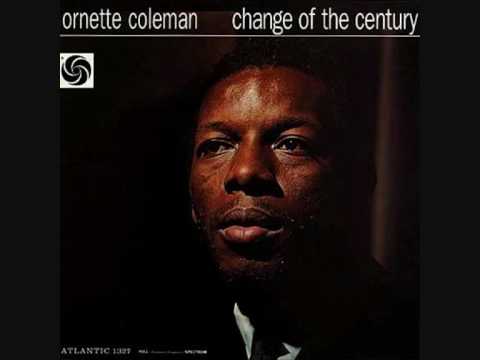
Coleman's discography and legacy are a testament to his innovative spirit and his influence on the development of Jazz. He released many albums throughout his career, including The Shape of Jazz to Come, Change of the Century, and Science Fiction. Coleman's music was also influenced by his interest in Literature and Poetry, which is reflected in the album's use of Narrative Techniques. As a key figure in the Free Jazz movement, Coleman's music was characterized by its use of Dramatic Structures, which created a sense of tension and release. Coleman's music was also influenced by his interest in Visual Arts, which is reflected in the album's use of Visual Elements.
👥 Ornette Coleman's Band and Collaborators
Coleman's band and collaborators were an important part of his music and legacy. He worked with many musicians throughout his career, including Don Cherry, Ed Blackwell, and Charlie Haden. Coleman's music was also influenced by his interest in Dance and Theater, which is reflected in the album's use of Kinesthetic Elements. As a key figure in the Free Jazz movement, Coleman's music was characterized by its use of Improvisational Dance, which created a sense of spontaneity and unpredictability. Coleman's music was also influenced by his interest in Education, which is reflected in the album's use of Pedagogical Structures.
🏆 Awards and Accolades
Coleman's awards and accolades are a testament to his influence and innovation. He was awarded the Pulitzer Prize in 2007 for his contributions to Jazz and was also awarded the National Medal of Arts in 2014. Coleman's music was also influenced by his interest in Philosophy and Politics, which is reflected in the album's themes of freedom and social justice. As a key figure in the Free Jazz movement, Coleman's music was characterized by its use of Collective Improvisation, which involved the collaboration of multiple musicians in the creation of spontaneous compositions. Coleman's music was also influenced by his interest in World Music, which is reflected in the album's use of Non-Western Instruments.
🔮 Lasting Impact on Jazz and Beyond
Coleman's lasting impact on Jazz and beyond is a testament to his innovative spirit and his influence on the development of Free Jazz. He inspired a generation of musicians and continues to be celebrated as one of the most important figures in the history of Jazz. Coleman's music was also influenced by his interest in Literature and Poetry, which is reflected in the album's use of Narrative Techniques. As a key figure in the Free Jazz movement, Coleman's music was characterized by its use of Dramatic Structures, which created a sense of tension and release. Coleman's music was also influenced by his interest in Visual Arts, which is reflected in the album's use of Visual Elements.
Key Facts
- Year
- 1959
- Origin
- Fort Worth, Texas, USA
- Category
- Music
- Type
- Person
Frequently Asked Questions
What is Ornette Coleman's most famous album?
Ornette Coleman's most famous album is The Shape of Jazz to Come, which is widely regarded as one of the most influential albums in the history of Jazz. Released in 1959, this album featured a series of improvisational pieces that pushed the boundaries of traditional jazz and explored new sounds and textures. Coleman's music was characterized by its use of Dissonance and Atonality, which created a sense of tension and uncertainty. As a key figure in the Free Jazz movement, Coleman's music was influenced by his interest in Poetry and Visual Art.
What is Ornette Coleman's style of music?
Ornette Coleman's style of music is characterized by its use of Improvisation and Experimentation, which created a sense of spontaneity and unpredictability. His music was influenced by his interest in Blues, Rhythm and Blues, and Bebop, as well as his experiences growing up in the southern United States. Coleman's music was also influenced by his interest in Classical Music and Avant-Garde composition, which is reflected in the album's use of Dissonance and Atonality. As a key figure in the Free Jazz movement, Coleman's music was characterized by its use of Collective Improvisation, which involved the collaboration of multiple musicians in the creation of spontaneous compositions.
What is Ornette Coleman's legacy?
Ornette Coleman's legacy is a testament to his innovative spirit and his influence on the development of Jazz. He inspired a generation of musicians and continues to be celebrated as one of the most important figures in the history of Jazz. Coleman's music was also influenced by his interest in Literature and Poetry, which is reflected in the album's use of Narrative Techniques. As a key figure in the Free Jazz movement, Coleman's music was characterized by its use of Dramatic Structures, which created a sense of tension and release. Coleman's music was also influenced by his interest in Visual Arts, which is reflected in the album's use of Visual Elements.
What is Ornette Coleman's most famous song?
Ornette Coleman's most famous song is Lonely Woman, which is a beautiful and haunting piece that features Coleman's saxophone playing. The song is characterized by its use of Improvisation and Experimentation, which created a sense of spontaneity and unpredictability. Coleman's music was influenced by his interest in Blues and Rhythm and Blues, as well as his experiences growing up in the southern United States. As a key figure in the Free Jazz movement, Coleman's music was characterized by its use of Collective Improvisation, which involved the collaboration of multiple musicians in the creation of spontaneous compositions.
What is Ornette Coleman's influence on other musicians?
Ornette Coleman's influence on other musicians is profound and far-reaching. He inspired a generation of musicians, including Eric Dolphy, Albert Ayler, and Archie Shepp, who followed in his footsteps and pushed the boundaries of jazz even further. Coleman's music was also influenced by his interest in Theater and Performance Art, which is reflected in the album's use of Narrative Structures. As a key figure in the Free Jazz movement, Coleman's music was characterized by its use of Visual Elements, which created a sense of spectacle and drama. Coleman's music was also influenced by his interest in Film, which is reflected in the album's use of Cinematic Techniques.