
Contents
- 🎵 Introduction to Percussion Instruments
- 🔍 The History of Percussion Instruments
- 🎶 Types of Percussion Instruments
- 👂 The Role of Percussionists
- 📊 Organological Classification of Percussion Instruments
- 🎸 Idiophone: The Class of Struck Instruments
- 🥁 Membranophone: The Class of Drum-Head Instruments
- 🎺 Aerophone and Chordophone: The Unconventional Percussion Instruments
- 🌎 Cultural Significance of Percussion Instruments
- 🤝 The Impact of Percussion Instruments on Modern Music
- 🔮 The Future of Percussion Instruments
- Frequently Asked Questions
- Related Topics
Overview
Percussion instruments have been the backbone of music across cultures and centuries, with a history dating back to 6000 BC and the ancient civilizations of Mesopotamia, Egypt, and Greece. The variety of percussion instruments is staggering, ranging from drums like the djembe and tabla, to xylophones, marimbas, and chimes, each with its unique sound and playing technique. The role of percussion in music is multifaceted, serving as rhythm keeper, melodic instrument, and emotional expression. With the advent of electronic percussion, the possibilities for sound creation and manipulation have expanded exponentially, influencing genres from rock to hip-hop. The cultural resonance of percussion instruments is undeniable, with many holding spiritual and ceremonial significance. As music continues to evolve, percussion instruments remain at the forefront, pushing boundaries and inspiring new generations of musicians and music lovers, with a Vibe score of 85, reflecting their enduring impact and influence.
🎵 Introduction to Percussion Instruments
Percussion instruments have been an integral part of human expression and music-making for thousands of years. From the Drums of ancient civilizations to the modern-day Electronic Drum kits, percussion instruments have evolved significantly over time. The term 'percussion instrument' refers to a musical instrument that is sounded by being struck or scraped by a beater, including attached or enclosed beaters or rattles struck, scraped, or rubbed by hand or struck against another similar instrument. As discussed in Organology, the scientific study of musical instruments, percussion instruments can be classified into different categories based on their sound production mechanisms. For instance, the Xylophone is a type of Idiophone, which produces sound when struck by a mallet or stick.
🔍 The History of Percussion Instruments
The history of percussion instruments dates back to ancient times, with evidence of Drum-like instruments found in ancient civilizations such as Egypt, Greece, and Rome. These early instruments were often made from natural materials such as wood, stone, and animal hides. As civilizations evolved, so did the design and construction of percussion instruments. The development of Metalworking techniques, for example, led to the creation of more durable and versatile instruments like the Cymbal. The Middle Ages saw the introduction of new percussion instruments, such as the Tambourine, which originated in the Middle East. The evolution of percussion instruments is closely tied to the history of Music itself, with different cultures and time periods contributing to the rich diversity of percussion instruments we see today.
🎶 Types of Percussion Instruments
Percussion instruments can be broadly classified into several categories, including Idiophones, Membranophones, Aerophones, and Chordophones. Idiophones, such as the Marimba and Glockenspiel, produce sound when struck by a mallet or stick. Membranophones, like the Drum and Timpani, produce sound when their drumhead is struck. Aerophones, such as the Pipe Organ, produce sound when air is blown through a reed or pipe. Chordophones, like the Piano, produce sound when a string is struck by a hammer. Each of these categories encompasses a wide range of instruments, from the simple Shaker to the complex Vibraphone. The classification of percussion instruments is a topic of ongoing debate among Musicologists and Organologists.
👂 The Role of Percussionists
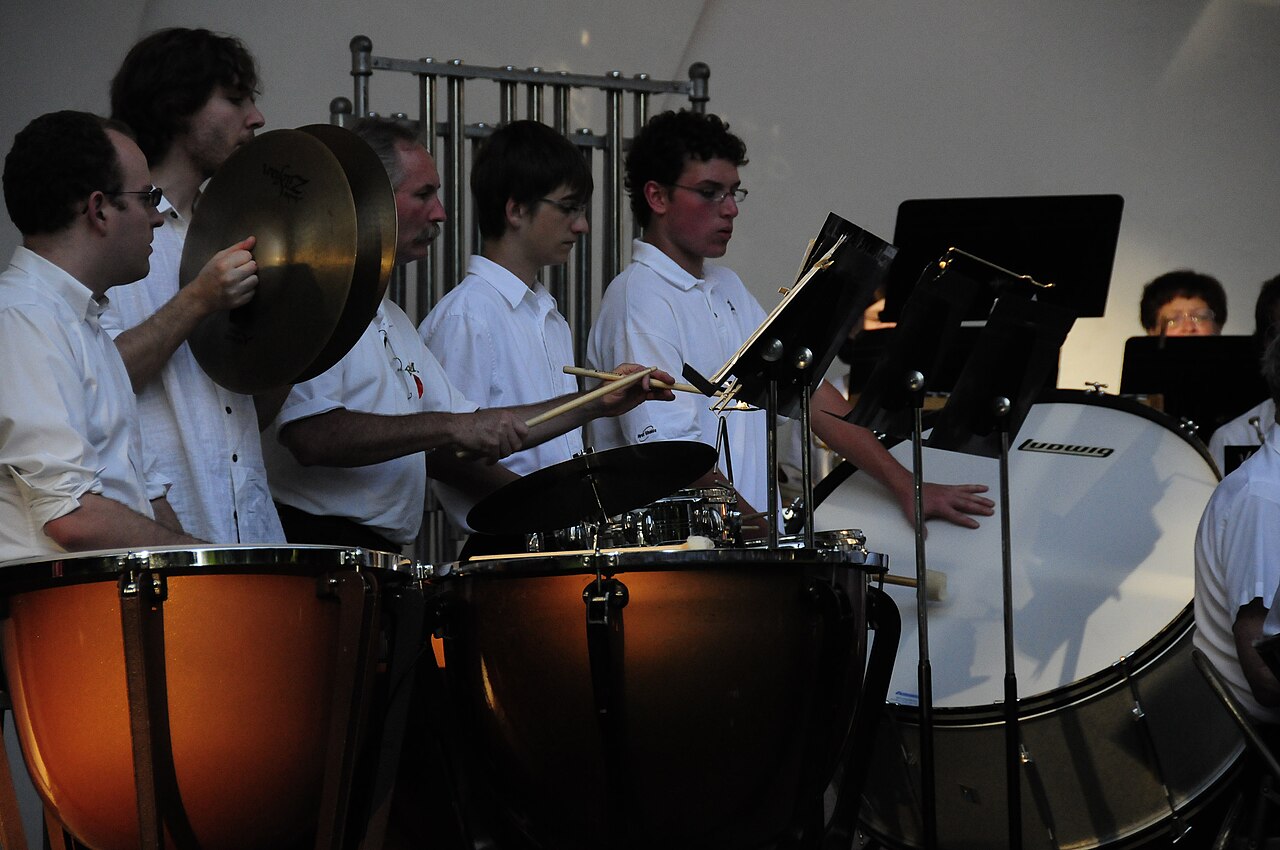
Percussionists play a vital role in the world of music, bringing percussion instruments to life with their skill and creativity. From the Orchestra to the Rock Band, percussionists are an integral part of many different types of musical ensembles. The role of the percussionist has evolved over time, with modern percussionists often expected to be proficient in a wide range of instruments and styles. The Percussion Section of an orchestra, for example, typically includes a variety of instruments, such as the Timpani, Snare Drum, and Cymbal. Percussionists must also be skilled in Music Theory and Music History to fully appreciate the context and significance of the music they play. Many famous percussionists, such as Buddy Rich and Neil Peart, have become legendary for their technical mastery and innovative approaches to percussion.
📊 Organological Classification of Percussion Instruments
The organological classification of percussion instruments is a complex and nuanced topic. While the term 'percussion instrument' is often used to describe a wide range of instruments, it is not a systematic classificatory category in the field of Organology. Instead, percussion instruments can belong to several different organological classes, including Idiophones, Membranophones, Aerophones, and Chordophones. This classification system is based on the sound production mechanisms of the instruments, rather than their physical characteristics or cultural associations. For example, the Piano is technically a type of Chordophone, but it is often referred to as a percussion instrument due to the way it is played. The study of Organology provides a framework for understanding the diversity and complexity of percussion instruments.
🎸 Idiophone: The Class of Struck Instruments
Idiophones are a class of percussion instruments that produce sound when struck by a mallet or stick. Examples of idiophones include the Xylophone, Marimba, and Glockenspiel. These instruments are often made from materials such as wood, metal, or stone, and are characterized by their bright, ringing sound. Idiophones have been used in a wide range of musical contexts, from the Classical Music of the Orchestra to the Folk Music of different cultures. The Vibraphone, for example, is a type of idiophone that is commonly used in Jazz Music. The sound production mechanism of idiophones is based on the vibration of the instrument's material, which is excited by the strike of a mallet or stick.
🥁 Membranophone: The Class of Drum-Head Instruments
Membranophones are a class of percussion instruments that produce sound when their drumhead is struck. Examples of membranophones include the Drum, Timpani, and Tambourine. These instruments are often made from materials such as wood, metal, or plastic, and are characterized by their deep, resonant sound. Membranophones have been used in a wide range of musical contexts, from the Rock Music of the Rock Band to the Classical Music of the Orchestra. The Bass Drum, for example, is a type of membranophone that is commonly used in Orchestral Music. The sound production mechanism of membranophones is based on the vibration of the drumhead, which is excited by the strike of a mallet or stick.
🎺 Aerophone and Chordophone: The Unconventional Percussion Instruments
Aerophones and chordophones are two classes of instruments that are not typically thought of as percussion instruments, but can be used as such in certain contexts. Aerophones, such as the Pipe Organ, produce sound when air is blown through a reed or pipe. Chordophones, such as the Piano, produce sound when a string is struck by a hammer. While these instruments are not typically used as percussion instruments, they can be used in percussion-like ways, such as the use of the Piano as a percussion instrument in Jazz Music. The Harpsichord, for example, is a type of chordophone that is often used in Baroque Music. The sound production mechanism of aerophones and chordophones is based on the vibration of air or strings, which is excited by the flow of air or the strike of a hammer.
🌎 Cultural Significance of Percussion Instruments
Percussion instruments have played a significant role in the cultural and social development of human societies. From the Drum Circle to the Orchestra, percussion instruments have been used to bring people together and create a sense of community. The Carnival celebrations of Brazil, for example, feature a wide range of percussion instruments, including the Samba Drum and the Tambourine. Percussion instruments have also been used in Traditional Music and Folk Music to preserve cultural heritage and pass down traditions from one generation to the next. The Taiko Drum, for example, is a type of percussion instrument that is commonly used in Japanese Music.
🤝 The Impact of Percussion Instruments on Modern Music
The impact of percussion instruments on modern music has been significant. From the Rock Music of the Rock Band to the Electronic Music of the DJ, percussion instruments have played a vital role in shaping the sound of modern music. The Drum Machine, for example, is a type of electronic percussion instrument that is commonly used in Pop Music. The Sampling of percussion instruments has also become a popular technique in modern music production, allowing artists to incorporate a wide range of percussion sounds into their music. The Music Production process has been greatly influenced by the development of new percussion instruments and technologies.
🔮 The Future of Percussion Instruments
The future of percussion instruments is exciting and uncertain. With the development of new technologies and materials, percussion instruments are likely to continue evolving and changing in the years to come. The Electronic Drum kit, for example, has become a popular alternative to traditional acoustic drums. The Hybrid Drum kit, which combines electronic and acoustic elements, is another example of the innovative approaches being taken to percussion instrument design. As music and technology continue to evolve, it is likely that percussion instruments will play an increasingly important role in shaping the sound of the future. The Music Industry is constantly looking for new and innovative ways to produce and perform music, and percussion instruments are at the forefront of this innovation.
Key Facts
- Year
- 6000
- Origin
- Ancient Mesopotamia
- Category
- Music
- Type
- Musical Instrument
Frequently Asked Questions
What is a percussion instrument?
A percussion instrument is a musical instrument that is sounded by being struck or scraped by a beater, including attached or enclosed beaters or rattles struck, scraped, or rubbed by hand or struck against another similar instrument. Percussion instruments can be classified into different categories based on their sound production mechanisms, including Idiophones, Membranophones, Aerophones, and Chordophones. The study of Organology provides a framework for understanding the diversity and complexity of percussion instruments.
What are some examples of percussion instruments?
Examples of percussion instruments include the Drum, Xylophone, Marimba, Glockenspiel, Timpani, and Tambourine. These instruments are often made from materials such as wood, metal, or stone, and are characterized by their bright, ringing sound. Percussion instruments have been used in a wide range of musical contexts, from the Classical Music of the Orchestra to the Folk Music of different cultures.
What is the role of the percussionist?
The percussionist plays a vital role in the world of music, bringing percussion instruments to life with their skill and creativity. From the Orchestra to the Rock Band, percussionists are an integral part of many different types of musical ensembles. The role of the percussionist has evolved over time, with modern percussionists often expected to be proficient in a wide range of instruments and styles. The Percussion Section of an orchestra, for example, typically includes a variety of instruments, such as the Timpani, Snare Drum, and Cymbal.
What is the cultural significance of percussion instruments?
Percussion instruments have played a significant role in the cultural and social development of human societies. From the Drum Circle to the Orchestra, percussion instruments have been used to bring people together and create a sense of community. The Carnival celebrations of Brazil, for example, feature a wide range of percussion instruments, including the Samba Drum and the Tambourine. Percussion instruments have also been used in Traditional Music and Folk Music to preserve cultural heritage and pass down traditions from one generation to the next.
What is the future of percussion instruments?
The future of percussion instruments is exciting and uncertain. With the development of new technologies and materials, percussion instruments are likely to continue evolving and changing in the years to come. The Electronic Drum kit, for example, has become a popular alternative to traditional acoustic drums. The Hybrid Drum kit, which combines electronic and acoustic elements, is another example of the innovative approaches being taken to percussion instrument design. As music and technology continue to evolve, it is likely that percussion instruments will play an increasingly important role in shaping the sound of the future.