
Contents
- 🎹 Introduction to Chopin
- 🕰️ Early Life and Influences
- 🎵 Compositional Style and Technique
- 📝 Musical Forms and Structures
- 🌎 International Recognition and Legacy
- 🎶 The Poet of the Piano: Expressive Qualities
- 🤝 Relationships with Other Composers
- 📊 Controversies and Criticisms
- 📚 Historical Context and Cultural Significance
- 👥 Performers and Interpretations
- 💭 Influence on Future Generations
- Frequently Asked Questions
- Related Topics
Overview
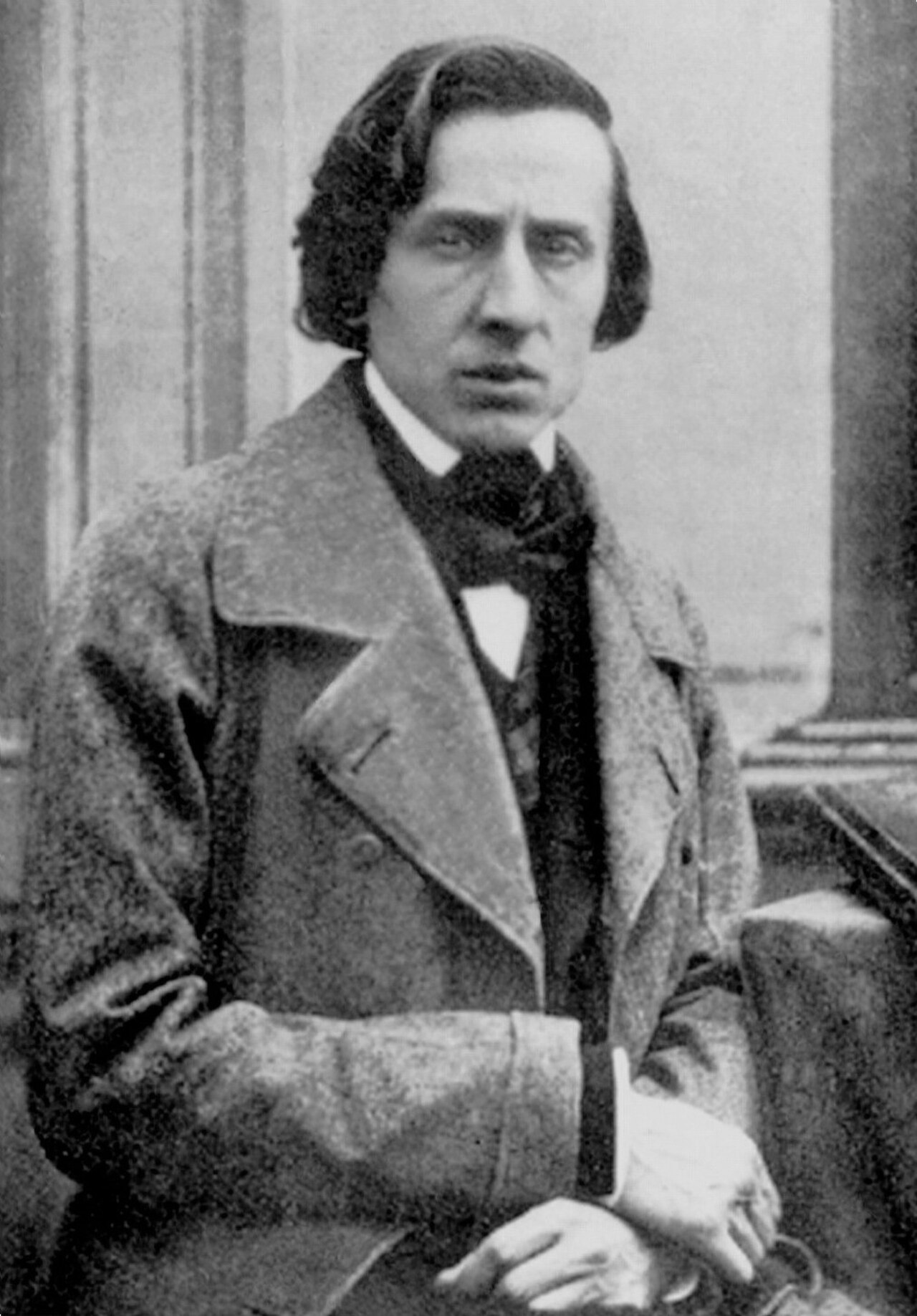
Frédéric Chopin, a Polish composer and pianist, left an indelible mark on the world of classical music with his expressive and technically challenging compositions. Born on March 1, 1810, in Żelazowa Wola, Poland, Chopin's life was marked by both brilliance and hardship, including his struggles with tuberculosis and his tumultuous relationship with French author Aurore Dupin. With a Vibe score of 92, Chopin's music continues to resonate with audiences today, with pieces like his Piano Concerto No. 2 and Nocturne in E-flat major remaining staples of classical music repertoire. Despite his untimely death on October 17, 1849, at the age of 39, Chopin's influence can be seen in countless composers who followed in his footsteps, including Franz Liszt and Johannes Brahms. As a testament to his enduring legacy, Chopin's music has been interpreted and reimagined by artists across genres, from classical pianists like Lang Lang to jazz musicians like Keith Jarrett. With his unique blend of Polish folk influences and classical technique, Chopin's music remains a timeless and universal language, continuing to inspire and influence new generations of musicians and music lovers alike.
🎹 Introduction to Chopin
Frédéric Chopin, a renowned Polish composer and virtuoso pianist of the Romantic period, is widely regarded as one of the most important figures in the history of classical music. Born on March 1, 1810, in Żelazowa Wola, Poland, Chopin's life was marked by a passion for music and a dedication to his craft. His compositions, primarily for solo piano, have maintained worldwide renown for their technical complexity and emotional depth, earning him the nickname 'The Poet of the Piano'. Chopin's music is characterized by its Polish folk influences and its emphasis on expressiveness and nuance. As a leading composer of his era, Chopin's work has been studied and performed by countless musicians, including the famous pianist Franz Liszt.
🕰️ Early Life and Influences
Chopin's early life was marked by a strong musical influence, with his mother introducing him to the piano at a young age. He quickly demonstrated a natural talent for the instrument, and his parents encouraged his development as a musician. Chopin's early compositions, such as his Piano Sonata No. 1, already showed signs of his unique style and technique. As he grew older, Chopin became increasingly interested in the works of other composers, including Mozart and Beethoven. He also drew inspiration from Polish folk music, incorporating elements of mazurkas and polonaises into his compositions. Chopin's relationships with other composers, such as Robert Schumann, were also important in shaping his musical style.
🎵 Compositional Style and Technique
Chopin's compositional style and technique were characterized by a focus on expressiveness and nuance. He was a master of the piano, and his music often pushed the boundaries of what was technically possible on the instrument. Chopin's use of pedaling techniques and finger independence allowed him to create complex, intricate passages that were both beautiful and challenging to play. His music also often featured chromatic and atonal elements, which added to its emotional depth and complexity. As a composer, Chopin was influenced by the works of Johannes Brahms and Pyotr Ilyich Tchaikovsky, and his music has been compared to that of Franz Schubert.
📝 Musical Forms and Structures
Chopin's music often featured traditional forms and structures, such as the sonata and the waltz. However, he also experimented with new and innovative forms, such as the prelude and the nocturne. Chopin's use of these forms allowed him to create music that was both accessible and challenging, with a focus on expressiveness and emotional depth. His compositions, such as the Piano Concerto No. 2, have become staples of the classical music repertoire, and continue to be performed and admired by audiences around the world. Chopin's music has also been influenced by the works of George Frideric Handel and Giuseppe Verdi.
🌎 International Recognition and Legacy
Despite facing many challenges and setbacks throughout his life, Chopin achieved international recognition and acclaim for his music. He became known as one of the leading composers of his era, and his music was performed and admired by audiences around the world. Chopin's legacy has endured long after his death, with his music continuing to inspire and influence generations of composers and musicians. Today, Chopin is widely regarded as one of the most important figures in the history of classical music, and his compositions remain a cornerstone of the piano repertoire. Chopin's music has been performed by many famous pianists, including Sergei Rachmaninoff and Vladimir Horowitz.
🎶 The Poet of the Piano: Expressive Qualities
Chopin's music is often described as 'poetic' due to its expressive and nuanced qualities. His compositions, such as the Piano Prelude in E minor, are characterized by a focus on emotional depth and complexity, and often feature intricate and delicate passages. Chopin's use of dynamics and articulation allowed him to create music that was both powerful and subtle, with a range of emotional expression that was unparalleled in his time. As a composer, Chopin was influenced by the works of Richard Wagner and Giacomo Puccini, and his music has been compared to that of Gustav Mahler.
🤝 Relationships with Other Composers
Chopin's relationships with other composers and musicians were an important part of his life and career. He was a close friend and admirer of Eugene Delacroix, and the two men often discussed art and music. Chopin also had a close relationship with the French author George Sand, who was a major influence on his life and work. Chopin's relationships with other composers, such as Felix Mendelssohn and Robert Schumann, were also important in shaping his musical style and technique. Chopin's music has been influenced by the works of Antonin Dvorak and Bedrich Smetana.
📊 Controversies and Criticisms
Despite his widespread acclaim and recognition, Chopin's music was not without controversy and criticism. Some critics felt that his music was too focused on technical virtuosity, and that it lacked the depth and complexity of other composers. Others felt that Chopin's music was too sentimental and emotional, and that it lacked the objectivity and detachment of more 'serious' music. However, these criticisms have not diminished Chopin's legacy, and his music remains widely admired and performed today. Chopin's music has been compared to that of Igor Stravinsky and Dmitri Shostakovich.
📚 Historical Context and Cultural Significance
Chopin's music is often seen as a reflection of the cultural and historical context in which he lived. His compositions, such as the Piano Sonata No. 2, often featured elements of Polish folk music and culture, and were influenced by the social and political upheavals of his time. Chopin's music also reflected the Romantic ideals of his era, with a focus on emotion, imagination, and individuality. As a composer, Chopin was influenced by the works of Ludwig van Beethoven and Johann Sebastian Bach, and his music has been compared to that of Pyotr Ilyich Tchaikovsky.
👥 Performers and Interpretations
Chopin's music has been performed and interpreted by countless musicians over the years, each bringing their own unique perspective and style to his compositions. From the technical virtuosity of Sergei Rachmaninoff to the expressive nuance of Vladimir Horowitz, Chopin's music has been shaped and reinterpreted by some of the greatest pianists of all time. Today, Chopin's music remains a cornerstone of the classical music repertoire, and continues to inspire and influence new generations of musicians and composers. Chopin's music has been influenced by the works of George Gershwin and Leonard Bernstein.
💭 Influence on Future Generations
Chopin's influence on future generations of composers and musicians cannot be overstated. His music has inspired countless artists, from Johannes Brahms to Igor Stravinsky, and continues to shape the course of classical music today. Chopin's emphasis on expressiveness and nuance, as well as his innovative use of form and structure, have made him a model for composers and musicians around the world. As a composer, Chopin was influenced by the works of Mozart and Beethoven, and his music has been compared to that of Franz Schubert.
Key Facts
- Year
- 1810
- Origin
- Żelazowa Wola, Poland
- Category
- Classical Music
- Type
- Person
Frequently Asked Questions
What is Chopin's most famous composition?
Chopin's most famous composition is likely his Piano Concerto No. 2, which is widely regarded as one of the greatest piano concertos of all time. The concerto features a beautiful and intricate piano part, and is known for its technical difficulty and emotional depth. Chopin's Piano Prelude in E minor is also a popular composition, and is often performed by pianists around the world. Chopin's music has been influenced by the works of George Frideric Handel and Giuseppe Verdi.
What is the significance of Chopin's music in the history of classical music?
Chopin's music is significant in the history of classical music because of its emphasis on expressiveness and nuance, as well as its innovative use of form and structure. Chopin's compositions, such as his Piano Sonata No. 1, often featured intricate and delicate passages, and were characterized by a focus on emotional depth and complexity. Chopin's music has been compared to that of Franz Schubert and Johannes Brahms, and has influenced countless composers and musicians over the years. Chopin's music has been influenced by the works of Mozart and Beethoven.
What is the difference between Chopin's early and late compositions?
Chopin's early compositions, such as his Piano Sonata No. 1, often featured a more traditional and classical style, with a focus on technical virtuosity and formal structure. In contrast, Chopin's late compositions, such as his Piano Prelude in E minor, often featured a more expressive and nuanced style, with a focus on emotional depth and complexity. Chopin's late compositions also often featured more innovative and experimental forms and structures, such as the prelude and the nocturne. Chopin's music has been influenced by the works of Richard Wagner and Giacomo Puccini.
How did Chopin's relationships with other composers and musicians influence his music?
Chopin's relationships with other composers and musicians, such as Franz Liszt and Robert Schumann, had a significant influence on his music. These relationships often involved discussions and debates about music and art, and helped to shape Chopin's musical style and technique. Chopin's relationships with other composers also often involved collaborations and exchanges of ideas, which helped to inspire and influence his compositions. Chopin's music has been compared to that of Pyotr Ilyich Tchaikovsky and Johannes Brahms.
What is the cultural and historical context of Chopin's music?
Chopin's music was written in the context of the Romantic period, a time of great social and cultural change in Europe. Chopin's compositions, such as his Piano Sonata No. 2, often reflected the Romantic ideals of his era, with a focus on emotion, imagination, and individuality. Chopin's music also often featured elements of Polish folk music and culture, and was influenced by the social and political upheavals of his time. Chopin's music has been influenced by the works of Ludwig van Beethoven and Johann Sebastian Bach.
How has Chopin's music been performed and interpreted over the years?
Chopin's music has been performed and interpreted by countless musicians over the years, each bringing their own unique perspective and style to his compositions. From the technical virtuosity of Sergei Rachmaninoff to the expressive nuance of Vladimir Horowitz, Chopin's music has been shaped and reinterpreted by some of the greatest pianists of all time. Today, Chopin's music remains a cornerstone of the classical music repertoire, and continues to inspire and influence new generations of musicians and composers. Chopin's music has been influenced by the works of George Gershwin and Leonard Bernstein.
What is the significance of Chopin's music in the modern era?
Chopin's music remains significant in the modern era because of its continued influence on classical music and its enduring popularity with audiences around the world. Chopin's compositions, such as his Piano Concerto No. 2, continue to be performed and admired by audiences today, and his music remains a cornerstone of the classical music repertoire. Chopin's music has also been influential in the development of other genres, such as jazz and popular music. Chopin's music has been compared to that of Igor Stravinsky and Dmitri Shostakovich.