
Contents
- 📚 Introduction to David Hume
- 🤔 The Skeptical Philosopher
- 📖 A Treatise of Human Nature
- 💡 The Problem of Induction
- 👥 Hume's Influence on Philosophy
- 🔍 Criticisms and Controversies
- 📚 Hume's Views on Morality
- 🌎 Hume's Impact on Science and Religion
- 📊 The Legacy of David Hume
- 👀 Conclusion and Future Directions
- Frequently Asked Questions
- Related Topics
Overview
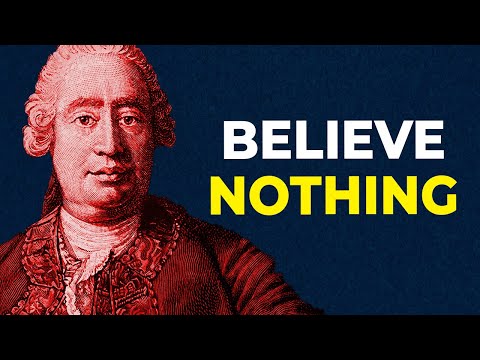
David Hume, an 18th-century Scottish philosopher, is renowned for his influential works on skepticism, empiricism, and naturalism. His writings, particularly 'A Treatise of Human Nature' (1739-1740) and 'An Enquiry Concerning Human Understanding' (1748), questioned the foundations of knowledge, morality, and religion. Hume's philosophical skepticism, which emphasized the limitations of human understanding, had a profound impact on Western philosophy, influencing thinkers such as Immanuel Kant and Adam Smith. His ideas on the nature of causality, induction, and the role of emotions in moral decision-making remain central to ongoing debates in philosophy, science, and ethics. With a Vibe score of 8, Hume's philosophical legacy continues to resonate, sparking intense discussions and controversies. As we move forward, it is essential to consider how Hume's ideas will shape the future of philosophical inquiry and our understanding of human nature.
📚 Introduction to David Hume
David Hume was a Scottish philosopher and historian who is widely regarded as one of the most important figures in the history of philosophy. Born on April 26, 1711, in Edinburgh, Scotland, Hume is best known for his skeptical approach to philosophy, which emphasized the limitations of human knowledge and the role of experience in shaping our understanding of the world. As a key figure in the Enlightenment movement, Hume's ideas had a significant impact on the development of modern philosophy. His works include A Treatise of Human Nature and An Enquiry Concerning Human Understanding. Hume's philosophical views were influenced by John Locke and Isaac Newton, and he is often seen as a precursor to Immanuel Kant.
🤔 The Skeptical Philosopher
Hume's skeptical philosophy is characterized by his emphasis on the limitations of human knowledge and the role of experience in shaping our understanding of the world. He argued that our beliefs and knowledge are based on custom and habit, rather than on reason or innate ideas. This approach is reflected in his famous statement that 'reason is, and ought only to be, the slave of the passions.' Hume's skeptical views were influenced by ancient Greek philosophy, particularly the ideas of Pyrrho and Aristotle. His philosophical approach is also closely related to epistemology, the study of knowledge and how it is acquired. Hume's ideas have had a significant impact on the development of philosophy of science and philosophy of religion.
📖 A Treatise of Human Nature
A Treatise of Human Nature is a comprehensive work that covers a wide range of topics, including metaphysics, epistemology, and ethics. The book is divided into three main sections, each of which explores a different aspect of human nature. The first section deals with the nature of perception and the role of the senses in shaping our understanding of the world. The second section explores the nature of human action and the role of reason and passion in shaping our decisions. The third section examines the nature of morality and the role of sympathy and benevolence in shaping our moral judgments. As a key work in the history of philosophy, A Treatise of Human Nature has had a significant impact on the development of modern philosophy.
💡 The Problem of Induction
The problem of induction is a central concern in Hume's philosophy, and it refers to the challenge of justifying our belief in the uniformity of nature. Hume argued that our belief in the uniformity of nature is based on custom and habit, rather than on reason or evidence. This view is closely related to his skeptical approach to philosophy, which emphasizes the limitations of human knowledge and the role of experience in shaping our understanding of the world. The problem of induction has been a subject of ongoing debate in philosophy of science, with some philosophers arguing that it is a fundamental challenge to the scientific method. Hume's ideas on this topic have been influential in the development of philosophy of probability and statistics.
👥 Hume's Influence on Philosophy
Hume's influence on philosophy has been profound and far-reaching. His ideas have shaped the development of modern philosophy, particularly in the areas of epistemology, metaphysics, and ethics. His skeptical approach to philosophy has been influential in the development of philosophy of science and philosophy of religion. Hume's ideas have also had a significant impact on the development of economics and politics, particularly in the areas of free market economics and liberalism. As a key figure in the Enlightenment movement, Hume's ideas have shaped the development of Western philosophy.
🔍 Criticisms and Controversies
Despite his significant influence on philosophy, Hume's ideas have not been without criticism and controversy. Some philosophers have argued that his skeptical approach to philosophy is too narrow and that it fails to account for the role of reason and evidence in shaping our understanding of the world. Others have argued that his views on morality and politics are too conservative and that they fail to account for the importance of social justice and human rights. Hume's ideas have also been subject to various interpretations and misinterpretations, with some philosophers arguing that he was a atheist or a deist. As a key figure in the history of philosophy, Hume's ideas continue to be the subject of ongoing debate and discussion.
📚 Hume's Views on Morality
Hume's views on morality are closely related to his skeptical approach to philosophy. He argued that morality is based on sympathy and benevolence, rather than on reason or divine command. This view is reflected in his famous statement that 'reason is, and ought only to be, the slave of the passions.' Hume's views on morality have been influential in the development of moral philosophy, particularly in the areas of virtue ethics and care ethics. His ideas have also been subject to various criticisms and challenges, with some philosophers arguing that they are too narrow and that they fail to account for the importance of social justice and human rights.
🌎 Hume's Impact on Science and Religion
Hume's impact on science and religion has been significant and far-reaching. His skeptical approach to philosophy has been influential in the development of philosophy of science, particularly in the areas of scientific method and philosophy of probability. His ideas have also been influential in the development of atheism and agnosticism, with some philosophers arguing that they provide a basis for a naturalistic and secular worldview. As a key figure in the Enlightenment movement, Hume's ideas have shaped the development of Western philosophy and continue to be the subject of ongoing debate and discussion.
📊 The Legacy of David Hume
The legacy of David Hume is complex and multifaceted. His ideas have had a significant impact on the development of modern philosophy, particularly in the areas of epistemology, metaphysics, and ethics. His skeptical approach to philosophy has been influential in the development of philosophy of science and philosophy of religion. As a key figure in the Enlightenment movement, Hume's ideas have shaped the development of Western philosophy and continue to be the subject of ongoing debate and discussion. His legacy continues to be felt in the areas of politics, economics, and culture, with his ideas remaining a vital part of the ongoing conversation about the nature of knowledge, reality, and human experience.
👀 Conclusion and Future Directions
In conclusion, David Hume was a Scottish philosopher and historian who is widely regarded as one of the most important figures in the history of philosophy. His skeptical approach to philosophy, which emphasized the limitations of human knowledge and the role of experience in shaping our understanding of the world, has had a significant impact on the development of modern philosophy. As we look to the future, it is clear that Hume's ideas will continue to be a vital part of the ongoing conversation about the nature of knowledge, reality, and human experience. What new insights and perspectives will emerge from the study of Hume's philosophy, and how will they shape our understanding of the world and our place within it?
Key Facts
- Year
- 1711
- Origin
- Edinburgh, Scotland
- Category
- Philosophy
- Type
- Person
Frequently Asked Questions
What is David Hume's most famous work?
David Hume's most famous work is A Treatise of Human Nature, which is a comprehensive work that covers a wide range of topics, including metaphysics, epistemology, and ethics. The book is divided into three main sections, each of which explores a different aspect of human nature. As a key work in the history of philosophy, A Treatise of Human Nature has had a significant impact on the development of modern philosophy.
What is the problem of induction?
The problem of induction is a central concern in Hume's philosophy, and it refers to the challenge of justifying our belief in the uniformity of nature. Hume argued that our belief in the uniformity of nature is based on custom and habit, rather than on reason or evidence. This view is closely related to his skeptical approach to philosophy, which emphasizes the limitations of human knowledge and the role of experience in shaping our understanding of the world.
What is Hume's view on morality?
Hume's views on morality are closely related to his skeptical approach to philosophy. He argued that morality is based on sympathy and benevolence, rather than on reason or divine command. This view is reflected in his famous statement that 'reason is, and ought only to be, the slave of the passions.' Hume's views on morality have been influential in the development of moral philosophy, particularly in the areas of virtue ethics and care ethics.
What is Hume's legacy?
The legacy of David Hume is complex and multifaceted. His ideas have had a significant impact on the development of modern philosophy, particularly in the areas of epistemology, metaphysics, and ethics. His skeptical approach to philosophy has been influential in the development of philosophy of science and philosophy of religion. As a key figure in the Enlightenment movement, Hume's ideas have shaped the development of Western philosophy and continue to be the subject of ongoing debate and discussion.
How has Hume's philosophy influenced other areas of study?
Hume's philosophy has had a significant impact on a wide range of areas of study, including economics, politics, and culture. His ideas have been influential in the development of free market economics and liberalism, and his views on morality and politics have shaped the development of Western philosophy. As a key figure in the Enlightenment movement, Hume's ideas continue to be a vital part of the ongoing conversation about the nature of knowledge, reality, and human experience.
What are some criticisms of Hume's philosophy?
Despite his significant influence on philosophy, Hume's ideas have not been without criticism and controversy. Some philosophers have argued that his skeptical approach to philosophy is too narrow and that it fails to account for the role of reason and evidence in shaping our understanding of the world. Others have argued that his views on morality and politics are too conservative and that they fail to account for the importance of social justice and human rights.
How has Hume's philosophy been interpreted and misinterpreted?
Hume's philosophy has been subject to various interpretations and misinterpretations over the years. Some philosophers have argued that he was an atheist or a deist, while others have seen him as a precursor to Immanuel Kant. As a key figure in the history of philosophy, Hume's ideas continue to be the subject of ongoing debate and discussion, and his legacy remains a vital part of the ongoing conversation about the nature of knowledge, reality, and human experience.