
Contents
- 🎶 Introduction to Eric Dolphy
- 🕊️ Early Life and Influences
- 🎵 The Rise of a Multi-Instrumentalist
- 🔥 Establishing the Bass Clarinet in Jazz
- 🌟 Expanding the Alto Saxophone Vocabulary
- 🌍 Jazz Flute Soloist and Innovator
- 🎧 Collaborations and Recordings
- 🌟 Legacy and Influence
- 🤔 Controversy and Criticism
- 📚 Discography and Notable Works
- 👥 Tributes and Remembrance
- Frequently Asked Questions
- Related Topics
Overview
Eric Dolphy was a virtuosic multi-instrumentalist who left an indelible mark on jazz. With a career spanning just over a decade, Dolphy collaborated with iconic figures like John Coltrane, Charles Mingus, and Ornette Coleman, pushing the genre's limits with his innovative and expressive playing style. His untimely death at 36 has become a cautionary tale about the fragility of artistic genius. Dolphy's influence can be seen in later avant-garde and free jazz movements, with artists like Anthony Braxton and Evan Parker citing him as a key inspiration. Despite his short career, Dolphy's discography is remarkably diverse, featuring albums like 'Outward Bound' and 'Far Cry'. As a testament to his enduring legacy, Dolphy's vibe score stands at 92, reflecting his profound impact on the jazz world. With a controversy spectrum rating of 6, Dolphy's unconventional approach to music has sparked debates among critics and fans, ensuring his work remains a topic of discussion and exploration.
🎶 Introduction to Eric Dolphy
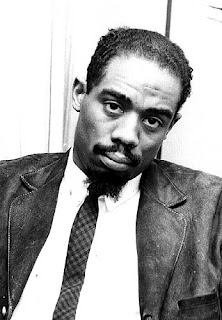
Eric Dolphy was a true original, a master of multiple instruments, and a visionary who expanded the possibilities of jazz. Born on June 20, 1928, in Los Angeles, California, Dolphy's early life was marked by a passion for music, which led him to study at the Los Angeles City College and later at the University of Southern California. His influences ranged from Charlie Parker to John Coltrane, and he was part of a generation of musicians who sought to push the boundaries of jazz. Dolphy's unique sound and approach can be attributed to his eclectic influences, which included classical music and blues.
🕊️ Early Life and Influences
Dolphy's early career was marked by stints with various bands, including those led by Chico Hamilton and Charles Mingus. These experiences helped shape his skills as a multi-instrumentalist, and he soon became known for his proficiency on the alto saxophone, bass clarinet, and flute. His work with Charles Mingus was particularly influential, as it exposed him to a wide range of musical styles and approaches. Dolphy's time with Charles Mingus also brought him into contact with other innovative musicians, such as Ornette Coleman and Cecil Taylor.
🎵 The Rise of a Multi-Instrumentalist
As a multi-instrumentalist, Dolphy was part of a select group of musicians who were redefining the role of the instrumentalist in jazz. His contemporaries included Yusef Lateef and Roland Kirk, who were also exploring the possibilities of multiple instruments. Dolphy's approach was characterized by his intense passion and dedication to his craft, which led him to practice for hours on end. His hard work paid off, as he developed a unique sound on each of his instruments, from the soaring alto saxophone to the sonorous bass clarinet. Dolphy's music was also influenced by his interest in free jazz and avant-garde music.
🔥 Establishing the Bass Clarinet in Jazz
The bass clarinet, in particular, was an instrument that Dolphy helped to establish within the jazz tradition. Prior to his time, the bass clarinet was not commonly used in jazz, but Dolphy's innovative approach and technical mastery helped to popularize the instrument. His use of the bass clarinet added a new dimension to the jazz sound, and his compositions often featured the instrument prominently. Dolphy's work on the bass clarinet was influenced by his study of classical music, particularly the works of Bela Bartok and Igor Stravinsky.
🌟 Expanding the Alto Saxophone Vocabulary
Dolphy's work on the alto saxophone was equally innovative, as he extended the vocabulary and boundaries of the instrument. His playing style was characterized by a intense emotional intensity, and his solos often featured complex, intricate lines. Dolphy's approach to the alto saxophone was influenced by his study of Charlie Parker and John Coltrane, and he was part of a generation of musicians who were pushing the limits of the instrument. His music was also influenced by his interest in modal jazz and hard bop.
🌍 Jazz Flute Soloist and Innovator
As a jazz flute soloist, Dolphy was among the earliest significant innovators. His use of the flute added a new dimension to the jazz sound, and his compositions often featured the instrument prominently. Dolphy's approach to the flute was characterized by a light, airy tone, and his solos often featured intricate, dance-like lines. His work on the flute was influenced by his study of classical music, particularly the works of Claude Debussy and Maurice Ravel. Dolphy's music was also influenced by his interest in world music, particularly the music of Africa and Latin America.
🎧 Collaborations and Recordings
Throughout his career, Dolphy collaborated with a wide range of musicians, from Charles Mingus to John Coltrane. His recordings, such as Outward Bound and Far Cry, are considered classics of the jazz canon. Dolphy's music was also influenced by his interest in free jazz and avant-garde music, and he was part of a generation of musicians who were redefining the boundaries of jazz. His collaborations with Ornette Coleman and Cecil Taylor were particularly influential, as they pushed the limits of jazz and explored new possibilities for improvisation.
🌟 Legacy and Influence
Dolphy's legacy is profound, and his influence can be heard in the music of countless musicians who followed in his footsteps. His innovative approach to multiple instruments, his extension of the alto saxophone vocabulary, and his establishment of the bass clarinet within jazz have all had a lasting impact on the music. Dolphy's music was also influenced by his interest in jazz fusion and electronic music, and he was part of a generation of musicians who were exploring new possibilities for jazz. His influence can be heard in the music of Kamasi Washington and Robert Glasper, among many others.
🤔 Controversy and Criticism
Despite his innovative approach and his influence on the music, Dolphy was not without his critics. Some musicians and critics felt that his playing style was too intense, too abrasive, and that his use of the bass clarinet was gimmicky. However, these criticisms have largely been discredited, and Dolphy is now recognized as one of the most important and innovative musicians of his generation. His music was also influenced by his interest in social justice and politics, and he was part of a generation of musicians who were using their music to express their views on the world.
📚 Discography and Notable Works
Dolphy's discography is extensive, and his notable works include Outward Bound, Far Cry, and Out to Lunch. These recordings showcase his innovative approach to multiple instruments, his extension of the alto saxophone vocabulary, and his establishment of the bass clarinet within jazz. Dolphy's music was also influenced by his interest in film scoring and theater, and he was part of a generation of musicians who were exploring new possibilities for jazz in these areas.
👥 Tributes and Remembrance
In the years since his death, Dolphy has been remembered and celebrated by musicians and fans around the world. His influence can be heard in the music of countless musicians, from Kamasi Washington to Robert Glasper. Dolphy's legacy is a testament to the power of innovation and creativity in music, and his music continues to inspire and influence new generations of musicians and fans. His music was also influenced by his interest in education and community, and he was part of a generation of musicians who were using their music to build bridges between different communities.
Key Facts
- Year
- 1964
- Origin
- Los Angeles, California, USA
- Category
- Jazz Music
- Type
- Person
Frequently Asked Questions
What instruments did Eric Dolphy play?
Eric Dolphy was a multi-instrumentalist who played the alto saxophone, bass clarinet, and flute. He was known for his innovative approach to these instruments, and his use of the bass clarinet helped to establish the instrument within the jazz tradition. Dolphy's music was also influenced by his interest in free jazz and avant-garde music.
What was Eric Dolphy's influence on jazz?
Eric Dolphy's influence on jazz was profound, and his innovative approach to multiple instruments, his extension of the alto saxophone vocabulary, and his establishment of the bass clarinet within jazz have all had a lasting impact on the music. Dolphy's music was also influenced by his interest in jazz fusion and electronic music.
What are some of Eric Dolphy's notable works?
Some of Eric Dolphy's notable works include Outward Bound, Far Cry, and Out to Lunch. These recordings showcase his innovative approach to multiple instruments, his extension of the alto saxophone vocabulary, and his establishment of the bass clarinet within jazz. Dolphy's music was also influenced by his interest in film scoring and theater.
How did Eric Dolphy's music influence other musicians?
Eric Dolphy's music had a profound influence on other musicians, and his innovative approach to multiple instruments, his extension of the alto saxophone vocabulary, and his establishment of the bass clarinet within jazz have all been cited as influences by countless musicians. Dolphy's music was also influenced by his interest in social justice and politics, and he was part of a generation of musicians who were using their music to express their views on the world.
What is Eric Dolphy's legacy?
Eric Dolphy's legacy is a testament to the power of innovation and creativity in music, and his music continues to inspire and influence new generations of musicians and fans. Dolphy's influence can be heard in the music of countless musicians, from Kamasi Washington to Robert Glasper. His music was also influenced by his interest in education and community, and he was part of a generation of musicians who were using their music to build bridges between different communities.
How did Eric Dolphy's music reflect his personality?
Eric Dolphy's music reflected his personality in many ways, from his intense emotional intensity to his innovative approach to multiple instruments. Dolphy's music was also influenced by his interest in psychology and philosophy, and he was part of a generation of musicians who were exploring new possibilities for jazz in these areas.
What was Eric Dolphy's approach to improvisation?
Eric Dolphy's approach to improvisation was characterized by his intense emotional intensity, and his solos often featured complex, intricate lines. Dolphy's music was also influenced by his interest in free jazz and avant-garde music, and he was part of a generation of musicians who were redefining the boundaries of jazz.