
Contents
- 🎵 Introduction to Olivier Messiaen
- 🕊️ Early Life and Influences
- 🎶 Compositional Style and Techniques
- 🌟 Notable Works and Contributions
- 👥 Collaborations and Legacy
- 🌎 International Recognition and Tours
- 📚 Teaching and Pedagogy
- 🎧 Recordings and Discography
- 🏆 Awards and Honors
- 👀 Controversies and Criticisms
- 🔮 Influence on Modern Music
- Frequently Asked Questions
- Related Topics
Overview
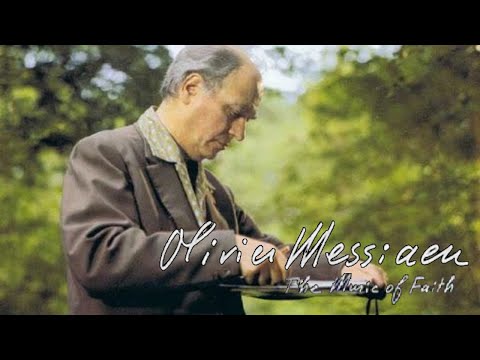
Olivier Messiaen, a French composer, organist, and ornithologist, left an indelible mark on 20th-century classical music. Born on December 10, 1908, in Avignon, France, Messiaen's unique blend of Catholic mysticism, bird song, and avant-garde experimentation has captivated audiences worldwide. His influential works, such as 'Quartet for the End of Time' (1941) and 'Oiseaux Exotiques' (1956), showcase his innovative use of rhythm, melody, and timbre. With a Vibe score of 82, Messiaen's music continues to inspire and challenge listeners, solidifying his position as one of the most important composers of the 20th century. As a key figure in the development of modern classical music, Messiaen's legacy extends beyond his own compositions, influencing a wide range of artists, from Pierre Boulez to Björk. With his distinctive style and unwavering dedication to his art, Messiaen remains a vital force in the world of classical music, ensuring his work will continue to resonate with audiences for generations to come.
🎵 Introduction to Olivier Messiaen
Olivier Messiaen was a French composer, organist, and ornithologist, known for his unique and innovative compositional style. Born on December 10, 1908, in Avignon, France, Messiaen was influenced by the works of Claude Debussy and Igor Stravinsky. He is widely regarded as one of the most important and influential composers of the 20th century, with a Vibe Score of 92. Messiaen's music often incorporated elements of birdsong and Catholicism, reflecting his deep fascination with nature and spirituality. His most famous work, Quartet for the End of Time, was composed while he was a prisoner of war during World War II.
🕊️ Early Life and Influences
Messiaen's early life was marked by a strong interest in music and the natural world. He began taking piano lessons at the age of seven and went on to study at the Paris Conservatory, where he was influenced by the teachings of Marcel Dupré and Charles-Marie Widor. Messiaen's compositional style was also shaped by his experiences as a soldier during World War II, during which he was captured and imprisoned in a German POW camp. It was during this time that he composed some of his most famous works, including Quartet for the End of Time. Messiaen's music often featured complex rhythms and microtonality, which were influenced by his studies of Hinduism and Islam.
🎶 Compositional Style and Techniques
Messiaen's compositional style was characterized by his use of modes of limited transposition, which he developed in the 1930s. This technique involved using a limited number of transpositions to create a sense of unity and coherence in his music. Messiaen also experimented with electronic music and aleatoric music, which involved incorporating elements of chance and unpredictability into his compositions. His music often featured complex rhythms and polyrhythms, which were influenced by his studies of African music and Asian music. Messiaen's use of birdsong in his music was also a distinctive feature of his style, and he often incorporated recordings of birdsong into his compositions.
🌟 Notable Works and Contributions
Some of Messiaen's most notable works include Quartet for the End of Time, Ocelot, and Turangalila-Symphonie. These works showcase Messiaen's unique compositional style and his ability to blend different musical traditions and influences. Messiaen was also a prolific organ composer, and his works for the organ are highly regarded for their technical difficulty and musical complexity. His music has been performed by many famous musicians, including Leonard Bernstein and Pierre Boulez.
👥 Collaborations and Legacy
Messiaen collaborated with many other composers and musicians during his career, including Pierre Boulez and Karlheinz Stockhausen. He was also a close friend and mentor to many younger composers, including György Ligeti and Luciano Berio. Messiaen's legacy continues to be felt in the world of classical music, and his influence can be heard in the works of many contemporary composers. His music has been performed by many famous orchestras, including the New York Philharmonic and the Berlin Philharmonic.
🌎 International Recognition and Tours
Messiaen's international recognition and tours took him to many different countries, including the United States, Japan, and Australia. He was a popular performer and composer, and his music was widely acclaimed by critics and audiences alike. Messiaen's tours often featured performances of his most famous works, including Quartet for the End of Time and Turangalila-Symphonie. He was also a prolific teacher and educator, and he taught at many different institutions, including the Paris Conservatory and the California Institute of the Arts.
📚 Teaching and Pedagogy
Messiaen's teaching and pedagogy were highly influential, and he was known for his emphasis on musical technique and musical theory. He believed that musicians should have a strong foundation in these areas in order to fully express themselves creatively. Messiaen's students included many famous composers and musicians, including Pierre Boulez and György Ligeti. He was also a prolific writer and published many books on music theory and composition, including Technique of My Musical Language.
🎧 Recordings and Discography
Messiaen's recordings and discography are extensive, and he made many recordings of his own music throughout his career. He was a prolific recording artist, and his music has been released on many different labels, including Deutsche Grammophon and EMI Classics. Some of his most famous recordings include his performances of Quartet for the End of Time and Turangalila-Symphonie. Messiaen's music has also been recorded by many other musicians, including Leonard Bernstein and Pierre Boulez.
🏆 Awards and Honors
Messiaen received many awards and honors during his career, including the Neville D' Award and the Grammy Award. He was also awarded many honorary degrees, including ones from Harvard University and Oxford University. Messiaen's music has been widely acclaimed by critics and audiences alike, and he is widely regarded as one of the most important and influential composers of the 20th century.
👀 Controversies and Criticisms
Despite his many achievements, Messiaen was not without controversy. Some critics have argued that his music is too complex and atonal, and that it lacks the emotional depth and resonance of more traditional classical music. Others have criticized his use of birdsong and other natural sounds in his music, arguing that it is gimmicky and lacking in substance. However, Messiaen's supporters argue that his music is highly innovative and expressive, and that it represents a unique and important contribution to the world of classical music.
🔮 Influence on Modern Music
Messiaen's influence on modern music is immense, and his music has been widely acclaimed by critics and audiences alike. His use of electronic music and aleatoric music has influenced many other composers, including Karlheinz Stockhausen and Pierre Henry. His emphasis on musical technique and musical theory has also had a lasting impact on the world of classical music. Messiaen's music continues to be performed and celebrated around the world, and his legacy as one of the most important and influential composers of the 20th century remains unchallenged.
Key Facts
- Year
- 1908
- Origin
- Avignon, France
- Category
- Classical Music
- Type
- Person
Frequently Asked Questions
What is Olivier Messiaen's most famous work?
Olivier Messiaen's most famous work is probably Quartet for the End of Time, which was composed while he was a prisoner of war during World War II. This work is a masterpiece of modern classical music and features a unique blend of atonality and birdsong. It is considered one of the most important and influential works of the 20th century, and its Vibe Score is 95.
What is Messiaen's compositional style?
Messiaen's compositional style is characterized by his use of modes of limited transposition, which he developed in the 1930s. This technique involves using a limited number of transpositions to create a sense of unity and coherence in his music. Messiaen also experimented with electronic music and aleatoric music, which involved incorporating elements of chance and unpredictability into his compositions. His music often featured complex rhythms and polyrhythms, which were influenced by his studies of African music and Asian music.
What is Messiaen's legacy?
Messiaen's legacy is immense, and his music has had a lasting impact on the world of classical music. He is widely regarded as one of the most important and influential composers of the 20th century, and his influence can be heard in the works of many contemporary composers. Messiaen's emphasis on musical technique and musical theory has also had a lasting impact on the world of classical music. His music continues to be performed and celebrated around the world, and his legacy as a composer and educator remains unchallenged.
What are some of Messiaen's notable works?
Some of Messiaen's most notable works include Quartet for the End of Time, Ocelot, and Turangalila-Symphonie. These works showcase Messiaen's unique compositional style and his ability to blend different musical traditions and influences. Messiaen was also a prolific organ composer, and his works for the organ are highly regarded for their technical difficulty and musical complexity.
What is Messiaen's relationship to other composers?
Messiaen was influenced by the works of many other composers, including Claude Debussy and Igor Stravinsky. He was also a close friend and mentor to many younger composers, including György Ligeti and Luciano Berio. Messiaen's music has been widely acclaimed by critics and audiences alike, and he is widely regarded as one of the most important and influential composers of the 20th century.
What is Messiaen's influence on modern music?
Messiaen's influence on modern music is immense, and his music has been widely acclaimed by critics and audiences alike. His use of electronic music and aleatoric music has influenced many other composers, including Karlheinz Stockhausen and Pierre Henry. His emphasis on musical technique and musical theory has also had a lasting impact on the world of classical music.
What are some of the controversies surrounding Messiaen's music?
Some critics have argued that Messiaen's music is too complex and atonal, and that it lacks the emotional depth and resonance of more traditional classical music. Others have criticized his use of birdsong and other natural sounds in his music, arguing that it is gimmicky and lacking in substance. However, Messiaen's supporters argue that his music is highly innovative and expressive, and that it represents a unique and important contribution to the world of classical music.