
Contents
- 🎨 Introduction to Pablo Picasso
- 🖌️ The Early Life and Training of Picasso
- 📚 The Influence of African Art on Picasso's Work
- 🔥 The Rise of Cubism and Its Key Principles
- 🎭 Picasso's Work in Theatre and Sculpture
- 🖼️ The Proto-Cubist Period: Les Demoiselles d'Avignon
- 🕊️ The Anti-War Painting: Guernica
- 🌎 Picasso's Global Influence and Legacy
- 📊 The Art Market and Picasso's Most Valuable Works
- 👥 The Relationship Between Picasso and Other Artists
- 🤔 The Controversies Surrounding Picasso's Life and Work
- 🔮 The Future of Picasso's Art and Its Continued Relevance
- Frequently Asked Questions
- Related Topics
Overview
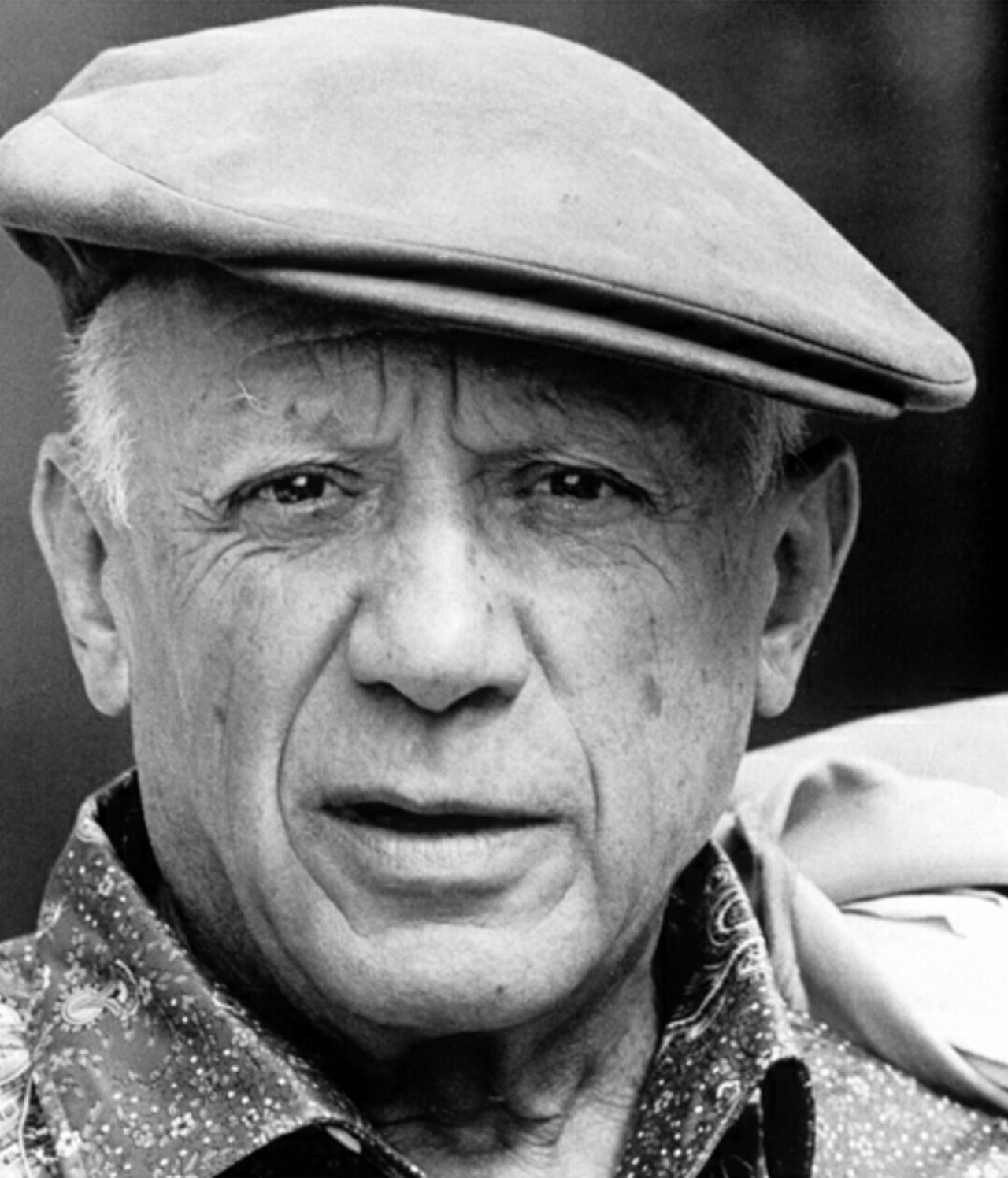
Pablo Picasso was a Spanish painter, sculptor, printmaker, ceramicist, and theatre designer who spent most of his adult life in France. He is known for co-founding the Cubist movement, the invention of constructed sculpture, the co-invention of collage, and for the wide variety of styles that he helped develop and explore. As a pioneer of Cubism, Picasso's work had a significant impact on the development of modern art. His career spanned more than 76 years, from his late teens to his death in 1973, and his influence can still be seen in the work of contemporary artists such as Jean-Michel Basquiat and Francis Bacon. Picasso's innovative style and techniques have made him one of the most influential artists of the 20th century, and his work continues to be celebrated and studied around the world. For example, his painting Les Demoiselles d'Avignon is considered a landmark work of Cubism and is widely regarded as one of the most influential paintings of the 20th century.
🖌️ The Early Life and Training of Picasso
Picasso was born in Málaga, Spain, in 1881, and his early life was marked by a passion for art and a desire to learn. He began his artistic training at a young age, studying at the Barcelona Academy of Fine Arts and later at the San Fernando Academy of Fine Arts in Madrid. During this time, he was exposed to a wide range of artistic styles and influences, including the work of El Greco and Velazquez. These early influences can be seen in his later work, particularly in his use of bold colors and distorted forms. As he developed his skills, Picasso became increasingly interested in the work of other artists, including Paul Cézanne and Vincent van Gogh. He also began to explore new techniques and mediums, including sculpture and printmaking, which would become key components of his artistic practice.
📚 The Influence of African Art on Picasso's Work
One of the key influences on Picasso's work was African art, which he discovered during a visit to the Palace of Fine Arts in Paris in 1907. The bold, expressive forms and vibrant colors of African art had a profound impact on Picasso's style, and he began to incorporate these elements into his own work. This can be seen in paintings such as Les Demoiselles d'Avignon, which features a group of nude women with African mask-like faces. The influence of African art can also be seen in Picasso's use of bold, geometric forms and his experimentation with new materials and techniques. For example, his sculpture Bull's Head is made from a bicycle seat and handlebars, and demonstrates his ability to create complex, expressive forms from everyday objects. As an artist, Picasso was always looking for new ways to express himself, and his interest in African art was just one example of his willingness to explore new influences and ideas.
🔥 The Rise of Cubism and Its Key Principles
The Cubist movement, which Picasso co-founded with Georges Braque, was a radical departure from traditional European art. Cubism rejected the conventions of perspective and representation, instead emphasizing the two-dimensional nature of the canvas and the fragmentation of objects into geometric forms. This new style was characterized by its use of bold, vibrant colors and its emphasis on the emotional and expressive qualities of art. Cubism also had a significant impact on the development of modern art, influencing a wide range of artists and movements, including Fauvism, Futurism, and Surrealism. As a pioneer of Cubism, Picasso's work had a profound impact on the development of modern art, and his influence can still be seen in the work of contemporary artists such as Andy Warhol and Roy Lichtenstein. For example, his painting Guernica is a powerful anti-war statement that continues to inspire artists and activists around the world.
🎭 Picasso's Work in Theatre and Sculpture
In addition to his work as a painter, Picasso was also a prolific sculptor and theatre designer. His sculptures, such as Bull's Head and Chicago Picomasso, are characterized by their use of bold, geometric forms and their emphasis on the emotional and expressive qualities of art. Picasso's work in theatre design was also highly influential, and he collaborated with a number of prominent choreographers and directors, including Sergei Diaghilev and Leonide Massine. His designs for the Ballets Russes are particularly notable, and demonstrate his ability to create complex, expressive forms that are both beautiful and thought-provoking. As a designer, Picasso was always looking for new ways to express himself, and his work in theatre and sculpture was just one example of his willingness to explore new mediums and influences.
🖼️ The Proto-Cubist Period: Les Demoiselles d'Avignon
The proto-Cubist period, which spanned from 1906 to 1909, was a time of great innovation and experimentation for Picasso. During this time, he began to develop the styles and techniques that would become characteristic of Cubism, including the use of bold, geometric forms and the fragmentation of objects into multiple viewpoints. One of the most famous works from this period is Les Demoiselles d'Avignon, which features a group of nude women with African mask-like faces. This painting is considered a landmark work of Cubism and is widely regarded as one of the most influential paintings of the 20th century. As a work of art, Les Demoiselles d'Avignon is a powerful example of Picasso's ability to create complex, expressive forms that are both beautiful and thought-provoking. For example, the painting's use of bold, vibrant colors and its emphasis on the emotional and expressive qualities of art have made it a favorite among art lovers and critics alike.
🕊️ The Anti-War Painting: Guernica
The anti-war painting Guernica is one of Picasso's most famous works, and is widely regarded as a masterpiece of modern art. The painting is a powerful response to the bombing of Guernica by German and Italian air forces during the Spanish Civil War, and features a dramatic and disturbing depiction of the horrors of war. The painting's use of bold, monochromatic colors and its emphasis on the emotional and expressive qualities of art have made it a powerful anti-war statement that continues to inspire artists and activists around the world. As a work of art, Guernica is a testament to Picasso's ability to create complex, expressive forms that are both beautiful and thought-provoking. For example, the painting's use of bold, geometric forms and its emphasis on the fragmentation of objects into multiple viewpoints have made it a favorite among art lovers and critics alike. The painting has also been the subject of numerous Guernica exhibitions and events, including a major retrospective at the Museum of Modern Art in New York.
🌎 Picasso's Global Influence and Legacy
Picasso's global influence and legacy are undeniable, and his work continues to be celebrated and studied around the world. As a pioneer of Cubism, his innovative style and techniques have had a profound impact on the development of modern art, and his influence can still be seen in the work of contemporary artists such as Gerhard Richter and Cindy Sherman. For example, his use of bold, geometric forms and his emphasis on the emotional and expressive qualities of art have made him a favorite among art lovers and critics alike. As a cultural icon, Picasso's image and style have been referenced and parodied in countless works of art, literature, and popular culture, including films, advertisements, and music videos. His legacy continues to inspire new generations of artists, designers, and musicians, and his work remains a powerful symbol of creativity, innovation, and artistic expression.
📊 The Art Market and Picasso's Most Valuable Works
The art market and Picasso's most valuable works are a testament to his enduring popularity and influence. His paintings, sculptures, and prints are highly sought after by collectors and museums, and his work has been the subject of numerous high-profile exhibitions and sales. For example, his painting Les Femmes d'Alger sold for a record-breaking $179 million at auction in 2015, making it one of the most valuable paintings of all time. As a cultural icon, Picasso's work continues to be celebrated and studied around the world, and his influence can still be seen in the work of contemporary artists such as Richard Prince and Takashi Murakami. His legacy continues to inspire new generations of artists, designers, and musicians, and his work remains a powerful symbol of creativity, innovation, and artistic expression.
👥 The Relationship Between Picasso and Other Artists
The relationship between Picasso and other artists is a fascinating topic, and one that has been the subject of much study and debate. For example, his friendship and rivalry with Salvador Dali is the stuff of legend, and their competing styles and personalities have been the subject of numerous books, films, and exhibitions. As a pioneer of Cubism, Picasso's influence can be seen in the work of a wide range of artists, including Marc Chagall, Henri Matisse, and Joan Miro. His legacy continues to inspire new generations of artists, designers, and musicians, and his work remains a powerful symbol of creativity, innovation, and artistic expression. For example, his use of bold, geometric forms and his emphasis on the emotional and expressive qualities of art have made him a favorite among art lovers and critics alike.
🤔 The Controversies Surrounding Picasso's Life and Work
The controversies surrounding Picasso's life and work are numerous and complex, and have been the subject of much study and debate. For example, his treatment of women, including his wives and mistresses, has been criticized as abusive and exploitative. His involvement with the Communist Party and his support for the Spanish Republic during the Spanish Civil War have also been the subject of controversy and debate. As a cultural icon, Picasso's image and style have been referenced and parodied in countless works of art, literature, and popular culture, including films, advertisements, and music videos. However, his legacy is not without its challenges and criticisms, and his work continues to be the subject of ongoing debate and discussion. For example, his use of African art and imagery has been criticized as appropriative and exploitative, and his treatment of women has been criticized as sexist and misogynistic.
🔮 The Future of Picasso's Art and Its Continued Relevance
The future of Picasso's art and its continued relevance is a topic of much interest and debate. As a pioneer of Cubism, his innovative style and techniques have had a profound impact on the development of modern art, and his influence can still be seen in the work of contemporary artists such as Ai Weiwei and Anish Kapoor. For example, his use of bold, geometric forms and his emphasis on the emotional and expressive qualities of art have made him a favorite among art lovers and critics alike. As a cultural icon, Picasso's image and style continue to inspire new generations of artists, designers, and musicians, and his work remains a powerful symbol of creativity, innovation, and artistic expression. However, the future of his art is not without its challenges and uncertainties, and his legacy continues to be the subject of ongoing debate and discussion.
Key Facts
- Year
- 1881
- Origin
- Málaga, Spain
- Category
- Art and Culture
- Type
- Person
Frequently Asked Questions
What is Cubism?
Cubism is an art movement that emerged in the early 20th century, characterized by its use of bold, geometric forms and its emphasis on the two-dimensional nature of the canvas. As a pioneer of Cubism, Picasso's work had a profound impact on the development of modern art, and his influence can still be seen in the work of contemporary artists such as Jean-Michel Basquiat and Francis Bacon. For example, his painting Les Demoiselles d'Avignon is considered a landmark work of Cubism and is widely regarded as one of the most influential paintings of the 20th century.
What is the significance of Guernica?
Guernica is a powerful anti-war painting that responds to the bombing of Guernica by German and Italian air forces during the Spanish Civil War. The painting is a masterpiece of modern art, and its use of bold, monochromatic colors and its emphasis on the emotional and expressive qualities of art have made it a powerful symbol of the horrors of war. As a work of art, Guernica is a testament to Picasso's ability to create complex, expressive forms that are both beautiful and thought-provoking. For example, the painting's use of bold, geometric forms and its emphasis on the fragmentation of objects into multiple viewpoints have made it a favorite among art lovers and critics alike.
What is the relationship between Picasso and African art?
Picasso was heavily influenced by African art, which he discovered during a visit to the Palace of Fine Arts in Paris in 1907. The bold, expressive forms and vibrant colors of African art had a profound impact on Picasso's style, and he began to incorporate these elements into his own work. For example, his painting Les Demoiselles d'Avignon features a group of nude women with African mask-like faces, and demonstrates his ability to create complex, expressive forms that are both beautiful and thought-provoking. As a pioneer of Cubism, Picasso's use of African art and imagery has been criticized as appropriative and exploitative, and his legacy continues to be the subject of ongoing debate and discussion.
What is the significance of Les Demoiselles d'Avignon?
Les Demoiselles d'Avignon is a landmark work of Cubism, and is widely regarded as one of the most influential paintings of the 20th century. The painting features a group of nude women with African mask-like faces, and demonstrates Picasso's ability to create complex, expressive forms that are both beautiful and thought-provoking. As a work of art, Les Demoiselles d'Avignon is a testament to Picasso's innovative style and techniques, and his influence can still be seen in the work of contemporary artists such as Gerhard Richter and Cindy Sherman. For example, the painting's use of bold, geometric forms and its emphasis on the emotional and expressive qualities of art have made it a favorite among art lovers and critics alike.
What is the legacy of Picasso's art?
Picasso's legacy is complex and multifaceted, and his work continues to be celebrated and studied around the world. As a pioneer of Cubism, his innovative style and techniques have had a profound impact on the development of modern art, and his influence can still be seen in the work of contemporary artists such as Ai Weiwei and Anish Kapoor. For example, his use of bold, geometric forms and his emphasis on the emotional and expressive qualities of art have made him a favorite among art lovers and critics alike. However, his legacy is not without its challenges and criticisms, and his work continues to be the subject of ongoing debate and discussion.