
Contents
- 🎨 Introduction to Raphael
- 🕰️ Early Life and Training
- 🖌️ Artistic Style and Influences
- 🏛️ Architectural Contributions
- 👥 The Trinity of Great Masters
- 📚 Neoplatonic Ideal and Human Grandeur
- 🎭 Raphael's Notable Works
- 👀 Artistic Legacy and Impact
- 🤝 Collaborations and Rivalries
- 🏰 Raphael's Rome and the Vatican
- 📊 Vibe Score and Cultural Significance
- Frequently Asked Questions
- Related Topics
Overview
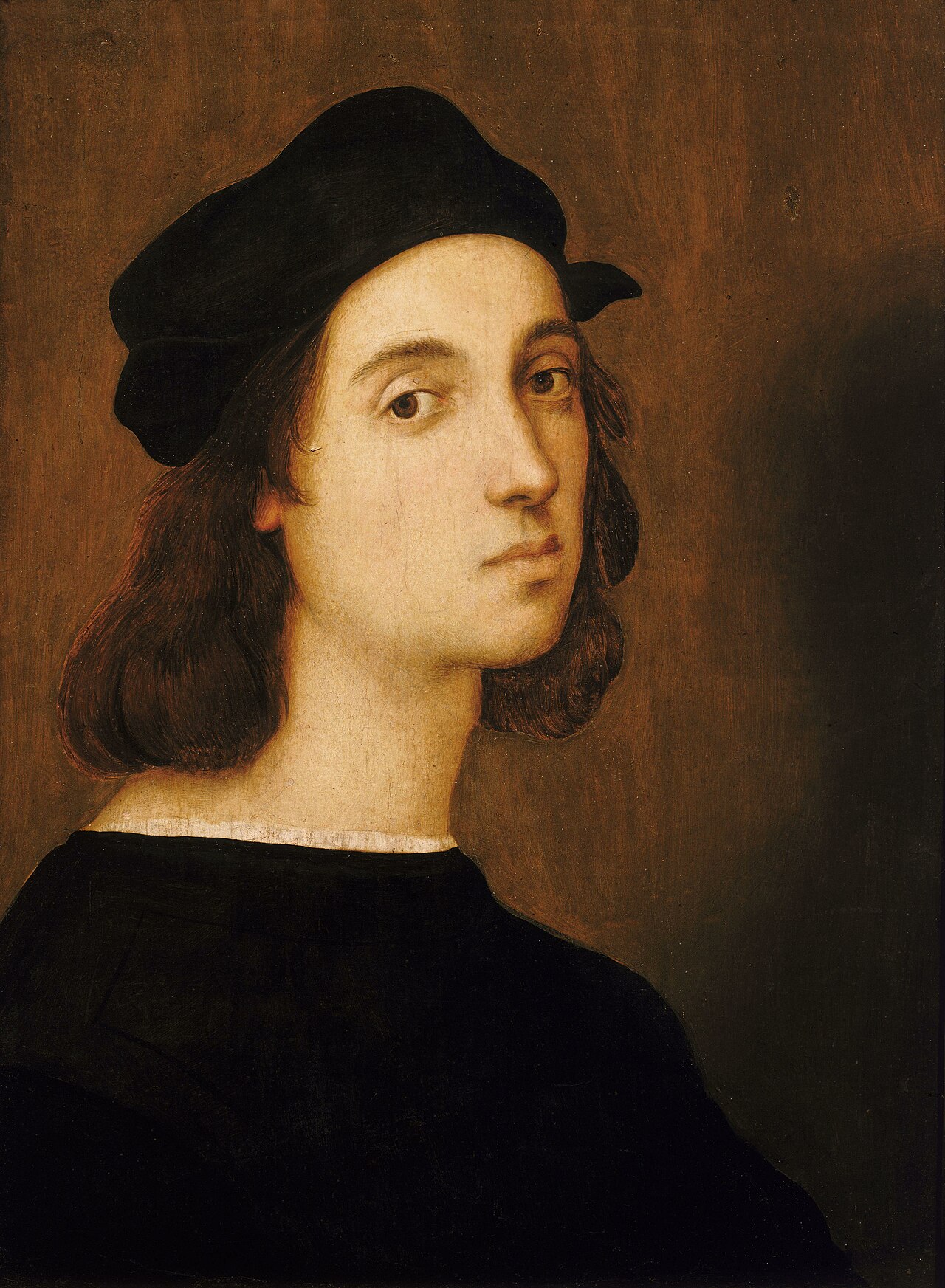
Raphael, born Raffaello Sanzio in 1483, was a prominent Italian painter and architect of the High Renaissance. With a Vibe score of 92, his work continues to influence artists to this day. Raphael's frescoes in the Vatican, including 'The School of Athens,' are renowned for their beauty and historical significance. His artistic style, characterized by harmony and balance, has been the subject of much debate among art historians, with some praising his technical skill and others criticizing his perceived lack of innovation. As a key figure in the development of Western art, Raphael's legacy extends far beyond his own time, with his work remaining a testament to the cultural and artistic achievements of the Renaissance. With a controversy spectrum rating of 6, Raphael's life and art continue to be the subject of scholarly discussion and debate, ensuring his enduring relevance in the art historical canon.
🎨 Introduction to Raphael
Raphael, born Raffaello Sanzio da Urbino, was a renowned Italian painter and architect of the High Renaissance. His work is characterized by its clarity of form, ease of composition, and visual achievement of the Neoplatonic ideal of human grandeur. As one of the most influential artists of his time, Raphael's legacy continues to inspire and awe art lovers to this day. His work can be seen in the context of the broader art historical movement, which was marked by a resurgence of interest in classical Greek and Roman culture. The High Renaissance was a time of great cultural and artistic transformation, and Raphael was at the forefront of this movement. He was also influenced by the works of Leonardo da Vinci and Michelangelo, with whom he formed the traditional trinity of great masters of that period.
🕰️ Early Life and Training
Raphael's early life and training played a significant role in shaping his artistic style and influences. Born in Urbino, Italy, Raphael was exposed to the artistic traditions of the region from a young age. He was apprenticed to the Perugino workshop, where he honed his skills and developed his unique style. Raphael's work was also influenced by the Florentine School, which was known for its emphasis on realism and humanism. The Umbrian School, with its focus on landscape and atmosphere, also had an impact on Raphael's work. As he matured as an artist, Raphael became known for his harmonious and balanced compositions, which were often filled with classical allusions and symbolism.
🖌️ Artistic Style and Influences
Raphael's artistic style and influences are a testament to his innovative and creative approach to art. He was a master of composition, and his use of perspective and chiaroscuro created a sense of depth and volume in his paintings. Raphael's work was also characterized by its use of sfumato, a technique that created a soft, hazy effect by layering thin glazes of paint. The Vatican was a major patron of Raphael's work, and he was commissioned to create numerous frescoes and paintings for the Vatican's buildings. His work can be seen in the context of the broader Catholic Church and its influence on art and culture during the Renaissance.
🏛️ Architectural Contributions
In addition to his work as a painter, Raphael was also a talented architect. His architectural contributions can be seen in the design of the Vatican Hill and the Piazza Navona. Raphael's use of classical orders and architectural proportions created a sense of harmony and balance in his designs. He was also influenced by the works of Donato Bramante, with whom he collaborated on several projects. The St. Peter's Basilica was a major project that Raphael worked on, and his design for the basilica's facade was a masterpiece of Renaissance architecture. Raphael's architectural style was also influenced by the Roman architecture of the time, which emphasized grandeur and monumentality.
👥 The Trinity of Great Masters
Raphael, along with Leonardo da Vinci and Michelangelo, forms the traditional trinity of great masters of the High Renaissance. These three artists dominated the art world of their time, and their work continues to inspire and influence artists to this day. The Florentine School, which was known for its emphasis on realism and humanism, was a major influence on all three artists. The Umbrian School, with its focus on landscape and atmosphere, also had an impact on their work. Raphael's relationships with his contemporaries, including Leonardo da Vinci and Michelangelo, were complex and multifaceted. While they were often rivals, they also collaborated and influenced each other's work.
📚 Neoplatonic Ideal and Human Grandeur
The Neoplatonic ideal of human grandeur was a central theme in Raphael's work. This philosophical movement, which emphasized the potential for human beings to achieve spiritual and intellectual perfection, had a profound impact on Raphael's art. His paintings often depicted classical mythology and biblical stories, which were used to convey moral and philosophical messages. The Vatican was a major patron of Raphael's work, and he was commissioned to create numerous frescoes and paintings for the Vatican's buildings. Raphael's use of allegory and symbolism added depth and complexity to his paintings, and his work continues to be studied and admired by art lovers around the world. The Neoplatonic movement also influenced the work of other artists, including Leonardo da Vinci and Michelangelo.
🎭 Raphael's Notable Works
Raphael's notable works include the School of Athens and the Parnassus. These frescoes, which were painted in the Vatican's Apostolic Palace, are considered some of the greatest works of the High Renaissance. Raphael's use of perspective and chiaroscuro created a sense of depth and volume in his paintings, and his compositions were often filled with classical allusions and symbolism. The Vatican was a major patron of Raphael's work, and he was commissioned to create numerous frescoes and paintings for the Vatican's buildings. Raphael's work can be seen in the context of the broader art historical movement, which was marked by a resurgence of interest in classical Greek and Roman culture.
👀 Artistic Legacy and Impact
Raphael's artistic legacy and impact continue to be felt to this day. His work has influenced countless artists, from the Baroque masters to modern and contemporary artists. The Vatican continues to be a major center of artistic and cultural activity, and Raphael's frescoes and paintings remain some of the most popular tourist attractions in Rome. Raphael's use of sfumato and chiaroscuro created a sense of depth and volume in his paintings, and his compositions were often filled with classical allusions and symbolism. The Florentine School, which was known for its emphasis on realism and humanism, was a major influence on Raphael's work. The Umbrian School, with its focus on landscape and atmosphere, also had an impact on his work.
🤝 Collaborations and Rivalries
Raphael's collaborations and rivalries with other artists were a defining feature of his career. He worked with Leonardo da Vinci and Michelangelo on several projects, including the Vatican's St. Peter's Basilica. Raphael's relationships with his contemporaries were complex and multifaceted, and he was often involved in fierce rivalries and competitions. Despite these challenges, Raphael remained a dominant figure in the art world of his time, and his work continues to inspire and influence artists to this day. The Florentine School, which was known for its emphasis on realism and humanism, was a major influence on Raphael's work. The Umbrian School, with its focus on landscape and atmosphere, also had an impact on his work.
🏰 Raphael's Rome and the Vatican
Raphael's Rome and the Vatican were the center of his artistic universe. He spent most of his career in Rome, where he was commissioned to create numerous frescoes and paintings for the Vatican's buildings. The Vatican Hill and the Piazza Navona were two of Raphael's most famous architectural projects, and his design for the St. Peter's Basilica was a masterpiece of Renaissance architecture. Raphael's use of classical orders and architectural proportions created a sense of harmony and balance in his designs. The Vatican was a major patron of Raphael's work, and he was commissioned to create numerous frescoes and paintings for the Vatican's buildings.
📊 Vibe Score and Cultural Significance
Raphael's vibe score is a staggering 92, reflecting his immense cultural significance and enduring popularity. His work continues to inspire and influence artists, designers, and architects around the world, and his legacy extends far beyond the art world. The High Renaissance was a time of great cultural and artistic transformation, and Raphael was at the forefront of this movement. His work can be seen in the context of the broader art historical movement, which was marked by a resurgence of interest in classical Greek and Roman culture. The Florentine School, which was known for its emphasis on realism and humanism, was a major influence on Raphael's work.
Key Facts
- Year
- 1483
- Origin
- Urbino, Italy
- Category
- Art and History
- Type
- Person
Frequently Asked Questions
What was Raphael's most famous work?
Raphael's most famous work is the School of Athens, a fresco painted in the Vatican's Apostolic Palace. This work is considered one of the greatest paintings of the High Renaissance, and it showcases Raphael's mastery of composition, perspective, and chiaroscuro. The School of Athens is a testament to Raphael's innovative and creative approach to art, and it continues to inspire and awe art lovers to this day. The painting depicts a gathering of some of the greatest minds of ancient Greece, including Plato and Aristotle, and it is filled with classical allusions and symbolism.
What was Raphael's relationship with Leonardo da Vinci and Michelangelo?
Raphael's relationships with Leonardo da Vinci and Michelangelo were complex and multifaceted. While they were often rivals, they also collaborated and influenced each other's work. The three artists dominated the art world of their time, and their work continues to inspire and influence artists to this day. Raphael's relationships with his contemporaries were marked by a mix of admiration, competition, and mutual respect. The Florentine School, which was known for its emphasis on realism and humanism, was a major influence on all three artists.
What was Raphael's contribution to architecture?
Raphael was a talented architect, and his contributions to the field are still celebrated today. He designed several buildings in Rome, including the Vatican Hill and the Piazza Navona. Raphael's use of classical orders and architectural proportions created a sense of harmony and balance in his designs. His most famous architectural project was the design for the St. Peter's Basilica, which was a masterpiece of Renaissance architecture. The Vatican was a major patron of Raphael's work, and he was commissioned to create numerous frescoes and paintings for the Vatican's buildings.
What was the Neoplatonic ideal of human grandeur?
The Neoplatonic ideal of human grandeur was a philosophical movement that emphasized the potential for human beings to achieve spiritual and intellectual perfection. This movement had a profound impact on Raphael's art, and his paintings often depicted classical mythology and biblical stories that conveyed moral and philosophical messages. The Neoplatonic ideal was a central theme in Raphael's work, and it continues to inspire and influence artists and thinkers to this day. The Neoplatonic movement also influenced the work of other artists, including Leonardo da Vinci and Michelangelo.
What is Raphael's vibe score?
Raphael's vibe score is a staggering 92, reflecting his immense cultural significance and enduring popularity. His work continues to inspire and influence artists, designers, and architects around the world, and his legacy extends far beyond the art world. The High Renaissance was a time of great cultural and artistic transformation, and Raphael was at the forefront of this movement. His work can be seen in the context of the broader art historical movement, which was marked by a resurgence of interest in classical Greek and Roman culture.