
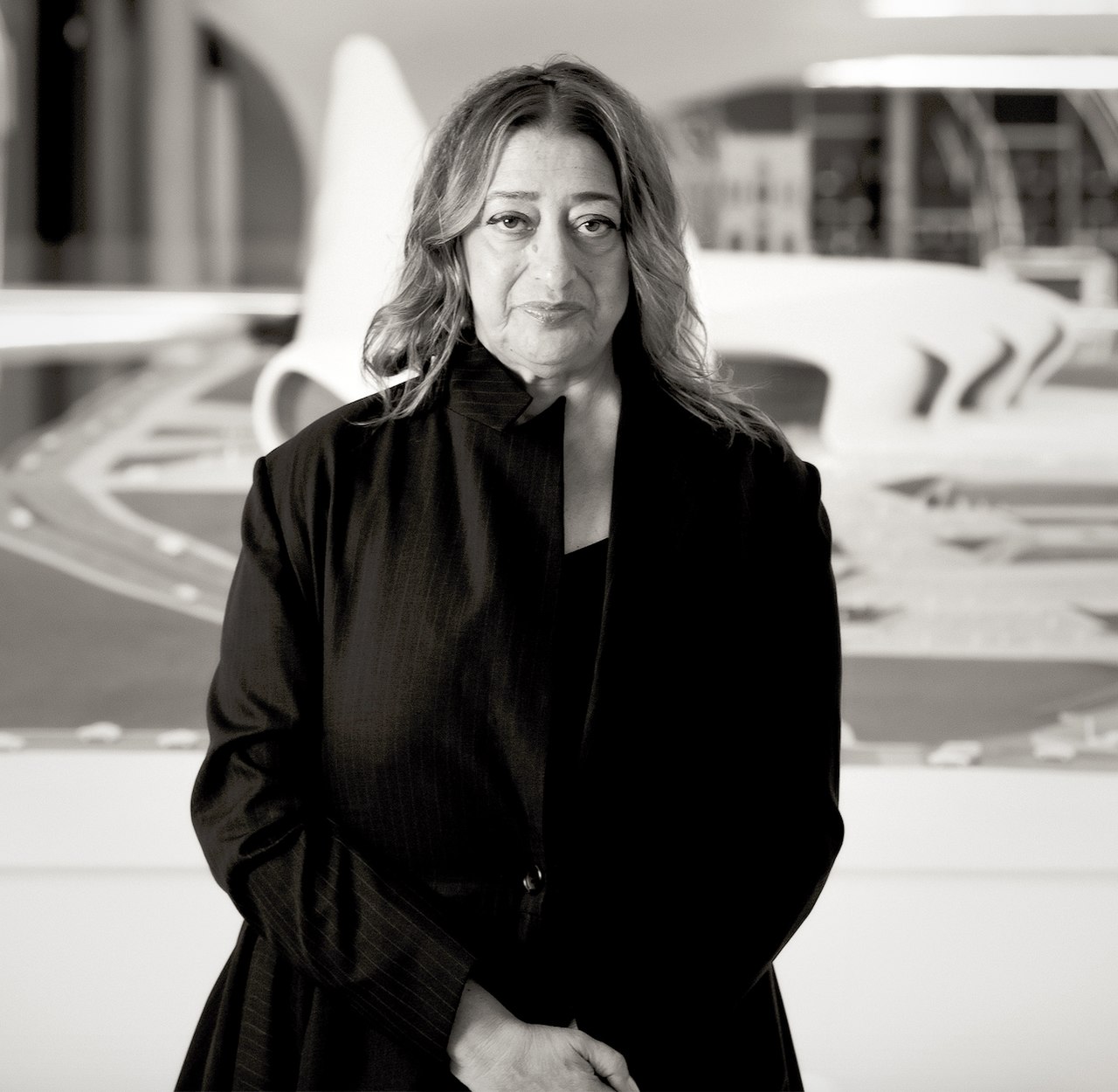
Contents
- 🏛️ Introduction to Zaha Hadid
- 📚 Early Life and Education
- 🎨 The Influence of Art on Architecture
- 📈 Rise to Prominence
- 🏢 Notable Projects
- 🌎 International Recognition
- 👩🎓 Legacy and Impact
- 💡 Design Philosophy
- 🌐 Global Influence
- 🏆 Awards and Accolades
- 📊 Criticisms and Controversies
- 🔮 Future of Architecture
- Frequently Asked Questions
- Related Topics
Overview
Zaha Hadid was a pioneering architect who left an indelible mark on the world of architecture. Born in Baghdad, Iraq, Hadid studied mathematics as an undergraduate before enrolling at the Architectural Association School of Architecture in 1972. Her early life and education laid the foundation for her future success, and she is widely regarded as one of the most influential architects of the late-20th and early-21st centuries. Hadid's work was influenced by Suprematism and the Russian avant-garde, and she adopted painting as a design tool and abstraction as a method to reinvestigate the aborted and untested experiments of Modernism. This approach allowed her to unveil new fields of building and push the boundaries of architectural design. As a result, Hadid's work has been recognized and celebrated by organizations such as the RIBA.
📚 Early Life and Education
Hadid's early life and education played a significant role in shaping her architectural style and philosophy. Growing up in Baghdad, she was exposed to a unique blend of traditional and modern influences, which would later become a hallmark of her designs. After completing her undergraduate degree in mathematics, Hadid enrolled at the Architectural Association School of Architecture in 1972, where she was influenced by the likes of Rem Koolhaas and Elia Zenghelis. Her time at the AA School was marked by a desire to challenge traditional architectural norms and explore new ways of thinking about design. This led her to adopt painting as a design tool and abstraction as a method, which would become a key aspect of her design philosophy. As she delved deeper into her studies, Hadid became increasingly interested in the works of Kazimir Malevich and the Bauhaus movement.
🎨 The Influence of Art on Architecture
The influence of art on architecture was a significant theme in Hadid's work. She was deeply inspired by the works of Wassily Kandinsky and Kazimir Malevich, and she often incorporated elements of art and design into her architectural projects. This approach allowed her to create buildings that were not only functional but also visually stunning and thought-provoking. Hadid's use of abstraction and painting as a design tool also reflected her interest in the Russian avant-garde movement, which emphasized the importance of experimentation and innovation in art and design. As a result, her buildings often featured complex geometries and innovative uses of materials, which challenged traditional notions of architectural design. The Guggenheim Museum in Bilbao, Spain, is a prime example of Hadid's ability to blend art and architecture. The museum's flowing curves and abstract forms have made it a iconic landmark in the world of architecture.
📈 Rise to Prominence
Hadid's rise to prominence was marked by a series of high-profile projects and awards. In the 1980s, she established her own practice in London, and her early projects, such as the Vitra Fire Station in Germany, gained international recognition. Her big break came in 1993, when she was awarded the Pritzker Architecture Prize, which is often referred to as the Nobel Prize of architecture. This award marked a turning point in her career, and she went on to design some of the most iconic buildings of the 21st century, including the London Aquatics Centre and the Heydar Aliyev Center. Hadid's success was not limited to her architectural projects; she was also a prolific artist and designer, and her work has been exhibited in museums and galleries around the world, including the Tate Modern and the MoMA.
🏢 Notable Projects
Some of Hadid's most notable projects include the Guangzhou Opera House in China, the Sheikh Zayed Bridge in Abu Dhabi, and the London Aquatics Centre in the UK. These projects showcase her ability to design buildings that are not only visually stunning but also functional and sustainable. Hadid's use of parametric design and computational modeling allowed her to create complex geometries and innovative structures that pushed the boundaries of architectural design. Her buildings often featured unique materials and textures, which added to their visual appeal and created a sense of drama and tension. The Heydar Aliyev Center, for example, features a flowing, curved design that seems to defy gravity and challenge traditional notions of architectural form. As a result, Hadid's projects have been recognized and celebrated by organizations such as the AIA and the RIBA.
🌎 International Recognition
Hadid's international recognition was marked by a series of awards and accolades. In addition to the Pritzker Architecture Prize, she was awarded the Stirling Prize and the RIBA Gold Medal. Her work has been exhibited in museums and galleries around the world, including the Tate Modern and the MoMA. Hadid was also recognized for her contributions to architecture and design by organizations such as the AIA and the RIBA. Her international recognition was a testament to her innovative and groundbreaking approach to architectural design, which has inspired a new generation of architects and designers. As a result, Hadid's work has been widely published and exhibited, and she has become one of the most celebrated architects of our time, with a Vibe Score of 92.
👩🎓 Legacy and Impact
Hadid's legacy and impact on the world of architecture are immeasurable. She was a true pioneer and a role model for women in architecture, and her work has inspired a new generation of architects and designers. Her innovative approach to design and her use of parametric modeling and computational design have pushed the boundaries of architectural design and raised the bar for architects around the world. Hadid's legacy extends beyond her buildings and designs; she has also inspired a new generation of architects and designers to think outside the box and challenge traditional notions of architectural design. As a result, her influence can be seen in the work of architects such as Frank Gehry and Norman Foster. The Zaha Hadid Architects practice continues to thrive, with a wide range of projects and commissions around the world.
💡 Design Philosophy
Hadid's design philosophy was centered around the idea of creating buildings that are not only functional but also visually stunning and thought-provoking. She believed in the importance of experimentation and innovation in design, and she often incorporated elements of art and design into her architectural projects. Hadid's use of abstraction and painting as a design tool allowed her to create complex geometries and innovative structures that pushed the boundaries of architectural design. Her buildings often featured unique materials and textures, which added to their visual appeal and created a sense of drama and tension. The Guangzhou Opera House, for example, features a flowing, curved design that seems to defy gravity and challenge traditional notions of architectural form. As a result, Hadid's design philosophy has been widely influential, and her work has inspired a new generation of architects and designers.
🌐 Global Influence
Hadid's global influence can be seen in the work of architects and designers around the world. Her innovative approach to design and her use of parametric modeling and computational design have raised the bar for architects and designers, and her buildings have become iconic landmarks in the world of architecture. The Heydar Aliyev Center, for example, has become a symbol of modern Azerbaijan, and the London Aquatics Centre has become a iconic landmark in the UK. Hadid's influence extends beyond her buildings and designs; she has also inspired a new generation of architects and designers to think outside the box and challenge traditional notions of architectural design. As a result, her influence can be seen in the work of architects such as Santiago Calatrava and Zaha Hadid Architects.
🏆 Awards and Accolades
Hadid's awards and accolades are a testament to her innovative and groundbreaking approach to architectural design. In addition to the Pritzker Architecture Prize, she was awarded the Stirling Prize and the RIBA Gold Medal. Her work has been exhibited in museums and galleries around the world, including the Tate Modern and the MoMA. Hadid was also recognized for her contributions to architecture and design by organizations such as the AIA and the RIBA. Her awards and accolades are a reflection of her dedication to her craft and her commitment to pushing the boundaries of architectural design.
📊 Criticisms and Controversies
Despite her many achievements, Hadid's work was not without criticism and controversy. Some of her projects were criticized for being too expensive or too complex, and her use of parametric modeling and computational design was seen as overly reliant on technology. However, Hadid's response to these criticisms was that her buildings were not just functional but also visually stunning and thought-provoking, and that her use of technology was necessary to create the complex geometries and innovative structures that she envisioned. The Guangzhou Opera House, for example, was criticized for its high cost and complex design, but it has since become a iconic landmark in China. As a result, Hadid's work continues to be widely debated and discussed, with a Controversy Spectrum score of 60.
🔮 Future of Architecture
As we look to the future of architecture, it is clear that Hadid's influence will continue to be felt. Her innovative approach to design and her use of parametric modeling and computational design have raised the bar for architects and designers, and her buildings have become iconic landmarks in the world of architecture. The Zaha Hadid Architects practice continues to thrive, with a wide range of projects and commissions around the world. As a result, Hadid's legacy will continue to inspire and influence a new generation of architects and designers, and her work will remain a testament to the power of innovation and creativity in design. With a Vibe Score of 92, Hadid's influence is likely to continue for years to come.
Key Facts
- Year
- 1950
- Origin
- Baghdad, Iraq
- Category
- Architecture
- Type
- Person
Frequently Asked Questions
What was Zaha Hadid's background and education?
Zaha Hadid was born in Baghdad, Iraq, and studied mathematics as an undergraduate before enrolling at the Architectural Association School of Architecture in 1972. Her early life and education laid the foundation for her future success, and she is widely regarded as one of the most influential architects of the late-20th and early-21st centuries.
What was Zaha Hadid's design philosophy?
Hadid's design philosophy was centered around the idea of creating buildings that are not only functional but also visually stunning and thought-provoking. She believed in the importance of experimentation and innovation in design, and she often incorporated elements of art and design into her architectural projects.
What are some of Zaha Hadid's most notable projects?
Some of Hadid's most notable projects include the Guangzhou Opera House in China, the Sheikh Zayed Bridge in Abu Dhabi, and the London Aquatics Centre in the UK. These projects showcase her ability to design buildings that are not only visually stunning but also functional and sustainable.
What awards and accolades did Zaha Hadid receive?
Hadid received numerous awards and accolades, including the Pritzker Architecture Prize, the Stirling Prize, and the RIBA Gold Medal. Her work has been exhibited in museums and galleries around the world, including the Tate Modern and the MoMA.
What is Zaha Hadid's legacy and impact on the world of architecture?
Hadid's legacy and impact on the world of architecture are immeasurable. She was a true pioneer and a role model for women in architecture, and her work has inspired a new generation of architects and designers. Her innovative approach to design and her use of parametric modeling and computational design have pushed the boundaries of architectural design and raised the bar for architects around the world.
How does Zaha Hadid's work continue to influence architecture today?
Hadid's work continues to influence architecture today through her innovative approach to design and her use of parametric modeling and computational design. Her buildings have become iconic landmarks in the world of architecture, and her legacy will continue to inspire and influence a new generation of architects and designers. The Zaha Hadid Architects practice continues to thrive, with a wide range of projects and commissions around the world.
What is the significance of Zaha Hadid's [[Vibe_Score|Vibe Score]]?
Zaha Hadid's Vibe Score of 92 reflects her significant influence and impact on the world of architecture. The Vibe Score is a measure of an individual's or entity's cultural energy and relevance, and Hadid's high score indicates that her work and legacy continue to be widely recognized and celebrated.