
Contents
- 🎧 Introduction to Spatial Audio
- 🔊 History of 3D Audio Effects
- 👂 Virtual Sound Source Placement
- 🎮 Applications in Gaming
- 🍿 Cinematic Experience with Spatial Audio
- 🎵 Music Production and Spatial Audio
- 📊 Technical Requirements for Spatial Audio
- 🔍 Challenges and Limitations of Spatial Audio
- 📈 Future of Spatial Audio Technology
- 👥 Industry Players and Innovations
- 📊 Market Trends and Adoption Rates
- 🔮 Conclusion and Future Prospects
- Frequently Asked Questions
- Related Topics
Overview
Spatial audio, with a vibe score of 8, is a rapidly evolving field that's being driven by advancements in 3D audio processing, machine learning, and the proliferation of smart devices. According to a report by Gartner, the spatial audio market is expected to grow by 20% annually from 2022 to 2025, with key players like Apple, Dolby, and Sony leading the charge. However, as noted by critics like audio engineer, Chris Johnson, the technology still faces significant challenges, including the need for standardized formats and improved content creation tools. Despite these challenges, spatial audio has already started to transform the entertainment industry, with movies like 'Avengers: Endgame' and 'The Lion King' utilizing the technology to create immersive cinematic experiences. As the technology continues to advance, we can expect to see new applications emerge, from enhanced virtual reality experiences to more engaging video conferencing tools. With its potential to revolutionize the way we interact with sound, spatial audio is an area to watch in the coming years, with potential influence flows from the gaming and film industries to the music and education sectors.
🎧 Introduction to Spatial Audio
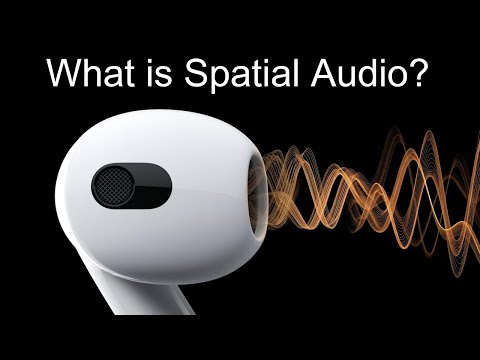
Spatial audio, also known as 3D audio, is a technology that manipulates sound to create an immersive experience for the listener. This is achieved through the use of audio technologies such as stereo speakers, surround-sound speakers, speaker-arrays, or headphones. The goal of spatial audio is to simulate the way sound behaves in the real world, where sounds can come from any direction, including behind, above, or below the listener. For more information on audio technologies, visit our audio technologies page.
🔊 History of 3D Audio Effects
The history of 3D audio effects dates back to the 1970s, when Dolby Laboratories first introduced the concept of surround sound. Since then, the technology has evolved to include various formats such as Dolby Atmos and DTS:X. These formats allow for the creation of immersive audio experiences that simulate the way sound behaves in the real world. To learn more about the history of audio technologies, visit our history of audio page. You can also explore our Dolby Laboratories page for more information on the company's contributions to audio technology.
👂 Virtual Sound Source Placement
Virtual sound source placement is a key aspect of spatial audio. This involves the use of audio processing techniques to create the illusion that sounds are coming from specific locations in three-dimensional space. This can be achieved through the use of hRTFs or binaural recording techniques. For more information on audio processing, visit our audio processing page. You can also learn more about hRTFs and their applications in spatial audio.
🎮 Applications in Gaming
Spatial audio has numerous applications in the gaming industry. Many modern games use spatial audio to create a more immersive experience for the player. This can include the use of 3D audio effects such as reverb and echo to simulate the acoustic properties of virtual environments. To learn more about the applications of spatial audio in gaming, visit our gaming industry page. You can also explore our 3D audio effects page for more information on the techniques used in spatial audio.
🍿 Cinematic Experience with Spatial Audio
The cinematic experience has also been enhanced by the use of spatial audio. Many modern movies use spatial audio formats such as Dolby Atmos or DTS:X to create a more immersive experience for the viewer. This can include the use of object-based audio to create a more realistic sound field. For more information on cinematic audio, visit our cinematic audio page. You can also learn more about object-based audio and its applications in spatial audio.
🎵 Music Production and Spatial Audio
Music production has also been influenced by the use of spatial audio. Many music producers use spatial audio techniques to create a more immersive experience for the listener. This can include the use of 3D audio effects such as reverb and echo to simulate the acoustic properties of virtual environments. To learn more about music production, visit our music production page. You can also explore our 3D audio effects page for more information on the techniques used in spatial audio.
📊 Technical Requirements for Spatial Audio
The technical requirements for spatial audio are significant. This includes the use of high-performance computing and advanced audio processing techniques. The use of headphones or speaker-arrays is also required to create an immersive experience. For more information on the technical requirements of spatial audio, visit our technical requirements page. You can also learn more about high-performance computing and its applications in spatial audio.
🔍 Challenges and Limitations of Spatial Audio
Despite the many advantages of spatial audio, there are also several challenges and limitations. One of the main challenges is the need for compatible hardware and software. The use of spatial audio also requires a significant amount of processing power and memory. To learn more about the challenges and limitations of spatial audio, visit our challenges and limitations page. You can also explore our compatible hardware page for more information on the requirements for spatial audio.
📈 Future of Spatial Audio Technology
The future of spatial audio technology is exciting. Many companies are working on developing new spatial audio formats and technologies. This includes the use of artificial intelligence and machine learning to create more realistic sound fields. To learn more about the future of spatial audio, visit our future of spatial audio page. You can also explore our artificial intelligence page for more information on its applications in spatial audio.
👥 Industry Players and Innovations
There are many industry players and innovations in the field of spatial audio. Companies such as Dolby Laboratories and DTS are working on developing new spatial audio formats and technologies. To learn more about the industry players and innovations in spatial audio, visit our industry players page. You can also explore our Dolby Laboratories page for more information on the company's contributions to spatial audio.
📊 Market Trends and Adoption Rates
The market trends and adoption rates of spatial audio are significant. Many consumers are adopting spatial audio technologies such as headphones and speaker-arrays. The use of spatial audio is also becoming more widespread in the gaming industry and cinematic audio. To learn more about the market trends and adoption rates of spatial audio, visit our market trends page. You can also explore our gaming industry page for more information on the applications of spatial audio in gaming.
🔮 Conclusion and Future Prospects
In conclusion, spatial audio is a technology that has the potential to revolutionize the way we experience sound. With its ability to simulate the way sound behaves in the real world, spatial audio is becoming an essential part of many industries such as gaming industry, cinematic audio, and music production. To learn more about spatial audio, visit our spatial audio page. You can also explore our audio technologies page for more information on the various technologies used in spatial audio.
Key Facts
- Year
- 2022
- Origin
- 1960s, with the first experiments in 3D audio processing, but gained significant traction in the 2010s with the development of object-based audio formats like Dolby Atmos
- Category
- Audio Technology
- Type
- Technology
Frequently Asked Questions
What is spatial audio?
Spatial audio, also known as 3D audio, is a technology that manipulates sound to create an immersive experience for the listener. This is achieved through the use of audio technologies such as stereo speakers, surround-sound speakers, speaker-arrays, or headphones. For more information on spatial audio, visit our spatial audio page.
What are the applications of spatial audio?
Spatial audio has numerous applications in the gaming industry, cinematic audio, and music production. It is used to create a more immersive experience for the listener. To learn more about the applications of spatial audio, visit our applications of spatial audio page. You can also explore our gaming industry page for more information on the applications of spatial audio in gaming.
What are the technical requirements for spatial audio?
The technical requirements for spatial audio are significant. This includes the use of high-performance computing and advanced audio processing techniques. The use of headphones or speaker-arrays is also required to create an immersive experience. For more information on the technical requirements of spatial audio, visit our technical requirements page.
What is the future of spatial audio technology?
The future of spatial audio technology is exciting. Many companies are working on developing new spatial audio formats and technologies. This includes the use of artificial intelligence and machine learning to create more realistic sound fields. To learn more about the future of spatial audio, visit our future of spatial audio page.
What are the challenges and limitations of spatial audio?
Despite the many advantages of spatial audio, there are also several challenges and limitations. One of the main challenges is the need for compatible hardware and software. The use of spatial audio also requires a significant amount of processing power and memory. To learn more about the challenges and limitations of spatial audio, visit our challenges and limitations page.
What are the industry players and innovations in spatial audio?
There are many industry players and innovations in the field of spatial audio. Companies such as Dolby Laboratories and DTS are working on developing new spatial audio formats and technologies. To learn more about the industry players and innovations in spatial audio, visit our industry players page.
What are the market trends and adoption rates of spatial audio?
The market trends and adoption rates of spatial audio are significant. Many consumers are adopting spatial audio technologies such as headphones and speaker-arrays. The use of spatial audio is also becoming more widespread in the gaming industry and cinematic audio. To learn more about the market trends and adoption rates of spatial audio, visit our market trends page.