
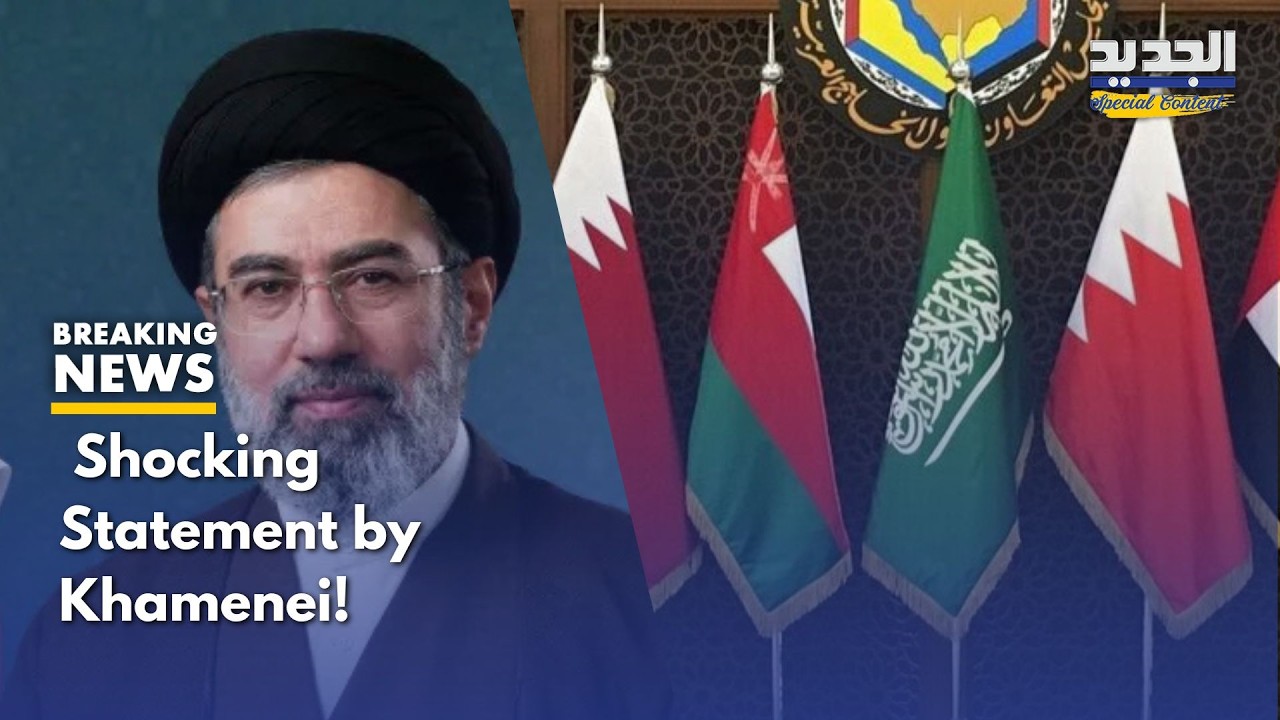
Summary
In a significant diplomatic overture, **Iran** has reportedly offered to reopen the **Strait of Hormuz** to international shipping. This offer, conveyed to the **United States** via **Pakistan**, is contingent on two major conditions: the lifting of U.S. sanctions and the cessation of the ongoing war. While the proposal presents a potential de-escalation in the volatile Persian Gulf, **President Trump** is widely seen as unlikely to accept such terms, leaving the future of this critical maritime chokepoint uncertain. The move highlights the complex geopolitical interplay between Iran, the US, and regional conflicts, with global economic stability hanging in the balance.
Key Takeaways
- Iran has offered to reopen the Strait of Hormuz under specific conditions.
- The conditions include U.S. sanctions relief and an end to the ongoing war.
- The offer was relayed to the U.S. through Pakistan.
- President Trump is reportedly unlikely to accept the terms.
- The Strait of Hormuz is a vital artery for global oil trade.
Balanced Perspective
The reported offer from **Iran** is a complex diplomatic maneuver with significant implications for global trade and regional security. The conditions attached—lifting sanctions and ending the war—are substantial and directly challenge current U.S. policy. The transmission of the offer through **Pakistan** suggests an attempt to bypass direct channels and gauge U.S. reaction without formal commitment. The ultimate impact hinges on the political will of both nations to compromise, a prospect that appears dim given current geopolitical realities.
Optimistic View
This offer represents a potential breakthrough, signaling Iran's willingness to engage constructively and de-escalate regional tensions. If accepted, reopening the **Strait of Hormuz** would immediately stabilize global oil markets, reduce shipping costs, and foster greater economic cooperation. It could pave the way for broader diplomatic solutions and a more peaceful Middle East, demonstrating the power of negotiation over confrontation.
Critical View
This Iranian offer is likely a strategic ploy, designed to sow division within the U.S. and its allies, or to gain leverage without genuine intent to compromise. The conditions are non-starters for the Trump administration, making the offer a rhetorical exercise rather than a serious proposal. The underlying issues of sanctions and regional conflicts remain deeply entrenched, and this maneuver could simply serve to prolong the existing tensions and uncertainty surrounding the **Strait of Hormuz**.
Source
Originally reported by PBS