
Summary
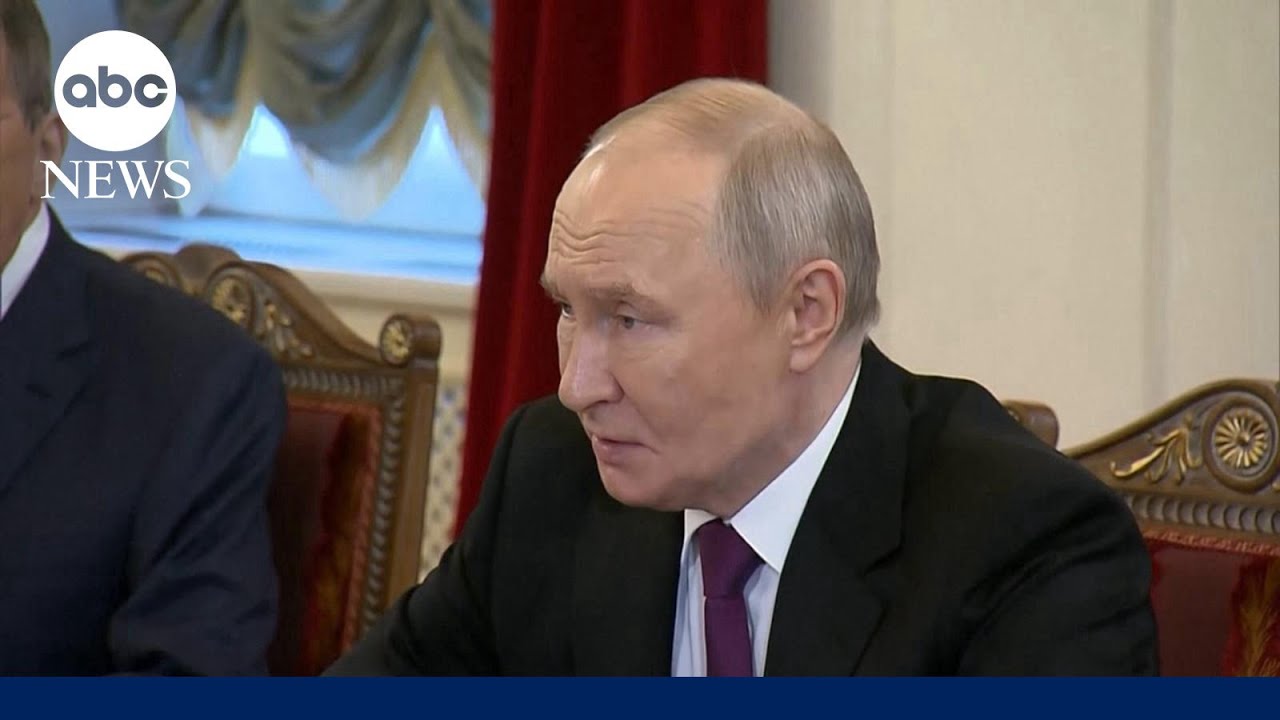
Iranian Foreign Minister **Abbas Araghchi** has undertaken a diplomatic mission to **Pakistan** and **Russia**, a move that gains significance following the cancellation of trips by **U.S. envoys**. The visits, reportedly focused on regional stability and ending conflicts, highlight Iran's efforts to bolster ties with key non-Western powers. This diplomatic maneuver occurs against a backdrop of heightened tensions and a perceived cooling of relations with the United States, suggesting a strategic pivot by Tehran to consolidate its regional standing and counter external pressures. The timing and nature of these engagements underscore the complex geopolitical dynamics at play in the Middle East and beyond, with implications for global security and diplomatic engagement.
Key Takeaways
- Iran's Foreign Minister Abbas Araghchi visited Pakistan and Russia.
- These visits occurred after canceled trips by U.S. envoys.
- The stated goal of the talks was to end regional wars.
- This move suggests Iran is strengthening ties with non-Western powers.
- The diplomatic activity highlights shifting geopolitical alliances.
Balanced Perspective
The travel of **Iranian Foreign Minister Abbas Araghchi** to **Pakistan** and **Russia** is a diplomatic engagement that follows the cancellation of **U.S. envoy** trips. The stated focus is on regional conflict resolution. The actual outcomes and the extent to which these meetings will influence regional dynamics remain to be seen, as diplomatic exchanges are often complex and subject to numerous underlying factors.
Optimistic View
This trip signals **Iran's proactive diplomacy** and its commitment to regional peace, seeking common ground with **Pakistan** and **Russia** to de-escalate conflicts and foster stability. It demonstrates Iran's capacity to engage constructively with international partners, even when facing diplomatic challenges with other major powers, potentially leading to more effective regional conflict resolution and a more balanced global order.
Critical View
This tour by **Iran's foreign minister** to **Pakistan** and **Russia** could be interpreted as a strategic alignment against **U.S. interests**, potentially exacerbating regional tensions rather than resolving them. The focus on non-Western partners might signal Iran's increasing isolation from traditional diplomatic channels, leading to a more fragmented and volatile geopolitical landscape where conflicts are harder to mediate.
Source
Originally reported by CBS News