
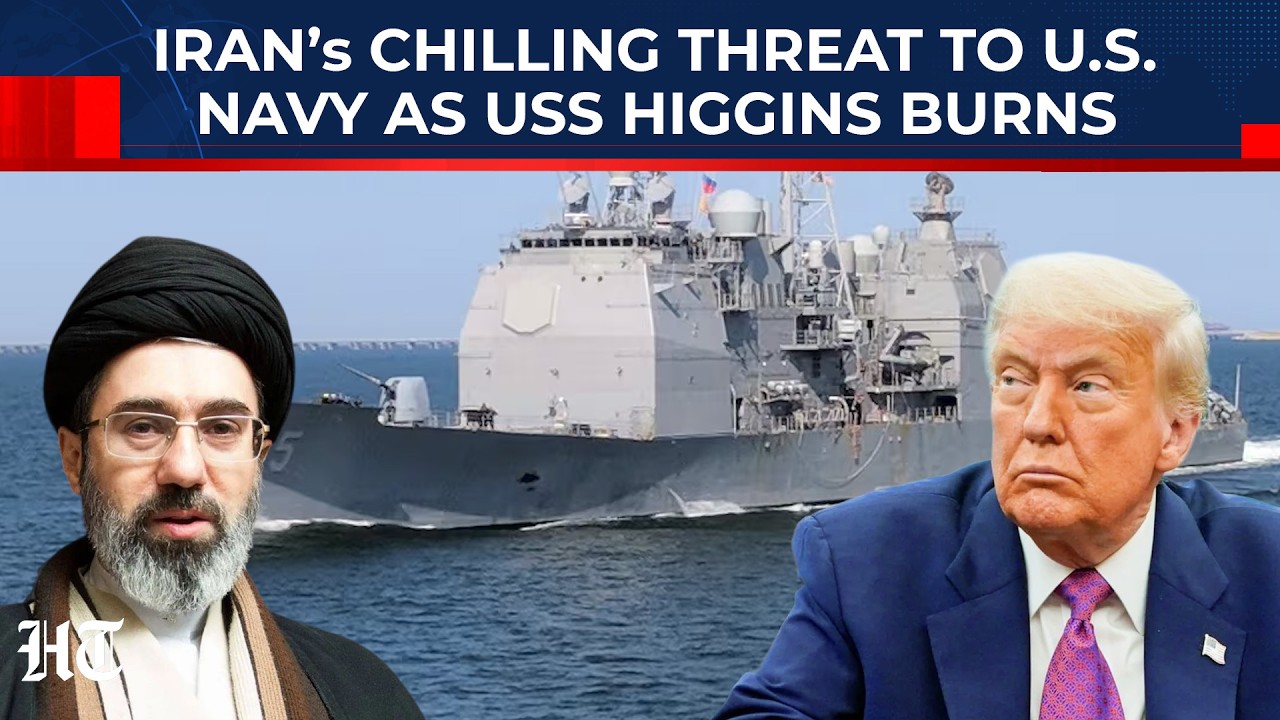
Summary
Reports indicate **Donald Trump** is considering plans for further strikes on **Iran**, potentially involving a naval blockade of its ports and control over the **Strait of Hormuz**. This move, aimed at crippling **Iran**'s oil revenue and pressuring its government, has already driven **oil prices** to their highest since 2022. **Iran** has denounced the actions as 'piracy' and threatened retaliation, escalating tensions in a critical global waterway. The situation is described as a 'war of blockades,' with both sides intercepting commercial vessels.
Key Takeaways
- US President Donald Trump is reportedly considering plans for further strikes on Iran and a naval blockade of its ports.
- The Strait of Hormuz, a critical global oil transit route, is at the center of escalating tensions.
- Oil prices have surged to their highest levels since 2022 due to these reports.
- Iran has condemned the potential blockade as 'piracy' and threatened retaliation.
- The situation represents a 'war of blockades' with both sides intercepting commercial vessels.
Balanced Perspective
The US Central Command (Centcom) has reportedly prepared plans for strikes and a potential takeover of parts of the **Strait of Hormuz** to reopen it for commercial shipping. **Donald Trump** has stated the goal is to prevent **Iran** from profiting from oil sales to favored entities. **Iran** has labeled these actions 'piracy' and threatened retaliatory strikes on Gulf states. The situation is characterized by an ongoing 'war of blockades' involving the seizure of commercial vessels.
Optimistic View
The US blockade, if implemented, could be a decisive non-kinetic move to force **Iran** back to the negotiating table, potentially averting a larger conflict. By cutting off oil revenue, the US aims to starve the regime of funds, thereby incentivizing a de-escalation and a return to diplomatic solutions. This strategic pressure could lead to a swift resolution, stabilizing energy markets and regional security.
Critical View
The US's 'blockade' strategy risks a dangerous escalation, potentially drawing the US into direct conflict with **Iran** and its proxies. Such actions could lead to significant disruptions in global oil supply, causing severe economic repercussions worldwide. **Iran**'s threats of retaliation, including targeting ports in allied Gulf states, could ignite a wider regional war, destabilizing a critical geopolitical area and leading to prolonged instability and conflict.
Source
Originally reported by BBC