
Contents
- 🏯 Introduction to Sun Tzu
- 📜 The Art of War: A Timeless Classic
- 👑 The Life and Times of Sun Tzu
- 💡 Philosophical Underpinnings of Sun Tzu's Work
- 📊 The 13 Chapters of The Art of War
- 🤔 The Debate Over Sun Tzu's Authorship
- 🌎 Influence of Sun Tzu on Eastern and Western Thought
- 📈 Applications of Sun Tzu's Principles in Modern Times
- 👊 Criticisms and Controversies Surrounding Sun Tzu's Ideas
- 🔍 The Historical Context of the Warring States Period
- 📚 The Evolution of The Art of War Over Time
- 👑 Sun Tzu's Legacy in Chinese History and Culture
- Frequently Asked Questions
- Related Topics
Overview
Sun Tzu, a Chinese military strategist from the 6th century BC, is best known for his seminal work, The Art of War. This treatise on warfare has been widely influential, with applications extending beyond the battlefield to fields like business, sports, and politics. The Art of War is composed of 13 chapters, each focusing on a different aspect of warfare, from planning and tactics to alliances and espionage. With a vibe score of 8, Sun Tzu's work continues to resonate with leaders and strategists worldwide, including notable figures like Mao Zedong, General Douglas MacArthur, and Henry Kissinger. The controversy surrounding the true authorship of The Art of War, with some attributing it to Sun Bin, a later Chinese strategist, has not diminished its impact. As the world becomes increasingly complex, Sun Tzu's principles remain relevant, with many arguing that his ideas on adaptability, deception, and cunning are more important now than ever.
🏯 Introduction to Sun Tzu
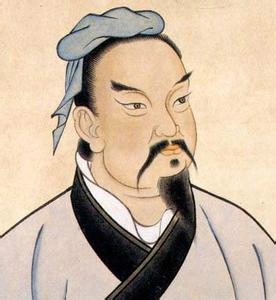
Sun Tzu, a Chinese military general, strategist, philosopher, and writer, is best known for his authorship of The Art of War, a Classical Chinese text on military strategy from the Warring States period. His work has had a profound impact on Eastern philosophy and military strategy, with his ideas still being studied and applied today. The history of China is rich in stories of great warriors and strategists, but Sun Tzu's legacy stands out for its enduring influence. As a philosopher, Sun Tzu's work has been compared to that of Confucius and Lao Tzu, highlighting the significance of his contributions to Chinese philosophy.
📜 The Art of War: A Timeless Classic
The Art of War, composed of 13 chapters, is a comprehensive guide to military tactics and strategy. The text is known for its emphasis on deception, adaptability, and economy of force. Sun Tzu's principles have been applied not only in warfare but also in business strategy, sports, and politics. The influence of The Art of War can be seen in the work of Mao Zedong and Napoleon Bonaparte, among others. As a classic work, The Art of War continues to be studied by scholars and strategists around the world. The application of Sun Tzu's principles in modern times is a testament to the timeless nature of his ideas.
👑 The Life and Times of Sun Tzu
Despite his significant contributions to Chinese history and military theory, little is known about Sun Tzu's personal life. It is believed that he lived during the Eastern Zhou period, a time of great turmoil and conflict in ancient China. Sun Tzu's experiences as a military general likely influenced his writing and shaped his understanding of warfare. The historical context of the Warring States period is essential to understanding the development of Sun Tzu's ideas. As a historical figure, Sun Tzu's life and work have been the subject of much scholarly debate and speculation.
💡 Philosophical Underpinnings of Sun Tzu's Work
Sun Tzu's work is rooted in Taoist philosophy and Confucianism, reflecting the cultural context of ancient China. His emphasis on balance, harmony, and adaptability reflects the Taoist concept of the yin and yang. The influence of Taoism on Sun Tzu's thought is evident in his discussion of the interplay between opposites. As a philosophical text, The Art of War offers insights into the human condition and the nature of conflict. The application of Sun Tzu's principles in modern times is a testament to the timeless nature of his ideas.
📊 The 13 Chapters of The Art of War
The 13 chapters of The Art of War provide a comprehensive guide to military strategy and tactics. The text covers topics such as planning, deception, and alliances. Sun Tzu's principles have been applied in a variety of contexts, from business to sports. The influence of The Art of War can be seen in the work of strategists and leaders around the world. As a classic work, The Art of War continues to be studied by scholars and practitioners of military strategy. The application of Sun Tzu's principles in modern times is a testament to the timeless nature of his ideas.
🌎 Influence of Sun Tzu on Eastern and Western Thought
Sun Tzu's ideas have had a profound impact on Eastern philosophy and Western philosophy. His emphasis on adaptability, deception, and economy of force has influenced strategists and leaders around the world. The application of Sun Tzu's principles in modern times is a testament to the timeless nature of his ideas. As a classic work, The Art of War continues to be studied by scholars and practitioners of military strategy. The influence of The Art of War can be seen in the work of Mao Zedong and Napoleon Bonaparte, among others.
📈 Applications of Sun Tzu's Principles in Modern Times
The principles outlined in The Art of War have been applied in a variety of contexts, from business to sports. Sun Tzu's emphasis on adaptability, deception, and economy of force has influenced strategists and leaders around the world. The application of Sun Tzu's principles in modern times is a testament to the timeless nature of his ideas. As a classic work, The Art of War continues to be studied by scholars and practitioners of military strategy. The influence of The Art of War can be seen in the work of Mao Zedong and Napoleon Bonaparte, among others.
👊 Criticisms and Controversies Surrounding Sun Tzu's Ideas
Despite the significant influence of Sun Tzu's ideas, there have been criticisms and controversies surrounding his work. Some scholars have argued that The Art of War is overly focused on deception and manipulation, while others have criticized the text for its lack of empathy and compassion. The historical context of the Warring States period is essential to understanding the development of Sun Tzu's ideas. As a historical figure, Sun Tzu's life and work have been the subject of much speculation and debate. The influence of The Art of War can be seen in the work of Mao Zedong and Napoleon Bonaparte, among others.
🔍 The Historical Context of the Warring States Period
The Warring States period, which lasted from 475 to 221 BCE, was a time of great turmoil and conflict in ancient China. The historical context of this period is essential to understanding the development of Sun Tzu's ideas. As a military general, Sun Tzu's experiences during this time likely influenced his writing and shaped his understanding of warfare. The influence of The Art of War can be seen in the work of Mao Zedong and Napoleon Bonaparte, among others. The application of Sun Tzu's principles in modern times is a testament to the timeless nature of his ideas.
📚 The Evolution of The Art of War Over Time
The Art of War has undergone significant changes and interpretations over time. The text has been translated and retranslated, with different scholars and practitioners offering their own interpretations of Sun Tzu's principles. The influence of The Art of War can be seen in the work of Mao Zedong and Napoleon Bonaparte, among others. As a classic work, The Art of War continues to be studied by scholars and practitioners of military strategy. The application of Sun Tzu's principles in modern times is a testament to the timeless nature of his ideas.
👑 Sun Tzu's Legacy in Chinese History and Culture
Sun Tzu's legacy in Chinese history and culture is profound. His ideas have influenced strategists and leaders around the world, and his work continues to be studied by scholars and practitioners of military strategy. The influence of The Art of War can be seen in the work of Mao Zedong and Napoleon Bonaparte, among others. As a historical figure, Sun Tzu's life and work have been the subject of much speculation and debate. The application of Sun Tzu's principles in modern times is a testament to the timeless nature of his ideas.
Key Facts
- Year
- 544
- Origin
- Ancient China
- Category
- History, Philosophy, Military Strategy
- Type
- Historical Figure
Frequently Asked Questions
Who is Sun Tzu?
Sun Tzu was a Chinese military general, strategist, philosopher, and writer who lived during the Eastern Zhou period. He is best known for his authorship of The Art of War, a Classical Chinese text on military strategy from the Warring States period. Sun Tzu's work has had a profound impact on Eastern philosophy and military strategy, with his ideas still being studied and applied today. As a philosopher, Sun Tzu's work has been compared to that of Confucius and Lao Tzu, highlighting the significance of his contributions to Chinese philosophy.
What is The Art of War?
The Art of War is a Classical Chinese text on military strategy from the Warring States period. The text is composed of 13 chapters and provides a comprehensive guide to military strategy and tactics. Sun Tzu's principles have been applied in a variety of contexts, from business to sports, and continue to be studied by scholars and practitioners of military strategy. The influence of The Art of War can be seen in the work of Mao Zedong and Napoleon Bonaparte, among others.
What is the historical context of The Art of War?
The Art of War was written during the Warring States period, a time of great turmoil and conflict in ancient China. The historical context of this period is essential to understanding the development of Sun Tzu's ideas. As a military general, Sun Tzu's experiences during this time likely influenced his writing and shaped his understanding of warfare. The influence of The Art of War can be seen in the work of Mao Zedong and Napoleon Bonaparte, among others.
How has The Art of War been applied in modern times?
The principles outlined in The Art of War have been applied in a variety of contexts, from business to sports. Sun Tzu's emphasis on adaptability, deception, and economy of force has influenced strategists and leaders around the world. The application of Sun Tzu's principles in modern times is a testament to the timeless nature of his ideas. As a classic work, The Art of War continues to be studied by scholars and practitioners of military strategy.
What is Sun Tzu's legacy in Chinese history and culture?
Sun Tzu's legacy in Chinese history and culture is profound. His ideas have influenced strategists and leaders around the world, and his work continues to be studied by scholars and practitioners of military strategy. The influence of The Art of War can be seen in the work of Mao Zedong and Napoleon Bonaparte, among others. As a historical figure, Sun Tzu's life and work have been the subject of much speculation and debate.