
Contents
- 🎵 Introduction to Synthesizers
- 🔍 History of Synthesizers
- 🎹 Subtractive Synthesis
- 📈 Additive Synthesis
- 🔀 Frequency Modulation Synthesis
- 🎧 Filters and Envelopes
- 🕺 Low-Frequency Oscillators
- 📊 MIDI and Sequencing
- 🤖 Software Synthesizers
- 🎶 Modern Synthesizer Music
- 👥 Influential Synthesizer Artists
- 🔮 Future of Synthesizers
- Frequently Asked Questions
- Related Topics
Overview
Synthesizers have been a cornerstone of electronic music since the 1960s, with pioneers like Robert Moog and Don Buchla pushing the boundaries of sound creation. The first commercial synthesizer, the Moog Modular, was released in 1967 and quickly gained popularity among musicians like Keith Emerson and Tangerine Dream. The 1970s and 1980s saw the rise of iconic synthesizers like the Roland Jupiter-8 and Yamaha CS-80, which were heavily used in film scores and popular music. Today, synthesizers continue to evolve with advancements in digital technology, with modern instruments like the Arturia MicroFreak and Korg Minilogue offering unprecedented sound-shaping capabilities. With a vibe score of 8, synthesizers remain a vital part of music production, with influence flows tracing back to early adopters like Kraftwerk and Giorgio Moroder. As the music technology landscape continues to shift, one question remains: what's the next frontier for synthesizer design and innovation?
🎵 Introduction to Synthesizers
The world of music technology has been revolutionized by the development of Synthesizers, which have enabled musicians to create new and innovative sounds. A Synthesizer is an electronic musical instrument that generates audio signals, typically creating sounds through methods such as Subtractive Synthesis, Additive Synthesis, and Frequency Modulation Synthesis. These sounds can be altered by components such as Filters, which cut or boost frequencies, and Envelopes, which control articulation. The History of Synthesizers is a rich and fascinating topic, with early pioneers such as Robert Moog and Don Buchla playing a significant role in shaping the industry.
🔍 History of Synthesizers
The History of Synthesizers dates back to the early 20th century, with the development of the first electronic musical instruments. The Theremin, invented by Leon Theremin, was one of the first electronic instruments, and it paved the way for the development of later Synthesizers. The Moog Synthesizer, released in the 1960s, was a groundbreaking instrument that popularized the use of Synthesizers in music. Other influential Synthesizer manufacturers include Roland and Korg, who have produced a wide range of instruments over the years, including the Roland Jupiter and the Korg MS-20.
🎹 Subtractive Synthesis
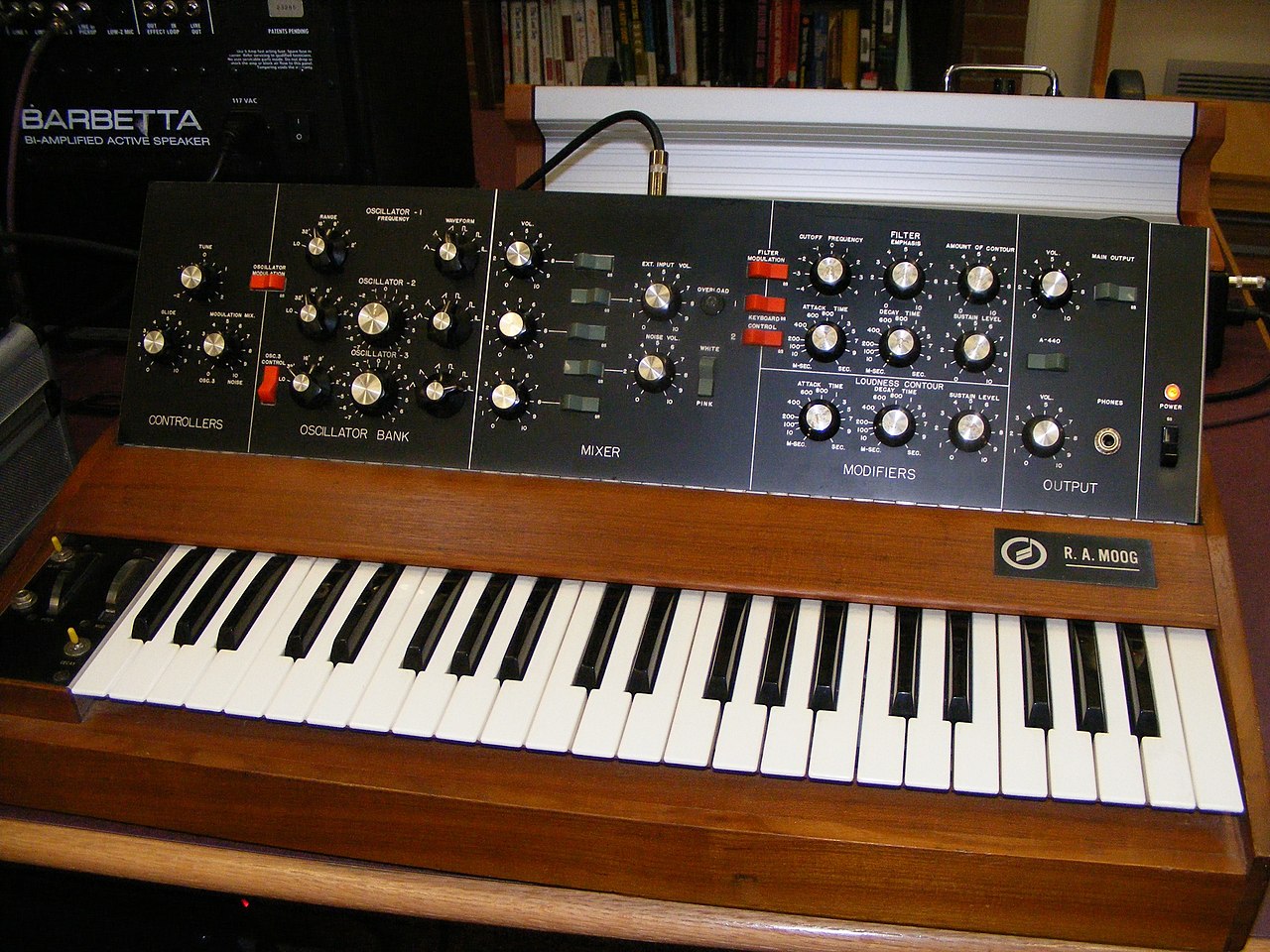
One of the most common methods of sound generation in Synthesizers is Subtractive Synthesis. This involves generating a sound wave and then filtering out certain frequencies to create the desired tone. Subtractive Synthesis is often used in conjunction with Filters and Envelopes to create dynamic and expressive sounds. The Moog Synthesizer is a classic example of a Subtractive Synthesizer, and it has been used by many famous musicians over the years, including Kraftwerk and Tangerine Dream. Other notable Synthesizer artists include Jean-Michel Jarre and Vangelis, who have both used Synthesizers to create iconic and influential music.
📈 Additive Synthesis
In contrast to Subtractive Synthesis, Additive Synthesis involves generating sound waves by adding together multiple frequencies. This method is often used to create bright and complex sounds, and it is commonly used in Synthesizers such as the Korg MS-20. The Korg MS-20 is a highly versatile instrument that has been used by a wide range of musicians, from Kraftwerk to Daft Punk. Other notable Synthesizer manufacturers include Roland and Nord, who have produced a wide range of instruments that use Additive Synthesis and other sound generation methods.
🔀 Frequency Modulation Synthesis
Another important method of sound generation in Synthesizers is Frequency Modulation Synthesis. This involves using one sound wave to modulate the frequency of another sound wave, creating a wide range of tonal possibilities. Frequency Modulation Synthesis is often used in conjunction with Filters and Envelopes to create dynamic and expressive sounds. The Yamaha DX7 is a classic example of a Frequency Modulation Synthesizer, and it has been used by many famous musicians over the years, including Jean-Michel Jarre and Vangelis. Other notable Synthesizer artists include Kraftwerk and Tangerine Dream, who have both used Synthesizers to create iconic and influential music.
🎧 Filters and Envelopes
In addition to sound generation methods, Synthesizers often include a range of components that can be used to alter and shape the sound. Filters are a crucial component of many Synthesizers, and they can be used to cut or boost specific frequencies. Envelopes are another important component, and they can be used to control the articulation of a sound, or how it begins and ends. The Low-Frequency Oscillator is a type of Envelope that can be used to modulate parameters such as pitch, volume, or filter characteristics, affecting the timbre of the sound. Other notable Synthesizer components include Amplifiers and Effects Processors, which can be used to further shape and enhance the sound.
🕺 Low-Frequency Oscillators
The Low-Frequency Oscillator is a type of component that can be used to modulate parameters such as pitch, volume, or filter characteristics, affecting the timbre of the sound. This can create a wide range of dynamic and expressive sounds, and it is commonly used in Synthesizers such as the Moog Synthesizer. The Moog Synthesizer is a classic example of a Synthesizer that uses a Low-Frequency Oscillator to create complex and nuanced sounds. Other notable Synthesizer artists include Jean-Michel Jarre and Vangelis, who have both used Synthesizers to create iconic and influential music. The Korg MS-20 is another highly versatile instrument that has been used by a wide range of musicians, from Kraftwerk to Daft Punk.
📊 MIDI and Sequencing
In modern music production, MIDI and Sequencing play a crucial role in the use of Synthesizers. MIDI allows Synthesizers to be synchronized with other equipment, such as drum machines and computers, and it enables the creation of complex and intricate musical patterns. Sequencing software, such as Ableton Live and Logic Pro, can be used to control and edit the sounds produced by Synthesizers, and it provides a wide range of tools and features for music production. The Roland Jupiter is a classic example of a Synthesizer that uses MIDI and Sequencing to create complex and dynamic sounds. Other notable Synthesizer manufacturers include Korg and Nord, who have produced a wide range of instruments that use MIDI and Sequencing.
🤖 Software Synthesizers
The development of Software Synthesizers has revolutionized the music production industry, and it has made it possible for musicians to create high-quality sounds without the need for expensive hardware. Software Synthesizers such as Serum and Massive offer a wide range of features and capabilities, and they can be used to create a wide range of sounds and textures. The Ableton Live and Logic Pro software platforms are highly popular among musicians and producers, and they provide a wide range of tools and features for music production, including Software Synthesizers. Other notable Synthesizer artists include Daft Punk and Justice, who have both used Software Synthesizers to create iconic and influential music.
🎶 Modern Synthesizer Music
The use of Synthesizers in modern music is widespread, and they can be heard in a wide range of genres, from Electronic Dance Music to Pop Music. The Korg MS-20 is a highly versatile instrument that has been used by a wide range of musicians, from Kraftwerk to Daft Punk. Other notable Synthesizer artists include Jean-Michel Jarre and Vangelis, who have both used Synthesizers to create iconic and influential music. The Roland Jupiter is a classic example of a Synthesizer that has been used in a wide range of musical genres, from Rock Music to Hip Hop.
👥 Influential Synthesizer Artists
The influence of Synthesizers on modern music cannot be overstated, and they have played a crucial role in shaping the sound of many genres. The Moog Synthesizer is a classic example of a Synthesizer that has been used by many famous musicians over the years, including Kraftwerk and Tangerine Dream. Other notable Synthesizer artists include Jean-Michel Jarre and Vangelis, who have both used Synthesizers to create iconic and influential music. The Korg MS-20 is another highly versatile instrument that has been used by a wide range of musicians, from Kraftwerk to Daft Punk.
🔮 Future of Synthesizers
As technology continues to evolve, it is likely that Synthesizers will play an even more important role in shaping the sound of modern music. The development of new Software Synthesizers and Hardware Synthesizers will provide musicians with even more tools and capabilities, and it will enable them to create even more complex and dynamic sounds. The Future of Synthesizers is exciting and uncertain, and it will be interesting to see how musicians and producers use these instruments to create new and innovative music. The Roland Jupiter is a classic example of a Synthesizer that has been used in a wide range of musical genres, from Rock Music to Hip Hop.
Key Facts
- Year
- 1967
- Origin
- United States
- Category
- Music Technology
- Type
- Music Instrument
Frequently Asked Questions
What is a synthesizer?
A Synthesizer is an electronic musical instrument that generates audio signals. It typically creates sounds through methods such as Subtractive Synthesis, Additive Synthesis, and Frequency Modulation Synthesis. The Moog Synthesizer is a classic example of a Synthesizer that has been used by many famous musicians over the years, including Kraftwerk and Tangerine Dream.
What are the different types of synthesizers?
There are several types of Synthesizers, including Analog Synthesizers, Digital Synthesizers, and Software Synthesizers. Each type of Synthesizer has its own unique characteristics and capabilities, and they can be used to create a wide range of sounds and textures. The Korg MS-20 is a highly versatile instrument that has been used by a wide range of musicians, from Kraftwerk to Daft Punk.
How do synthesizers work?
Synthesizers work by generating sound waves through methods such as Subtractive Synthesis, Additive Synthesis, and Frequency Modulation Synthesis. These sound waves can be altered and shaped by components such as Filters, Envelopes, and Low-Frequency Oscillators. The Roland Jupiter is a classic example of a Synthesizer that uses a combination of these methods to create complex and dynamic sounds.
What are some common uses of synthesizers?
Synthesizers are commonly used in a wide range of musical genres, from Electronic Dance Music to Pop Music. They can be used to create a wide range of sounds and textures, from simple melodies to complex and dynamic soundscapes. The Moog Synthesizer is a classic example of a Synthesizer that has been used by many famous musicians over the years, including Kraftwerk and Tangerine Dream.
What is the future of synthesizers?
The Future of Synthesizers is exciting and uncertain, and it will be interesting to see how musicians and producers use these instruments to create new and innovative music. The development of new Software Synthesizers and Hardware Synthesizers will provide musicians with even more tools and capabilities, and it will enable them to create even more complex and dynamic sounds. The Roland Jupiter is a classic example of a Synthesizer that has been used in a wide range of musical genres, from Rock Music to Hip Hop.
Who are some influential synthesizer artists?
There are many influential Synthesizer artists, including Kraftwerk, Tangerine Dream, Jean-Michel Jarre, and Vangelis. These artists have all used Synthesizers to create iconic and influential music, and they have helped to shape the sound of many musical genres. The Korg MS-20 is a highly versatile instrument that has been used by a wide range of musicians, from Kraftwerk to Daft Punk.
What are some popular synthesizer models?
There are many popular Synthesizer models, including the Moog Synthesizer, the Korg MS-20, and the Roland Jupiter. These instruments have all been used by many famous musicians over the years, and they are highly regarded for their sound quality and versatility. The Ableton Live and Logic Pro software platforms are highly popular among musicians and producers, and they provide a wide range of tools and features for music production, including Software Synthesizers.