
Contents
- 🌟 Introduction to Tomorrowland
- 🎵 History of Tomorrowland
- 🌍 Location and Expansion
- 🎶 Lineup and Performers
- 🎉 Atmosphere and Experience
- 👥 Attendance and Demographics
- 📈 Economic Impact and Revenue
- 🌈 Cultural Significance and Influence
- 🤝 Partnerships and Collaborations
- 📊 Controversies and Criticisms
- 🔜 Future Developments and Plans
- Frequently Asked Questions
- Related Topics
Overview
Tomorrowland, founded in 2005 by Manu Beers and Michiel Beers, has grown into one of the world's largest and most iconic electronic dance music (EDM) festivals, attracting over 460,000 attendees from more than 200 countries to its flagship event in Boom, Belgium. With a vibe score of 92, Tomorrowland is known for its elaborate stage designs, immersive theming, and A-list lineup of DJs and producers. The festival has expanded globally, with spin-off events in countries like the United States, Brazil, and the United Arab Emirates. Despite controversy surrounding its environmental impact and high ticket prices, Tomorrowland remains a cultural phenomenon, with a devoted fan base and influence on the broader EDM scene. As the festival continues to evolve, it's likely to remain a major player in the global music festival circuit, with plans to incorporate more sustainable practices and innovative technologies. With its unique blend of music, art, and self-expression, Tomorrowland is an experience like no other, leaving attendees eagerly anticipating the next edition.
🌟 Introduction to Tomorrowland
Tomorrowland is one of the largest and most popular electronic dance music (EDM) festivals in the world, held annually in Boom, Belgium. The festival has a rich history dating back to 2005, and has since become a global phenomenon, attracting visitors from over 200 countries. Tomorrowland is known for its unique and immersive experience, featuring elaborate stage designs, interactive art installations, and a diverse lineup of world-class DJs and producers. The festival has also been recognized for its sustainable practices and efforts to reduce its environmental impact. As a cultural phenomenon, Tomorrowland has been studied by scholars and researchers, including those at the University of Ghent, who have examined its impact on the local community and economy.
🎵 History of Tomorrowland
The first Tomorrowland festival was held in 2005, and was organized by Manu Beers and Michiel Beers, two Belgian entrepreneurs and music enthusiasts. The festival was initially held in a small venue in Boom, but quickly grew in popularity and size, moving to a larger location in 2007. Over the years, Tomorrowland has expanded to include multiple stages, featuring a wide range of EDM genres, from trance and house to techno and drum and bass. The festival has also become known for its elaborate stage designs, which are often designed in collaboration with stage designers and art directors. Tomorrowland has been compared to other major music festivals, such as Ultra Music Festival and Electric Daisy Carnival.
🌍 Location and Expansion
Tomorrowland is held in Boom, Belgium, a small town located about 20 kilometers north of Antwerp. The festival takes place on a large outdoor site, which is transformed into a vibrant and immersive world, featuring multiple stages, art installations, and interactive experiences. In recent years, Tomorrowland has expanded to include additional locations, including Tomorrowland Brazil and Tomorrowland United States. The festival has also partnered with other organizations, such as UNICEF, to support charitable causes and promote social awareness. Tomorrowland has been recognized for its innovative stage design and has won several awards, including the International Dance Music Awards.
🎶 Lineup and Performers
The lineup for Tomorrowland features a diverse range of world-class DJs and producers, including Armin van Buuren, Tiësto, and David Guetta. The festival also showcases up-and-coming talent, providing a platform for new artists to gain exposure and build their careers. In addition to the music, Tomorrowland features a wide range of activities and experiences, including art installations, food and drink vendors, and wellness and self-care activities. The festival has also become known for its immersive experiences, which include virtual reality experiences and interactive games. Tomorrowland has been compared to other major music festivals, such as Coachella and Lollapalooza.
🎉 Atmosphere and Experience
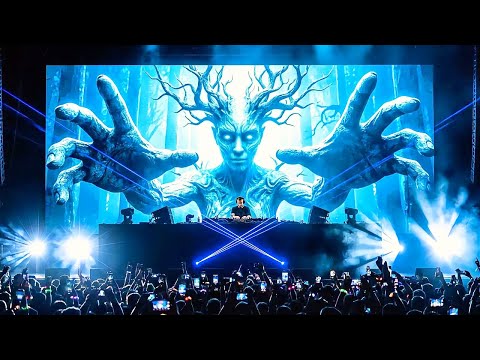
The atmosphere at Tomorrowland is electric and immersive, with a focus on creativity, self-expression, and community. The festival features a wide range of interactive experiences, including art installations, games, and activities, which encourage visitors to engage with each other and the environment. The festival also has a strong focus on sustainability, with initiatives such as recycling programs, composting, and energy-efficient lighting. Tomorrowland has been recognized for its cultural significance and has been the subject of several academic studies, including those by researchers at the University of Amsterdam. The festival has also been featured in several documentaries, including Tomorrowland: The Movie.
👥 Attendance and Demographics
Tomorrowland attracts a diverse crowd of visitors from all over the world, with a total attendance of over 460,000 people in 2022. The festival has a strong appeal to young adults, with the majority of visitors between the ages of 18 and 30. However, the festival also attracts a significant number of older visitors, who come to enjoy the music, atmosphere, and sense of community. Tomorrowland has been recognized for its inclusive environment and has been praised for its efforts to promote diversity and equality. The festival has also partnered with several organizations, including The United Nations, to promote social awareness and support charitable causes.
📈 Economic Impact and Revenue
Tomorrowland has a significant economic impact on the local community, generating an estimated €100 million in revenue each year. The festival also creates thousands of jobs, both directly and indirectly, and supports local businesses and suppliers. However, the festival has also faced criticism for its environmental impact, with concerns about noise pollution, waste management, and energy consumption. Tomorrowland has responded to these concerns by implementing sustainable practices, such as recycling programs and energy-efficient lighting. The festival has also been recognized for its economic benefits and has been praised for its contributions to the local economy.
🌈 Cultural Significance and Influence
Tomorrowland has become a cultural phenomenon, with a significant influence on the electronic dance music scene and beyond. The festival has been credited with helping to popularize EDM and has provided a platform for new artists to gain exposure and build their careers. Tomorrowland has also been recognized for its cultural influence, with its unique and immersive experience inspiring a new generation of festival-goers and event organizers. The festival has been compared to other major cultural events, such as Burning Man and Glastonbury.
🤝 Partnerships and Collaborations
Tomorrowland has partnered with several organizations, including UNICEF and The United Nations, to support charitable causes and promote social awareness. The festival has also collaborated with other event organizers, such as ID&T, to create new and innovative experiences. Tomorrowland has been recognized for its partnerships and collaborations and has been praised for its efforts to promote social responsibility and sustainability. The festival has also been featured in several media outlets, including The New York Times and Rolling Stone.
📊 Controversies and Criticisms
Despite its success and popularity, Tomorrowland has faced several controversies and criticisms, including concerns about noise pollution, waste management, and energy consumption. The festival has also been criticized for its high ticket prices and limited accessibility for visitors with disabilities. Tomorrowland has responded to these concerns by implementing sustainable practices and improving accessibility features, such as wheelchair-accessible stages and sign language interpretation. The festival has been recognized for its controversies and criticisms and has been praised for its efforts to address these concerns.
🔜 Future Developments and Plans
As Tomorrowland continues to grow and evolve, the festival is expected to expand to new locations and markets, including the United States and Asia. The festival is also expected to continue its focus on sustainability and social responsibility, with initiatives such as recycling programs and charitable partnerships. Tomorrowland has been recognized for its future developments and plans and has been praised for its efforts to promote innovation and creativity. The festival has also been compared to other major music festivals, such as SXSW and Bonnaroo.
Key Facts
- Year
- 2005
- Origin
- Boom, Belgium
- Category
- Music Festivals
- Type
- Music Festival
Frequently Asked Questions
What is Tomorrowland?
Tomorrowland is a large and popular electronic dance music (EDM) festival held annually in Boom, Belgium. The festival features a diverse range of world-class DJs and producers, as well as interactive experiences, art installations, and a focus on sustainability and social responsibility.
When and where is Tomorrowland held?
Tomorrowland is held in Boom, Belgium, typically over two weekends in July. The festival takes place on a large outdoor site, which is transformed into a vibrant and immersive world, featuring multiple stages, art installations, and interactive experiences.
Who are some of the notable performers at Tomorrowland?
Tomorrowland features a diverse range of world-class DJs and producers, including Armin van Buuren, Tiësto, and David Guetta. The festival also showcases up-and-coming talent, providing a platform for new artists to gain exposure and build their careers.
What is the atmosphere like at Tomorrowland?
The atmosphere at Tomorrowland is electric and immersive, with a focus on creativity, self-expression, and community. The festival features a wide range of interactive experiences, including art installations, games, and activities, which encourage visitors to engage with each other and the environment.
How many people attend Tomorrowland?
Tomorrowland attracts a diverse crowd of visitors from all over the world, with a total attendance of over 460,000 people in 2022. The festival has a strong appeal to young adults, with the majority of visitors between the ages of 18 and 30.
What is the economic impact of Tomorrowland?
Tomorrowland has a significant economic impact on the local community, generating an estimated €100 million in revenue each year. The festival also creates thousands of jobs, both directly and indirectly, and supports local businesses and suppliers.
What are some of the controversies and criticisms surrounding Tomorrowland?
Despite its success and popularity, Tomorrowland has faced several controversies and criticisms, including concerns about noise pollution, waste management, and energy consumption. The festival has also been criticized for its high ticket prices and limited accessibility for visitors with disabilities.