
Contents
- 🌎 Introduction to the Energy Industry
- 💡 Energy Production and Consumption
- 🚀 Innovation in the Energy Sector
- 🌟 Sustainability and the Energy Industry
- 📊 Energy Market Trends and Analysis
- 🌈 Renewable Energy Sources
- 🔋 Energy Storage and Grid Management
- 💻 Energy Efficiency and Smart Technologies
- 🌍 Global Energy Policy and Governance
- 📈 Energy Industry Investments and Financing
- 🔍 Energy Research and Development
- 👥 Energy Industry Workforce and Education
- Frequently Asked Questions
- Related Topics
Overview
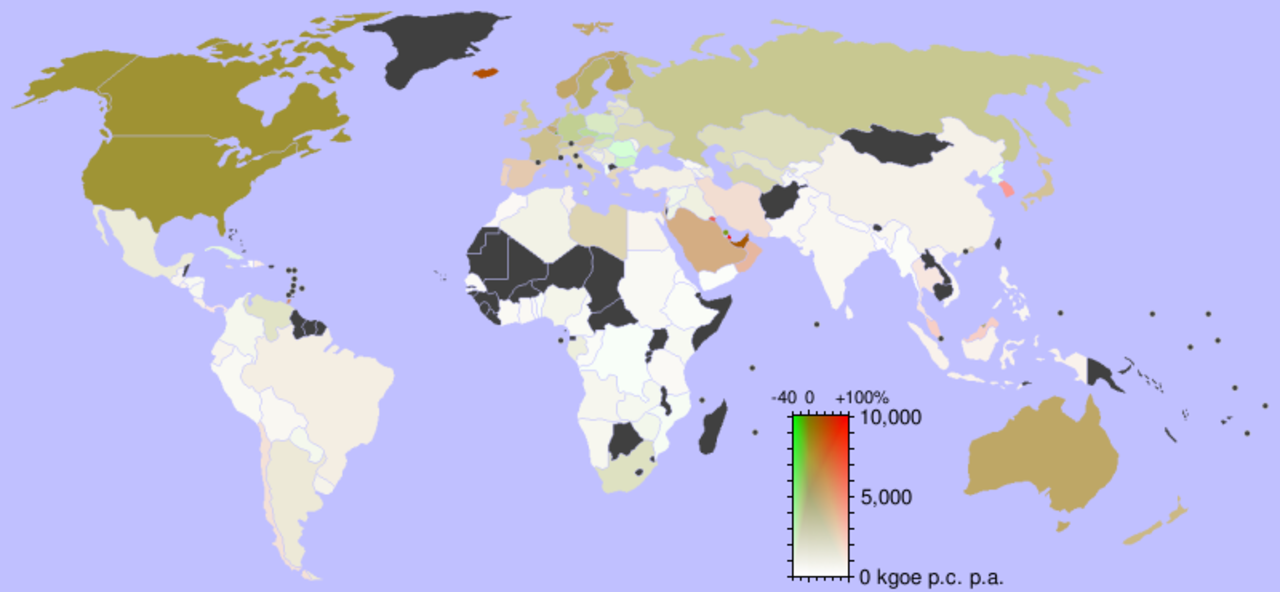
The energy industry is a vital component of modern society, encompassing all aspects of energy production and sale, including fuel extraction, manufacturing, refining and distribution. As the world's population continues to grow, so does the demand for energy, making the energy industry a crucial part of the infrastructure and maintenance of society in almost all countries. The energy industry is a complex and multifaceted sector, involving various stakeholders, including government agencies, private companies, and non-governmental organizations. The industry is also subject to various regulations and policies, which can impact its development and growth. For instance, the Paris Agreement aims to reduce greenhouse gas emissions and mitigate the effects of climate change.
💡 Energy Production and Consumption
Energy production and consumption are critical components of the energy industry. The industry involves the extraction, processing, and distribution of various energy sources, including fossil fuels, nuclear energy, and renewable energy. The energy industry is also responsible for the development and implementation of new energy technologies, such as solar energy and wind energy. As the world transitions towards a more sustainable energy mix, the energy industry must adapt to changing energy demands and energy supply dynamics. This can be seen in the growth of electric vehicles and energy-efficient buildings. The industry must also address the challenges posed by energy access and energy poverty.
🚀 Innovation in the Energy Sector
Innovation is a key driver of the energy industry, with new technologies and business models emerging to address the challenges of sustainable energy and energy security. The industry is witnessing a significant shift towards decentralized energy and digitalization, with the integration of Internet of Things (IoT) and artificial intelligence (AI) technologies. This is evident in the development of smart grids and energy storage systems. Companies like Tesla and Vestas are leading the charge in this area. The energy industry is also seeing the emergence of new players, such as startups and venture capital firms, which are investing in innovative energy solutions. For example, Bill Gates has invested in TerraPower, a company developing advanced nuclear reactors.
🌟 Sustainability and the Energy Industry
Sustainability is a critical aspect of the energy industry, with the sector playing a significant role in addressing climate change and environmental degradation. The industry is shifting towards a more sustainable energy mix, with a growing focus on renewable energy sources, such as solar energy and wind energy. Companies like Siemens Gamesa and Orsted are leading the charge in this area. The energy industry is also witnessing the development of new sustainable energy technologies, such as hydrogen fuel cells and geothermal energy. This is evident in the growth of green financing and sustainable investing. The industry must also address the social and economic impacts of the energy transition, including energy access and energy poverty.
📊 Energy Market Trends and Analysis
The energy market is subject to various trends and analysis, including the impact of global energy demand and energy supply dynamics. The industry is also influenced by energy prices, which can fluctuate based on factors such as geopolitics and weather patterns. Companies like BP and ExxonMobil are impacted by these factors. The energy industry is witnessing a significant shift towards renewable energy and decentralized energy, with the integration of new energy technologies and business models. This is evident in the growth of community solar and energy cooperatives. The industry must also address the challenges posed by energy storage and grid management.
🌈 Renewable Energy Sources
Renewable energy sources are becoming increasingly important in the energy industry, with solar energy and wind energy being the most prominent. The industry is witnessing a significant growth in renewable energy capacity, with new technologies and business models emerging to support the development of renewable energy projects. Companies like SunPower and Pattern Energy are leading the charge in this area. The energy industry is also seeing the emergence of new renewable energy sources, such as hydrokinetic energy and geothermal energy. This is evident in the growth of renewable energy certificates and green power programs. The industry must also address the challenges posed by intermittent energy and energy storage.
🔋 Energy Storage and Grid Management
Energy storage and grid management are critical components of the energy industry, with the sector playing a significant role in addressing the challenges of renewable energy integration. The industry is witnessing a significant growth in energy storage capacity, with new technologies and business models emerging to support the development of energy storage projects. Companies like Tesla and Sonnen are leading the charge in this area. The energy industry is also seeing the emergence of new energy storage technologies, such as flow batteries and hydrogen fuel cells. This is evident in the growth of smart grids and microgrids. The industry must also address the challenges posed by grid management and energy efficiency.
💻 Energy Efficiency and Smart Technologies
Energy efficiency and smart technologies are becoming increasingly important in the energy industry, with the sector playing a significant role in addressing the challenges of energy consumption and energy waste. The industry is witnessing a significant growth in energy-efficient technologies, with new business models emerging to support the development of energy-efficient projects. Companies like Siemens and Philips are leading the charge in this area. The energy industry is also seeing the emergence of new smart technologies, such as smart home and building automation systems. This is evident in the growth of energy-efficient buildings and green buildings. The industry must also address the challenges posed by energy access and energy poverty.
🌍 Global Energy Policy and Governance
Global energy policy and governance are critical components of the energy industry, with the sector playing a significant role in addressing the challenges of global energy demand and energy supply dynamics. The industry is witnessing a significant shift towards sustainable energy and renewable energy, with new policies and regulations emerging to support the development of sustainable energy projects. Companies like International Energy Agency and United Nations Environment Programme are leading the charge in this area. The energy industry is also seeing the emergence of new global energy governance frameworks, such as the Sustainable Development Goals and the Paris Agreement. This is evident in the growth of global energy cooperation and international energy agreements.
📈 Energy Industry Investments and Financing
Energy industry investments and financing are critical components of the energy industry, with the sector playing a significant role in addressing the challenges of energy infrastructure development. The industry is witnessing a significant growth in energy investments, with new business models emerging to support the development of energy projects. Companies like Goldman Sachs and Morgan Stanley are leading the charge in this area. The energy industry is also seeing the emergence of new energy financing mechanisms, such as green bonds and impact investing. This is evident in the growth of sustainable energy funds and renewable energy investments. The industry must also address the challenges posed by energy risk and energy returns.
🔍 Energy Research and Development
Energy research and development are critical components of the energy industry, with the sector playing a significant role in addressing the challenges of energy innovation and energy technologies. The industry is witnessing a significant growth in energy research, with new technologies and business models emerging to support the development of energy projects. Companies like Massachusetts Institute of Technology and Stanford University are leading the charge in this area. The energy industry is also seeing the emergence of new energy technologies, such as advanced nuclear and carbon capture. This is evident in the growth of energy innovation hubs and clean tech incubators. The industry must also address the challenges posed by energy science and energy engineering.
👥 Energy Industry Workforce and Education
The energy industry workforce and education are critical components of the energy industry, with the sector playing a significant role in addressing the challenges of energy talent and energy skills. The industry is witnessing a significant growth in energy education, with new programs and courses emerging to support the development of energy professionals. Companies like Harvard University and California Institute of Technology are leading the charge in this area. The energy industry is also seeing the emergence of new energy training and certification programs, such as renewable energy certifications and energy efficiency certifications. This is evident in the growth of energy career pathways and sustainable energy jobs. The industry must also address the challenges posed by energy diversity and energy inclusion.
Key Facts
- Year
- 2022
- Origin
- Vibepedia
- Category
- Energy
- Type
- Industry
Frequently Asked Questions
What is the energy industry?
The energy industry refers to all of the industries involved in the production and sale of energy, including fuel extraction, manufacturing, refining and distribution. The energy industry is a crucial part of the infrastructure and maintenance of society in almost all countries. It involves the extraction, processing, and distribution of various energy sources, including fossil fuels, nuclear energy, and renewable energy. The industry is also responsible for the development and implementation of new energy technologies, such as solar energy and wind energy. For more information, see Energy Industry.
What are the challenges facing the energy industry?
The energy industry faces several challenges, including the need to address climate change and environmental degradation, while also ensuring energy access and energy security. The industry must also adapt to changing energy demands and energy supply dynamics, while addressing the challenges posed by energy storage and grid management. Additionally, the industry must address the social and economic impacts of the energy transition, including energy access and energy poverty. For more information, see Energy Challenges.
What is the role of innovation in the energy industry?
Innovation is a key driver of the energy industry, with new technologies and business models emerging to address the challenges of sustainable energy and energy security. The industry is witnessing a significant shift towards decentralized energy and digitalization, with the integration of Internet of Things (IoT) and artificial intelligence (AI) technologies. Companies like Tesla and Vestas are leading the charge in this area. For more information, see Energy Innovation.
What is the importance of sustainability in the energy industry?
Sustainability is a critical aspect of the energy industry, with the sector playing a significant role in addressing climate change and environmental degradation. The industry is shifting towards a more sustainable energy mix, with a growing focus on renewable energy sources, such as solar energy and wind energy. Companies like Siemens Gamesa and Orsted are leading the charge in this area. For more information, see Sustainable Energy.
What is the role of energy efficiency in the energy industry?
Energy efficiency is a critical component of the energy industry, with the sector playing a significant role in addressing the challenges of energy consumption and energy waste. The industry is witnessing a significant growth in energy-efficient technologies, with new business models emerging to support the development of energy-efficient projects. Companies like Siemens and Philips are leading the charge in this area. For more information, see Energy Efficiency.
What is the importance of global energy policy and governance in the energy industry?
Global energy policy and governance are critical components of the energy industry, with the sector playing a significant role in addressing the challenges of global energy demand and energy supply dynamics. The industry is witnessing a significant shift towards sustainable energy and renewable energy, with new policies and regulations emerging to support the development of sustainable energy projects. Companies like International Energy Agency and United Nations Environment Programme are leading the charge in this area. For more information, see Global Energy Policy.
What is the role of energy research and development in the energy industry?
Energy research and development are critical components of the energy industry, with the sector playing a significant role in addressing the challenges of energy innovation and energy technologies. The industry is witnessing a significant growth in energy research, with new technologies and business models emerging to support the development of energy projects. Companies like Massachusetts Institute of Technology and Stanford University are leading the charge in this area. For more information, see Energy Research.